
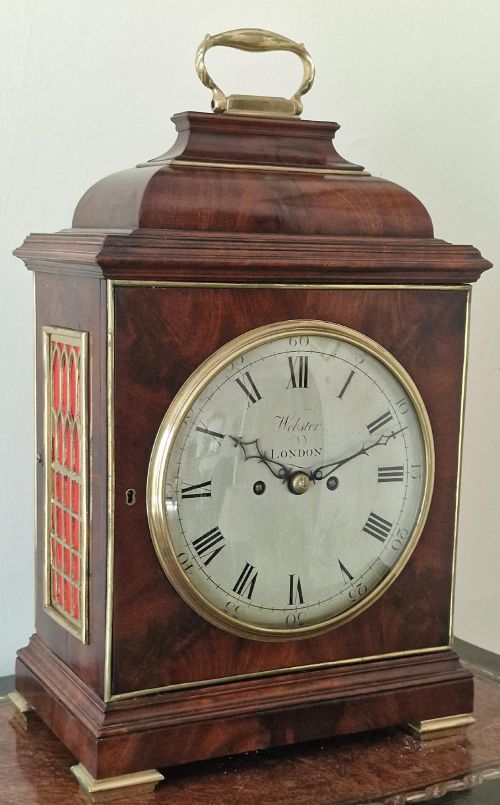
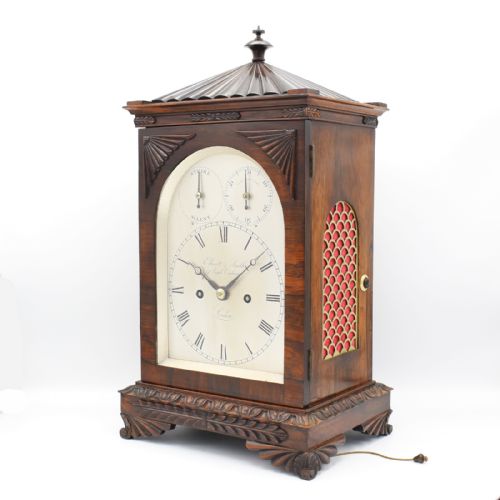
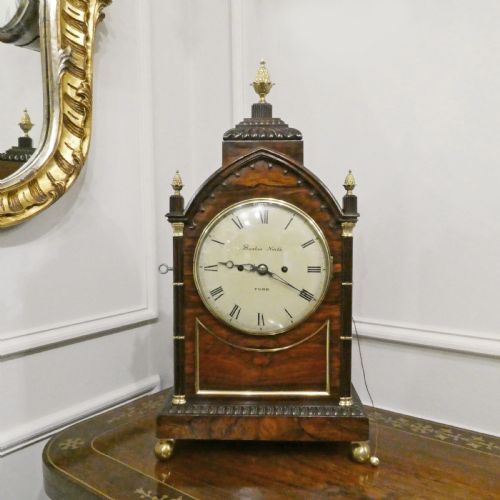
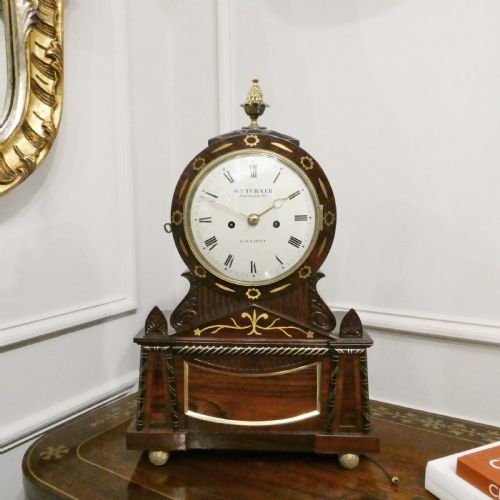


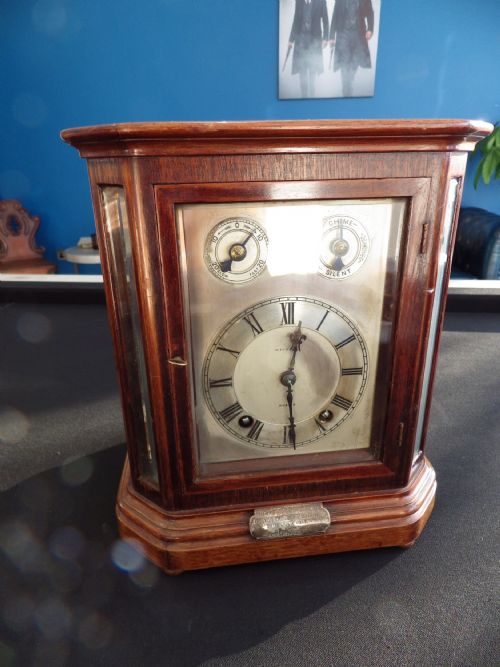


Spring Driven Bracket Clock
A spring driven bracket clock sits on a table or shelf, bringing precise mechanical timekeeping and classic cabinetry into a room.
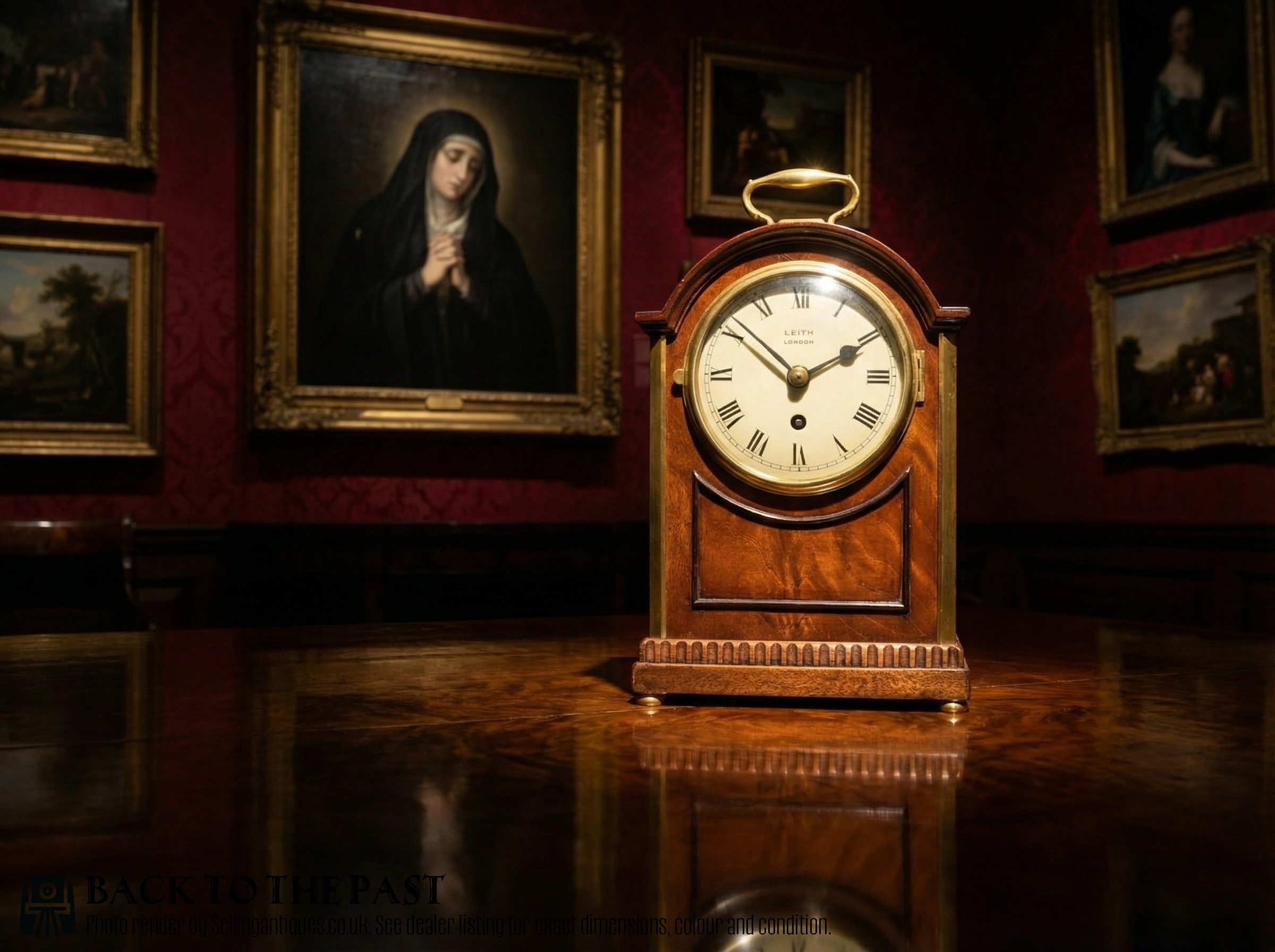
Spring driven bracket clock selection
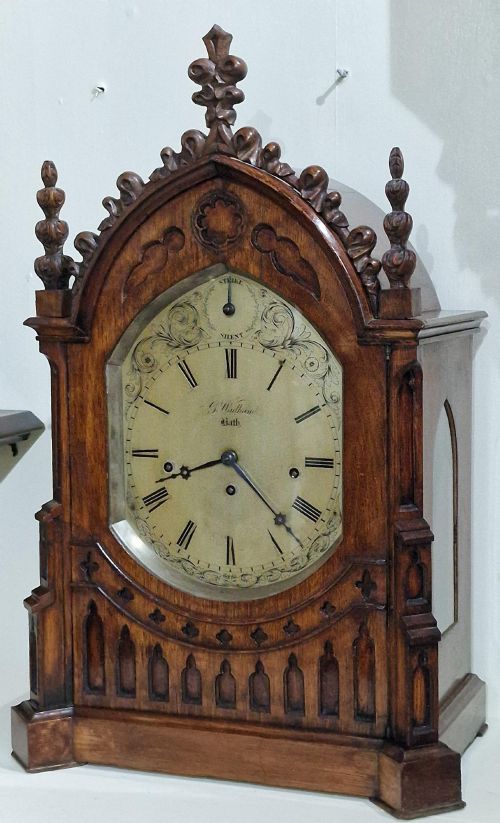
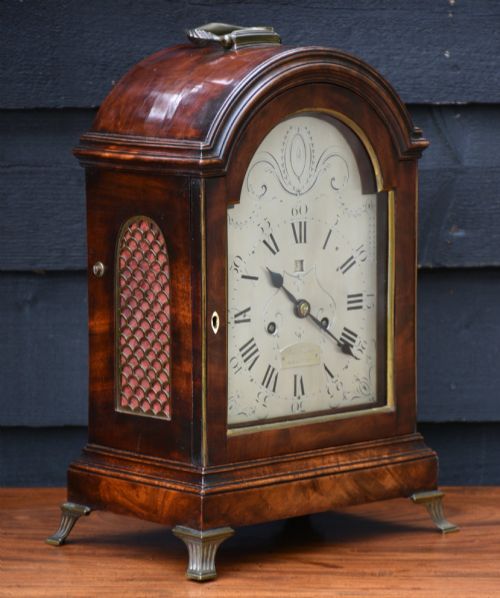
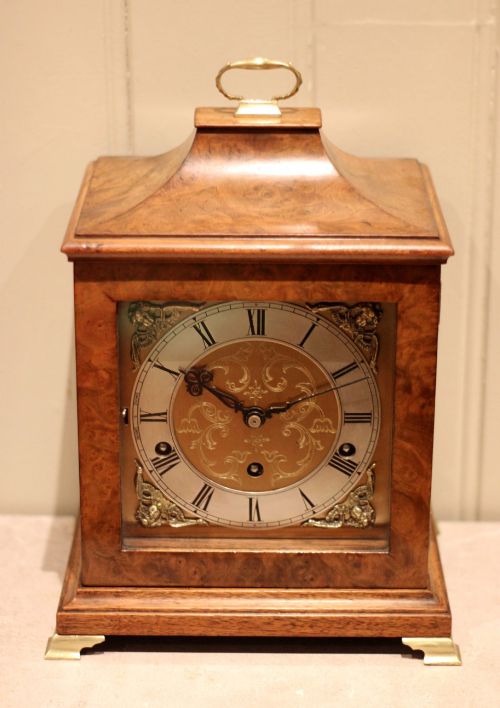
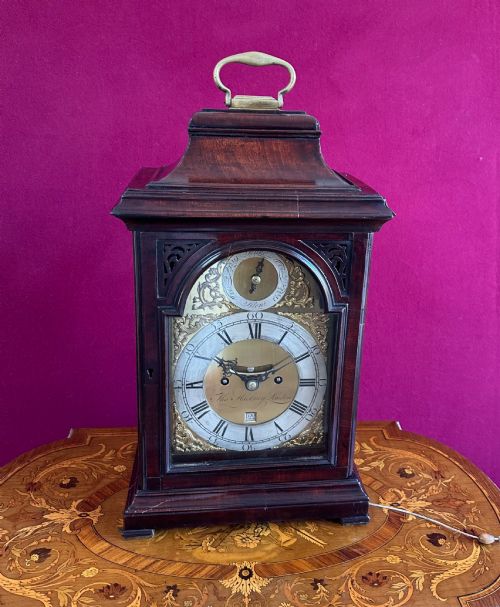
The styles represented across these pieces include Regency, Gothic Revival, late Victorian, and Edwardian designs. Cabinet forms vary from lancet tops and library styles to architectural or architectural-influenced bracket clocks.
Makers and retailers noted in the titles include Wilkinson of Leicester, Winterhalder and Hofmeier, and Leith of London. These items function primarily as mantel or table clocks, merging cabinetmaking with horology.

Materials and construction
The cases utilise dense timbers such as mahogany and oak, providing a stable housing for the movement. Bronze and brass feature prominently in the cast bezels, dial details, and interior plates, while glass protects the dial face.
The internal mechanics rely on steel for springs and arbors, paired with brass wheels and plates. Movements include single fusee and twin double fusee configurations to equalise the power delivered as the mainspring unwinds.
Retail Price Guide 2026
Typical UK retail prices for spring driven bracket clock, calculated from the Sellingantiques database of over a million retail prices indexed since 2003. This retail price guide relies exclusively on Sellingantiques data; no external sources or auction records are used, so the figures do not describe the wider market.
Materials documented across these clocks include mahogany, oak, brass, bronze, glass, and steel.
Distinctions in quality
Quality in these clocks rests upon the precision of the movement and the integrity of the timber case. Finer pieces demonstrate careful hand-finishing in the brass gear trains and crisp carving or polishing on the mahogany or oak cabinetry.
The presence of named makers or established workshops distinguishes standard production items from superior horological examples. Furthermore, complex mechanisms such as twin fusee movements or specialised chiming trains elevate the sophistication of a piece.
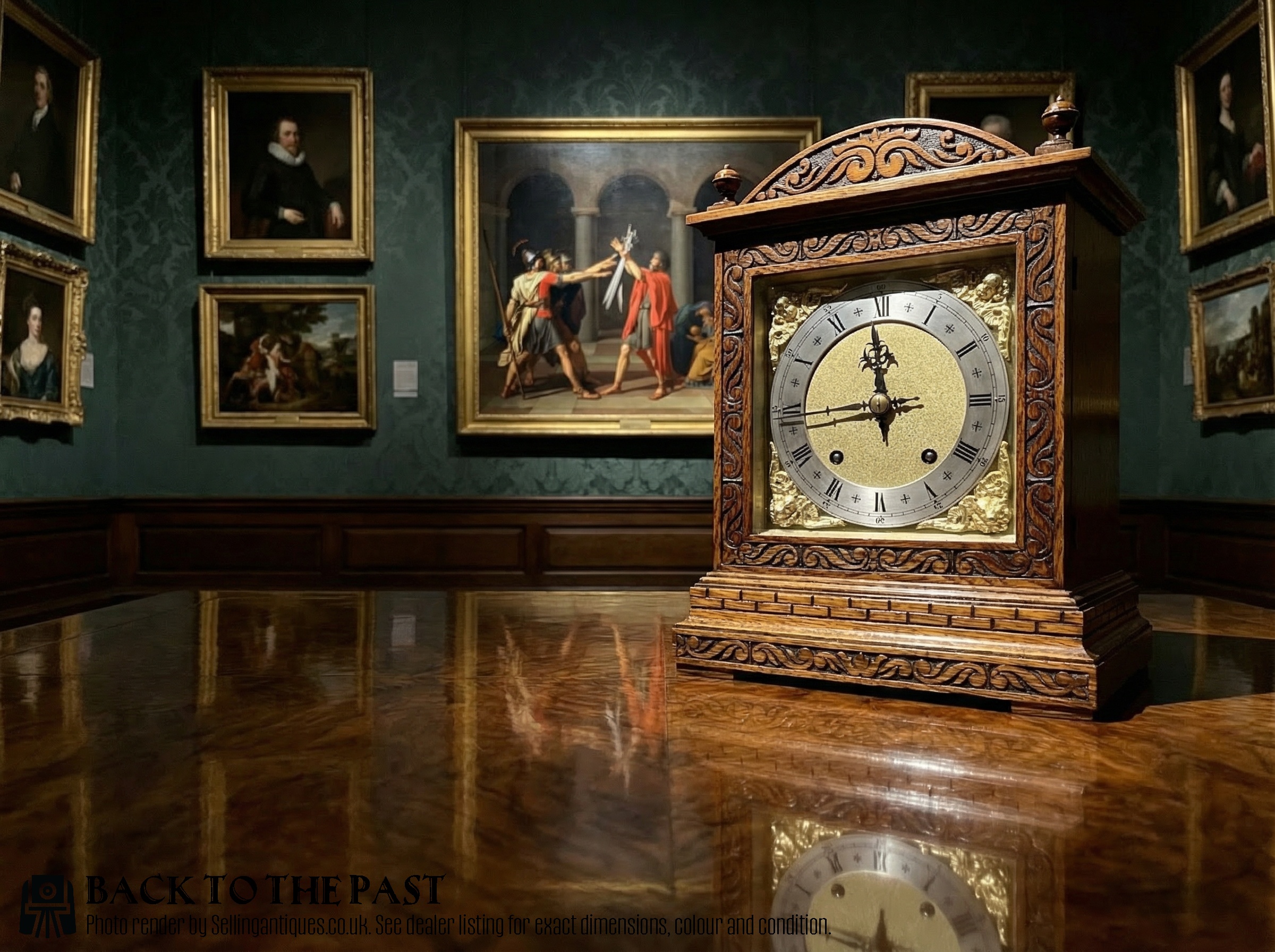
Wilkinson Leicester·Winterhalder and Hofmeier·Leith of London
The Spring Driven Bracket Clock Glossary
- Fusee
- A conical pulley designed to maintain an even pull on the movement as the mainspring unwinds. This device ensures more accurate timekeeping throughout the duration of the wind.
- Bracket clock
- A portable domestic clock historically designed to sit on a wall bracket or a tabletop. Over time, the term became synonymous with larger table or mantel clocks housed in architectural wooden cases.
- Lancet top
- A clock case design featuring a pointed, arched top reminiscent of Gothic architectural lancet windows. This silhouette was particularly popular during the nineteenth century.
- Twin double fusee
- A movement incorporating two fusee cones, typically utilised in clocks that strike the hours or feature chiming mechanisms. It provides equalised power to both the timekeeping and striking trains.
Frequently Asked Questions
What is a spring driven bracket clock?
A spring driven bracket clock is a portable timekeeping device powered by an internal coiled spring rather than hanging weights. These pieces are typically housed in wooden table cases made of mahogany or oak.
They were designed to sit on desks, tables, or specialised wall brackets in domestic rooms, offering both utility and decorative presence.
How do single and twin fusee movements differ?
A single fusee movement uses one conical pulley to regulate the power of the mainspring for the timekeeping train alone. This ensures consistent force as the spring loses tension.
Twin fusee movements add a second cone and gear train to power a striking or chiming mechanism, requiring more complex internal engineering.
Where should I place a bracket clock?
These clocks are suited for stable surfaces such as mantelpieces, heavy sideboards, or dedicated wooden brackets on interior walls. Placement should avoid areas subject to excessive vibrations or direct temperature fluctuations.
Ensuring the surface is level helps the pendulum or balance mechanism maintain an even beat and accurate time.