

Vintage Brass Mounted Table
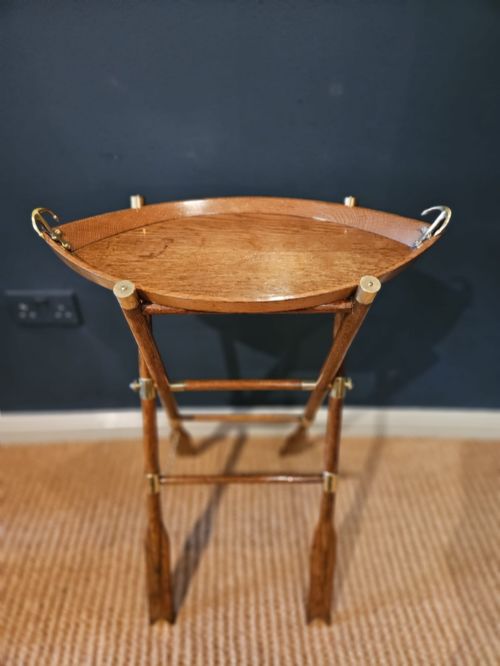
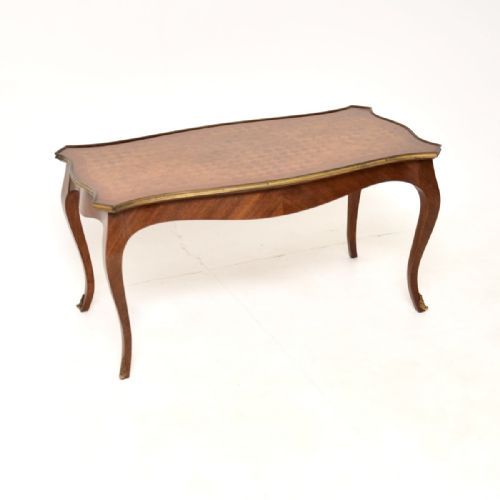
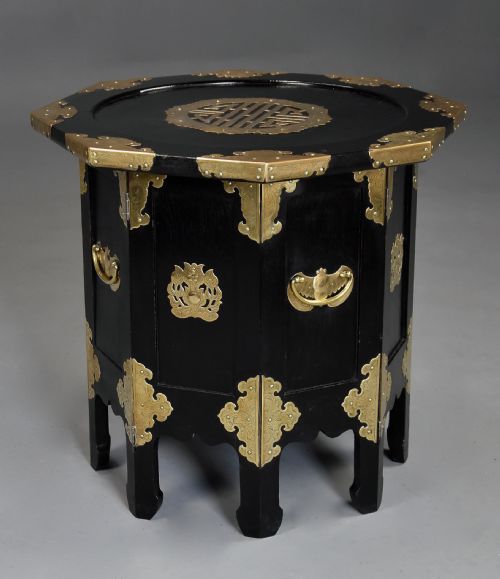
These vintage brass mounted table designs combine fine woods with metal trim, bringing continental proportion and practical surface space into a room.
Vintage Brass Mounted Table
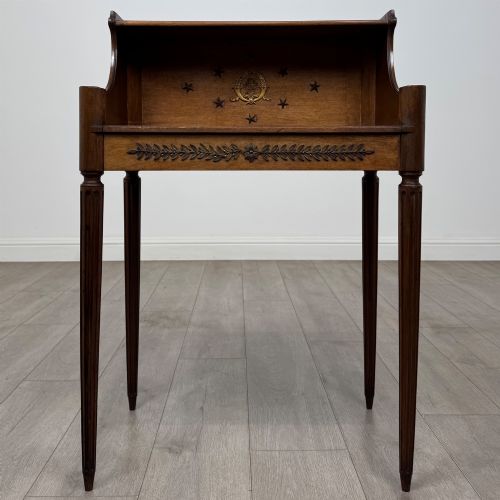
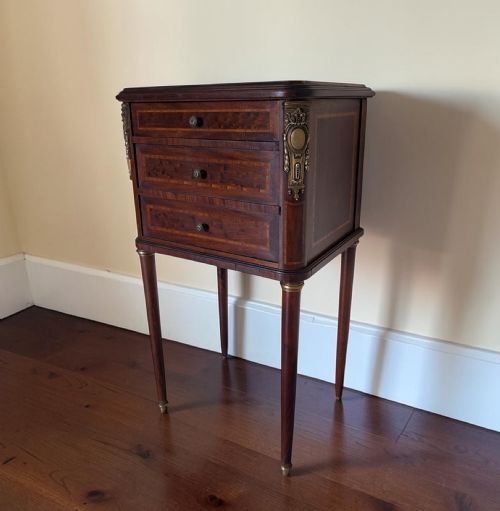
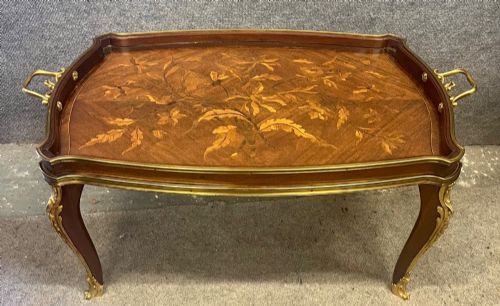
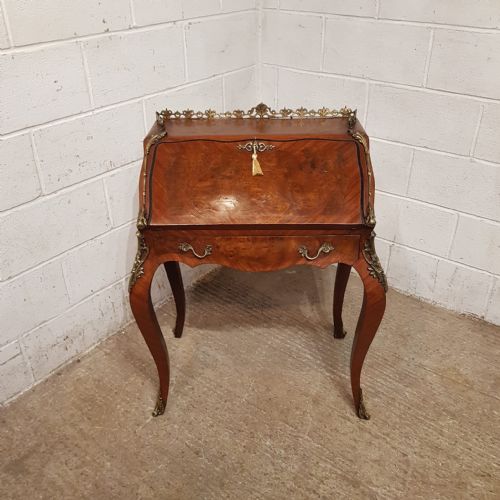
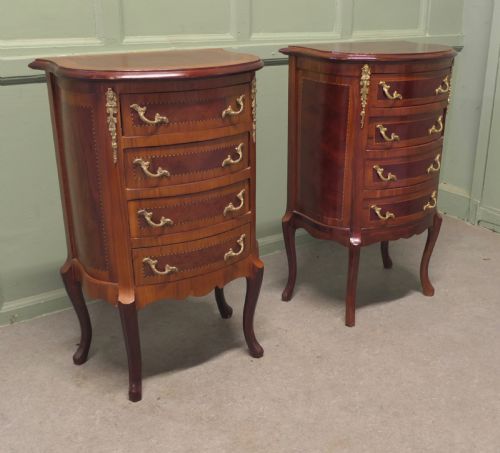
Makers often drew upon Louis XV, Louis XVI, or Empire styles, applying cast brass or ormolu mounts to accent corners, aprons, and legs. Buyers encounter these versatile pieces functioning as low display surfaces, compact bedside storage, or refined writing desks.
The assortment spans from Victorian occasional pieces to Edwardian and later twentieth century iterations. Each example demonstrates how metal fittings provide structural reinforcement alongside visual contrast against dark hardwoods and inlaid marquetry.
Materials and construction methods
Construction relies upon dense cabinet timbers such as mahogany, walnut, kingwood, and satinwood, frequently enhanced by parquetry, veneers, or marquetry patterns. Artisans shaped these foundations into curved cabriole legs or straight tapered supports suited to domestic use.
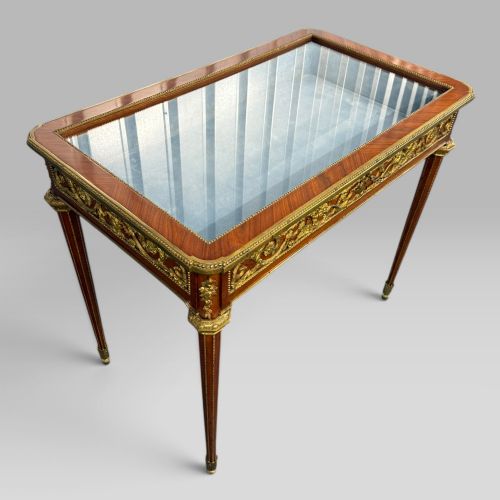
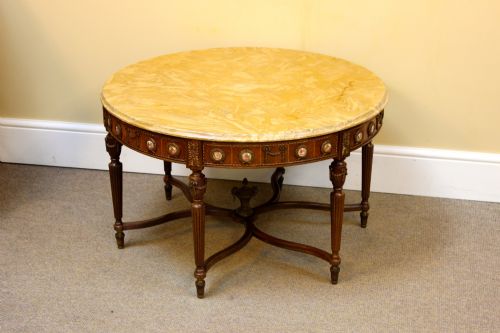
Metal elements consist of cast brass or mercury-gilded ormolu, fixed securely to corners, feet, and drawer fronts to protect vulnerable edges and define the silhouette. Marble tops also appear inset into timber frames, providing durable, cool surfaces for lamps and decorative objects.
Listings feature 19th Century, Edwardian, and 1930 periods alongside materials including brass, mahogany, ormolu, glass, walnut, marble, kingwood, and leather.
Distinguishing finer examples
The refinement of the casting work separates standard production from exceptional pieces, visible in the sharpness of chiselling on brass mounts and ormolu. Finer examples display meticulous hand-chasing after casting, ensuring crisp botanical or scroll motifs that integrate harmoniously with the timber framework.
Cabinetmaking standards determine overall integrity, seen in the tightness of veneer joints, the precision of marquetry inlay, and the weight of the underlying timber. Superior execution involves seamless joins between metal mounts and wood, where fittings follow the exact contours of the piece without gaps.
François Linke·Barber and North of York·Schneckenburger·Thomas Jackson
The Vintage Brass Mounted Table Glossary
- Ormolu
- Gilt bronze ornamentation applied to furniture, clocks, and decorative objects. This technique involves applying a gold amalgam to bronze before heating to drive off the mercury.
- Marquetry
- Decorative veneer work arranged in pictorial or geometric patterns using various coloured woods. Craftsmen cut thin slices of timber to assemble intricate designs across table tops and drawer fronts.
- Parquetry
- Geometric mosaic woodwork forming repeating patterns such as cubes, squares, or chequers. It differs from marquetry through its strict adherence to regular geometric repeats rather than pictorial scenes.
- Kingwood
- A dense, richly figured tropical timber displaying dark violet-brown tones with lighter golden streaks. Cabinetmakers utilised this wood extensively for high-status French and English furniture.
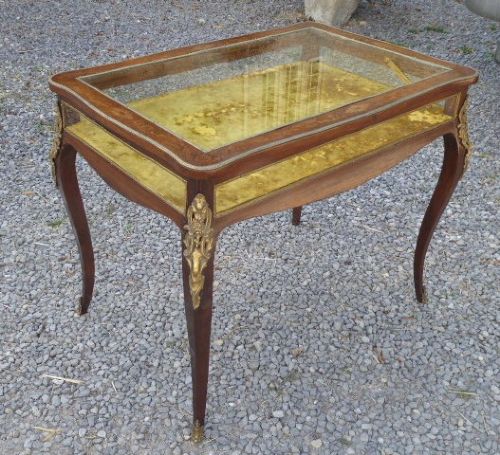
- Bijouterie table
- A glass-topped display table designed to showcase small decorative items, medals, or jewellery. These pieces feature glazed lids and velvet-lined interiors.
Vintage Brass Mounted Table: Frequently Asked Questions
What rooms suit a vintage brass mounted table?
These tables adapt well to sitting rooms, studies, and bedrooms, functioning as compact coffee tables, bedside storage, or writing surfaces. Their mixed media construction allows them to complement both traditional and eclectic modern interiors.
Smaller occasional formats fit easily beside armchairs or sofas to hold lamps and small objects, whilst larger desks and cabinets anchor a room with distinct historical character.
How should I clean marble inset tops?
Marble surfaces require gentle maintenance using warm water and a soft cloth, avoiding acidic cleaners that etch the polished stone. Regular dusting prevents particulate buildup in the natural pores of the material.
For stubborn marks, specialist neutral stone cleaners work safely without dulling the gloss or damaging adjacent wood and brass elements.
How do I distinguish nineteenth century styles?
Nineteenth century pieces often emulate earlier French court aesthetics, particularly Louis XV and Louis XVI designs, through curved cabriole legs or straight fluted supports. Examining the timber substrate, joint construction, and casting technique helps determine the approximate period of manufacture.
Later Edwardian and twentieth century interpretations tend to simplify these classical motifs while retaining the signature brass mounts and rich veneer choices.
Can I use a writing table daily?
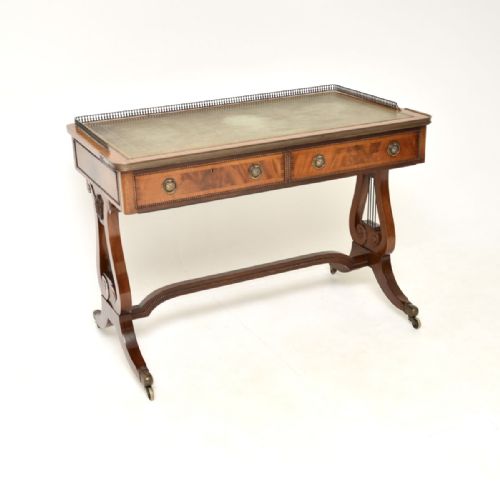
Many surviving writing desks and bureaus remain fully functional for everyday correspondence and laptop use. Ensuring the stability of the legs and protecting leather or timber writing surfaces with appropriate pads preserves their condition.
Regular polishing with appropriate wax maintains the lustre of mahogany or walnut without causing buildup or softening antique finishes.