




Walnut Tray Top Table
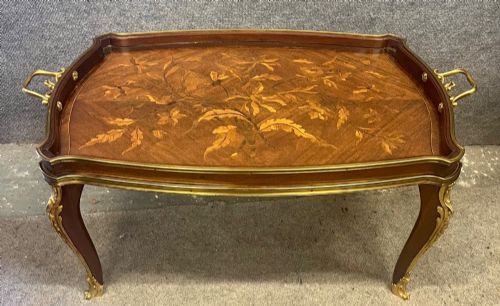
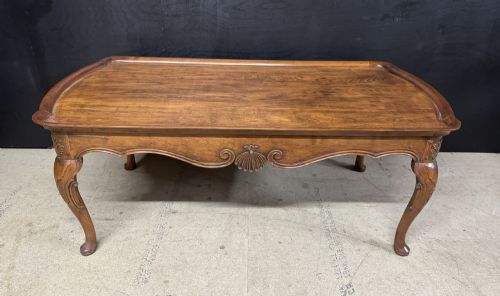
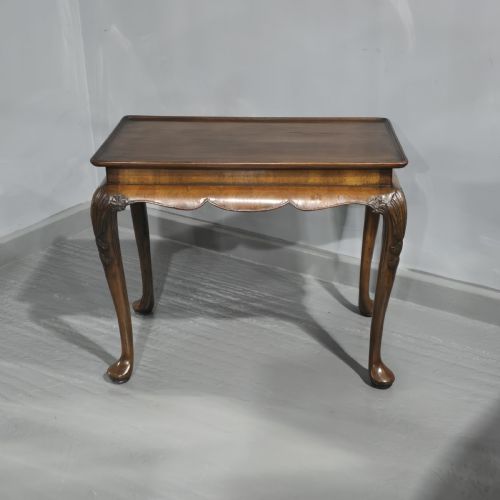
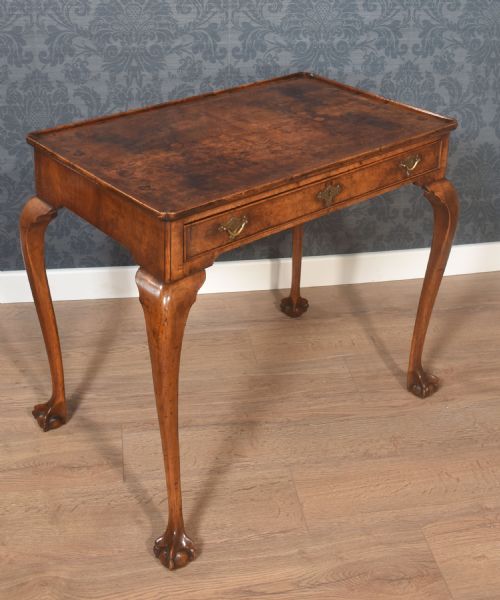
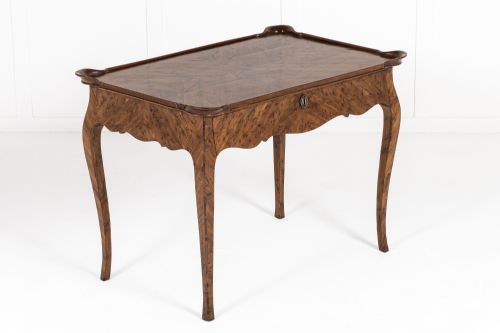
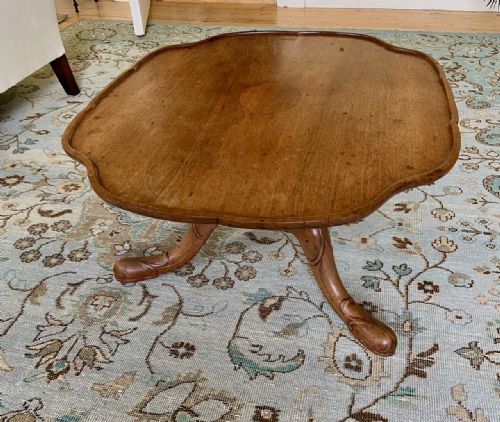
A walnut tray top table pairs a raised gallery rim with rich timber grain, offering a practical surface for display or serving.
Walnut Tray Top Table
A walnut tray top table brings together a raised edge and a functional timber surface, designed to keep items secure whilst offering an appealing display. When you search for a walnut tray top table, you meet a variety of forms including coffee tables, side tables, occasional tables, and bedside tables.
The pieces on this page span several distinct periods, with burr walnut examples frequently appearing alongside 18th century Dutch marquetry and 19th century silver tables. You also encounter revival pieces from the Georgian and Queen Anne styles, reflecting the enduring popularity of these raised-rim designs.
Origins vary across the selection, taking in English workshops, French cabinet makers, and colonial production. Coffee tables and side tables dominate the current offerings, often built with the distinctive raised gallery that gives the form its name.
How they were made
Construction relies heavily on walnut and burr walnut veneers applied to solid wood foundations, sometimes accented with fruitwood, kingwood, or black lacquer. Cabinet makers shaped the timber to form the characteristic raised tray rim, creating a secure border around the tabletop.
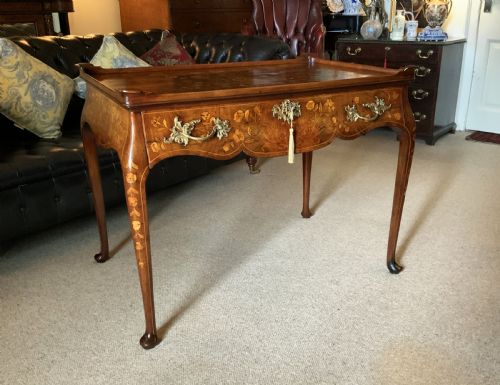
Decorative techniques include intricate floral and bird marquetry, particularly on 18th century Dutch examples, alongside figured grain patterns that highlight the natural beauty of the wood. Metal mounts in ormolu and brass hardware appear on specific revival and display pieces.
Glazed panels feature on silver display tables and drinks cabinets, allowing objects to be viewed from above while protected within the timber frame.
Some tables even include marquetry birds that appear ready to fly off the tabletop.
What varies in quality
The selection of timber grain sets the tone for each piece, with highly figured burr walnut commanding attention for its rich patterning. Plain walnut yields a more restrained appearance, whereas master marquetry work introduces pictorial depth through contrasting woods.
Joinery and edge finishing on the raised tray rim demonstrate the maker's hand, distinguishing refined workshop production from simpler output. The integration of brass and ormolu mounts further separates standard items from more ambitious cabinet work.
Whytock and Reid
The Walnut Tray Top Table Glossary
- Burr walnut
- A prized timber harvested from the irregular growths of walnut trees, displaying intricate swirling grain patterns. It provides a highly decorative surface on tabletops and furniture fronts.
- Tray top
- A tabletop finished with a raised moulded or carved gallery edge resembling a serving tray. This design prevents small items or silver from rolling off.
- Marquetry
- The art of applying thin pieces of wood veneer to a structure to form decorative patterns or pictures. It often incorporates floral and avian motifs in period Dutch furniture.
- Silver table
- A form of occasional table designed for displaying silverware or serving tea. They frequently feature raised gallery tops and glazed or open display areas.
- Ormolu
- Gilt bronze ornamentation applied to furniture and decorative objects. It appears on revival pieces to add metallic contrast to the timber.
Walnut Tray Top Table: Frequently Asked Questions
What is a tray top table?
A tray top table is a piece of furniture featuring a raised rim around the edge of the surface. This raised border was originally designed to prevent cups, glasses, or silver items from sliding off.
Today, these tables serve as versatile coffee tables, side tables, or display surfaces where the gallery adds both a decorative border and practical security.
How do I style a walnut tray top table?
You can style a walnut tray top table by placing it beside seating as a lamp table or using it as a central coffee table. The raised rim naturally frames objects placed upon it.
Keep items proportionate to the surface so the grain and the tray edge remain visible as decorative elements in the room.
Are these tables sturdy enough for daily use?
Most walnut tray top tables are built from solid woods and sturdy veneers designed for regular placement of drinks, books, or decorative items. Burr walnut and solid walnut provide a durable foundation for daily domestic life.
Care should be taken with antique polished finishes, using coasters to protect the timber from moisture and heat.
How do I identify the period of my table?
Identifying the period involves looking at the cabinet making techniques, timber selection, and stylistic revival cues. Pieces referencing Queen Anne or Georgian styles often date from later revival periods in the 19th and early 20th centuries.
Earlier 18th century pieces exhibit hand-cut marquetry and construction methods distinct from later mass-produced or revival workshop furniture.