

French Style Low Table
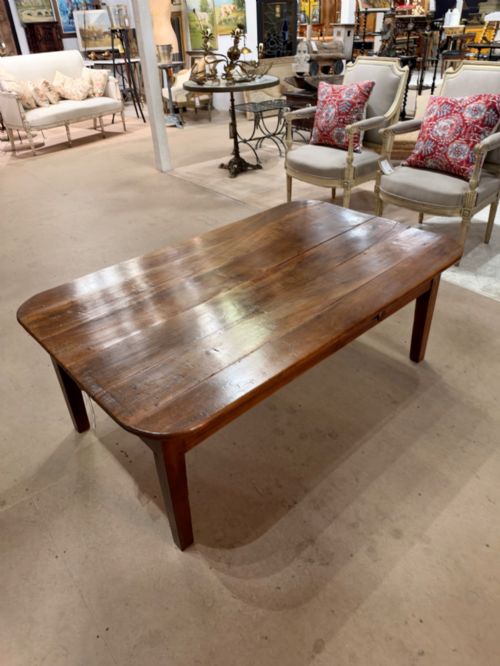
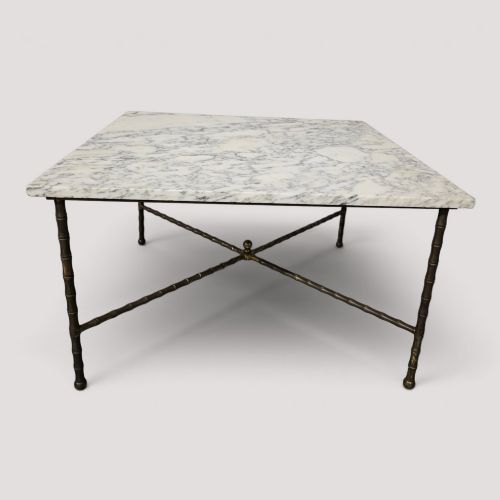
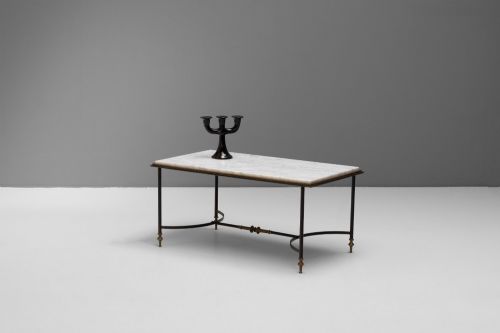
A french style low table brings continental elegance to a room, offering surface space with carved woodwork or marble tops.
How they were made
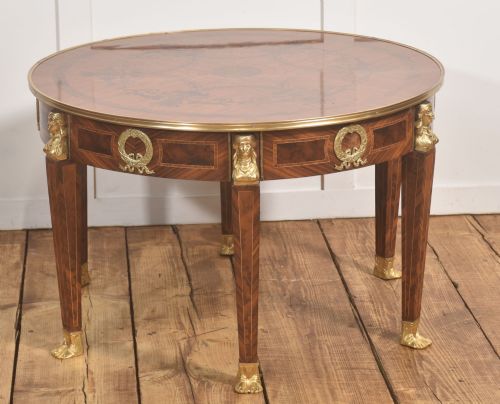
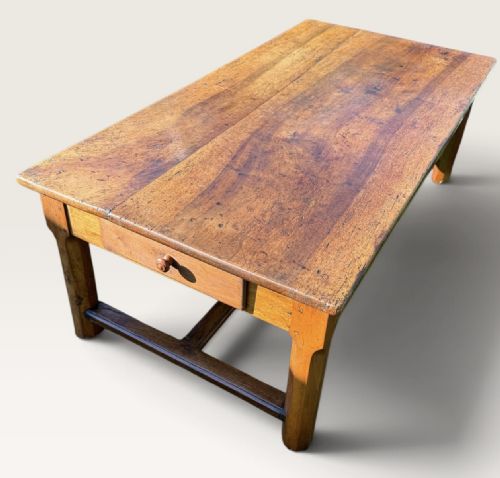
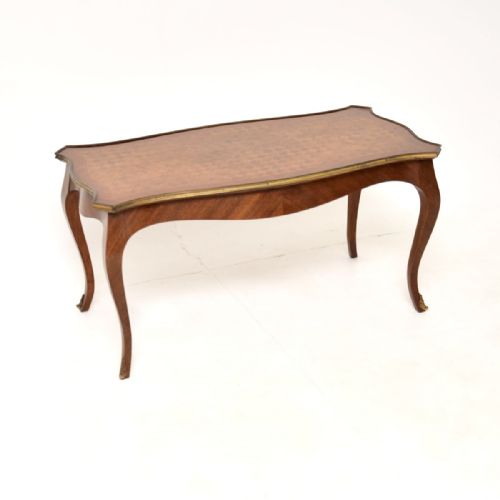
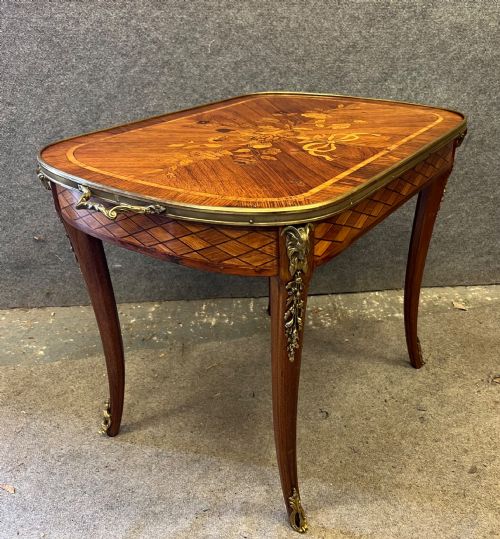
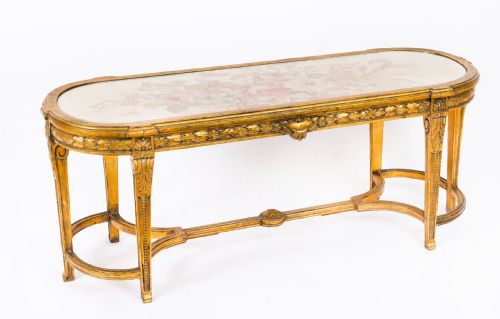
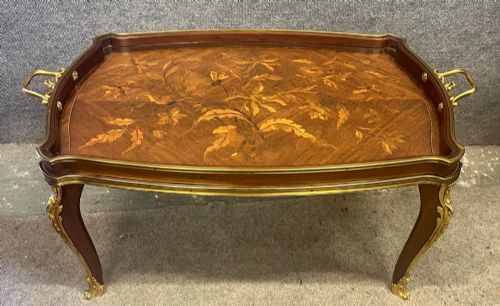
Cabinetmakers utilised timber construction in walnut, mahogany, cherrywood, and satinwood, frequently applying parquetry or marquetry patterns to the surfaces. Giltwood and painted wood finishes provide decorative enrichment.
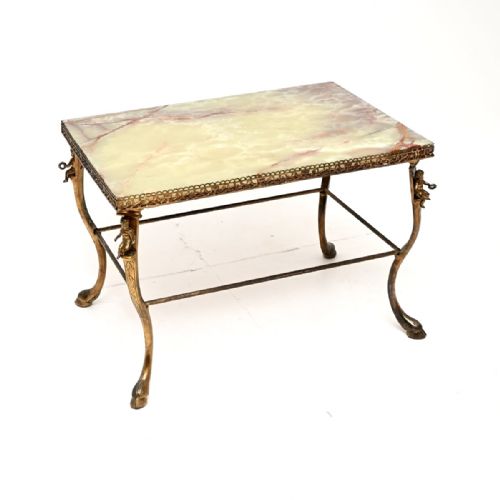
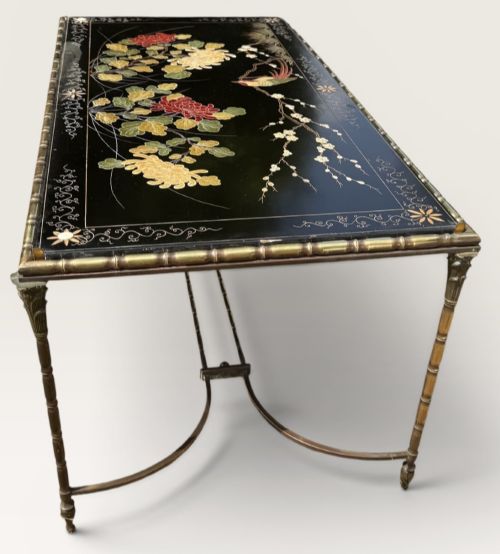
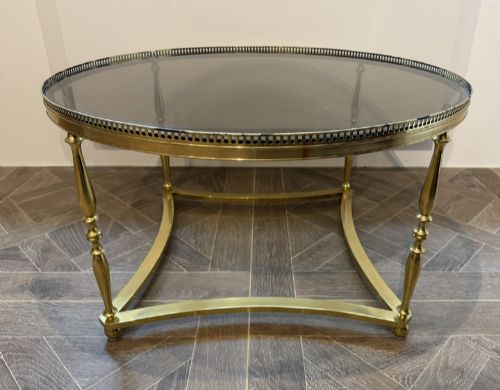
Heavier elements incorporate fitted marble slabs, whilst brass mounts and detailed carved woodwork define the stylistic character of the period.
What varies in quality
Quality rests in the crispness of the carved detail on the wooden frame and the precision of the marquetry or parquetry work. Finer examples display superior timber selection, such as burr walnut or tulipwood, alongside well-fitted marble tops.
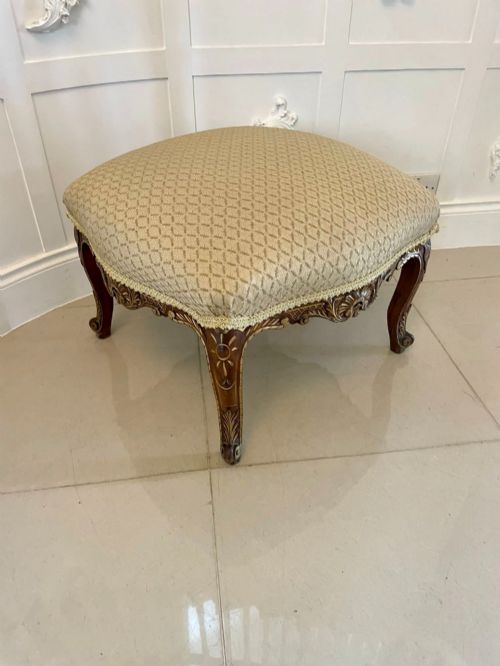
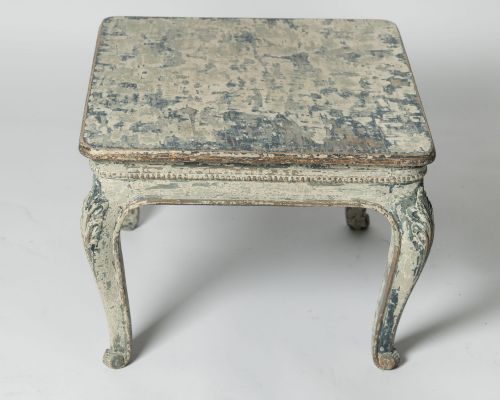
The integration of original brass mounts and the fluidity of the cabriole legs or neoclassical lines distinguish standard production from exceptional pieces.
French Style Low Table Retail Price Guide 2026
Typical asking prices for french style low table among the pieces listed under this phrase on Sellingantiques today, from the lower quarter to the upper quarter. They describe what is for sale here now, not the wider market.
Some window seats double as magazine tables, proving past generations also enjoyed reading near the sofa.
Maison Bagues·Gillows
The French Style Low Table Glossary
- Parquetry
- A geometric mosaic of wood pieces used for decorative surfaces. It creates patterned wooden floors or tabletops.
- Marquetry
- The art of applying pieces of veneer to a structure to form decorative designs. It often depicts floral or pictorial scenes.
- Giltwood
- Wood that has been treated with gold leaf or gold paint. This finish highlights carved ornament on frames and tables.
- Cabriole leg
- A table or chair leg that curves out and then in, resembling an animal's leg. It is characteristic of Louis XV designs.
French Style Low Table: Frequently Asked Questions
What is a french style low table?
These pieces are low-slung surfaces adapted from traditional continental designs, ranging from coffee tables to occasional tables.
They bring historical character and useful surface area to contemporary sitting rooms.
How do I clean a marble top?
Marble surfaces require gentle wiping with a soft, damp cloth to preserve the stone without scratching.
Avoid acidic cleaners that can etch the polished finish over time.
Can I use these tables daily?
Sturdy construction in walnut, mahogany, and fruitwood makes these tables well-suited for everyday living spaces.
Using coasters helps protect polished wood and delicate marquetry finishes from moisture.
How do I identify Louis XV style?
Louis XV style is characterised by curved lines, cabriole legs, and asymmetrical rococo ornamentation.
These designs often feature carved floral motifs and giltwood accents.