




Vintage Brass King Bed
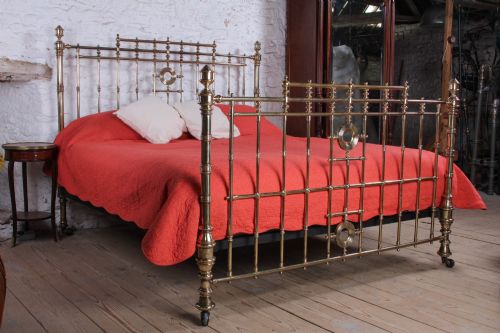
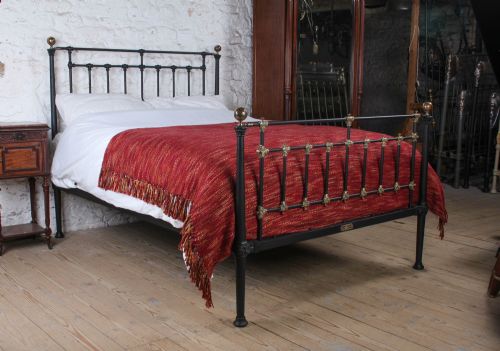
A vintage brass king bed brings substantial nineteenth-century presence and metalwork to a modern bedroom.
Vintage Brass King Bed
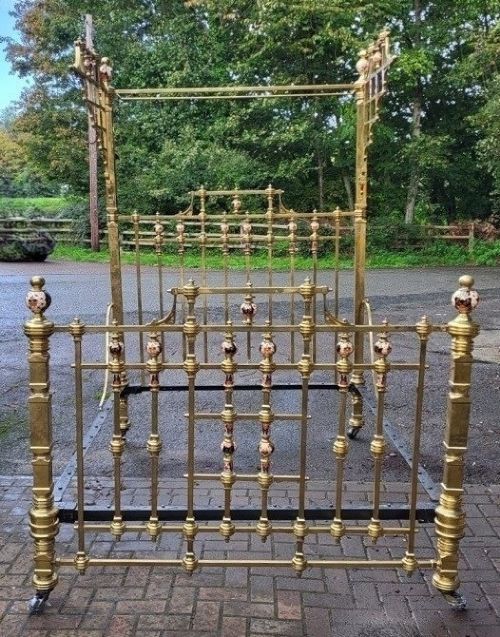
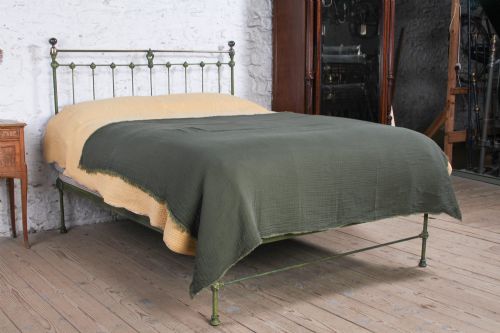
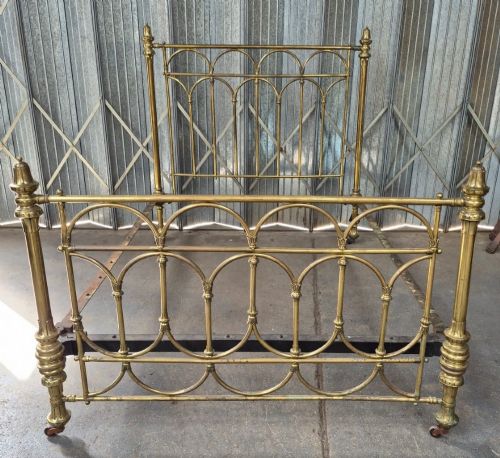
A vintage brass king bed combines generous sleeping proportions with robust metal frames dating from the Victorian and Edwardian periods. Buyers searching for a vintage brass king bed encounter robust frames constructed in the nineteenth and early twentieth centuries, spanning styles from Gothic Revival to French Neoclassical.
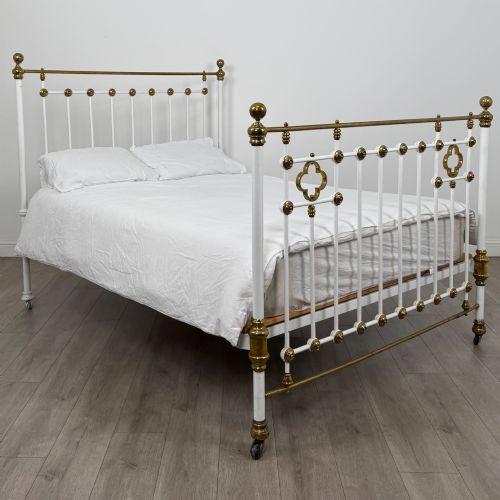
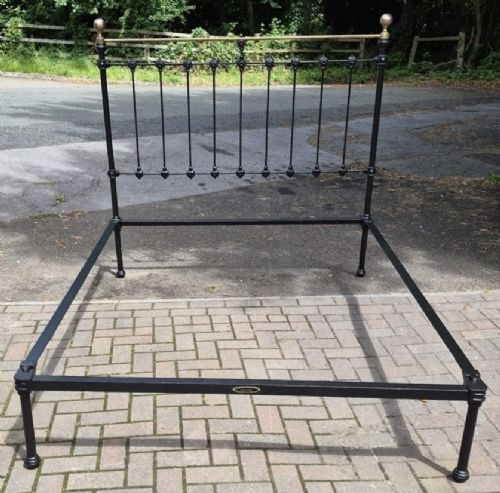
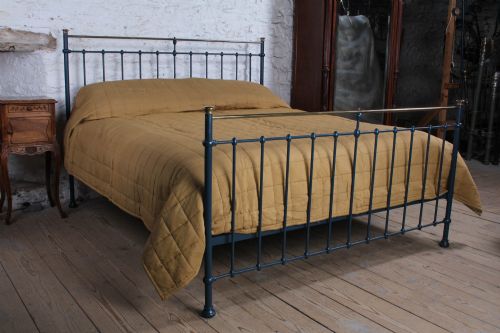
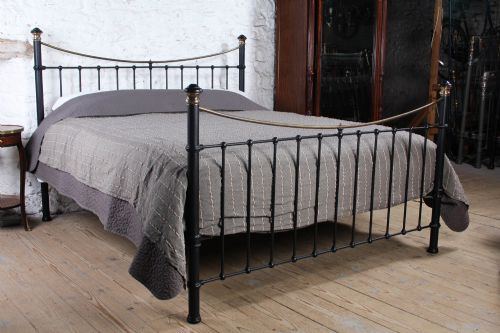
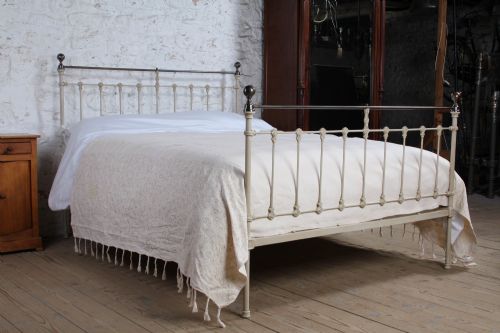
Most examples merge bright metal tubing with sturdy cast iron elements finished in black, cream, or ivory paint. These larger proportions often incorporate low footboards or no-end designs to maintain an open feel in a room.
Originating from British workshops and French makers alike, these grand bedsteads range from simple straight-rail configurations to highly ornate half-tester and tapered-post constructions.
How they were made
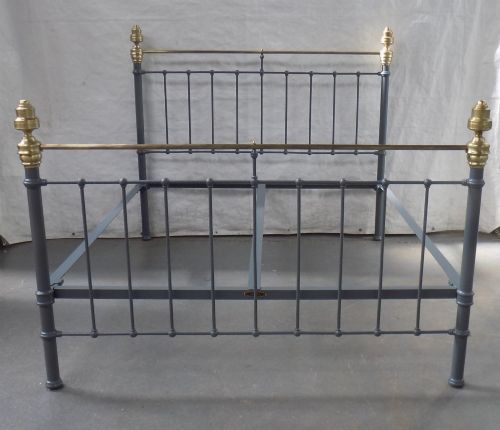
Makers utilised heavy brass tubing alongside structural cast and wrought iron to support the generous king and super king dimensions. Detailed brass castings, spindles, and finials were attached to painted metal frames using robust mechanical joints rather than modern welds.
Surface decoration frequently included ceramic components, painted metal surfaces, and occasionally wooden elements such as mahogany or maple to add contrast to the polished metalwork. Iron frameworks received durable painted finishes in black or neutral tones to protect the metal and complement the gleaming brass components.
Listings feature periods from the 1870s through the Edwardian era, utilising brass, cast iron, wrought iron, and painted metal.
What varies in quality
Quality in these bedsteads rests on the weight and gauge of the brass tubing and the crispness of the decorative castings. Finer pieces display substantial metal thickness, intricate detailing on finials and spindles, and structural integrity that supports modern king-size mattresses securely.
The sophistication of the stylistic details, whether simple aesthetic movement spindles or elaborate Gothic Revival framing, dictates the standing of a piece. Maker signatures from notable firms further distinguish exceptional examples from standard domestic bedsteads of the era.
Winfield·Maple and Co·James Shoolbread and Co·Heals
The Vintage Brass King Bed Glossary
- Half Tester
- A bedstead featuring a partial canopy extending from the wall over the head of the bed. This decorative feature frames the pillow area without enclosing the entire bed.
- Dip Rail
- A top rail on the headboard or footboard that curves downwards in the centre. This configuration lowers the visual profile at the foot of the bed.
- No End Bed
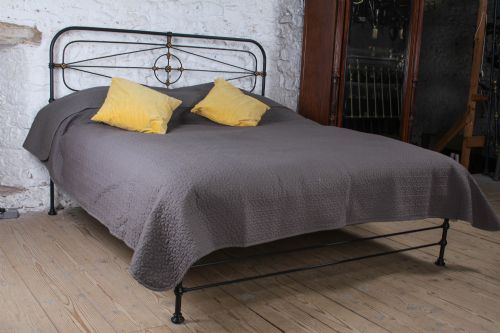
- A bedstead design lacking a high footboard, featuring only a headboard or low end. This layout suits modern rooms by preserving sightlines across the space.
- Castings
- Decorative metal components poured in moulds and fitted to the structural frame. These ornamental nodes often feature floral or geometric motifs.
- Finial
- An ornamental crowning detail attached to the top of bed posts. They provide a decorative termination point for the vertical metal tubing.
Vintage Brass King Bed: Frequently Asked Questions
Will a standard modern mattress fit these beds?
These historical frames were built to nineteenth and early twentieth-century sizing conventions rather than strictly standardised modern dimensions. Some period king and super king frames require careful measurement of the interior rails to ensure a proper fit for contemporary mattresses.
Adapting the internal support slats or adding a suitable base allows these historic frames to host modern mattresses safely without altering the visible exterior structure.
How do I care for the brass and iron?
Maintaining polished metal involves gentle dusting and occasional cleaning with appropriate metal care products designed for lacquered or unlacquered brass. Avoiding abrasive cleaners preserves the historical patina and protects the underlying metal surfaces.
Painted iron sections require only a soft, dry cloth to remove dust, keeping the historic painted or enamelled finish intact over decades of domestic use.
How do I identify a Victorian period bed?
Victorian examples often display heavy cast iron framing combined with substantial brass components, incorporating styles from Gothic Revival to Aesthetic Movement. Distinctive indicators include maker marks, heavy brass gravity castings, and construction methods utilising tapered posts and robust corner brackets.
Edwardian pieces tend to introduce lighter forms, such as dip rails and simpler spindle arrangements, reflecting changing interior tastes around the turn of the twentieth century.
Can these beds be easily dismantled?
Most nineteenth-century metal bedsteads utilise wedge-lock or bolt-together side rail systems designed for straightforward assembly and disassembly. This historical modular construction allows the headboard, footboard, and side rails to separate safely for transport or relocation.
Checking that the original iron keys or bolts move freely ensures the frame can be adjusted and secured properly during setup in a bedroom.