
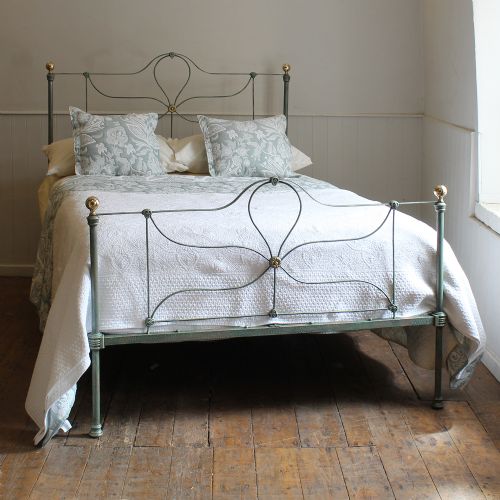
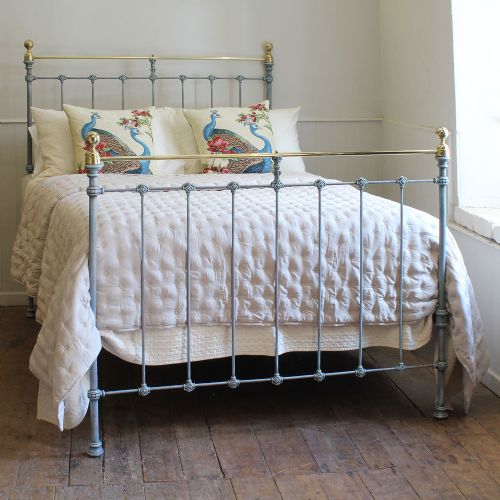
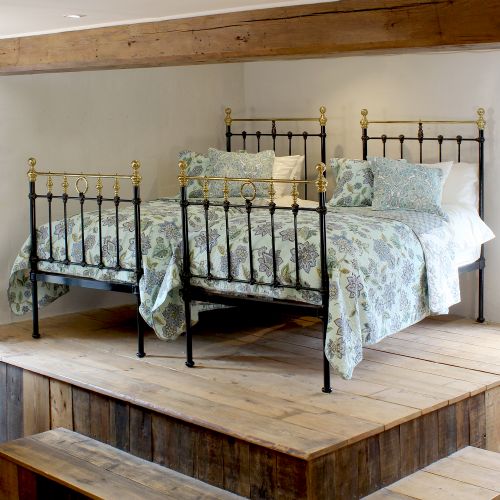
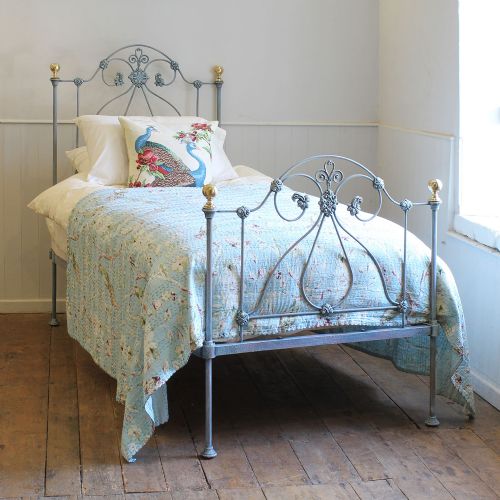

Cast Brass Bedstead
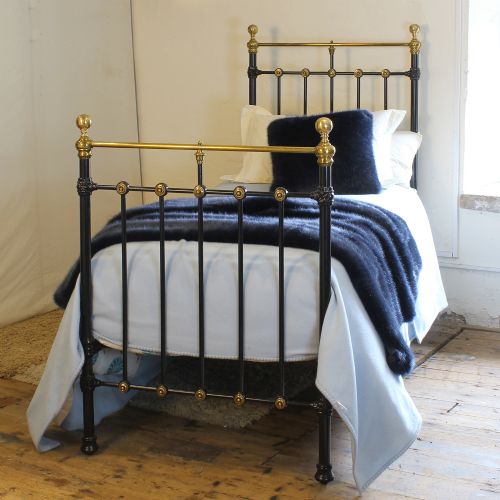
A cast brass bedstead brings substantial weight and warm metalwork to a bedroom, combining sturdy framing with decorative cast elements.
Cast Brass Bedstead
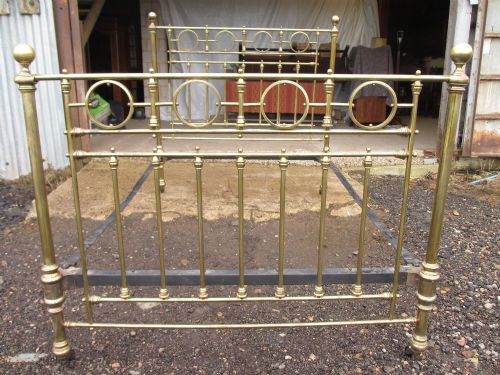
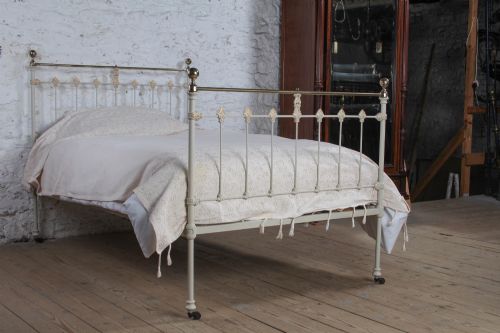
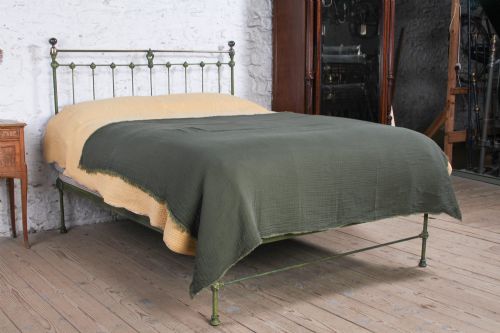
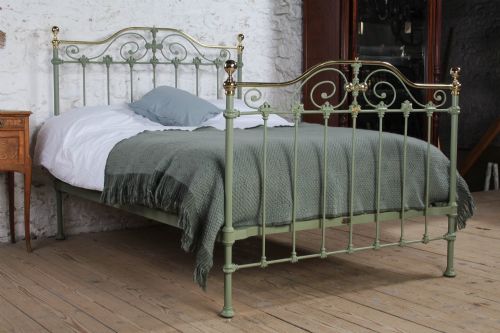
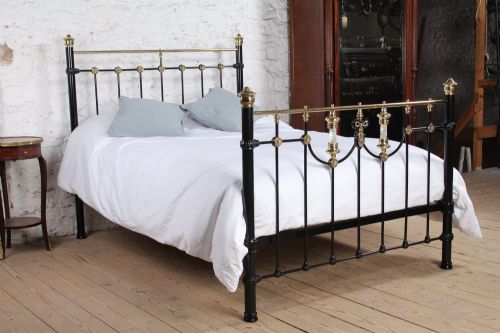
A cast brass bedstead comprises a substantial frame designed to support sleepers while providing a commanding visual centrepiece in a chamber. These pieces emerge predominantly from the Victorian and Edwardian eras, spanning the nineteenth and early twentieth centuries.
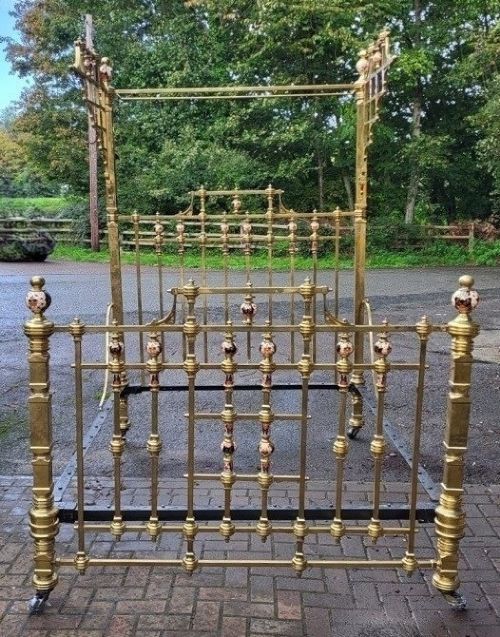
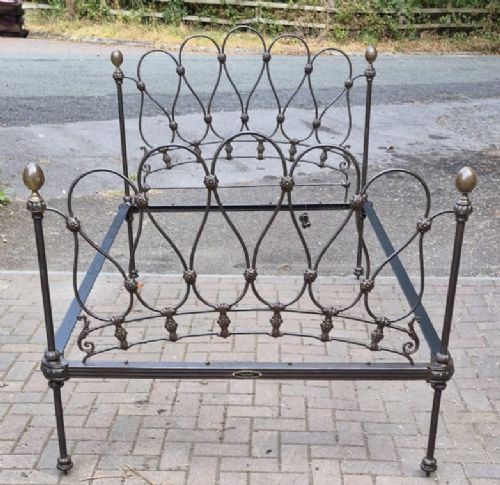
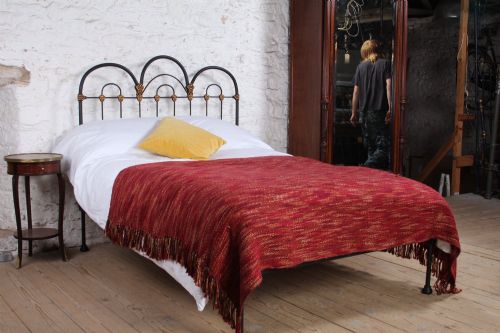
Buyers encounter numerous variations on this page, ranging from full solid brass half tester beds to combination frames pairing brass components with cast iron or wrought iron. Forms extend from single and double sizes up to king and super king dimensions.
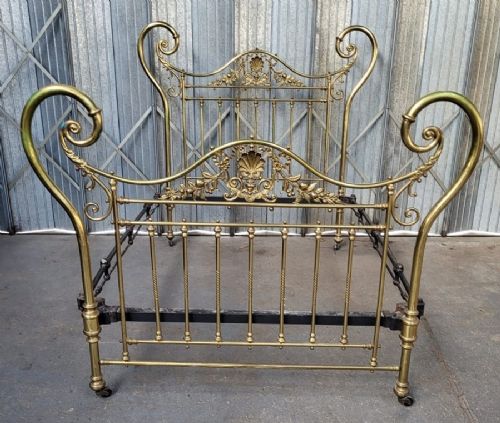
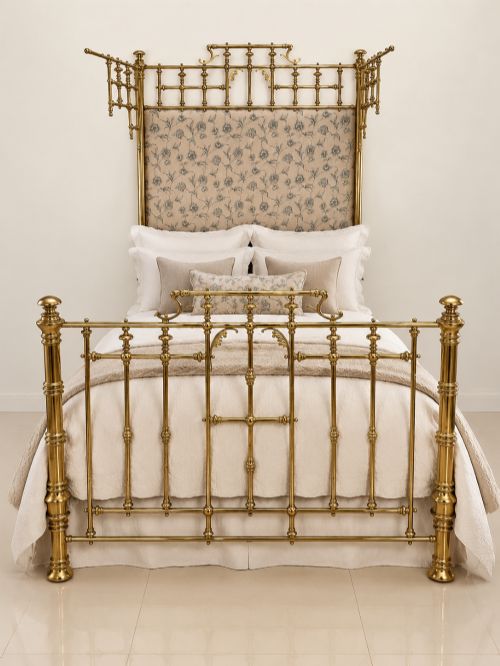
Stylistic expressions vary from restrained classic Victorian profiles to elaborate Aesthetic Movement examples and French Belle Epoque designs. Certain pieces incorporate specific decorative details such as mother of pearl insets or distinctive dip rails.
Factors of quality and execution
The distinction between ordinary production and exhibition quality lies in the crispness of the castings and the weight of the brass tubing utilised. Superior examples display intricate detailing on the corner mounts and headboards without superficial thinning or distortion of the metal.
Structural integrity also dictates merit, where well-engineered slot-in joints and original pot castors remain intact and true. The presence of documented maker marks or integrated half tester canopies elevates the significance of an individual piece.
Cast Brass Bedstead Retail Price Guide 2026
Typical asking prices for cast brass bedstead among the pieces listed under this phrase on Sellingantiques today, from the lower quarter to the upper quarter. They describe what is for sale here now, not the wider market.
The listings demonstrate a strong representation of Victorian and Edwardian periods, frequently combining brass elements with painted iron framing.
Winfield·R W Winfield·RW Winfield
The Cast Brass Bedstead Glossary
- Half tester
- A bedstead featuring a partial canopy extending from the headboard over the upper portion of the bed. This form often supports drapery for insulation and visual presence.
- Castor
- A small wheel mounted on a swivel attached to the base of the bed posts. These wheels permitted the heavy metal frame to shift across floor surfaces.
- Dip rail
- A headboard or footboard top rail shaped with a downward curve toward the centre. This profile softens the rigid geometry of the metal frame.
- Aesthetic Movement
- A nineteenth-century design style emphasising visual beauty over narrative content. Pieces from this movement display stylised ornamentation and refined proportions.
Cast Brass Bedstead: Frequently Asked Questions
How do I assemble a cast brass bedstead?
Most frames utilise slot-in iron side rails that wedge securely into the receiving brackets on the headboard and footboard posts.
Gravity and the weight of the components lock the structure together once assembled, requiring no complex mechanical tools for setup.
Are these beds standard modern sizes?
Nineteenth-century sizing conventions differ from contemporary mattress dimensions, meaning older frames often require custom mattress manufacturing.
Checking the internal width and length measurements against modern standards ensures proper fitting before purchase.
How should I clean a brass and iron frame?
Dusting with a dry microfibre cloth removes everyday debris without disturbing the patination accumulated over decades of existence.
Harsh metal polishes should be avoided unless stripping modern lacquers, as gentle cleaning preserves the historical surface colour.
Did these beds come with bases originally?
Original setups frequently relied on taut canvas hammock bases or woven wire spring inserts suspended within the main iron frame.
Modern users typically drop modern slatted wooden bases inside the side rails to support contemporary mattresses safely.