

Traditional Brass Double Bed
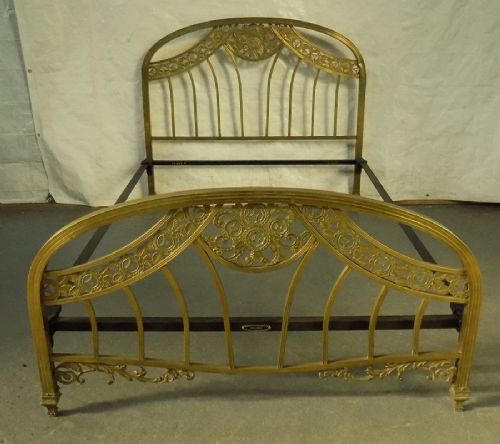
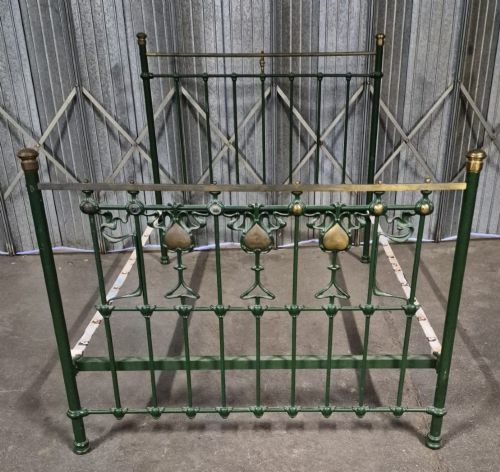
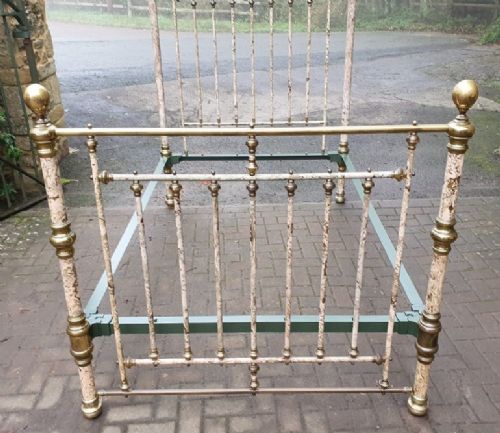
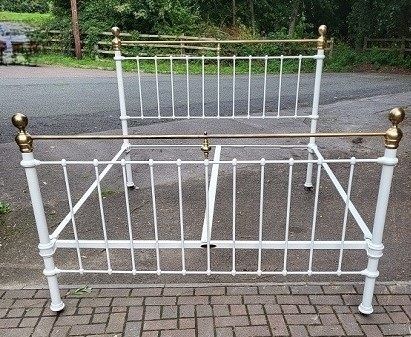
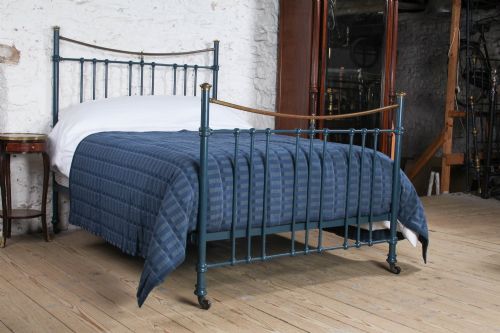
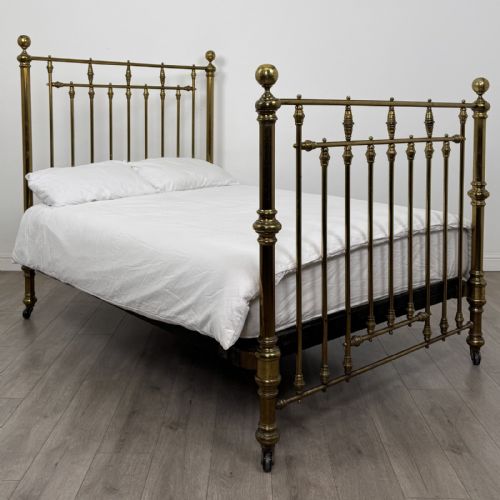
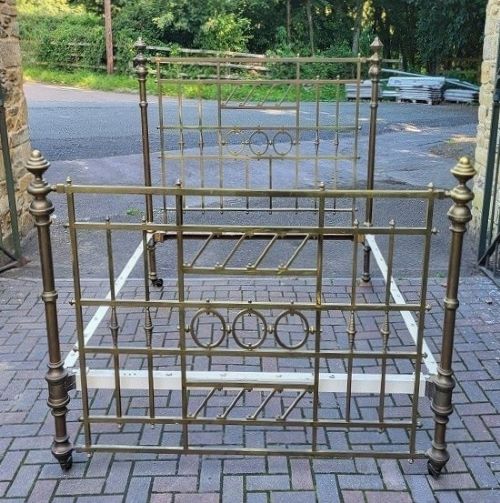
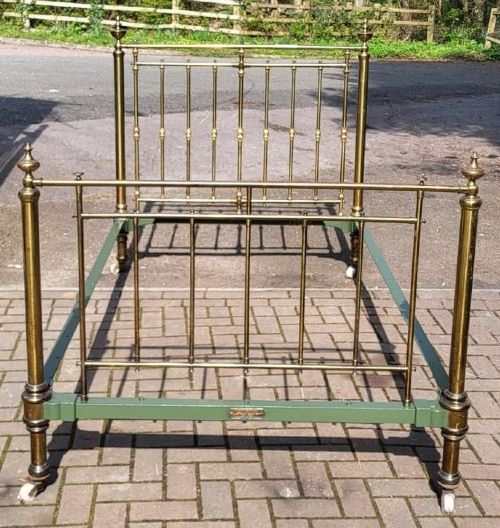
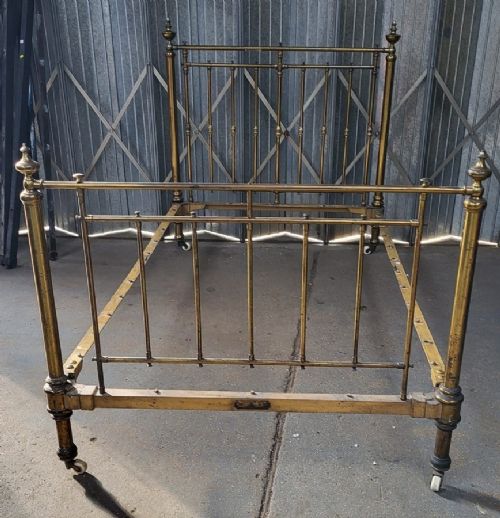
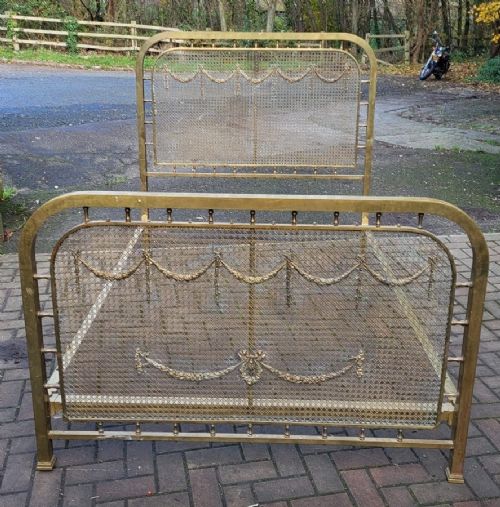
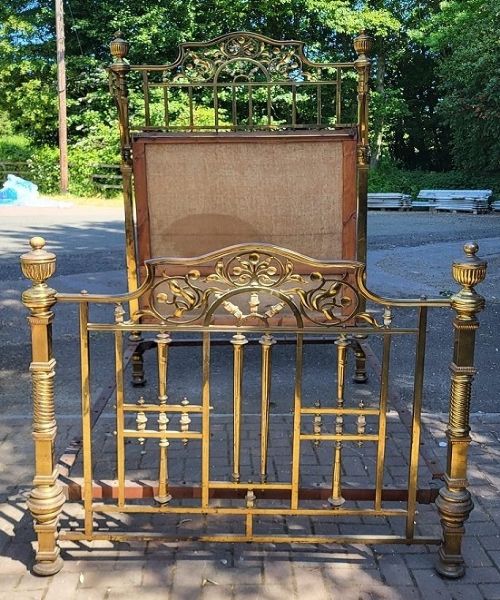
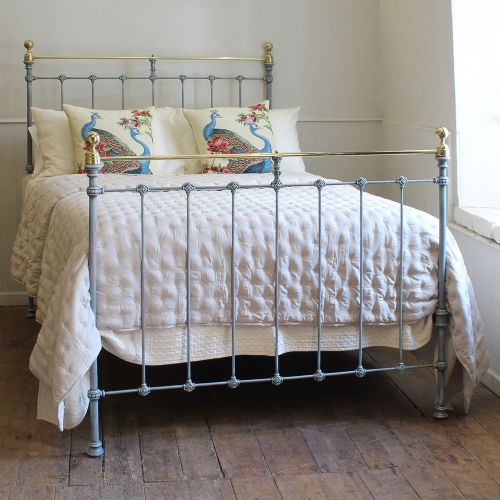
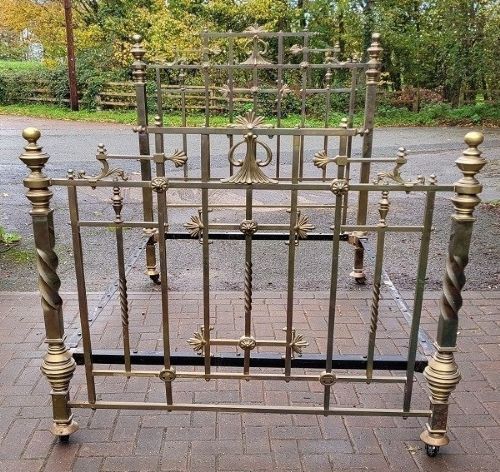
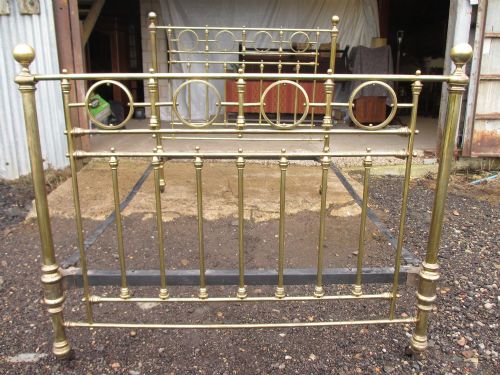
A traditional brass double bed brings weight and warmth to a room, offering the sturdy proportions of the Victorian and Edwardian periods.
Traditional Brass Double Bed
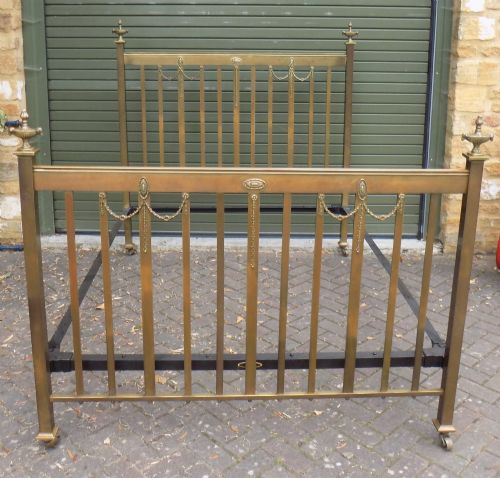
When you search for a traditional brass double bed, you encounter sturdy bedsteads designed to anchor a bedroom with substantial metal framing. These pieces date principally from the Victorian era, alongside examples from around nineteen hundred and the Edwardian period.
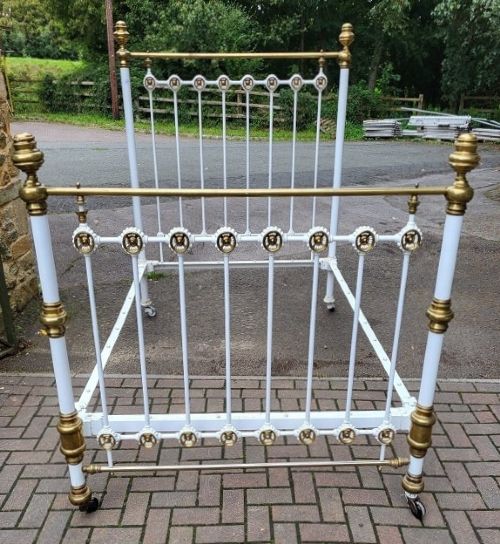
The version you are most likely to meet on this page combines a bright metal framework with iron components, often structured as a double size bedstead. Many incorporate iron slot in frames set on castors, alongside variations featuring half tester designs or straight rails.
Origin styles stretch beyond British workshops to include French provincial and simple French designs, alongside decorative pieces bearing mother of pearl or marquetry detailing. The forms span standard double sizes, small doubles, and occasional king or three quarter queen dimensions.
How they were made
Makers constructed these bedsteads using solid brass and plated tubing combined with cast iron and wrought iron for structural support. Metal components were joined with mechanical fixings, and castors were fitted to iron frames to allow mobility.
Surface enrichment relied on polished brass castings, applied brass detail, and occasionally inset panels of mother of pearl or marquetry. Iron elements were typically painted or blackened to contrast with the polished golden tones of the brass fittings.
Traditional Brass Double Bed Retail Price Guide 2026
Typical asking prices for traditional brass double bed among the pieces listed under this phrase on Sellingantiques today, from the lower quarter to the upper quarter. They describe what is for sale here now, not the wider market.
Several beds incorporate unexpected touches of mother of pearl, proving Victorian designers loved a surprising flash of iridescence.
What varies in quality
The distinction between standard production and exhibition quality pieces lies in the heft of the metalwork and the crispness of the brass castings. Heavier gauge brass tubing and deeply chased or ornate decorative mounts signal higher workshop standards.
Structural integrity and original components dictate the standing of a bedstead. Pieces retaining their original iron side rails, operable castors, and uncompromised structural joints command greater respect than those altered or married with later replacements over time.
RW Winfield·Maple and Co
The Traditional Brass Double Bed Glossary
- Bedstead
- A framework of a bed designed to support springs and a mattress. This term specifically refers to the complete standing structure rather than just the headboard and footboard.
- Half Tester
- A bed featuring a short overhead canopy projecting from the headboard. This configuration provides the presence of a four poster while maintaining an open feel in the room.
- Cast Iron
- A hard, brittle alloy of iron and carbon poured into moulds to form decorative components. It provides heavy structural ballast for the lighter brass elements.
- Castor
- A small wheel mounted on a swivel assembly attached to the base of the legs. These allow the heavy metal frame to be moved across floor surfaces.
Traditional Brass Double Bed: Frequently Asked Questions
Will a traditional brass double bed take a modern mattress?
Most of these historic bedsteads were built to nineteenth century dimensions which can differ slightly from contemporary standard sizes. Checking the internal length and width between the side irons ensures a modern mattress fits securely.
Modern slatted bases or supportive wooden boards can be placed within the original iron frame to accommodate contemporary mattresses safely. This approach preserves the antique frame while providing modern sleeping comfort.
How do I clean polished brass?
Routine maintenance requires only a soft cloth to remove dust and airborne particles from the metal surfaces. Avoid harsh chemical cleaners that strip protective lacquers or accelerate tarnishing.
If polishing is necessary, use a mild, non abrasive metal cleaner formulated specifically for brass. Apply sparingly with a soft cloth and buff gently to restore the golden lustre without wearing down fine details.
How do iron and brass frames come apart?
These bedsteads generally dismantle into four main pieces consisting of the headboard, footboard, and two side irons. The side irons typically slot into tapered wedge brackets on the head and foot posts, locking together under the weight of the structure.
Dismantling requires lifting the side rails upward out of their slots to release the tension. No threaded bolts are usually involved, making assembly and disassembly straightforward for two people.