

Vintage Art Deco Mirror
A vintage art deco mirror delivers geometric clarity and industrial ambition into a room, offering the sharp lines and reflective surfaces that defined interwar design.
Vintage Art Deco Mirror
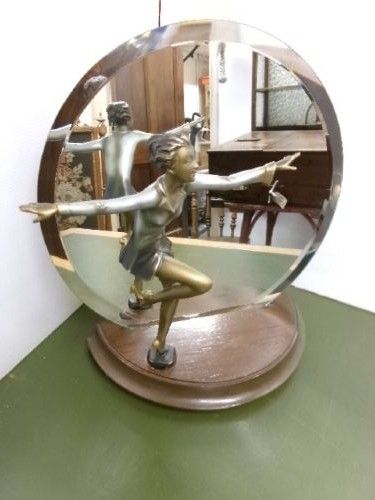
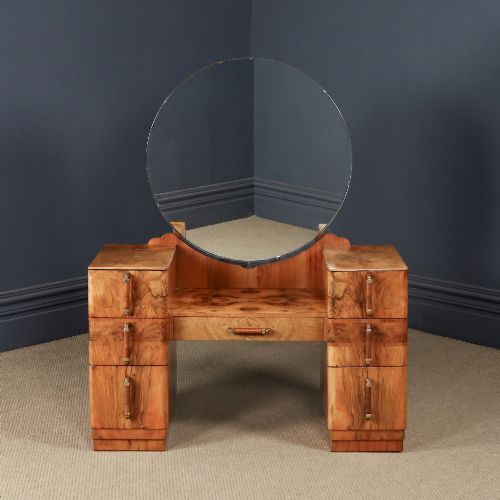
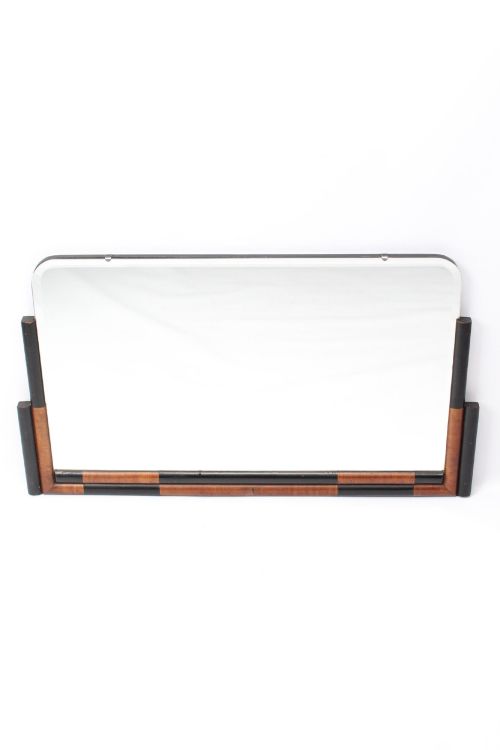
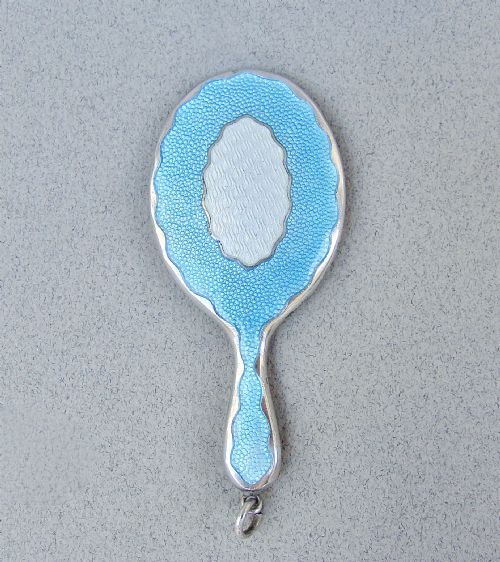
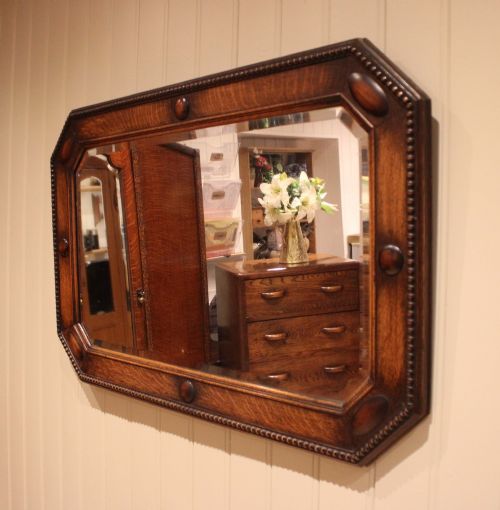
A vintage art deco mirror draws the eye with distinctive geometric framing, stepped silhouettes, and clean planes that emerged from the interwar aesthetic. These pieces span wall-hung designs, vanity dressing glasses, and compact handheld accessories originating predominantly from the nineteen twenties and nineteen thirties.
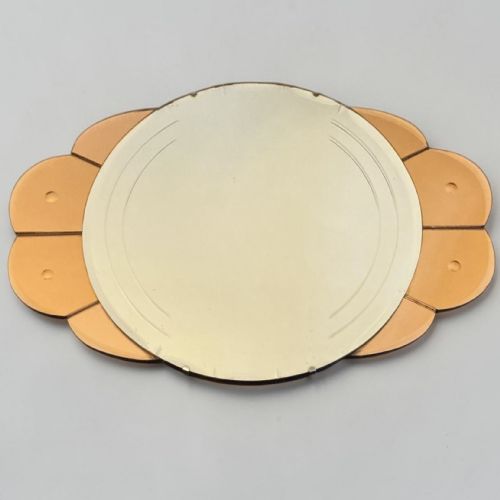
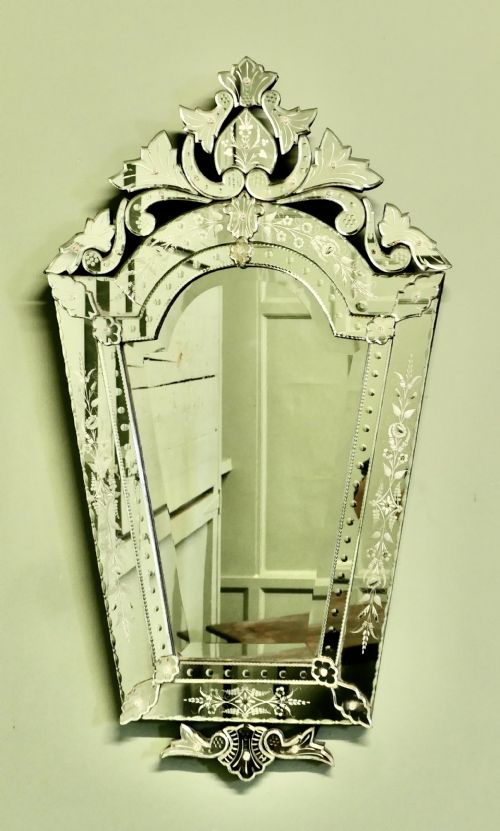
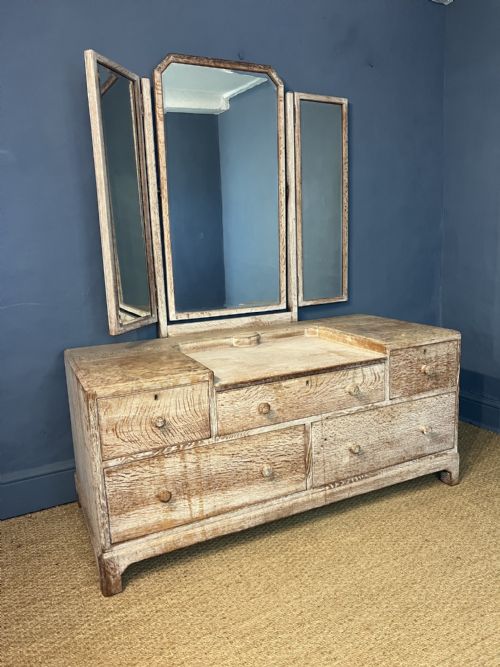
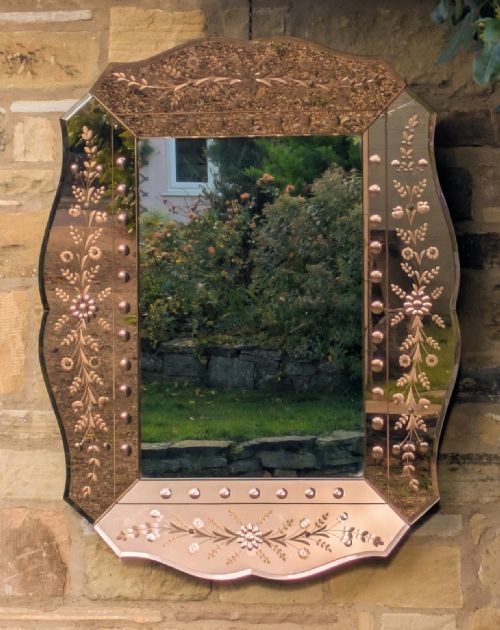
Buyers encounter French, Venetian, and American interpretations alongside British examples, showcasing styles from stark chrome frames to peach-tinted glass panels. The selection ranges from architectural wall mirrors to smaller dressing table pieces integrated with walnut, maple, and brass.
While many date from the nineteen thirties, the broader inventory captures designs from the Edwardian era through to mid-century revivals. The forms rely on contrasting materials and reflective surfaces to catch light and define interior spaces.
Materials and construction
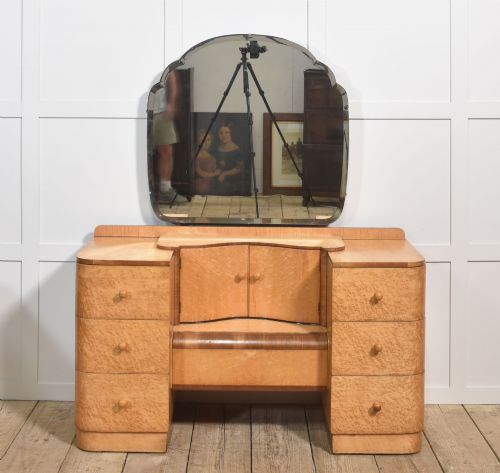
Makers constructed these frames using rich timbers such as walnut, bird's-eye maple, and limed oak, often applying figured veneers to create striking surface patterns. Metal elements incorporate brass, chrome, and silver plating to deliver the characteristic sheen associated with the period.
Listings feature items spanning from eighteen ninety to nineteen fifty, incorporating materials such as alabaster, silver, chrome, and walnut veneer.
Distinguishing quality
Quality rests in the precision of the joinery and the selection of cabinet timbers, where figured walnut or bird's-eye maple veneers display careful book-matching. Superior pieces demonstrate integration between the mirror glass and the supporting wood or metal frame, avoiding crude assembly.
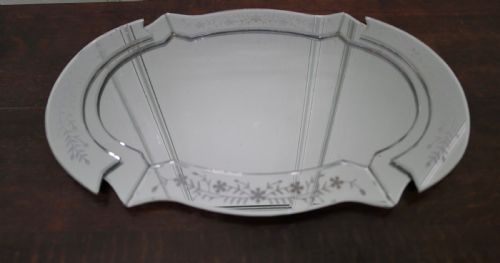
The sophistication of the glasswork dictates the upper tier of the range, marked by complex bevelling, precise etching, and specialised coloured plates such as peach or emerald glass. Maker attribution and original silvering integrity further separate standard production items from distinguished studio workshops.
Maurice Adams·Harry and Lou Epstein·Henry Williamson·Henry Matthews
The Vintage Art Deco Mirror Glossary
- Guilloche enamel
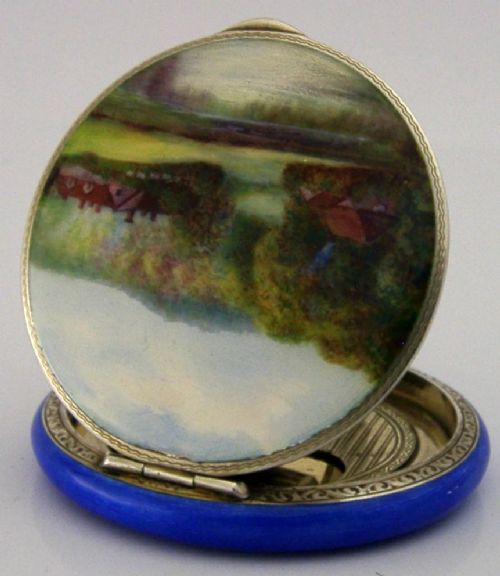
- A decorative technique involving precise mechanical engraving beneath translucent enamel layers, frequently seen on compacts and miniature mirrors from the period.
- Bevelling
- The practice of angling the outer edges of mirror glass to catch light and create depth within the frame.
- Bird's-eye maple
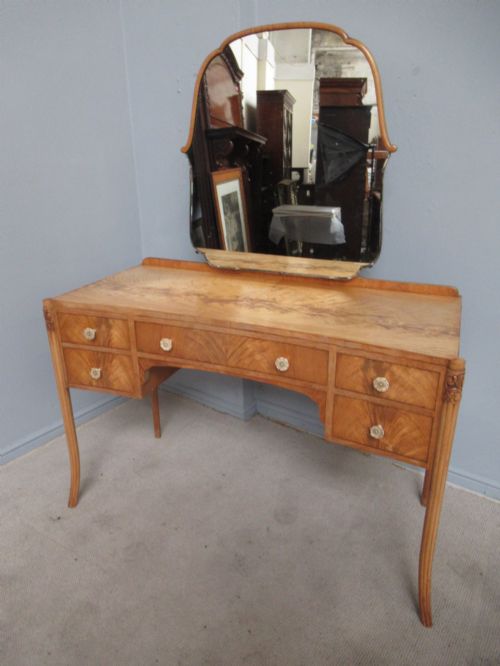
- A distinctive timber featuring small, swirling knots resembling bird eyes, utilised extensively for decorative veneer panels on dressing tables and cabinets.
- Ebonised
- Wood treated with a chemical stain or finish to imitate ebony, providing dark contrast against lighter woods and mirrored surfaces.
- Venetian mirror
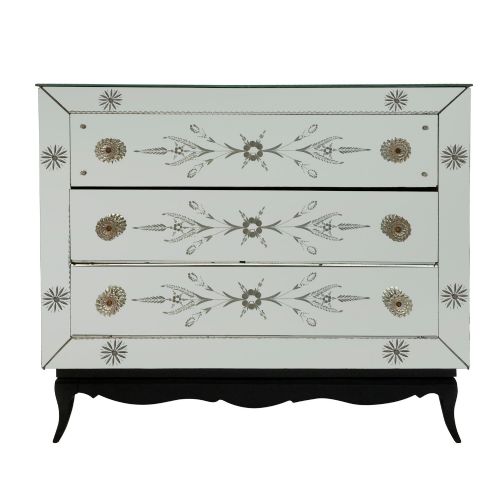
- A style characterised by intricately engraved glass plates assembled over a wooden backing, often featuring floral or geometric motifs across the border.
Vintage Art Deco Mirror: Frequently Asked Questions
How do I identify a true vintage art deco mirror?
Authentic pieces rely on period construction methods, traditional silvering techniques on the glass, and specific material combinations like walnut veneer, chrome, and brass. Examination of the backing boards and screw types helps confirm the age.
Design motifs typically follow strict geometric patterns, stepped forms, or stylized floral arrangements characteristic of the nineteen twenties and nineteen thirties rather than later reproductions.
Where were these mirrors placed in period homes?
Large wall mirrors served as focal points above mantelpieces and in hallways to amplify natural light and space. Smaller vanity and dressing table mirrors found placement in bedrooms atop matching walnut or oak chests.
Hand mirrors and compacts were designed for personal use, carried in purses or displayed on dressing trays alongside matching cosmetic sets.
How should I clean and care for original mirror glass?
Preserving the original silvering requires gentle cleaning methods using soft cloths and mild, non-ammonia cleaning solutions. Avoid harsh chemical sprays that can seep behind the glass plate and damage the backing.
Keep these pieces away from direct moisture and extreme temperature fluctuations to prevent deterioration of the wooden frames and the original mirror coatings.
What distinguishes French art deco mirrors from English examples?
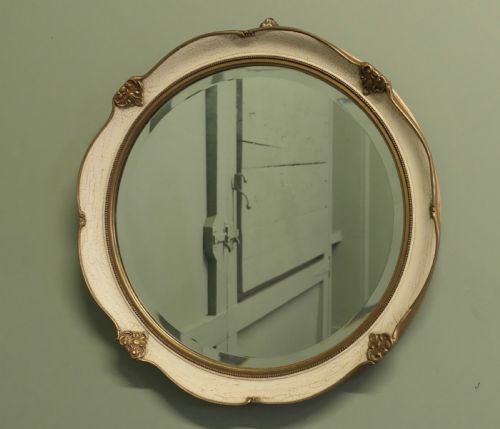
French designs frequently incorporate more decorative elements, such as gilt and cream finishes, etched floral motifs, and dramatic curved or round silhouettes. They often emphasise luxurious materials and artistic flair.
English pieces tend to favour architectural restraint, rectilinear forms, and traditional cabinet timbers like oak and walnut, reflecting the domestic tastes of British workshops.