


Vintage Afghan Carpet
When exploring a vintage afghan carpet, you encounter woven tribal artistry shaped by nomadic traditions from the nineteenth and early twentieth centuries.
Vintage Afghan Carpet
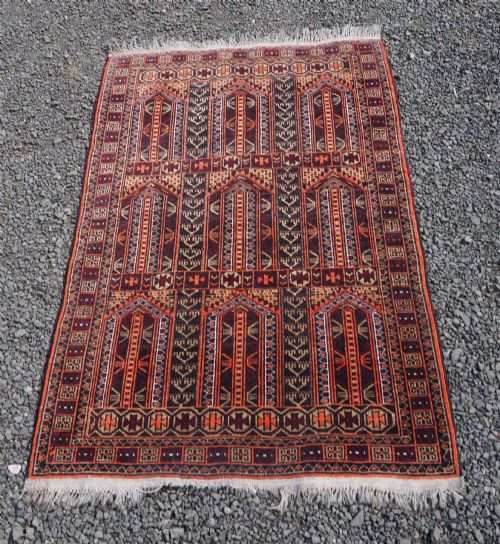
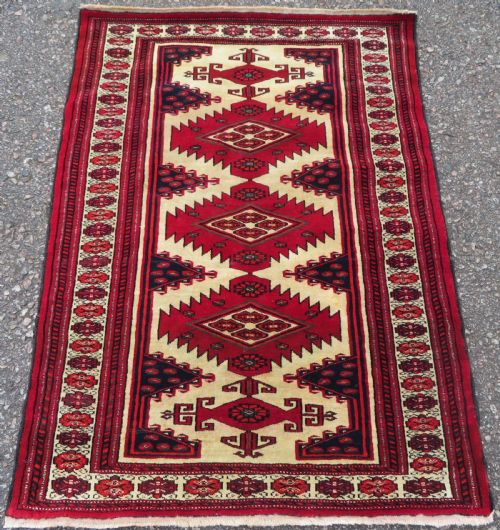
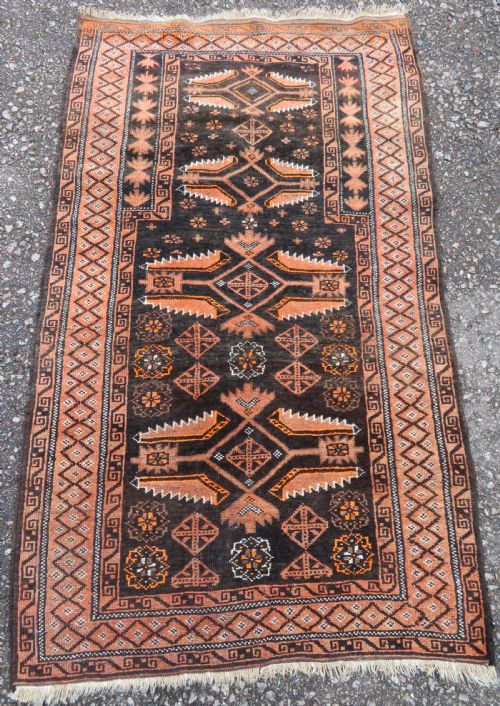
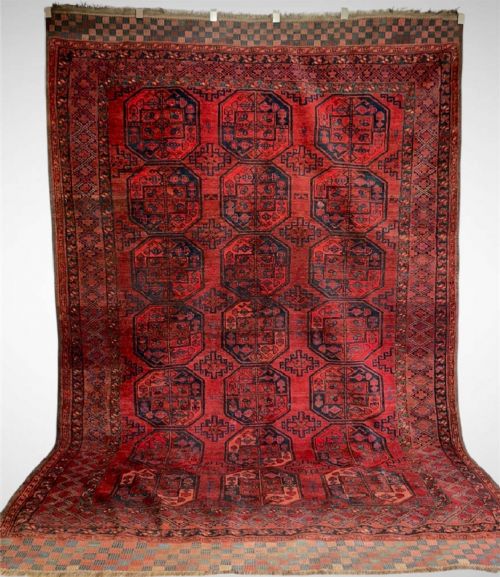
When searching for a vintage afghan carpet, buyers encounter hand-knotted floor coverings and flatweaves originating from tribal and village communities in regions such as Afghanistan, with strong ties to Turkmen, Baluch, and Ersari traditions.
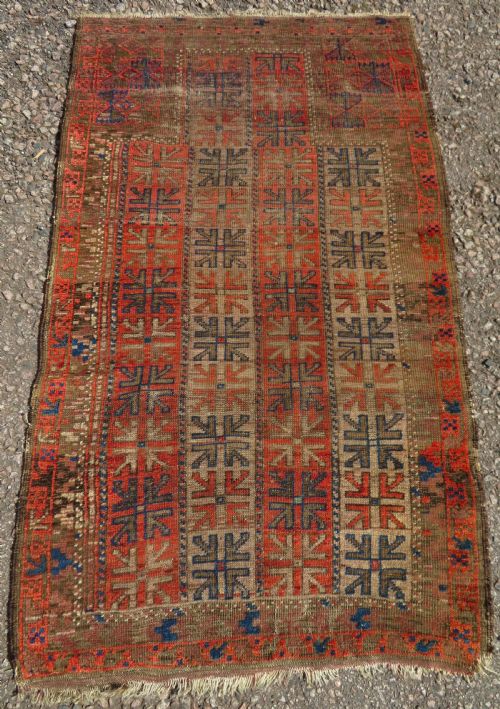
The selection ranges from large main carpets suited for country houses to smaller village rugs, prayer mats featuring mihrabs, and utilitarian items like Sofreh eating cloths.
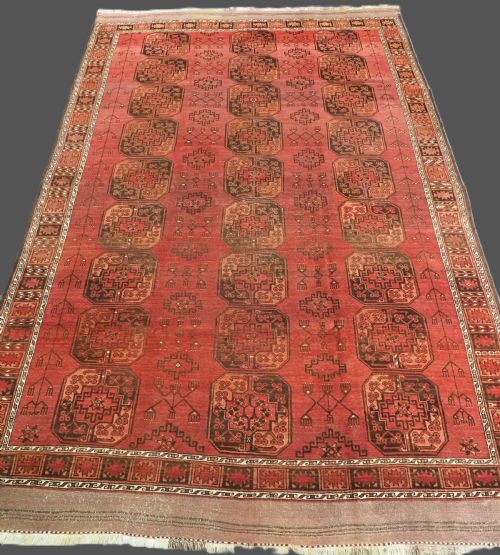
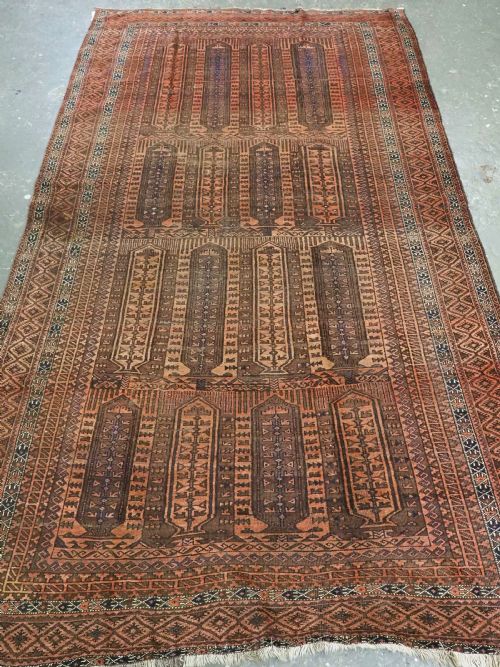
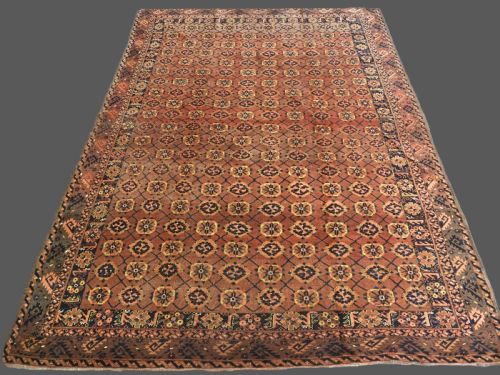
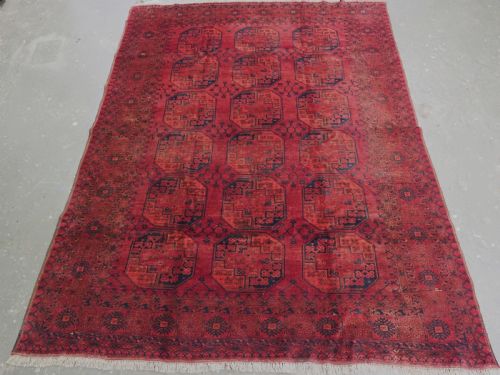
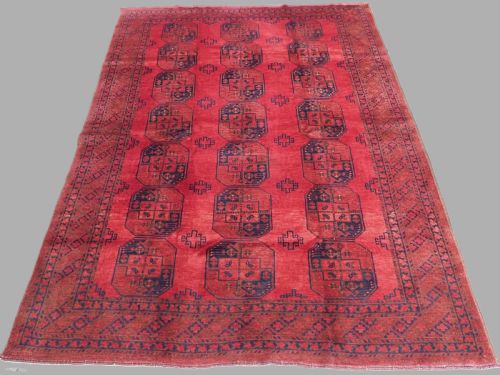
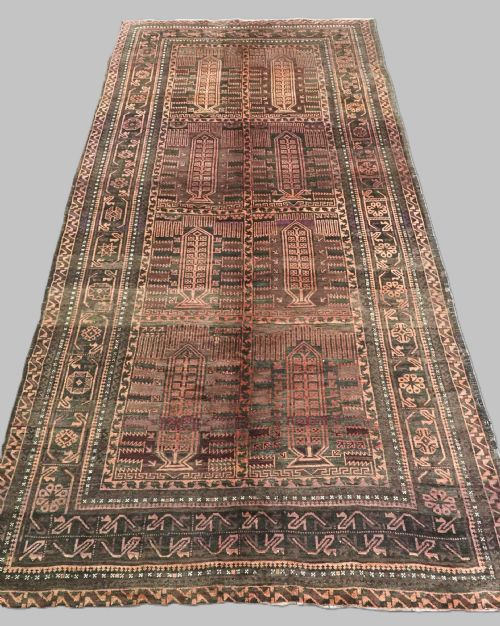
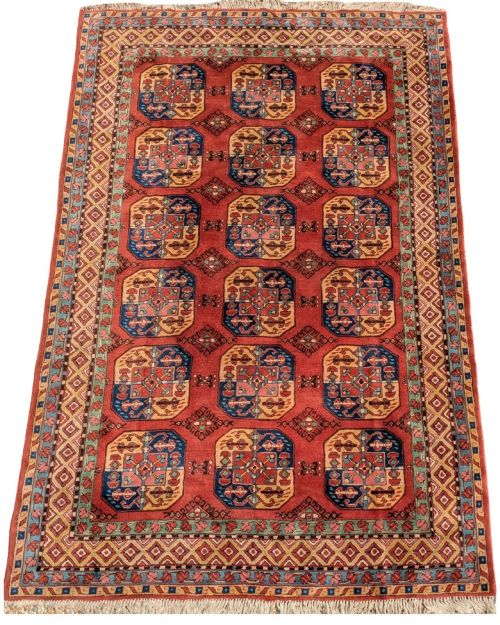
Most pieces seen here date from the late nineteenth century up through the nineteen-thirties, showcasing traditional patterns including classic guls, rams horn motifs, and pencil box designs.
How They Were Made
Weavers relied principally on wool, hand-spun wool, and occasional camel wool or goat hair for the pile and foundation, sometimes pairing these with cotton warps.
Natural dyes imparted the characteristic warm red and old gold colour palettes seen across these village and tribal textiles.
Construction methods involved hand-weaving techniques, incorporating piled knots alongside flatweave kilim ends and bands of weftwork.
Vintage Afghan Carpet Retail Price Guide 2026
Typical asking prices for vintage afghan carpet among the pieces listed under this phrase on Sellingantiques today, from the lower quarter to the upper quarter. They describe what is for sale here now, not the wider market.
Object types recorded include area rugs, runners, flatweaves, and large main carpets from Turkmen and Baluch traditions.
What Varies in Quality
The standard of a piece is determined by the fineness of the knotting and the integrity of the materials, where hand-spun wool and durable foundations ensure longevity under heavy foot traffic.
Design execution separates ordinary items from superior examples, with crisply rendered tribal motifs like guls or kalam donneh indicating skilled regional craftsmanship.
The nuance of the dye work and the subtlety of the faded patina acquired over decades contribute significantly to the visual character of the textile.
The Vintage Afghan Carpet Glossary
- Gul
- A medallion motif frequently repeated across Turkmen and Ersari carpets. This octagonal design serves as a traditional tribal emblem.
- Mihrab
- A niche design symbolising the prayer hall, commonly found on prayer rugs. It directs the placement of the rug during devotion.
- Kilim
- A flatweave textile produced without a pile by tightly interweaving warp and weft strands. These often form protective ends on piled carpets.
- Sofreh
- A spreading cloth used for sharing meals or kneading bread within nomadic households. These woven items double as compact tribal rugs.
- Kalam Donneh
- A specific decorative motif seen on Baluch carpets. It resembles a stylised leaf or seed pod shape.
Vintage Afghan Carpet: Frequently Asked Questions
Where were these carpets made?
These textiles originate from various tribal and village communities across Afghanistan and neighbouring regions, woven by groups such as the Ersari, Baluch, and Turkmen.
Production centres included northern and western areas, where nomadic traditions heavily influenced local designs and techniques.
How do I care for a wool rug?
Regular gentle vacuuming without a beater bar helps remove trapped dust from the wool pile. Professional cleaning suited for antique textiles preserves the natural dyes and fibres.
Keep the rug out of direct, harsh sunlight to prevent the warm reds and golds from fading unevenly over the years.
What is a prayer rug?
A prayer rug is a smaller format textile featuring a distinctive architectural arch or mihrab design at one end. Historically, this indicated the direction of prayer for the user.
Their compact size made them portable for daily religious observances among nomadic and village weavers.
How do I date an old carpet?
Dating relies on examining structural characteristics, wool preparation, and the specific natural dye palette used by the weaver. Certain pieces also carry woven dates in the Islamic calendar.
Stylistic markers, such as specific tribal guls or structural wear patterns, help place pieces within the late nineteenth or early twentieth centuries.