

Victorian Walnut Drawers
Victorian walnut drawers bring warm figuring and sturdy nineteenth-century utility into domestic rooms, making them enduring favourites for storage.
Victorian Walnut Drawers
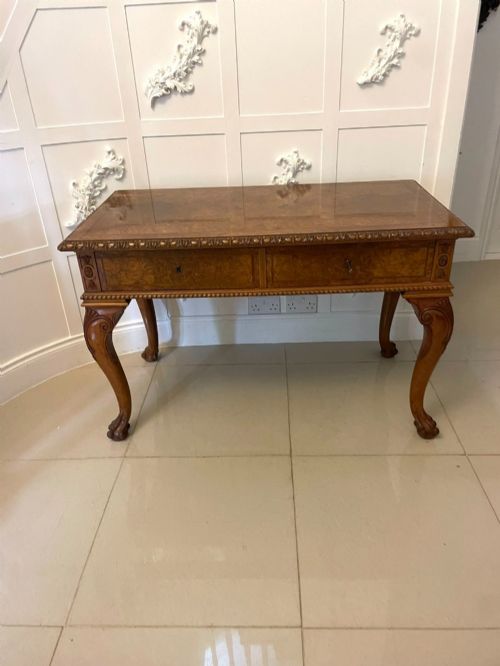
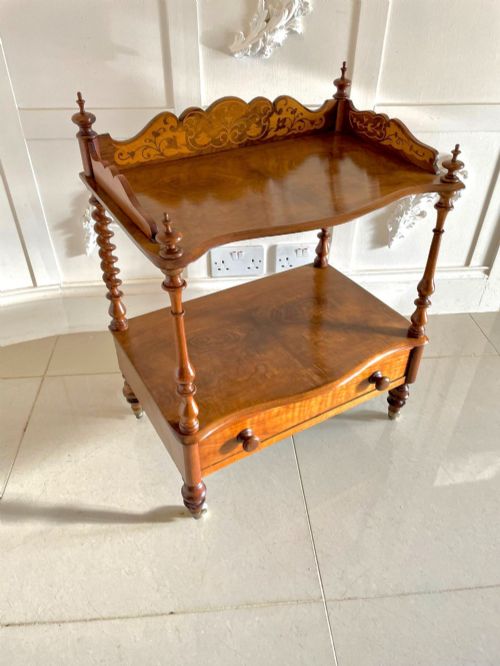
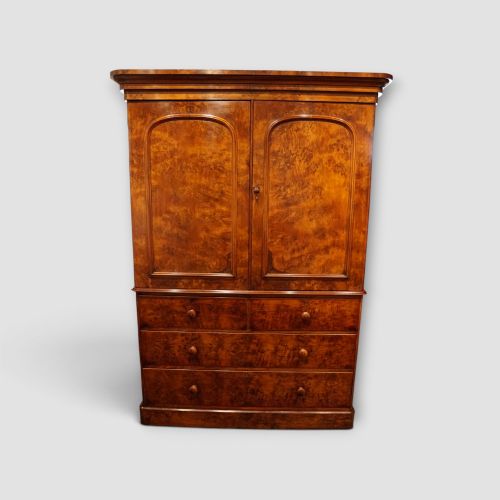
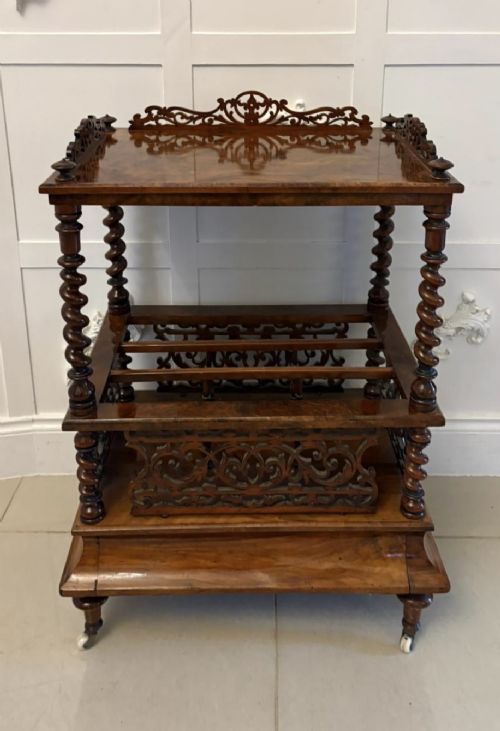
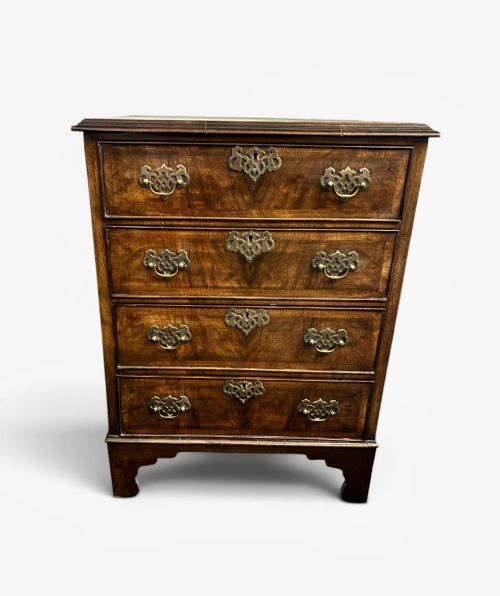
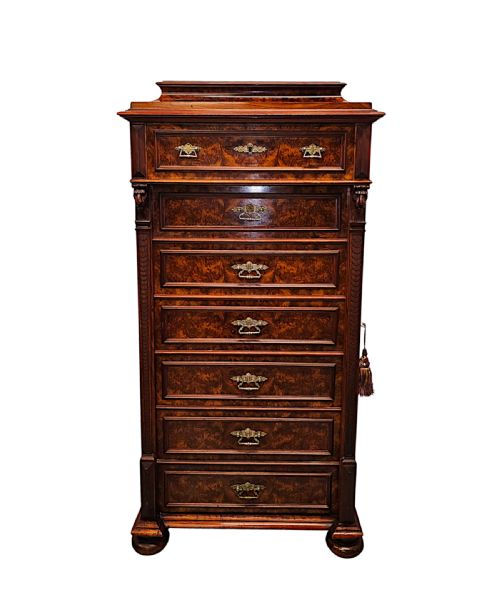
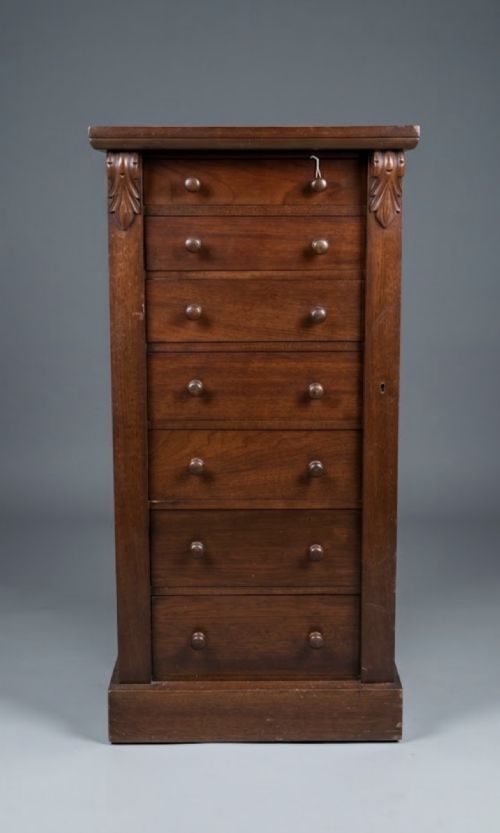
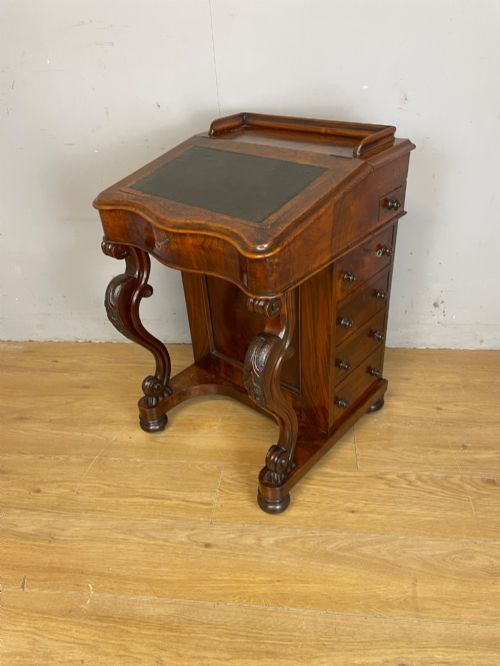
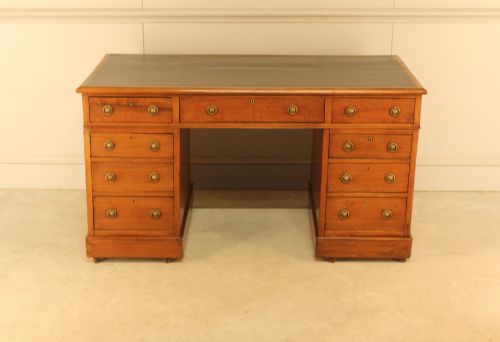
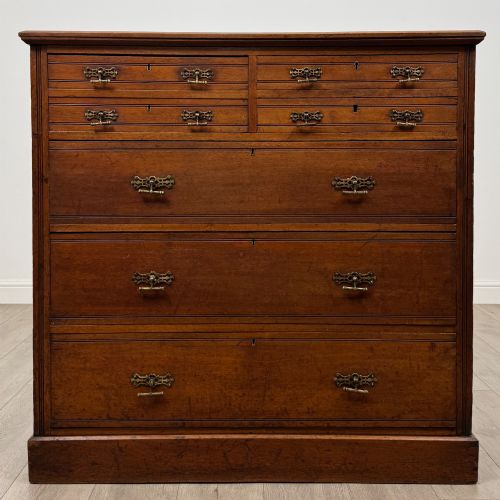
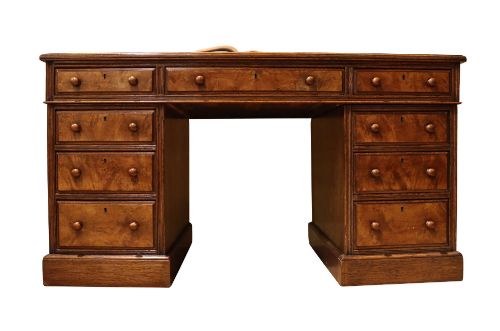
When searching for victorian walnut drawers, buyers encounter a diverse selection of nineteenth-century forms ranging from traditional chests and compact bedside cabinets to elaborate pedestal desks and tall Wellington chests.
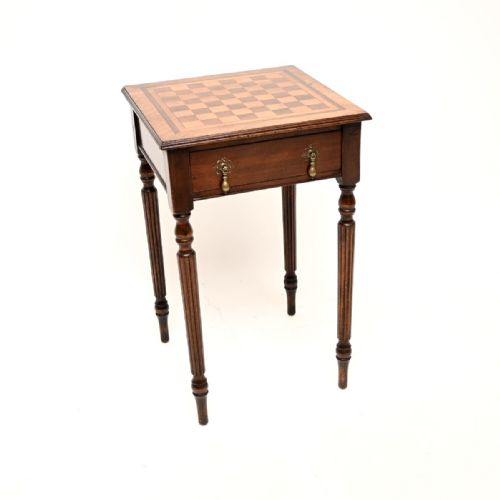
The material inventory spans plain timber, figured grain, and burr walnut veneer, frequently enriched with marquetry inlay, brass hardware, and leather writing surfaces.
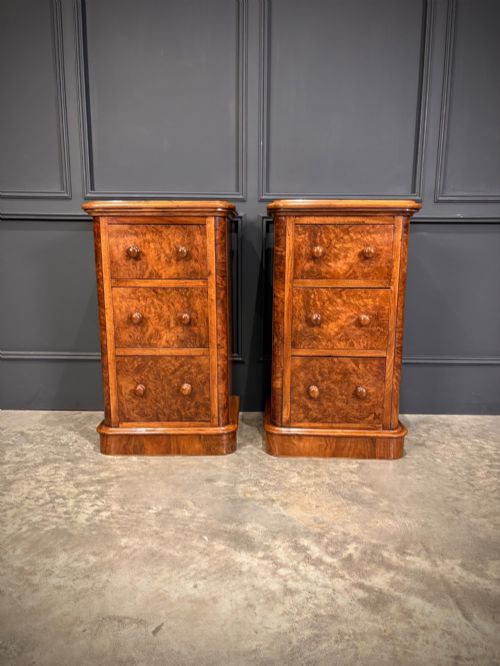
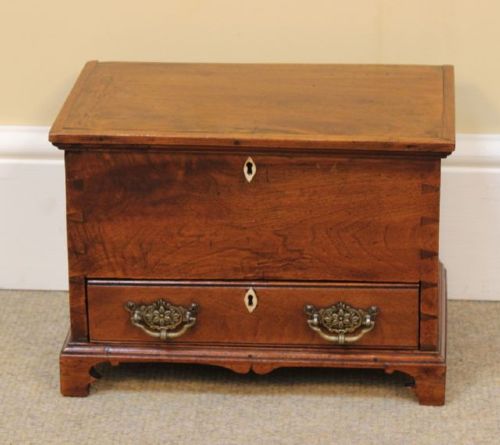
While conventional chests of drawers dominate the historical record, variations such as Davenport desks, writing slopes with secret compartments, and miniature apprentice pieces appear regularly alongside pairs of bedside chests.
What varies in quality
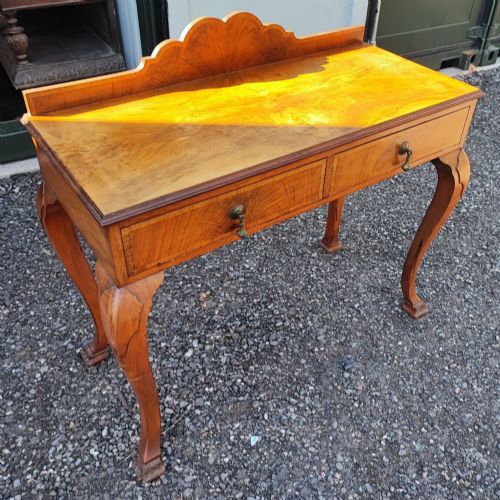
The hierarchy of quality rests primarily upon the choice and symmetry of the veneer, where book-matched burr walnut displays a harmonious, swirling pattern that elevates simple case furniture.
Structural integrity and secondary timber selection also divide standard production pieces from workshop masterworks, evident in the precision of the dovetail joints and the smooth action of the drawer runs.
Maker attribution and decorative restraint further separate ordinary domestic items from superior examples bearing refined brass mounts, marquetry, or specialised locking mechanisms like the hinged security pilaster on Wellington chests.
Materials across the inventory include solid walnut, burr walnut veneers, oak secondary woods, and brass hardware.
Jas Shoolbred·Edwards & Roberts·Gillows·Druce & Co
The Victorian Walnut Drawers Glossary
- Burr walnut
- A decorative timber veneer harvested from the irregular growth knots of the walnut tree, yielding complex, swirling grain patterns. It was highly prized by Victorian cabinet makers for principal drawer fronts and table tops.
- Wellington chest
- A tall, slender chest of drawers featuring a hinged locking pilaster down one side that secures all the drawers simultaneously. Originating in the early nineteenth century, these pieces maximise vertical storage space.
- Davenport desk
- A compact Victorian writing desk featuring a sloping, leather-lined top above a pedestal of side drawers. They often incorporate hidden compartments and stationery wells.
- Marquetry inlay
- The art of applying decorative pieces of wood veneer to a structural structure to form pictorial or geometric designs. It adds a layer of intricate craftsmanship to Victorian surfaces.
- Apprentice piece
- A miniature furniture item created by a trainee craftsman to demonstrate mastery of joinery and turning techniques before entering a guild. These smaller scale chests mirror full-size designs in every structural detail.
Victorian Walnut Drawers: Frequently Asked Questions
How do I identify burr walnut?
Burr walnut is instantly recognizable by its dense, swirling grain clusters and rich tonal variations. These distinctive patterns come from the knotty growths of the tree.
Cabinet makers used these figured slices as veneers on the most prominent surfaces of chests and desks. Straight timber was reserved for structural frames and drawer linings.
What is a Wellington chest?
A Wellington chest is a tall, narrow set of drawers secured by a hinged locking stile on the right side. This vertical bar locks into place with a key.
Originating in the nineteenth century, this design offered secure storage for valuables in bedrooms and dressing rooms. Their slim proportions make them ideal for modern spaces.
How should I care for antique walnut?
Antique walnut requires stable indoor humidity and protection from direct sunlight to prevent veneer cracking and fading. Regular dusting with a soft, dry cloth preserves the French polished finish.
Avoid using modern silicone-based sprays or harsh chemical cleaners. Occasional applications of pure beeswax help nourish the historic wood.
Are bedside chests period originals?
Many Victorian walnut bedside chests were originally made as pairs to flank a bed, though single examples also survive. Their low proportions suited nineteenth-century bedroom layouts.
Buyers should examine the interior drawer construction and secondary timbers to verify period authenticity. Matched pairs command particular interest from collectors.