


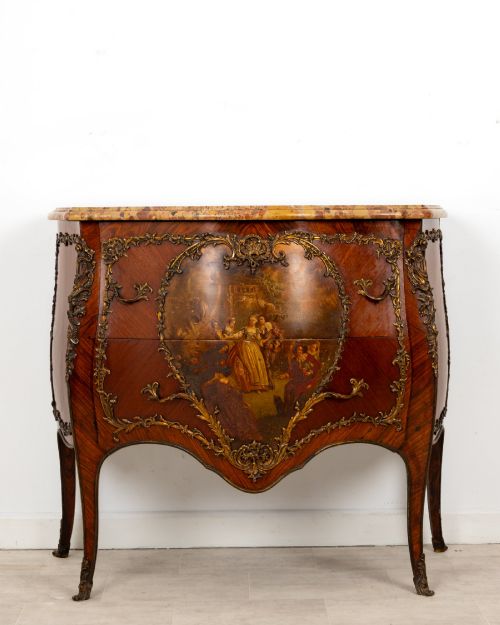
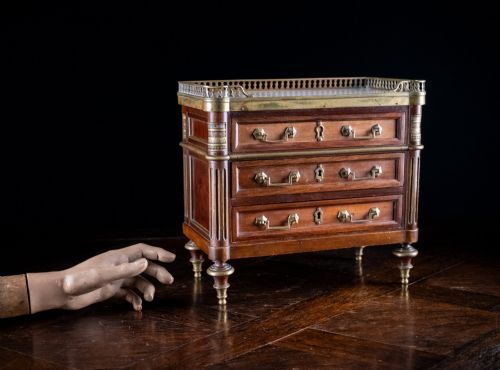
Antique French Chest of Drawers
These antique french chest of drawers pieces bring provincial character and formal elegance to a room through centuries of cabinet-making.
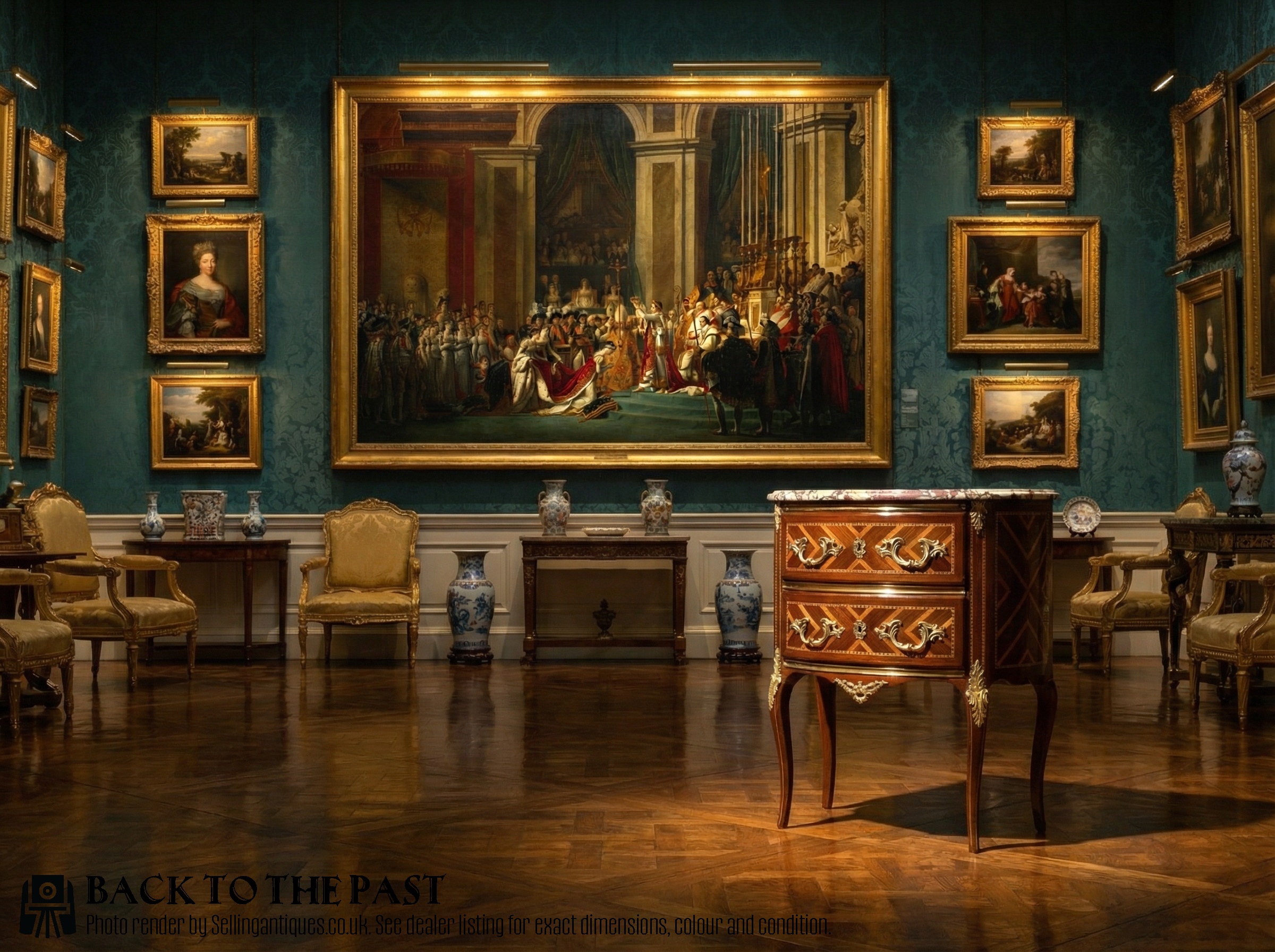
Forms and Origins
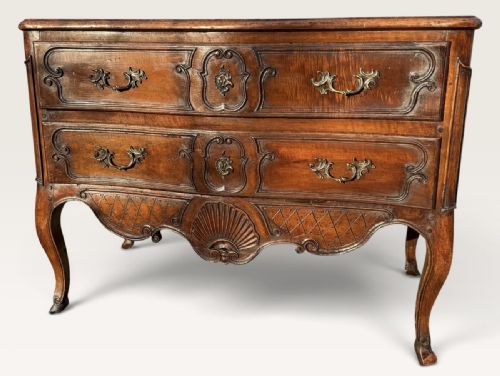
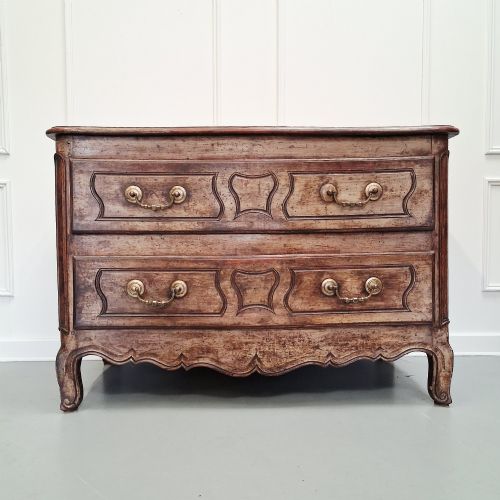
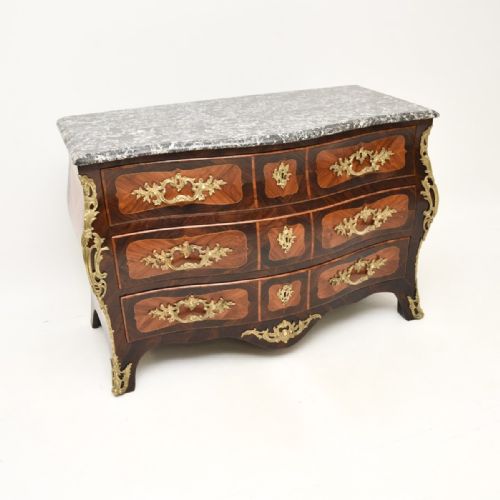
An antique french chest of drawers typically takes the form of a commode, originating from 18th century and 19th century workshops across France. These pieces serve as functional storage furniture while displaying distinct regional and period characteristics.
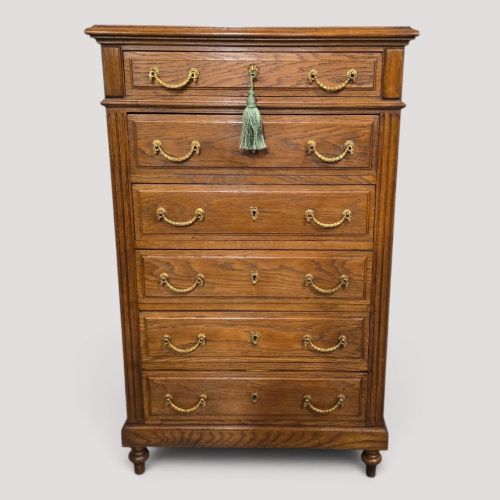
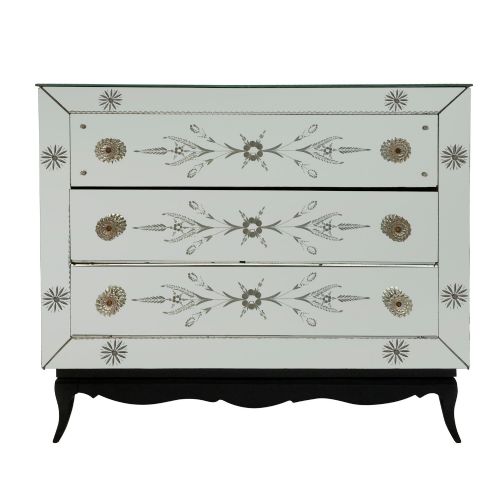
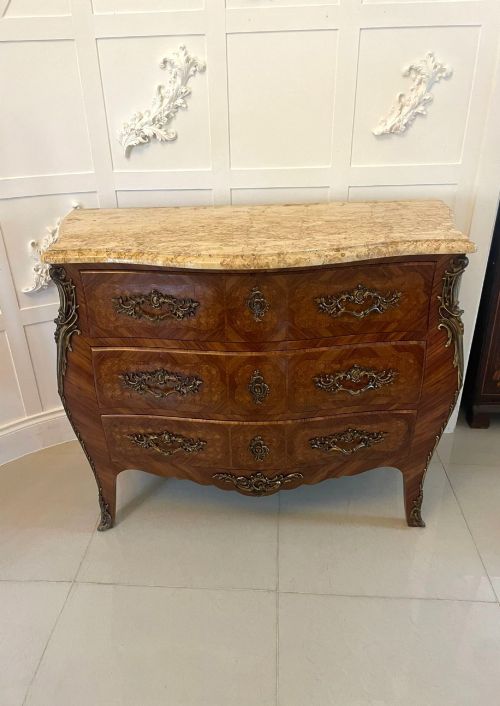
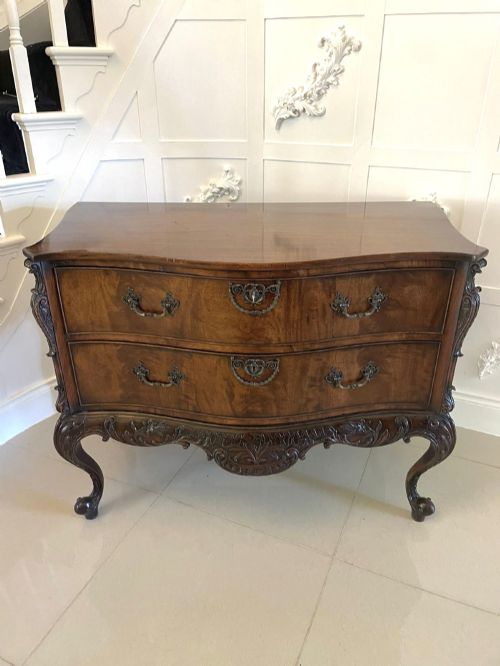
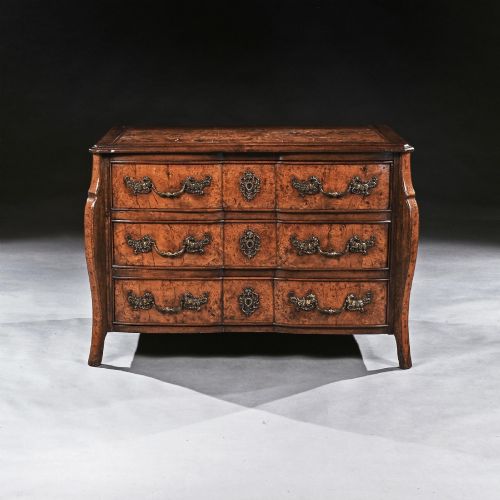
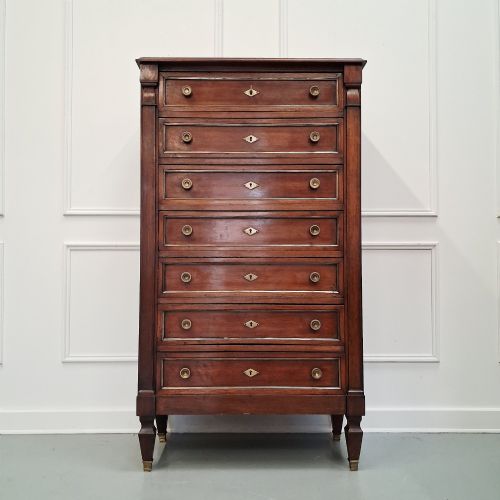
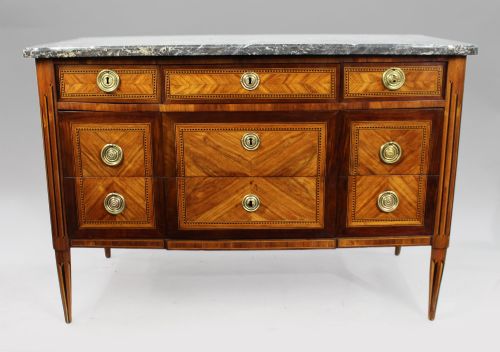
Buyers meet diverse iterations on this page, ranging from early provincial burr elm commodes to later marble-topped models in mahogany, walnut, and kingwood. Styles span Louis XV, Louis XV Provincial, French Neoclassical, and Louis XVI designs.

Materials and Construction
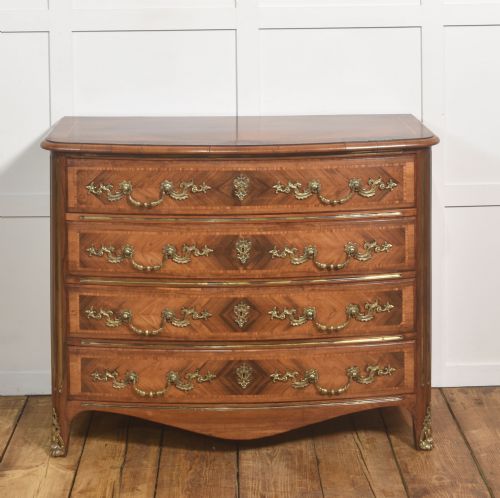
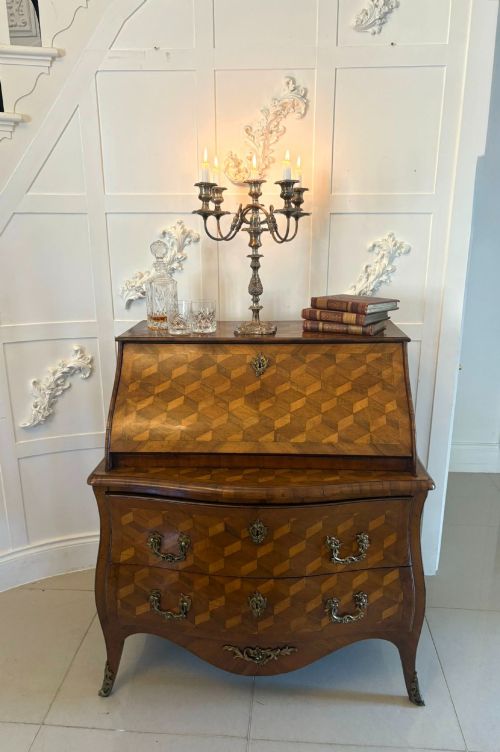
Cabinet-makers build these structures using solid timbers like oak and mahogany, often applying decorative veneers such as burr elm, palisander, and kingwood. Marquetry and parquetry techniques create geometric and floral patterns across the drawer fronts and sides.
Surface details incorporate polished marble tops in various shades, complemented by cast brass and ormolu mounts. Ebonised finishes and bronze elements appear on specific 18th century and 19th century examples.
Retail Price Guide 2026
Typical UK retail prices for french chest of drawers, calculated from the Sellingantiques database of over a million retail prices indexed since 2003. This retail price guide relies exclusively on Sellingantiques data; no external sources or auction records are used, so the figures do not describe the wider market.
Some provincial makers hid secret compartments inside deep drawers to safeguard family letters and coins.
Craftsmanship and Proportion
The distinction between tiers rests upon the precision of the veneer work, the fluidity of serpentine or bombe curves, and the weight of the cast ormolu mounts. Finer pieces demonstrate seamless integration between the wooden carcase and the fitted marble slab.
Proportion and wood selection dictate the character of the commode, where carefully chosen flame mahogany or intricate parquetry elevates a standard storage item into a sophisticated focal point.
Mon Krieger
The Antique French Chest of Drawers Glossary
- Commode
- A French term for a low chest of drawers, commonly fitted with a marble top and decorative mounts. It serves as a primary storage form in period interiors.
- Ormolu
- Gilt bronze mounts applied to furniture edges and feet for decorative contrast. This technique highlights the contours of Louis XV and later styles.
- Marquetry
- The art of applying pieces of veneer to a structure to form decorative patterns. Craftsmen utilise varied timber colours to build pictorial designs.
- Bombe
- A swelling, outward-curved contour characteristic of 18th century case furniture. This profile requires advanced woodworking skill to execute properly.
- Parquetry
- Geometric wood mosaic work used for floors and furniture surfaces. It creates repeating patterns across drawer fronts and tops.
Frequently Asked Questions
What is a commode?
A commode is the French term for a chest of drawers, typically featuring low proportions and decorative mounts.
These pieces function as decorative storage units in reception rooms and bedrooms alike.
How do I clean marble tops?
Marble surfaces require gentle cleaning with warm water and a soft cloth to preserve the stone polish.
Harsh acidic cleaners damage the calcium carbonate composition of the marble top.
What woods were used?
Cabinet-makers utilised native and exotic timbers including oak, walnut, mahogany, burr elm, and kingwood.
Veneers and solid planks provide the structural and decorative foundation of each piece.
How do I date a commode?
Dating relies on stylistic markers such as Louis XV curves, construction methods, timber choice, and mounting details.
18th century pieces often display provincial burr elm or ebonised bombe forms, while 19th century versions frequently feature marble tops and ormolu.