


Ebonised Chest of Drawers
An ebonised chest of drawers offers deep dark surfaces and striking contrast, bringing dramatic presence and strong architectural character to a room.
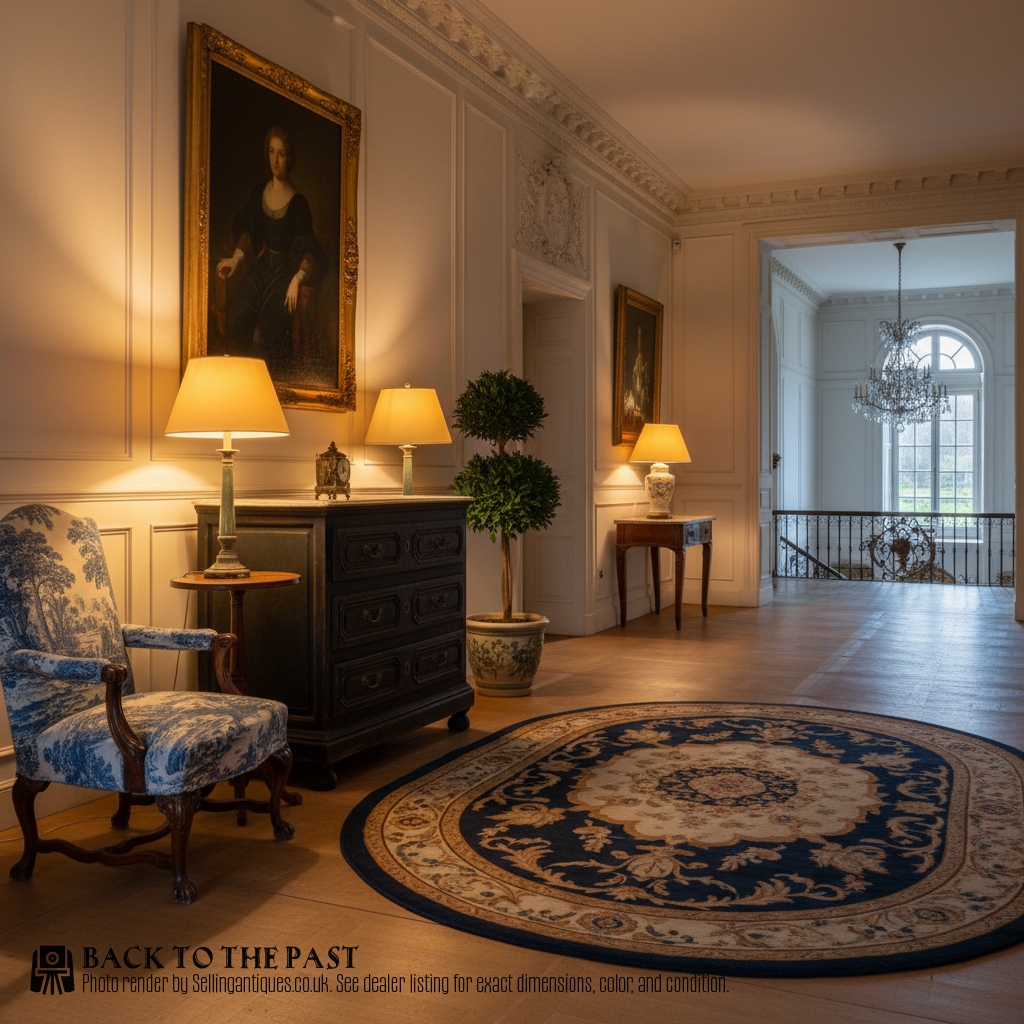
Form and Period
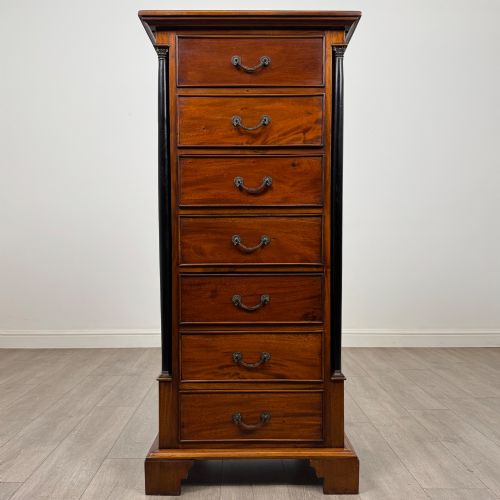
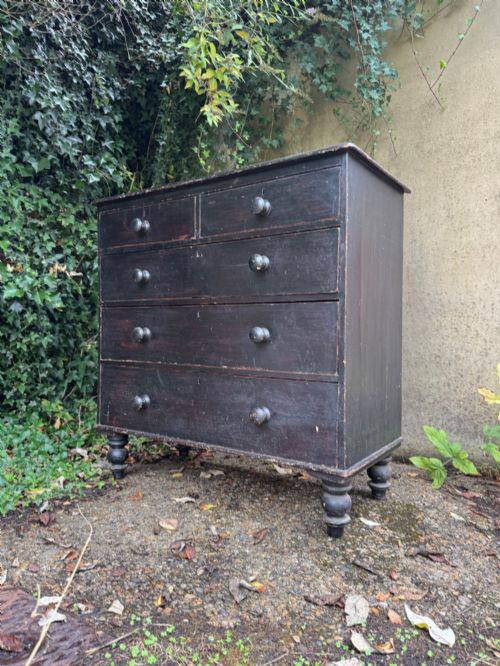
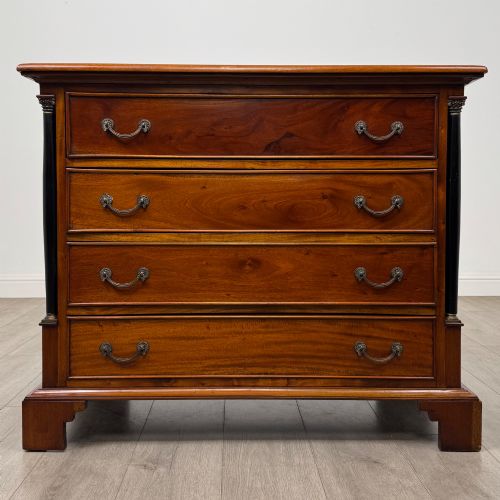
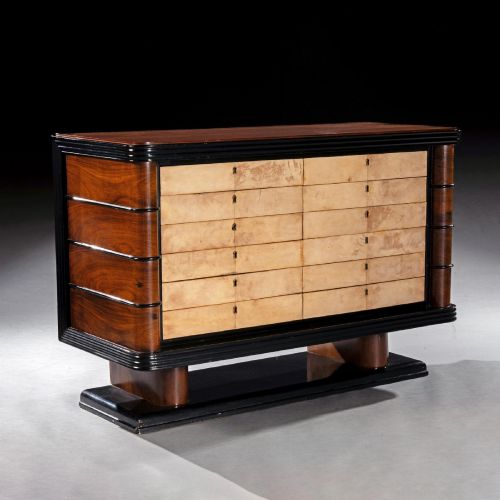
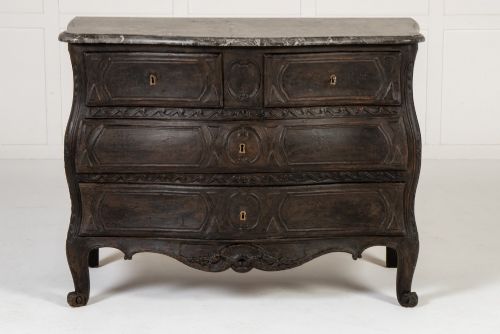
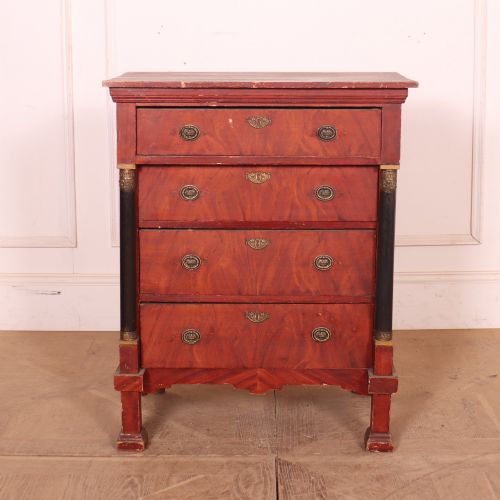
An ebonised chest of drawers unites practical storage with a dramatic dark finish, appearing across multiple eras from the eighteenth century to the art deco period. These pieces take various forms, including French commodes, bow fronts, pillar chests, and campaign styles.
The eighteenth-century examples lean towards French rococo and bombe outlines, while later nineteenth and twentieth-century versions encompass Regency, Victorian, Edwardian, and Art Deco designs. Buyers frequently encounter French commodes alongside English oak and mahogany variations.
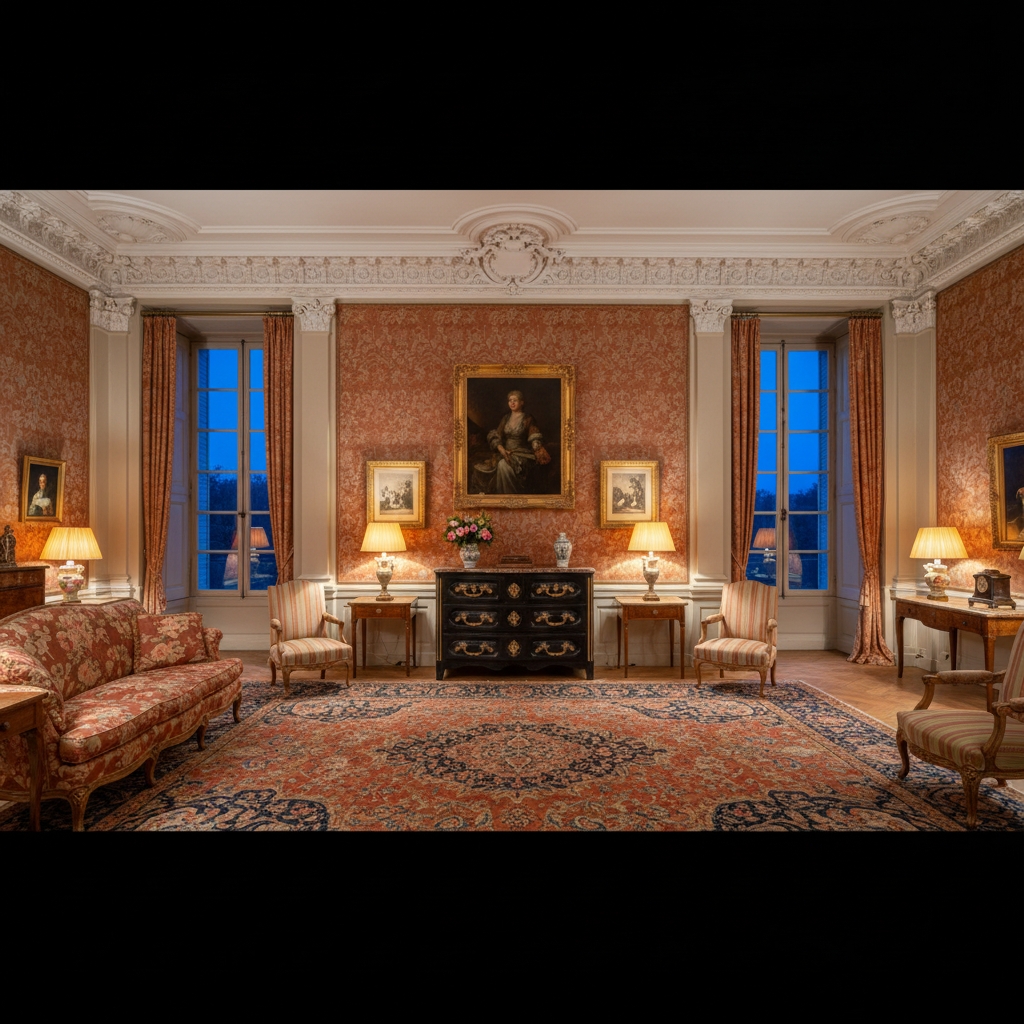
Gradations of Quality
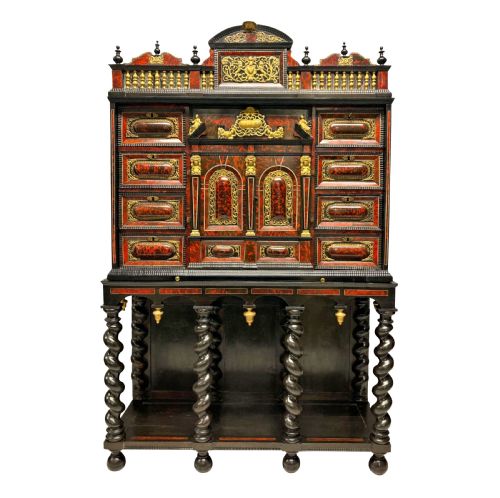
Quality rests in the handling of the timber and the integration of decorative elements such as marble tops and ormolu mounts. Finer examples display precise joinery and balanced proportions, particularly visible in serpentine bombe shapes or structured pillar chests.
The refinement of the ebonised finish and the quality of secondary woods like oak and walnut distinguish standard domestic utility pieces from high-style French commodes and bespoke workshop items.
Retail Price Guide 2026
Typical UK retail prices for ebonised chest of drawers, calculated from the Sellingantiques database of over a million retail prices indexed since 2003. This retail price guide relies exclusively on Sellingantiques data; no external sources or auction records are used, so the figures do not describe the wider market.
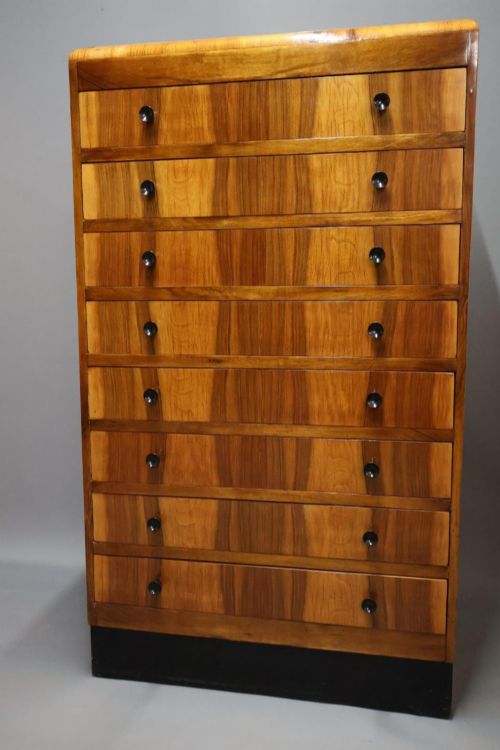
Some chests contain seven drawers, one for each day, proving that even storage furniture used to be neatly organised by the calendar.
Liberty
The Ebonised Chest of Drawers Glossary
- Ebonised wood
- Timber treated with stain or paint to achieve the dense black appearance of ebony. This technique has been utilised across centuries to impart a formal aesthetic.
- Commode
- A low chest of drawers originating in France. These often feature decorative mounts and shaped fronts.
- Bombe
- A swelling, outward-curved contour found on seventeenth and eighteenth-century furniture. This organic shape requires advanced woodworking skill.
- Ormolu
- Gilded bronze mounts applied to furniture. It adds metallic contrast to dark wooden surfaces.
- Semainier
- A tall, slender chest of drawers traditionally containing seven drawers, one for each day of the week. It provides vertical storage in compact footprints.
Frequently Asked Questions
What is an ebonised chest of drawers?
An ebonised chest of drawers is a storage unit made from timbers like oak, mahogany, or pine that have been stained or painted black to resemble ebony. These pieces span multiple centuries and design movements.
They appear in various regional styles, from English Georgian and Victorian designs to French commodes with marble tops.
How do I date an ebonised chest?
Dating relies on observing construction techniques, hardware, and stylistic traits aligned with periods like the eighteenth century, Regency, or Art Deco. French examples often show rococo or empire influences.
Secondary woods and structural assembly also provide clear indications of the era in which the piece was built.
Where were these chests used?
Historically, these chests served as functional storage furniture in bedrooms, dressing rooms, and formal parlours. Their striking appearance allowed them to function as decorative display surfaces.
Today, they integrate easily into modern interiors as bedside tables, hallway accents, or living room storage.
What woods lie beneath the ebonised finish?
Cabinetmakers utilised a variety of solid timbers and veneers beneath the black surface, including oak, pine, mahogany, and walnut. The dark finish was often chosen to elevate simpler woods.
Some pieces combine the ebonised exterior with contrasting natural wood interiors or flame mahogany drawer linings.