


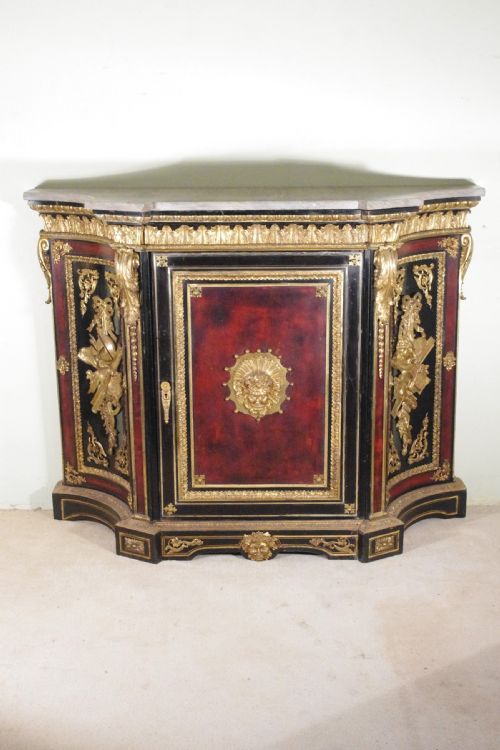
Black Marble Top Commode
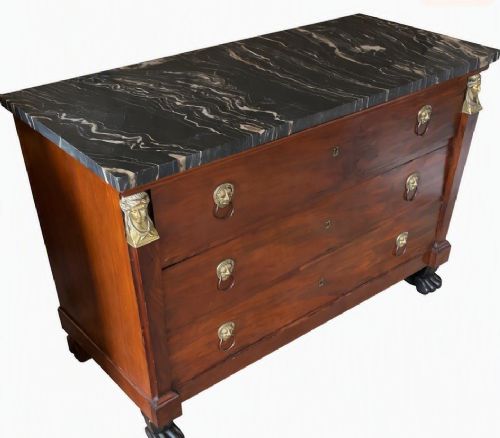
These black marble top commode pieces combine heavy stone surfaces with timber cabinetry across periods spanning the eighteenth century to the twentieth.
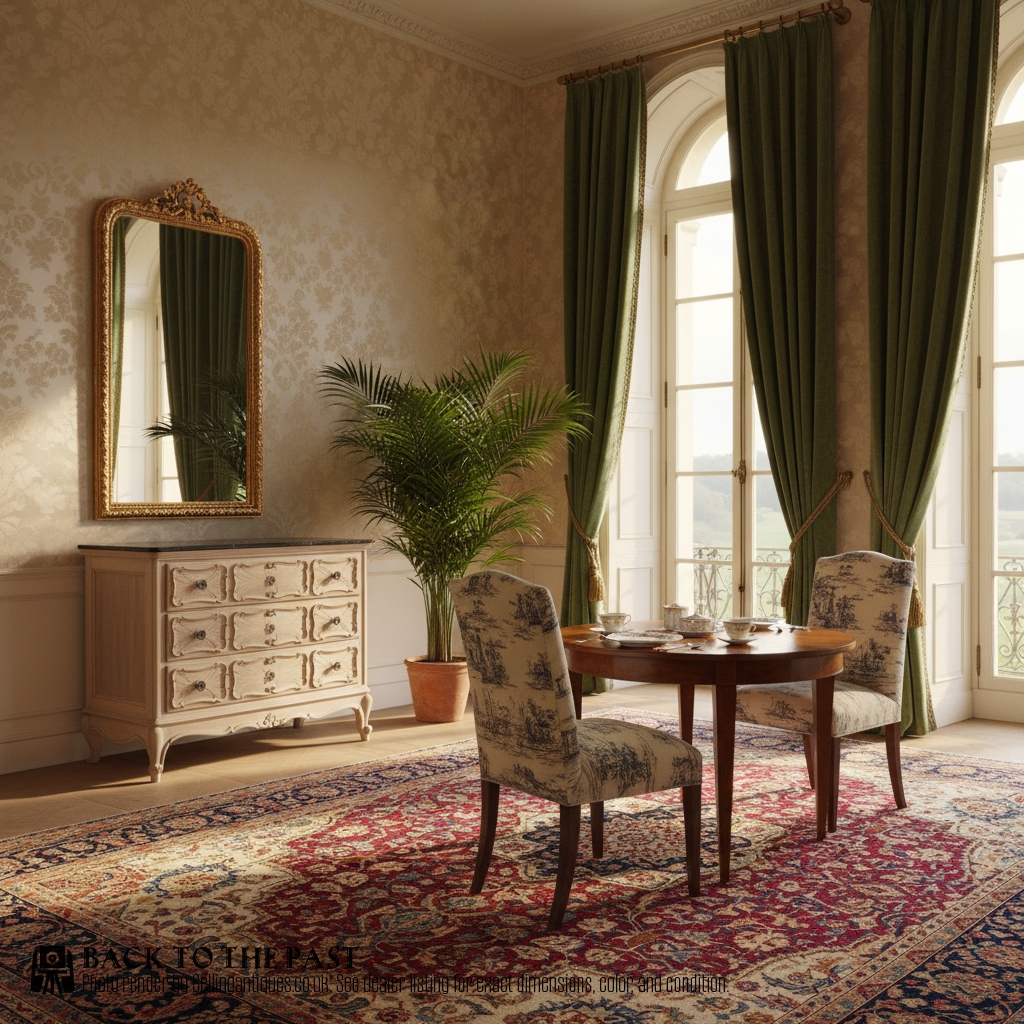
Black Marble Top Commode
A black marble top commode serves primarily as a decorative storage chest, with examples ranging from eighteenth-century pieces to later nineteenth-century styles. Cabinets and chests of drawers provide the core forms seen across these listings.
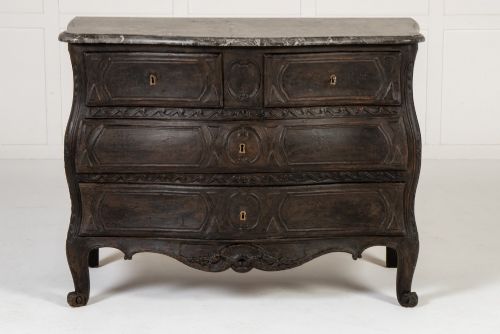
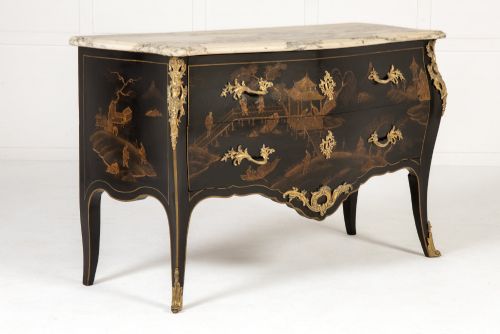
French design heavily influences this selection, drawing on periods such as the Regency, Louis XV, and Napoleon III. Buyers frequently encounter bombe shapes alongside structured classical chests of drawers.
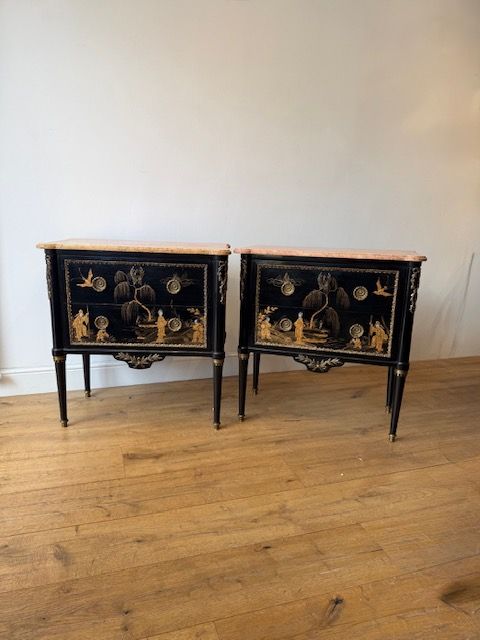
Materials span mahogany, oak, ebonised wood, and lacquered wood, topped by the defining black marble surface. Side cabinets also appear alongside traditional drawer configurations.
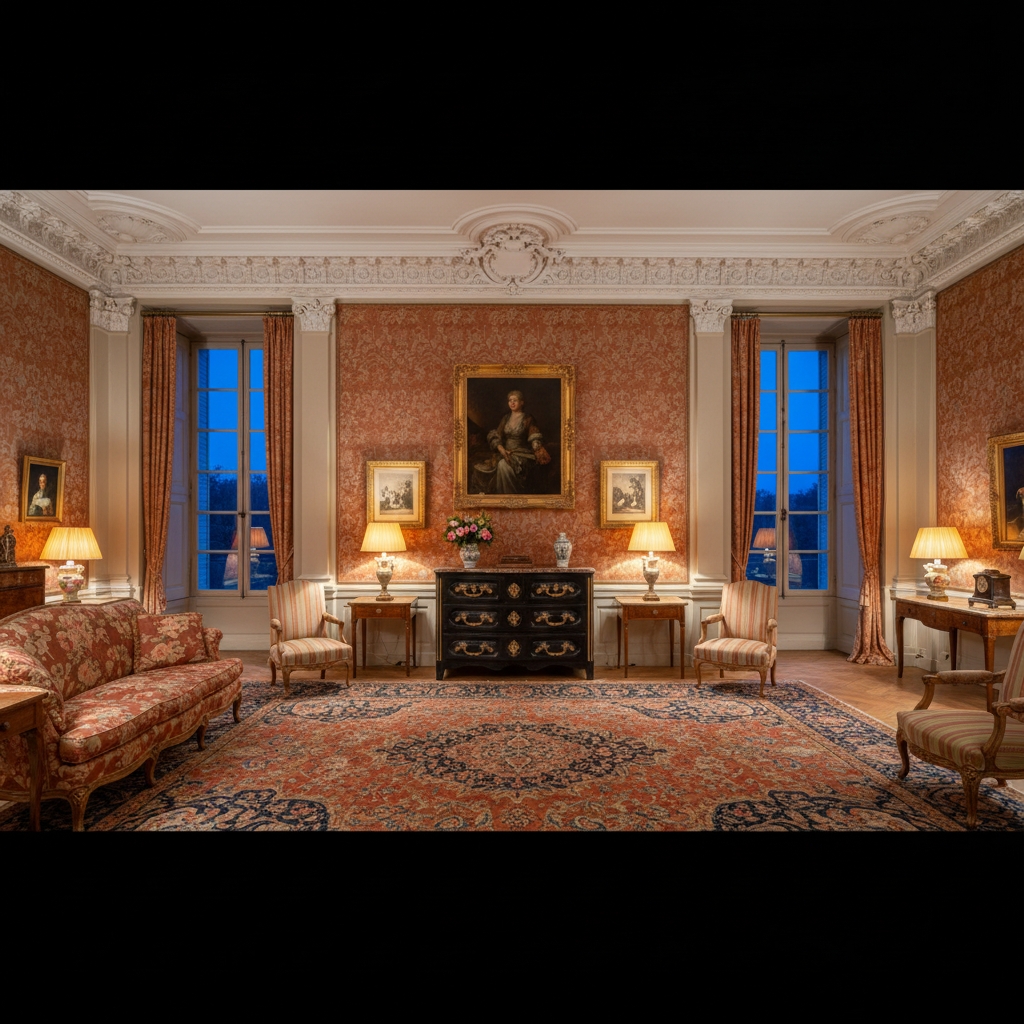
How they were made
Cabinet makers utilised hardwoods like mahogany and oak as the foundational structure, often applying ebonisation or japanned lacquer finishes. Chinoiserie decoration adds intricate surface detail to selected wooden bodies.
Heavy stone tops are fitted precisely to the timber frames. Metal mounts in brass, ormolu, bronze, and gilt metal accent the corners, drawers, and legs of the cabinets.
Black Marble Top Commode Retail Price Guide 2026
Typical asking prices for black marble top commode among the pieces listed under this phrase on Sellingantiques today, from the lower quarter to the upper quarter. They describe what is for sale here now, not the wider market.
The listings show materials spanning marble, brass, ormolu, ebonised wood, mahogany, oak, lacquered wood, and bronze across multiple centuries.
What varies in quality
The sophistication of the timber work and surface finish determines the standing of a piece. Japanned lacquer and ebonised surfaces require meticulous application to achieve depth and durability.
Metal mounts elevate the piece when cast with crisp detail and integrated securely into the design. The integration between the heavy stone top and the wooden cabinet dictates the overall proportion.
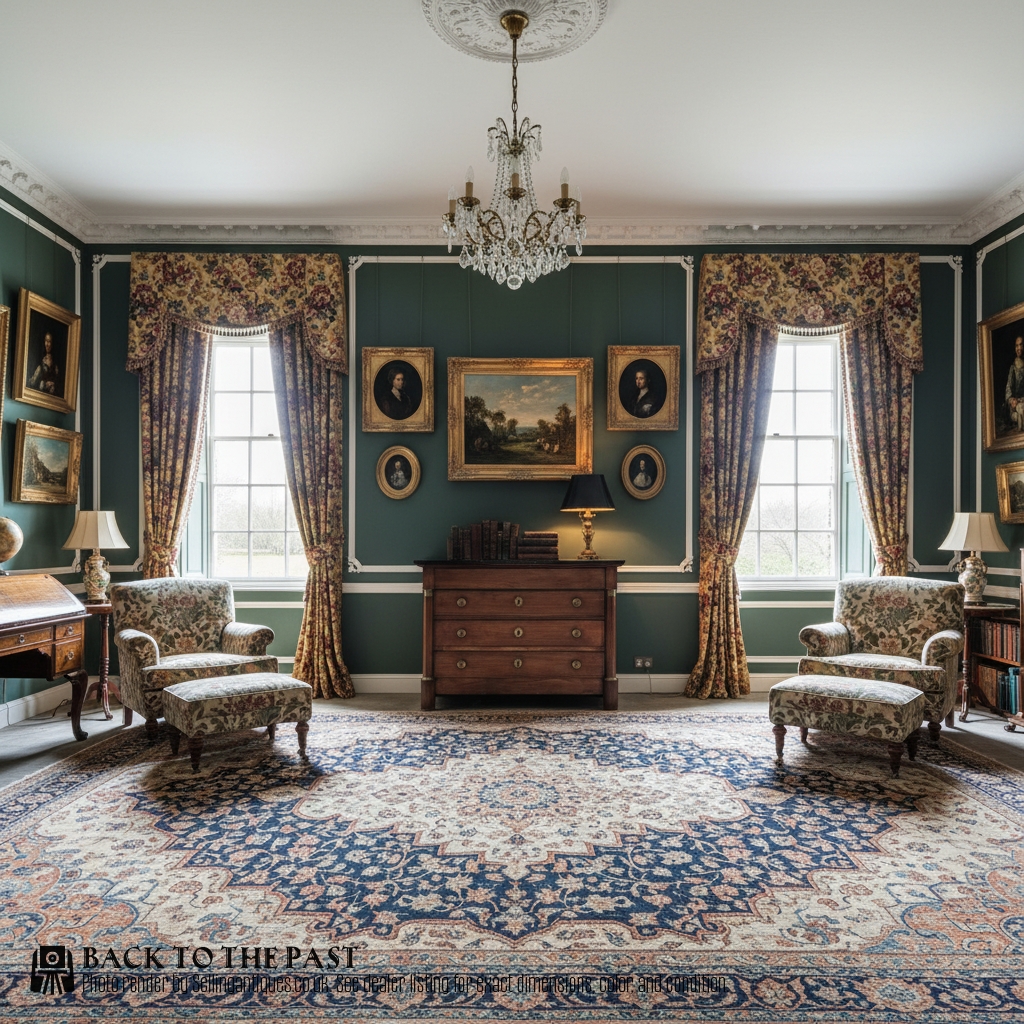
The Black Marble Top Commode Glossary
- Bombe
- A bulging, outward-curving chest or cabinet shape popular in eighteenth-century French furniture design. This undulating profile requires skilled carpentry.
- Ormolu
- Gilt bronze mounts applied to furniture for decorative accent. The technique involves a mercury-gilding process on cast bronze.
- Japanned
- European imitation of East Asian lacquer work, built up in layers and cured. It creates a dark, glossy surface suited to elaborate decoration.
- Ebonised
- Wood treated to resemble expensive ebony timber. The staining and polishing process darkens common woods to a deep black.
Black Marble Top Commode: Frequently Asked Questions
What periods do these pieces span?
The selection includes items from the eighteenth century, the Regency era, and later nineteenth-century periods such as Napoleon III. Twentieth-century interpretations also appear.
Craftsmanship and stylistic details shift across these periods, moving from classical proportions to ornate revival designs.
How are the marble tops fitted?
Marble slabs rest directly on top of the wooden cabinetry, cut to follow the exact contours of the chest below. The weight of the stone keeps it secured in place.
These surfaces provide a durable, cool top that contrasts against the timber and lacquer finishes of the base.
What wood types are used?
Makers utilised mahogany, oak, and specialised surfaces like ebonised wood or lacquered wood. Grain patterns and natural tones vary significantly between the bleached oak and dark ebonised examples.
Each wood type supports different decorative treatments, from simple polished surfaces to complex japanned artwork.
Are these pieces strictly French?
French design styles dominate the listings, including French Empire, Louis XV, and provincial variations. The forms reflect historical European cabinet-making traditions.
Cabinet makers across different regions adopted these aesthetic movements to produce matching side cabinets and chests.