


Warm Walnut Dresser
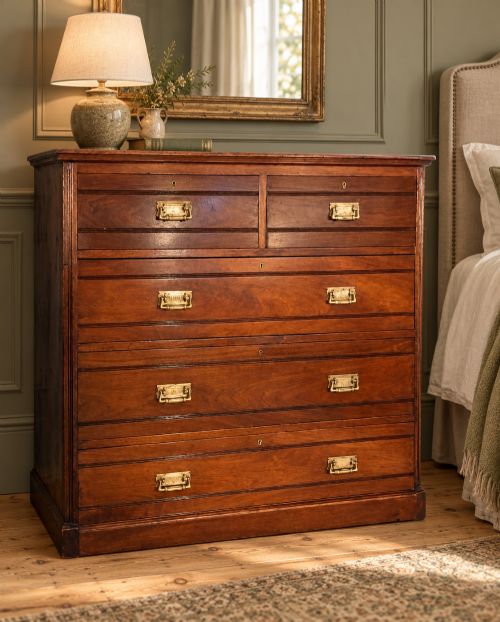
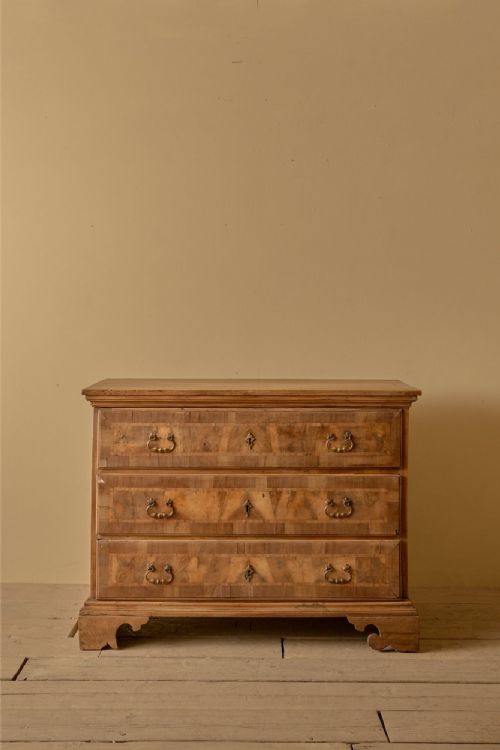
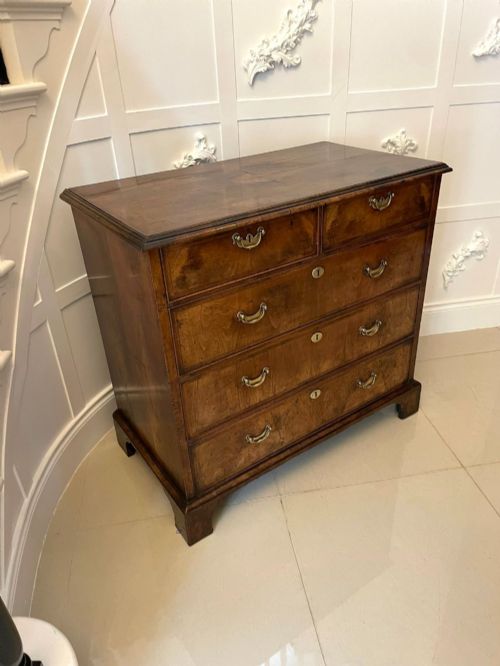
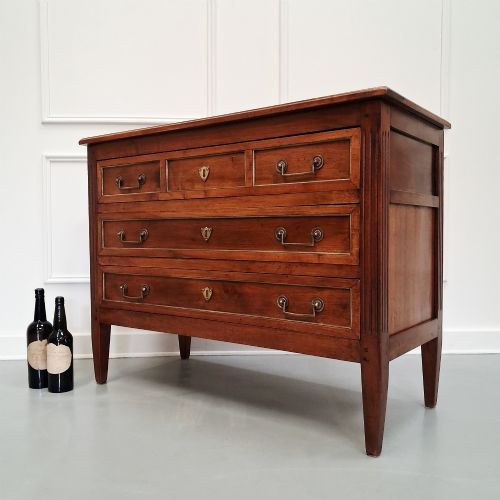
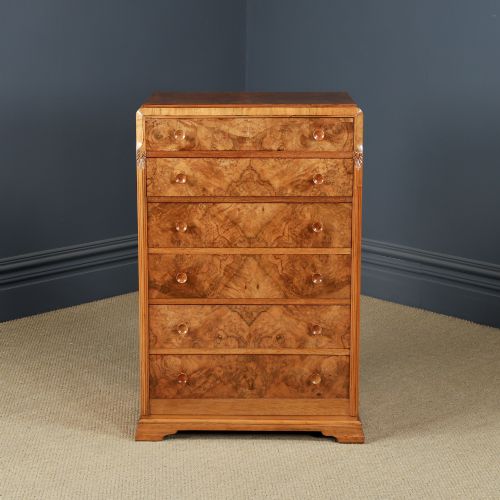
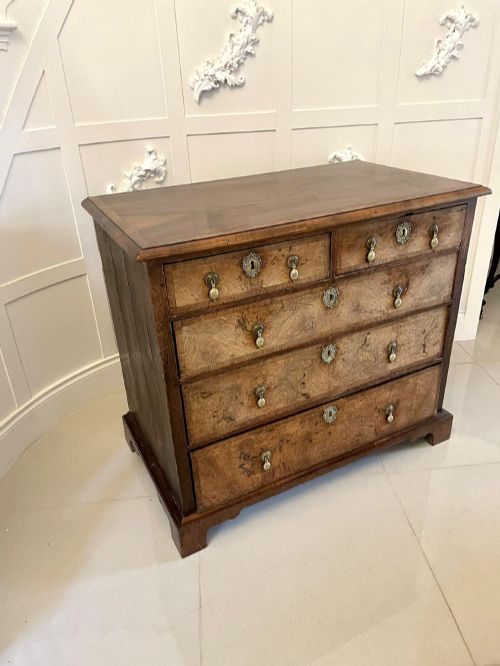
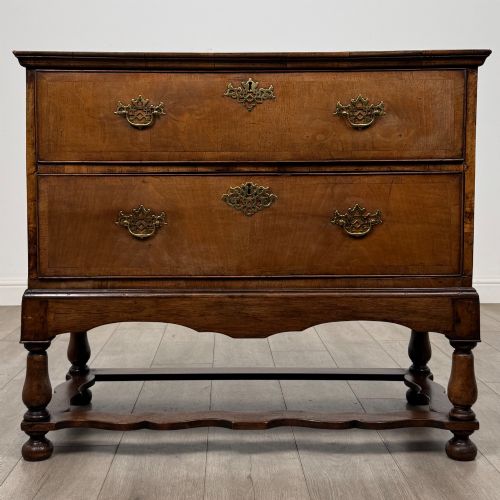
A warm walnut dresser brings deep, honeyed grain and centuries of timber character into a room.
Warm Walnut Dresser
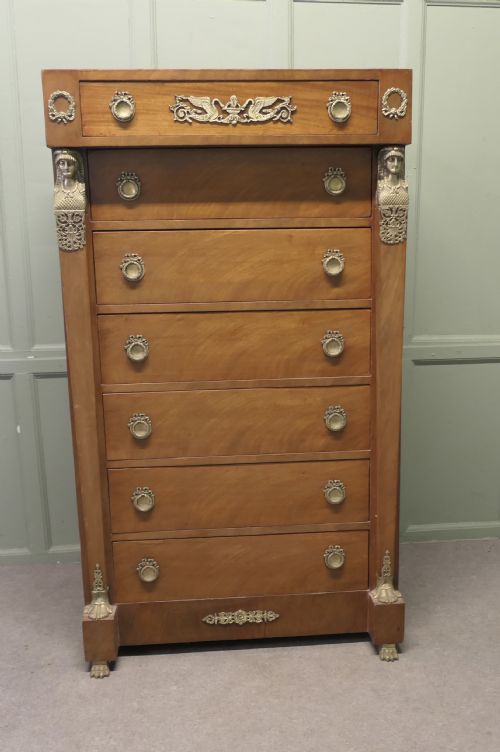
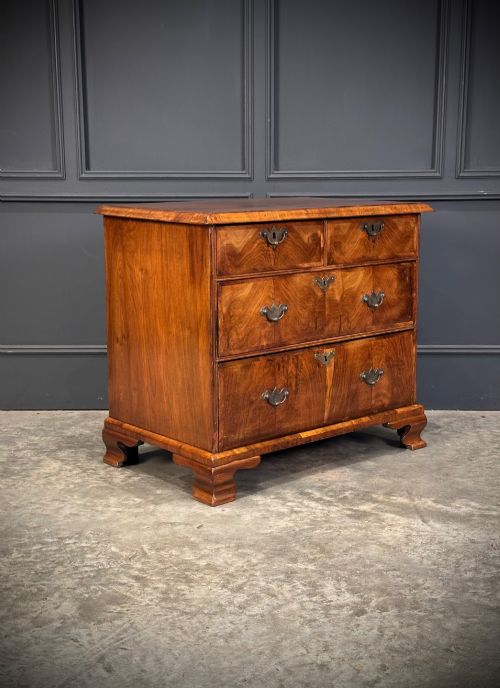
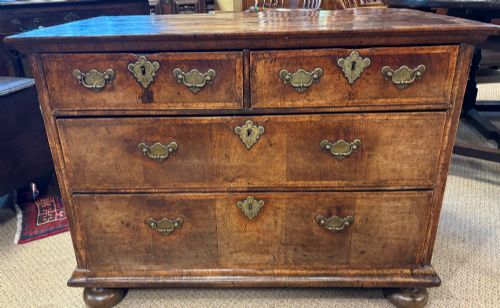
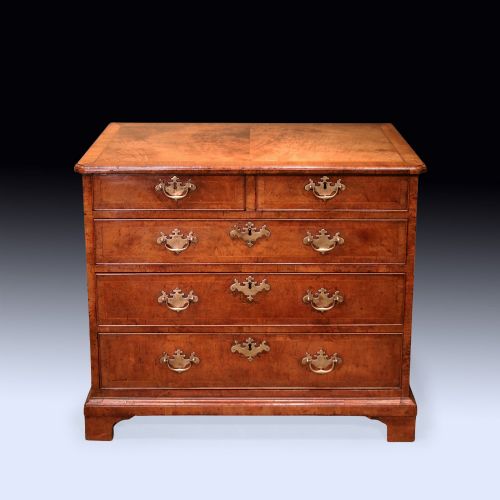
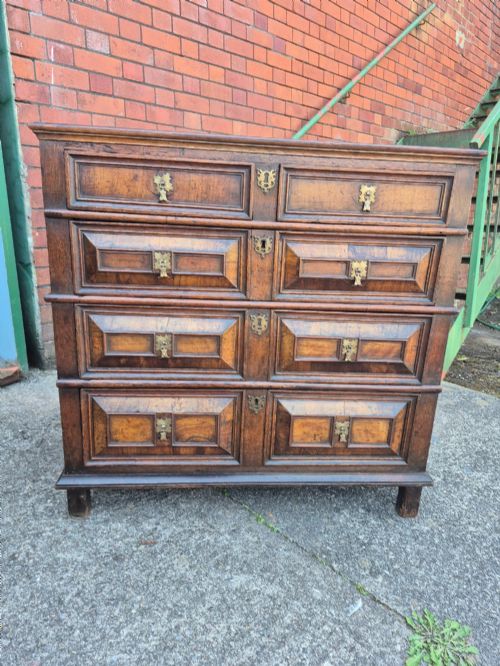
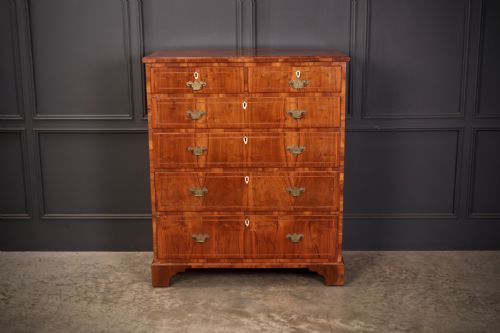
Buyers seeking a warm walnut dresser will frequently encounter eighteenth-century chests of drawers alongside French provincial buffets and Georgian commodes. The selection ranges from compact early forms to tall graduated drawer units.
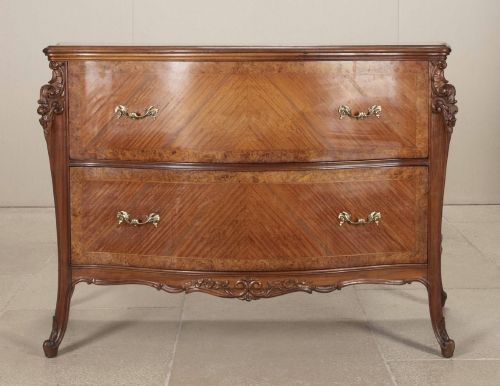
Origins stretch across England, France, Italy, Austria, and Germany, bringing regional flourishes like serpentine outlines and breakfront facades to the standard drawer configurations.
What varies in quality
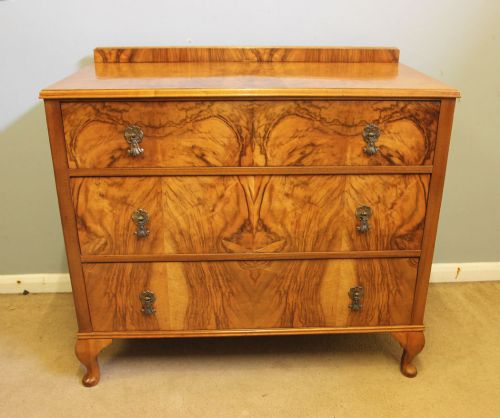
The depth of figure in the walnut veneer and the crispness of inlaid borders distinguish finer examples from plain utilitarian carcases. Timber selection dictated the visual weight, with burr and figured sections demanding superior joinery skill to prevent lifting over centuries.
Proportion and architectural harmony separate exceptional period pieces from later revivals, where cornice mouldings and drawer graduations display differing levels of restraint and balance.
Warm Walnut Dresser Retail Price Guide 2026
Typical asking prices for warm walnut dresser among the pieces listed under this phrase on Sellingantiques today, from the lower quarter to the upper quarter. They describe what is for sale here now, not the wider market.
Listings feature walnut pieces combining oak, pine, and brass across Georgian, Victorian, and seventeenth-century periods.
The Warm Walnut Dresser Glossary
- Burr walnut
- A prized veneer sliced from the knot growths of walnut trees, yielding intricate, swirling grain patterns. This material creates highly decorative drawer fronts on chests and commodes.
- Feather-banding
- Narrow strips of veneer cut diagonally and laid in a herringbone pattern to frame drawer edges. This decorative inlay borders the main walnut panels.
- Commode
- A low chest of drawers or cabinet originating in France, often featuring serpentine or breakfront outlines. These pieces serve as storage units in living spaces and bedrooms.
- Tallboy
- A tall chest of drawers standing upon a separate base or built as a single tall carcase, sometimes known as a chest on chest. This form maximises vertical storage capacity.
- Oyster laburnum
- Small circular or oval veneer sections cut transversely from branches, resembling oyster shells. This technique creates geometric patterns across seventeenth-century surfaces.
Warm Walnut Dresser: Frequently Asked Questions
How do I date an old walnut chest?
Examine the drawer construction, timber thickness, and secondary woods like pine or oak hidden inside the carcase. Hand-cut dovetails and original brass hardware offer reliable clues to the period of manufacture.
Compare the overall proportions and veneer treatments against known regional styles from the seventeenth through the nineteenth centuries to narrow down the decade.
How do I care for antique walnut furniture?
Keep walnut furniture away from direct sunlight and heat sources to prevent the underlying veneers from drying out and lifting. Maintain a stable room temperature to protect the timber.
Apply a traditional beeswax polish sparingly and buff with a soft cloth to nourish the grain without building up heavy wax layers.
What is the difference between a commode and a chest of drawers?
A commode typically refers to a low, decorative French or continental cabinet with drawers or doors, often featuring shaped fronts. A chest of drawers is a broader term encompassing tall English forms.
Continental commodes frequently display more elaborate serpentine outlines and marquetry compared to standard British drawer chests.
Is burr walnut different from regular walnut?
Burr walnut comes from a tree growth or burl, producing highly dense, swirling patterns that differ entirely from straight-grained timber. Veneer from these growths decorates elite cabinet fronts.
Standard walnut offers a rich brown tone with subtle figuring, whilst burr walnut provides dramatic, swirling visual movement across the surface.