
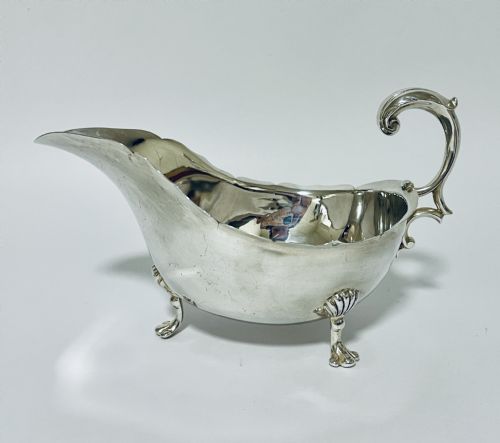


Victorian Sterling Silver Pitcher
These victorian sterling silver pitcher pieces bring distinct nineteenth-century craftsmanship to the table, offering both decorative presence and serving utility.
Victorian Sterling Silver Pitcher
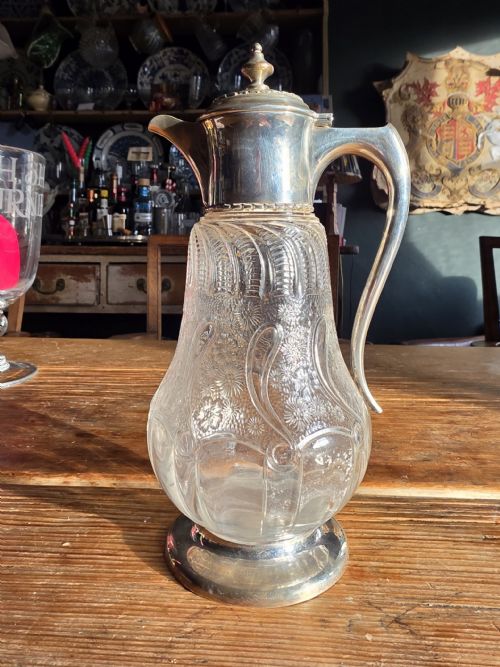
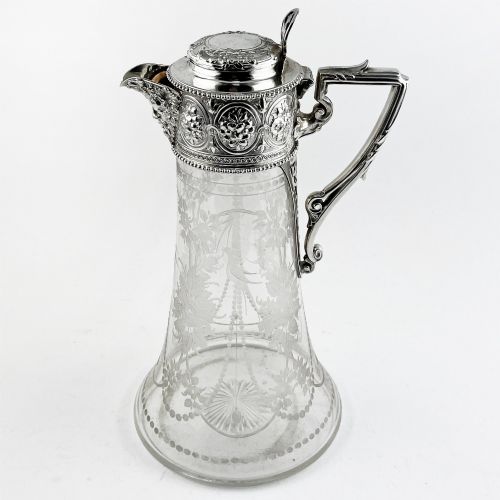
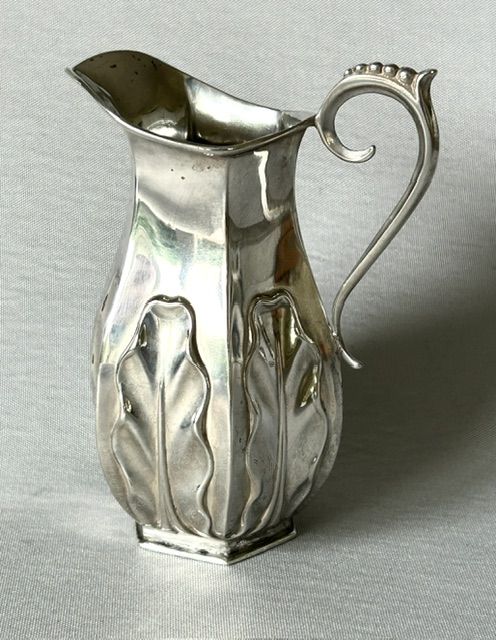
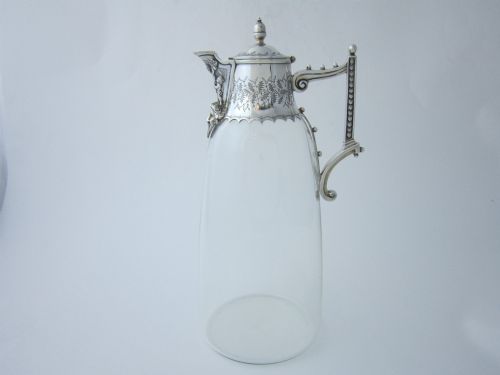
A victorian sterling silver pitcher search brings together various pouring vessels designed during the nineteenth century, encompassing cream jugs, claret jugs, ewers, and water jugs. These pieces often feature sterling silver bodies or combinations of silver mounts paired with cut, engraved, or ribbed glass bodies.
The objects span stylistic shifts from formal revival periods through to naturalistic ornamentation. Pieces range from simple pedestal cream jugs to large presentation claret jugs fitted with hinged lids and detailed finials.
While the phrase directs attention specifically to pitchers, the current selection frequently includes related serveware such as sauce boats, milk jugs, and complete tea or strawberry sets alongside the core pouring vessels.
Materials and Construction Methods
Silversmiths utilised solid sterling silver and heavy-gauge plate, shaping bodies through hammering, spinning, or casting. Glass bodies on claret and water jugs were frequently cut or ribbed before receiving fitted silver mounts, collars, and hinged lids.
Decoration relied heavily on hand engraving, floral motifs, and cast elements such as lion and shield finials or naturalist handles. Hallmarks stamped directly into the metal recorded the assay office, year of manufacture, and standard of silver.
Materials appearing across the inventory include sterling silver, cut glass, engraved glass, wood, silk, and velvet.
Distinguishing Quality and Execution
Quality rests upon the weight and gauge of the silver used in the body and mounts, alongside the crispness of any chased or engraved surface work. Finer examples display balanced proportions, secure hinges on lids, and heavy glass free from internal flaws.
Maker attribution also dictates standing, with pieces carrying marks from notable workshops or prominent silversmiths demonstrating superior finishing details and more ambitious sculptural styling compared to standard commercial output.
William Comyns·Hukin and Heath·Asprey and Co·George Fox·Robert Hennel
The Victorian Sterling Silver Pitcher Glossary
- Sterling silver
- A silver alloy containing 92.5 percent pure silver by mass, with the remaining 7.5 percent consisting of other metals, usually copper. This standard composition provides the durability required for functional hollowware.
- Claret jug
- A pouring vessel specifically designed for serving red wine at the table. These examples typically combine glass bodies with decorative silver handles, mounts, and spouts.
- Ewer
- A large, formal pitcher featuring a wide spout and an ornate curved handle. They frequently appear in revivalist styles derived from earlier historical periods.
- Hallmark
- An official mark or series of marks stamped on items made of precious metals. They verify the silver standard, the assay office, and the specific year of production.
- Pedestal
- A raised base or foot supporting the main body of a jug or cream pitcher. This architectural feature lifts the vessel visually off the table surface.
Victorian Sterling Silver Pitcher: Frequently Asked Questions
How do I clean sterling silver pitchers?
Clean silver surfaces gently using a dedicated silver cloth and warm soapy water to remove everyday tarnish without damaging engraved details or glass mounts.
Avoid harsh abrasive dips or scrubbing brushes that can wear away thin chasing and alter the original surface finish over time.
Can I use these pitchers for serving drinks?
Most glass-bodied claret jugs and solid silver water pitchers remain fully functional for serving beverages at the table today. Ensure that any antique glass is handled with care and washed by hand rather than placed in a modern dishwasher.
Silver cream jugs and milk jugs are similarly practical for daily dining use, provided they are dried thoroughly after washing to prevent water spotting.
How are Victorian silver pieces dated?
Dating relies primarily upon the official hallmarks stamped into the silver, which include specific date letters corresponding to the assay office records of London, Chester, or other cities. Stylistic indicators like floral engraving or classical revival motifs also offer broad chronological context.
Comparing the form and construction methods to documented pieces from known makers helps narrow the manufacturing period further.