

Victorian Glass Decanters
Victorian glass decanters bring heavy crystal, bright colour and fitted stands to the sideboard.
Victorian glass decanters
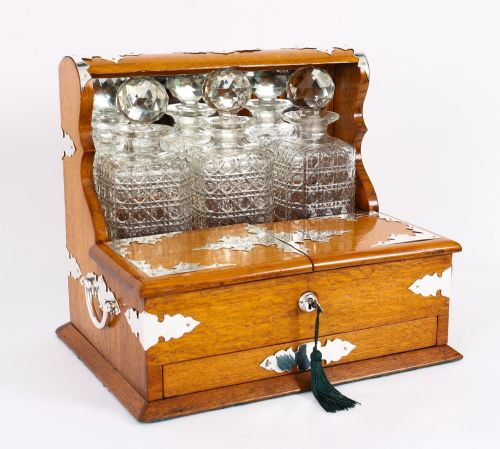
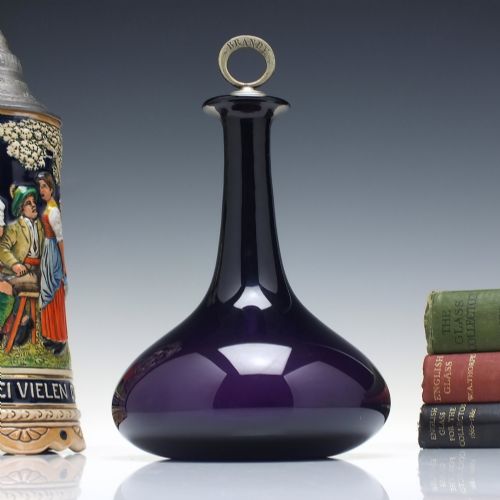
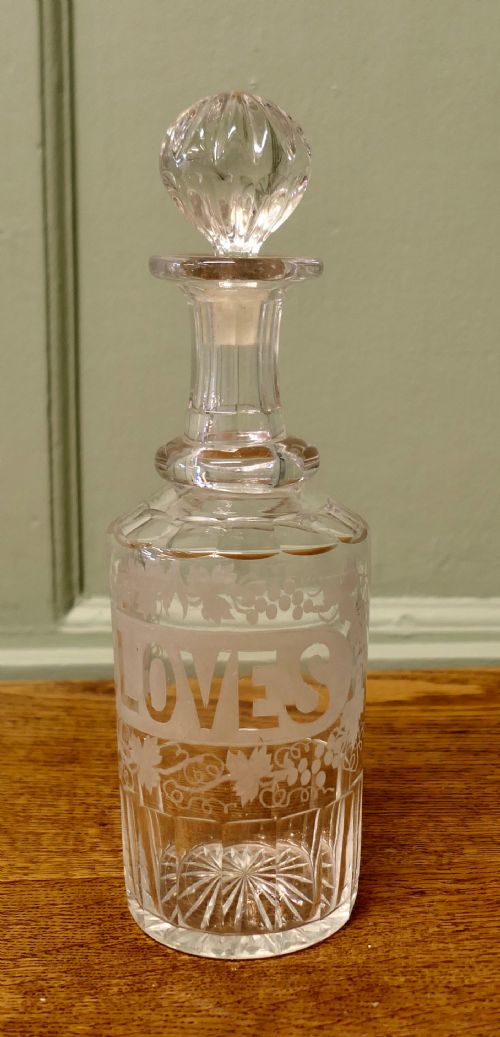
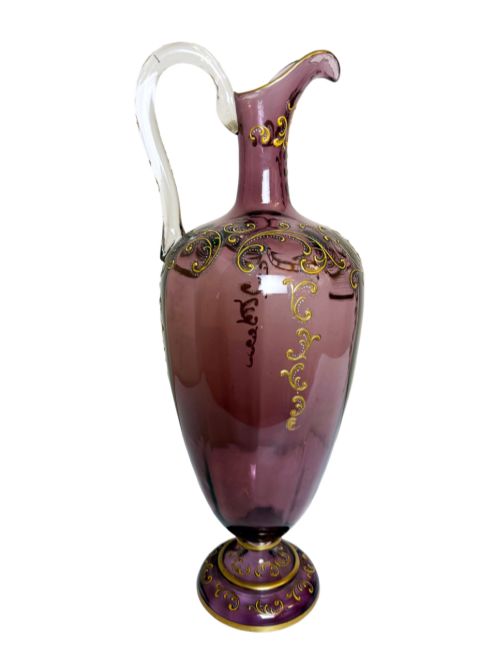
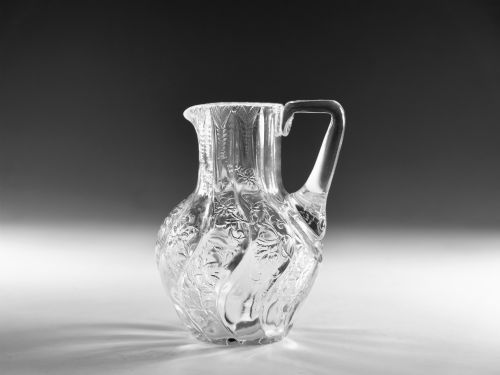
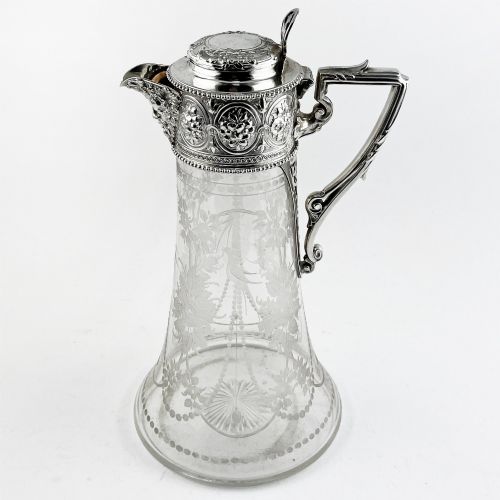
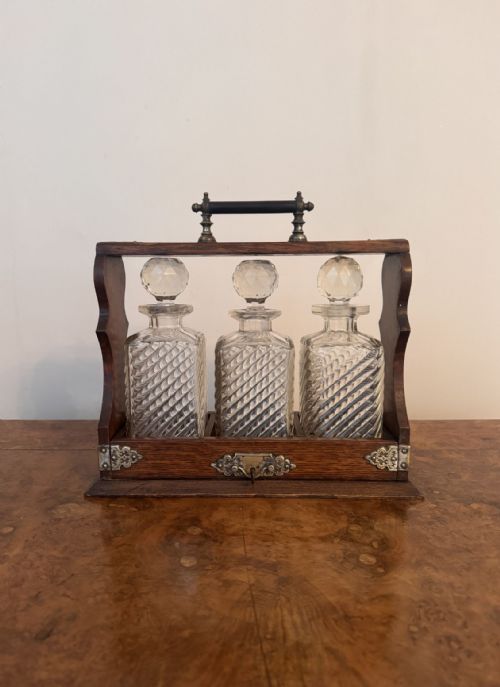
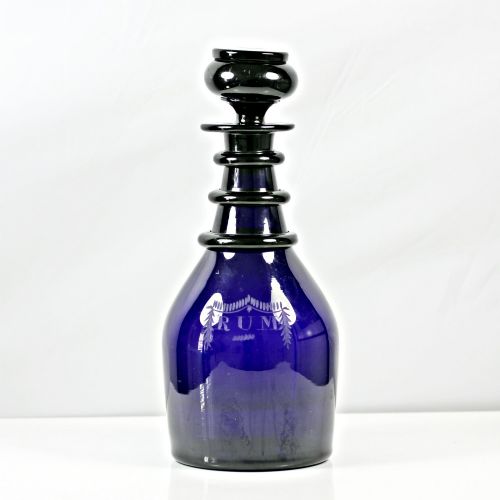
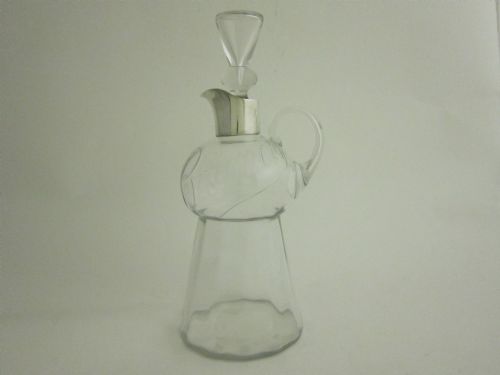
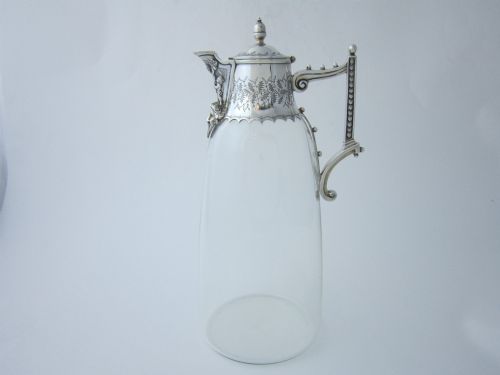
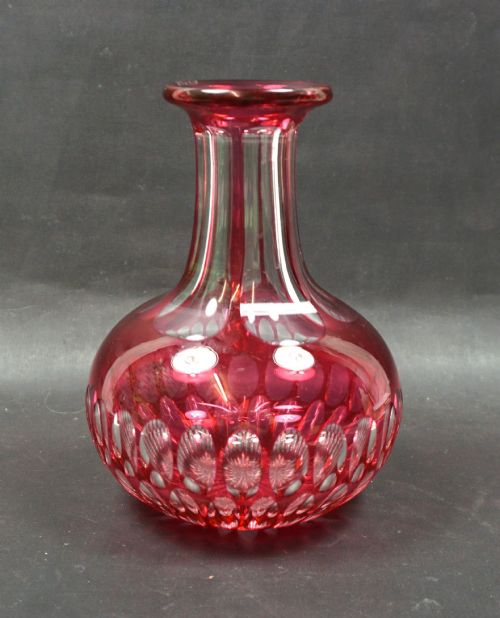
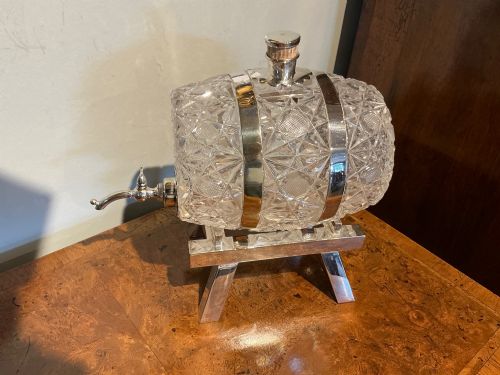
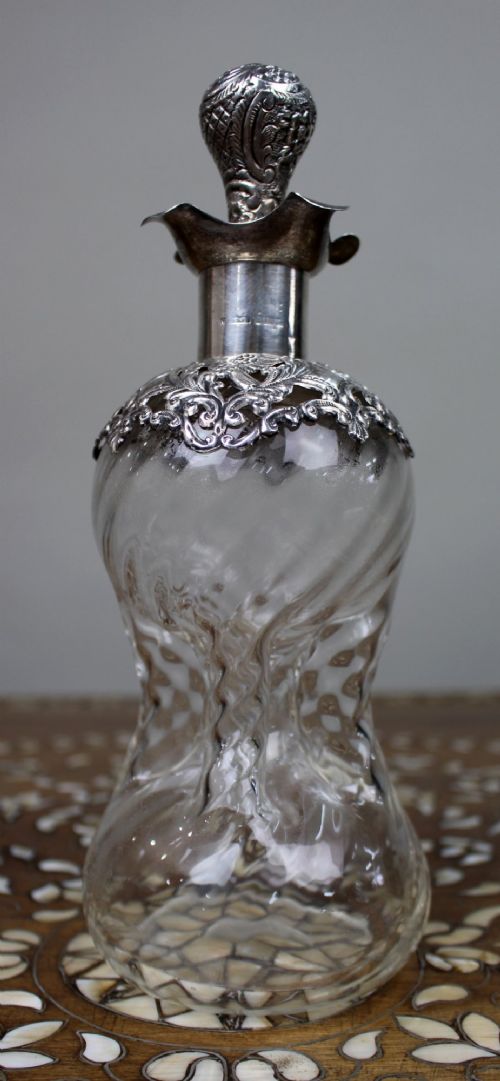
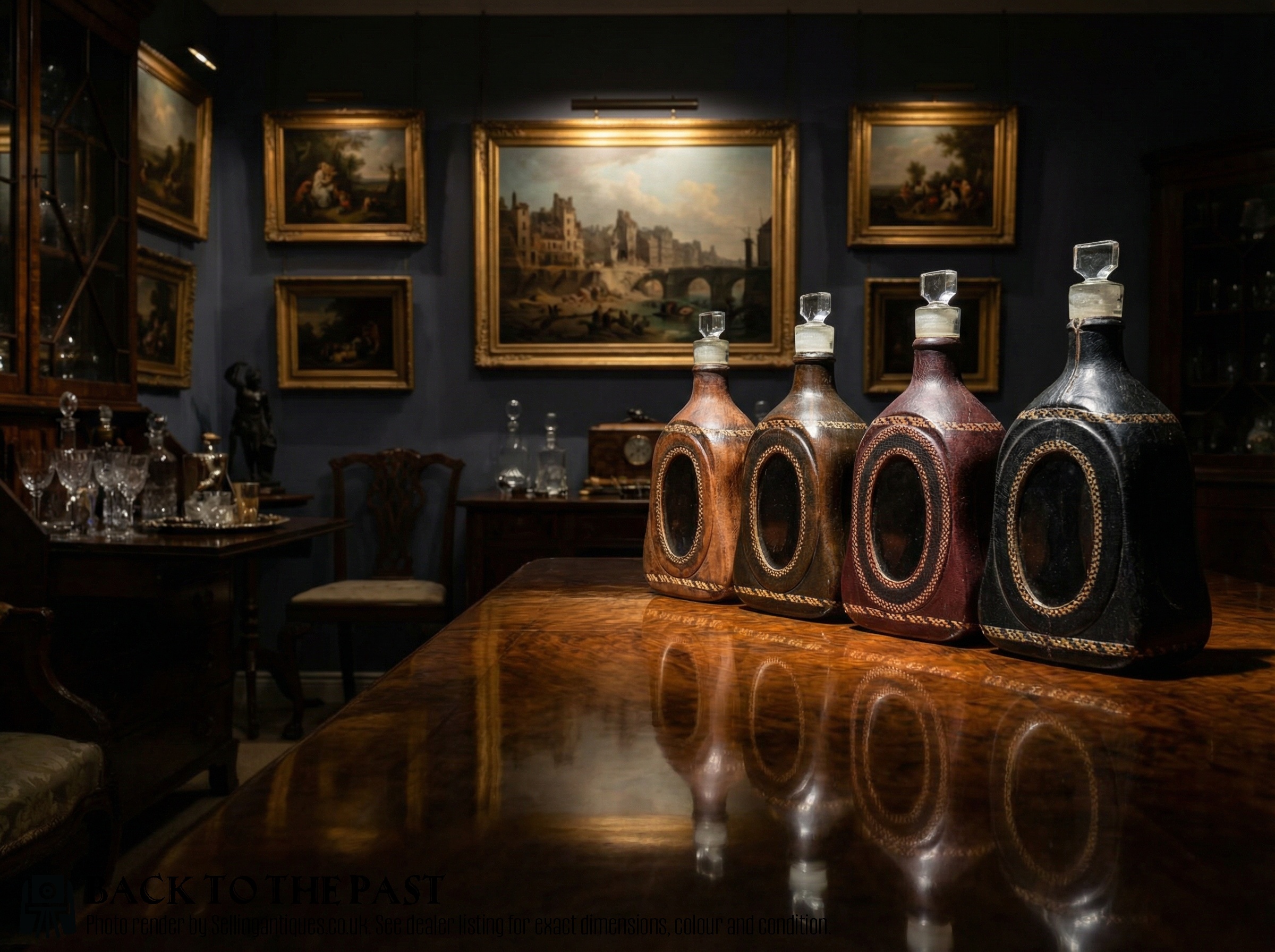
Victorian glass decanters are heavy table vessels designed to hold spirits, claret and wine, appearing frequently in pairs or sets housed within fitted oak, rosewood or silver-plated stands and tantalus frames. These pieces span from clear cut crystal to coloured glass bodies in shades of green, blue, amethyst, amber and cranberry, often engraved with stars, crests and floral motifs.
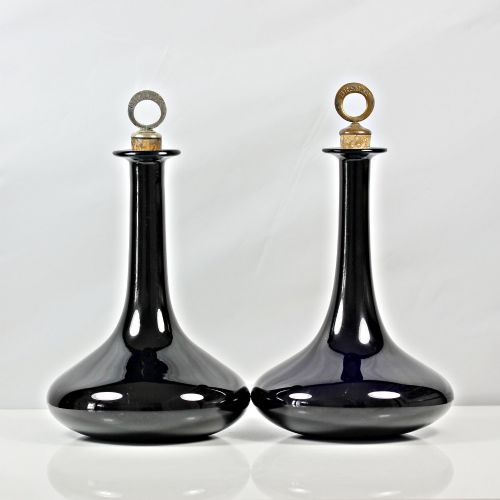
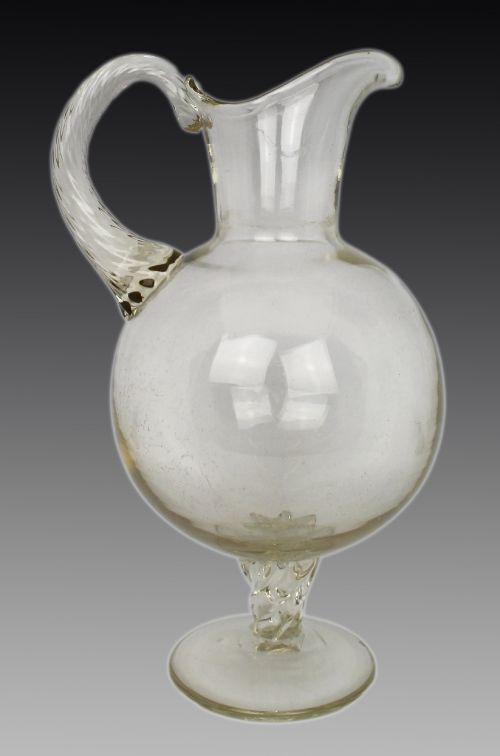
Buyers encounter traditional shaft and globe shapes, ships decanters with wide bases for stability at sea, and flagon forms alongside spirit measures and jugs. The material vocabulary includes clear glass, flint glass and milk glass, sometimes accented with brass fittings, leather elements and enamel details.
Examples date from across the nineteenth century, matching periods from eighteen-forty through to nineteen-hundred, with many items originating from English workshops or Irish makers. They serve as functional barware that also functions as decorative table centrepieces.
What varies in quality
The weight and clarity of the glass dictate the primary grade, where heavy flint glass with deep, crisp facet-cutting separates finer items from lighter, pressed alternatives. Sharpness in the wheel-cut facets and precision in the engraved motifs show the hand of a skilled glass cutter.
The integration of metalwork and cabinetry defines the standard of cased sets, where solid oak or rosewood stands, original silver-plated frames, and matching stoppers elevate the assembly. Complete sets of graduated bottles or matched harlequin groupings retain greater harmony than mismatched later pairings.
Materials recorded across the archive include flint glass, oak boxes, rosewood stands, brass hardware and silver-plated frames alongside leather accents.
The Victorian Glass Decanters Glossary
- Flint glass
- A heavy, brilliant lead glass favoured for its clarity and suitability for deep facet-cutting. This material gives Victorian decanters their substantial weight and ringing tone.
- Tantalus
- A locking wooden frame that holds decanters securely while displaying their contents through a wooden bar. The mechanism prevents guests from pouring drinks without the key.
- Shaft and globe
- A decanter silhouette featuring a long narrow neck that swells into a spherical body. This form balances stability with an elegant profile on the dining table.
- Hobnail
- A raised geometric pattern resembling the iron nails used on heavy boots, cut directly into the body of the glass. It provides both tactile grip and brilliant light refraction.
- Intaglio
- A technique where designs are carved into the surface of the glass rather than raised in relief. The resulting sunken motifs catch light from beneath the polished facets.
Frequently Asked Questions
How do I clean old decanters safely?
Wash glass vessels by hand in warm water using mild detergent, avoiding sudden temperature changes that can crack heavy material. Stubborn interior residue clears with specialised cleaning beads rather than harsh abrasives.
Dry stoppers and necks separately, leaving stoppers resting loosely beside the decanters to prevent moisture trapping and sticking.
Were these vessels used for wine?
Decanters served various beverages including port, sherry, claret and spirits depending on their size and stopper type. Ships decanters specifically held wine during sea travel thanks to their broad, low centres of gravity.
Smaller spirit decanters and jugs accompanied games compendiums and tantalus frames for after-dinner entertaining.
How do I spot matched stoppers?
Examine the ground glass ground joints on both the stopper peg and the bottle neck for matching hand-ground frosted surfaces and identical numbering marks. Original stoppers fit flush and turn smoothly within their specific collars.
Discrepancies in tint, wear patterns or bubble distribution suggest a replacement stopper gathered from another vessel.
Can I use them for modern dining?
Lead glass decanters function well for serving modern wines and spirits provided the interior remains clean and free from old sediment. Letting wine breathe inside a heavy cut glass vessel adds traditional ceremony to meals.
Keep pieces away from dishwashers and store them on stable sideboards rather than high shelves due to their considerable weight.