

Antique Wine Jug
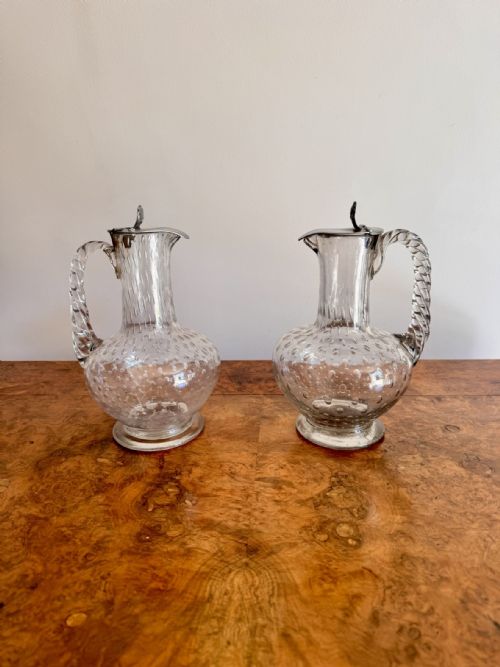
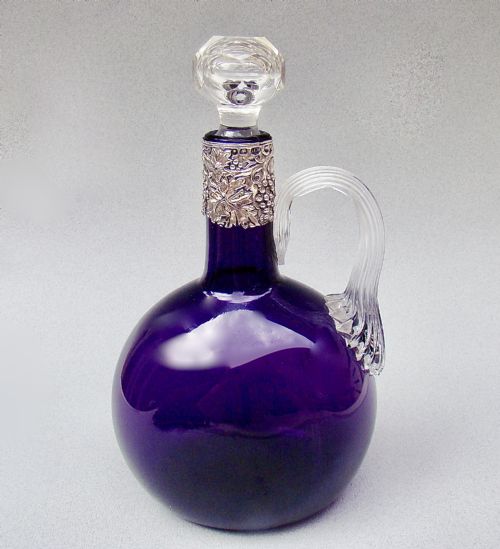
When you search for an antique wine jug, you encounter silver-mounted crystal, cut glass ewers and salt-glazed stoneware built for formal dining.
Antique Wine Jug
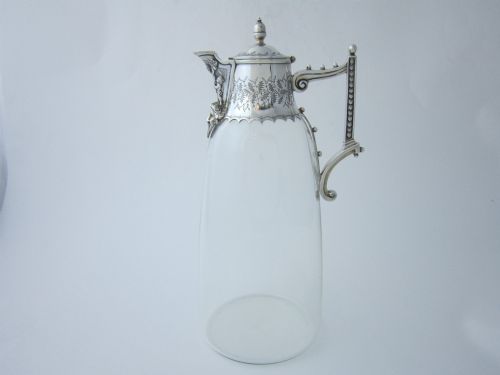
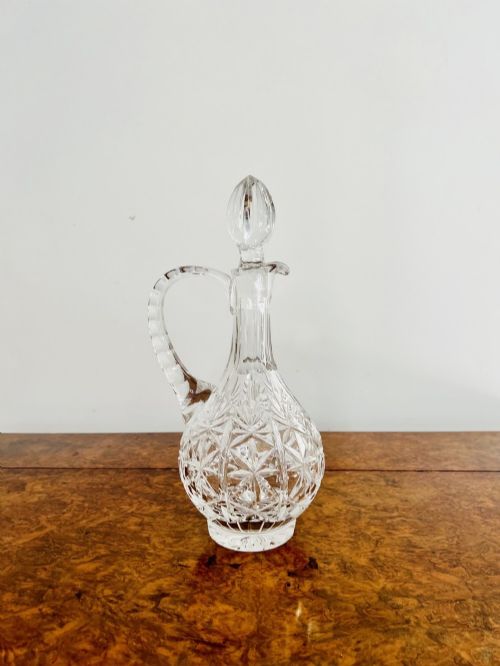
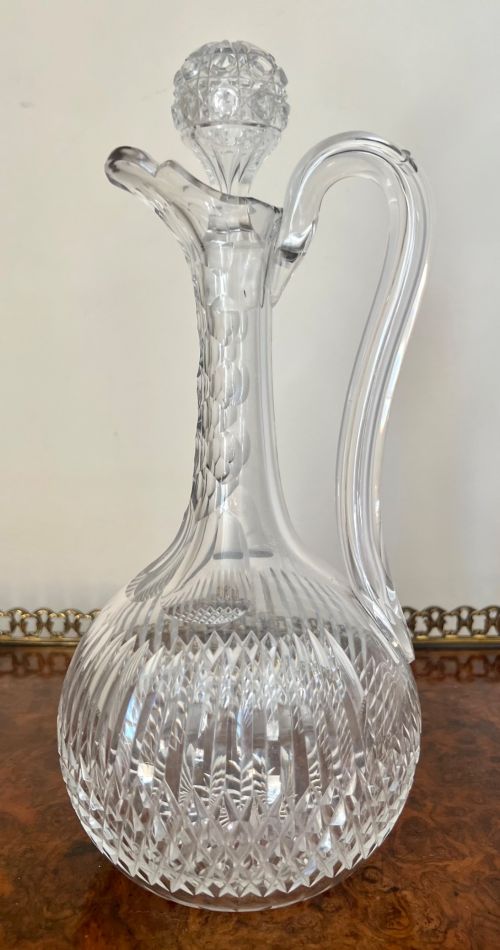
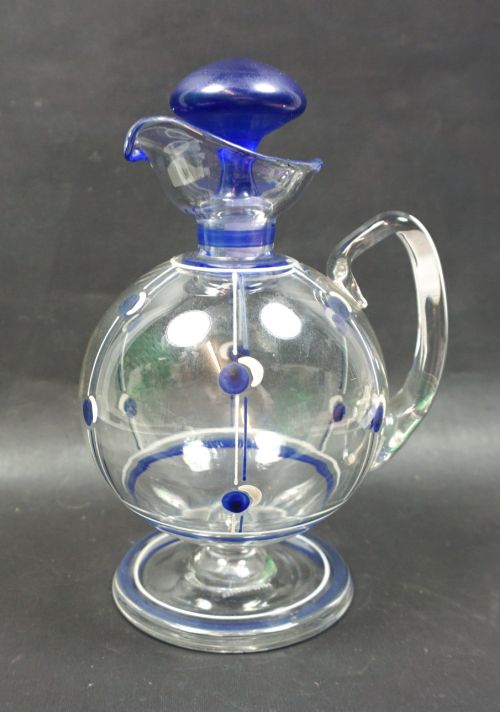
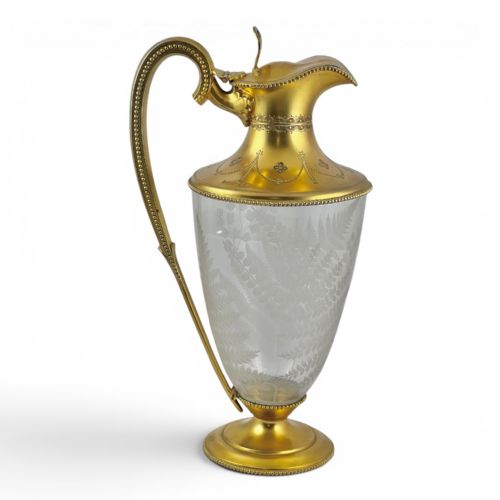
An antique wine jug bridges the gap between functional dining ware and ornamental sculpture, appearing primarily as tall claret jugs, decanters, and handled ewers.
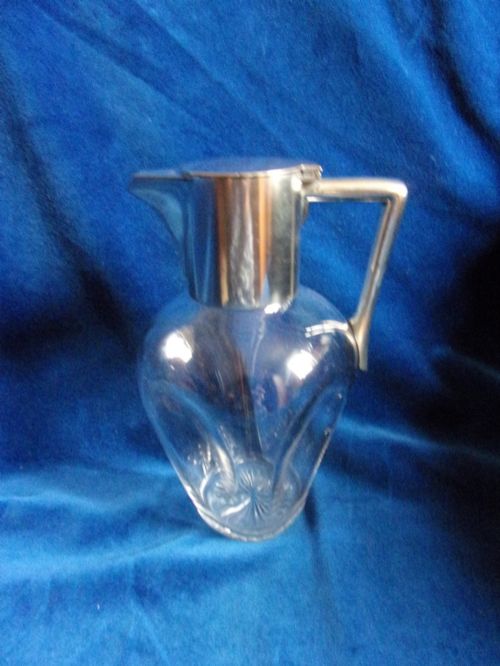
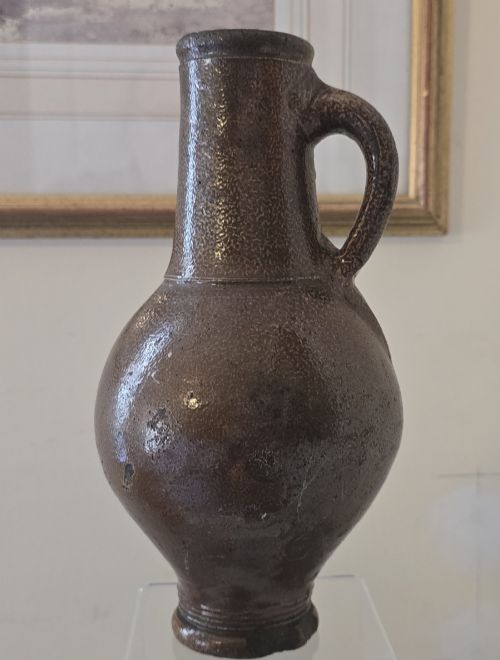
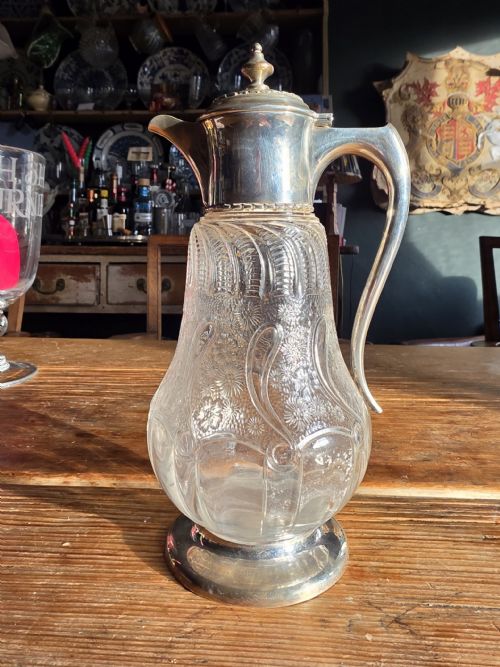
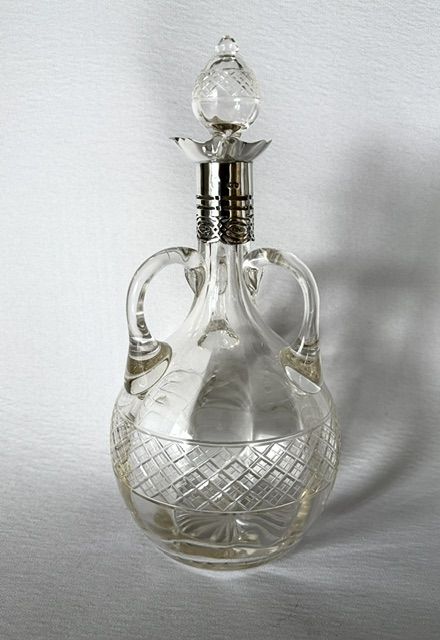
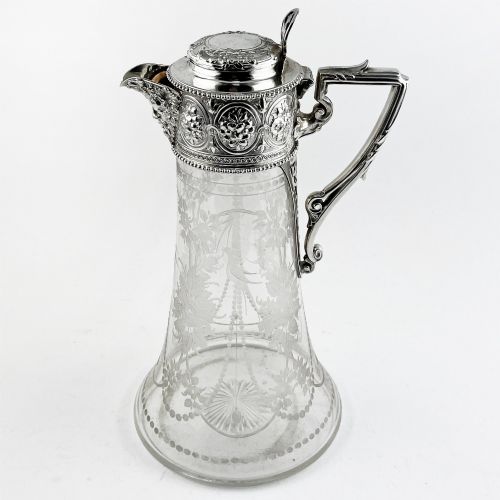
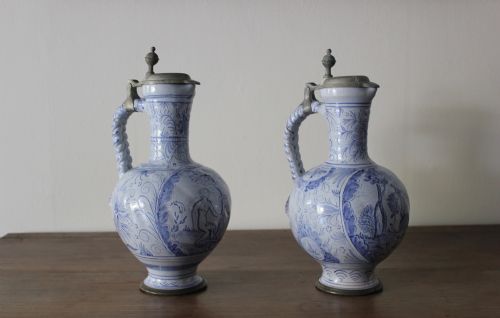
The Victorian and Edwardian eras dominate the current selection, offering heavily cut crystal bodies fitted with sterling silver or silver-plated mounts, alongside earlier German salt-glazed stoneware pitchers.
Buyers frequently encounter vessels tailored for claret and other table wines, reflecting the formal dining rituals of the nineteenth and early twentieth centuries.
Materials and construction methods
Glass bodies rely on techniques such as deep pillar and prism cutting, hand-blowing, and cameo overlay, creating heavy refractive surfaces that catch candlelight.
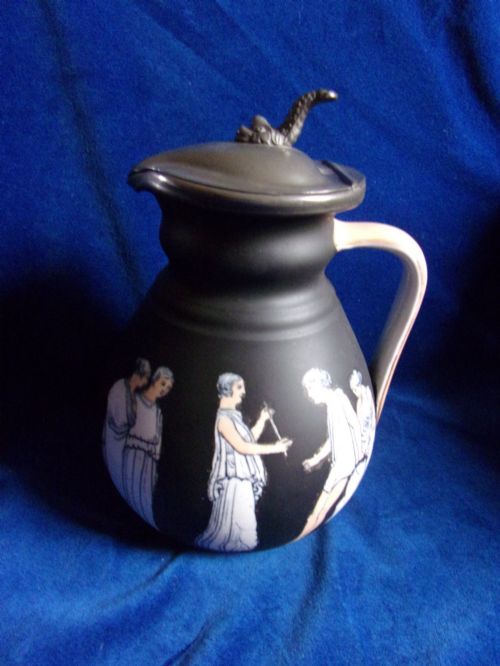
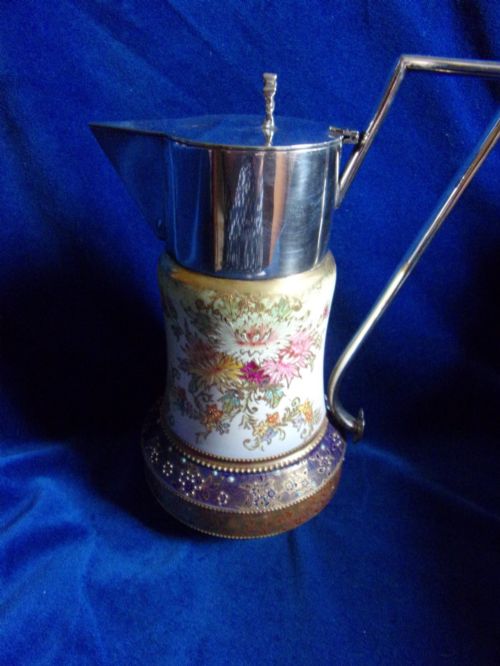
Metal mounts utilise sterling silver, silver plate, and pewter, cast into classical motifs like Bacchus masks or hammered into organic Arts and Crafts forms by makers such as Liberty and Co.
Several jugs stare back at diners with the sculpted face of Bacchus, the Roman god of wine, rendered in silver and bronze.
Distinctions in craftsmanship
Quality rests in the crispness of the glass cutting and the weight of the metal mount, where heavier gauge silver and deep, sharp wheel-cut facets separate superior examples from routine ones.
The integration between handle, collar, and spout dictates overall balance, showing whether a silversmith and a glassblower worked in harmony to create a cohesive vessel.
Asprey and Co. Ltd·Henry Matthews·Henry Bourne·Archibald Knox for Liberty Co·Simon Peter Gerz·Charles Meigh·Elkington·Barnard
The Antique Wine Jug Glossary
- Claret jug
- A specialised vessel designed specifically for serving red Bordeaux wine at the dining table. These typically feature a glass body with a hinged metal lid and handle.
- Ewer
- A large jug with a wide-spouted mouth and a bulbous body, historically used for pouring water or wine. Many Victorian examples adopt classical revival forms.
- Salt glaze
- A ceramic finish achieved by throwing common salt into the kiln during high-temperature firing, producing a characteristic textured surface resembling orange peel. This technique defines early German stoneware jugs.
- Silver plate
- A base metal, often copper or Britannia metal, coated with a thin layer of silver through electroplating or old Sheffield plating. It offered an accessible alternative to solid sterling silver during the nineteenth century.
- Crystal
- Glass containing lead oxide, which increases weight, clarity, and brilliance. It allows for deeper, sharper decorative cutting than standard soda-lime glass.
Antique Wine Jug: Frequently Asked Questions
How were antique wine jugs used?
These vessels served to decant and present wine at formal dining tables, allowing the vintage to breathe before pouring.
Wealthy households utilised silver-mounted crystal jugs for claret, while sturdier salt-glazed stoneware pitchers handled everyday table service in earlier centuries.
How do I date a silver mounted jug?
Dating relies heavily on the hallmarks stamped into the silver mounts by official assay offices, which indicate specific assay years and maker marks.
Stylistic cues such as heavy Victorian engraving or minimalist Arts and Crafts pewter work also help narrow down the decade of production.
Can I use an antique jug for serving wine today?
Most glass and silver-plated examples remain fully functional for serving wine or water during dinner parties, provided they receive careful hand washing.
Stoneware and older porous vessels are better suited for display rather than holding consumable liquids due to their age.