


Victorian Sterling Silver Jug
A victorian sterling silver jug brings nineteenth-century craftsmanship directly to the table, offering both decorative presence and functional service.
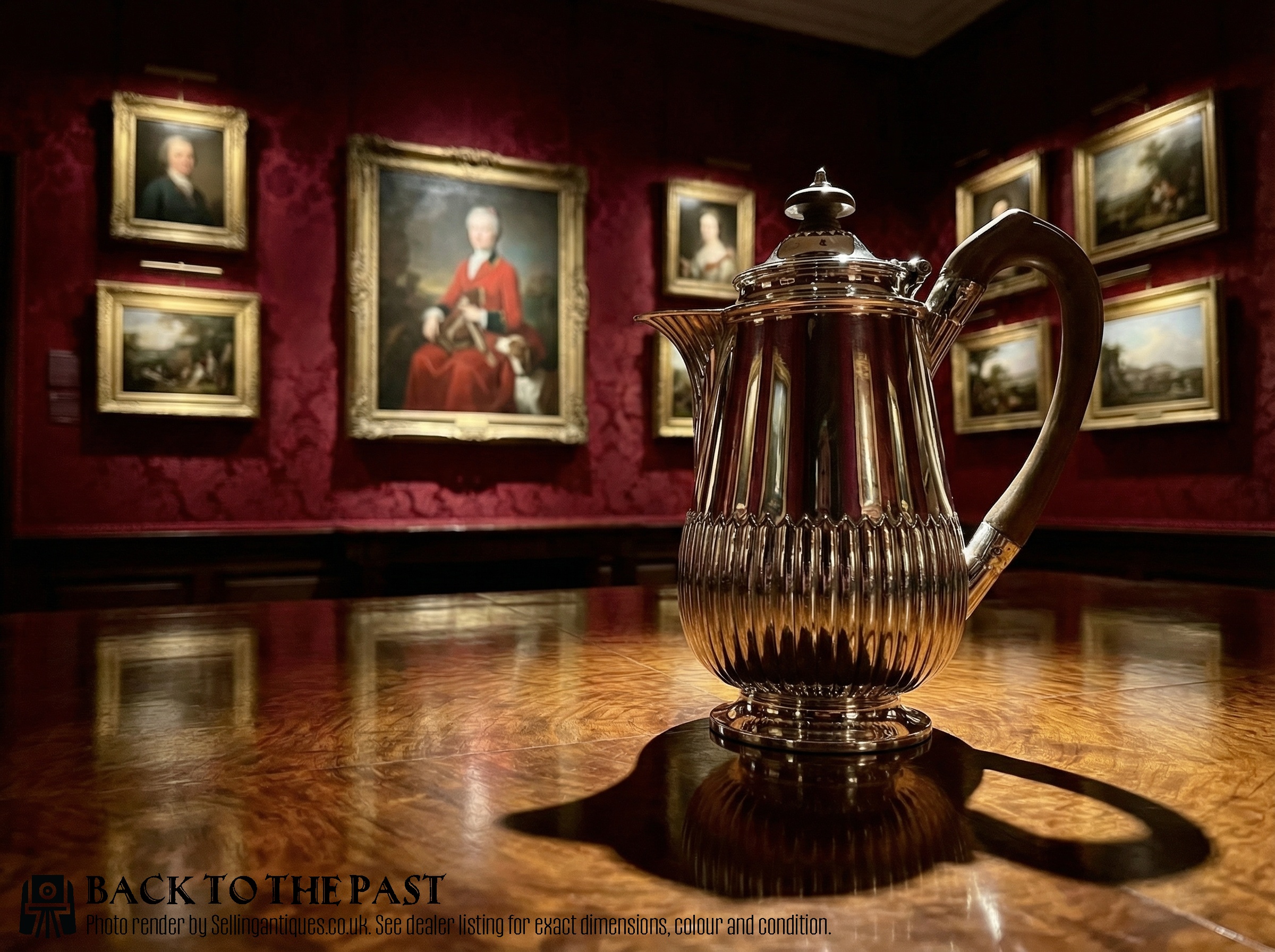
Victorian Sterling Silver Jug
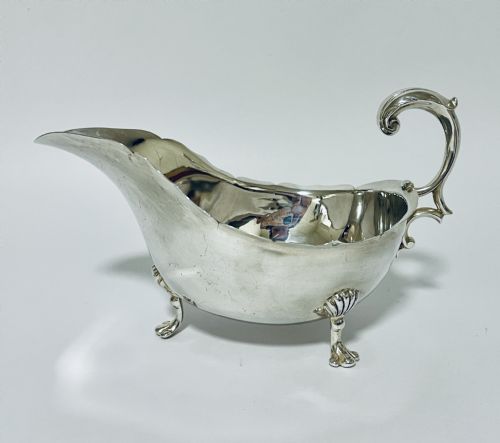
A victorian sterling silver jug encompasses a diverse group of domestic vessels designed for serving wine, cream, water, or sauces in nineteenth-century households. These items range from small cream jugs and sauce boats to tall, elaborate claret jugs and ewers.
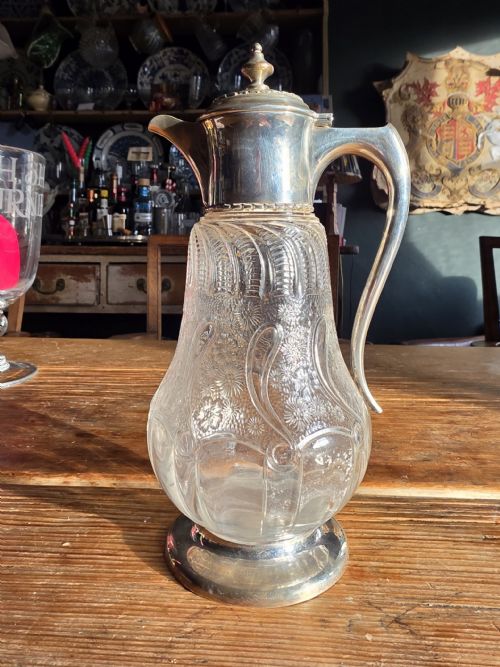
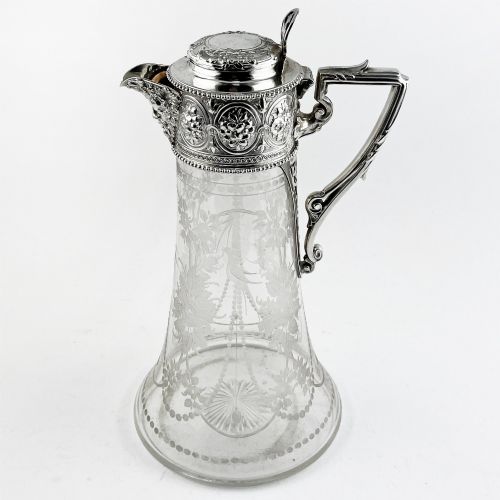
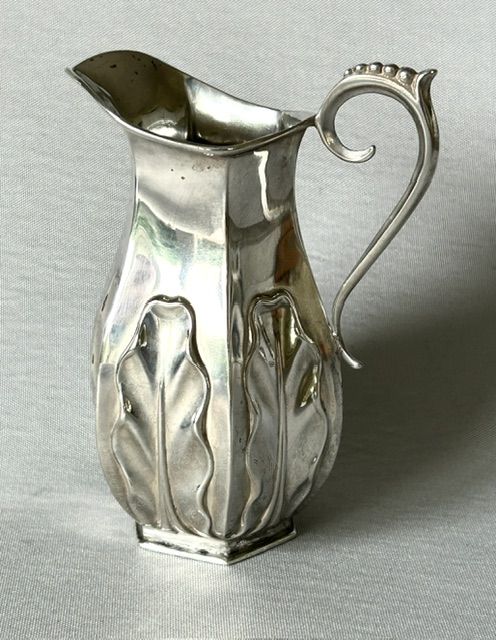
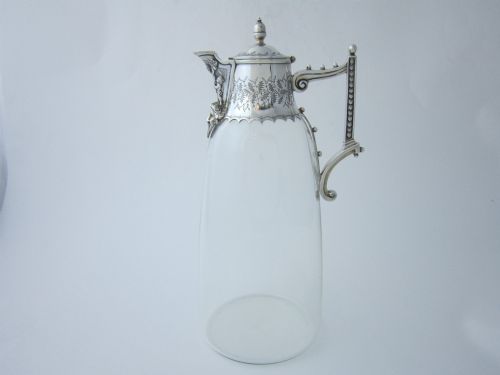
The versions most commonly met on this page include glass-bodied claret jugs mounted in sterling silver and solid silver cream jugs produced across the decades of the Victorian period. Examples often incorporate stylistic revivals, drawing on Georgian, French Rococo, or naturalist motifs.
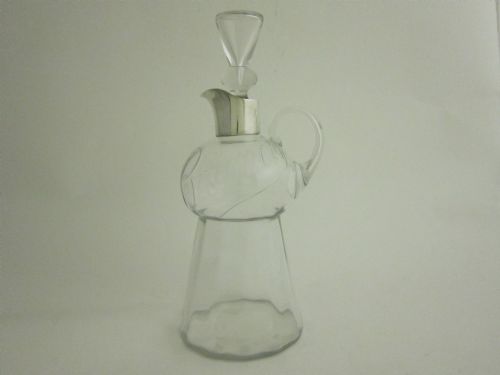
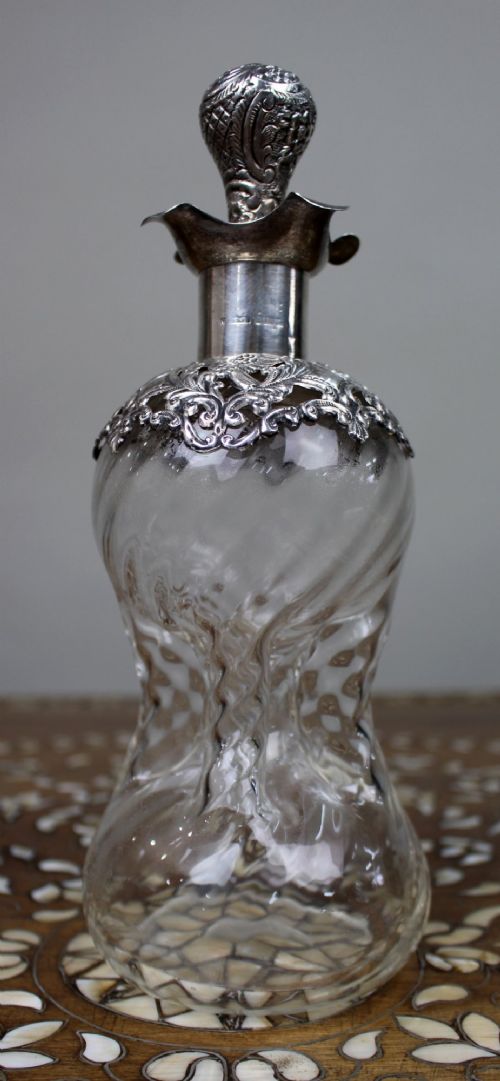
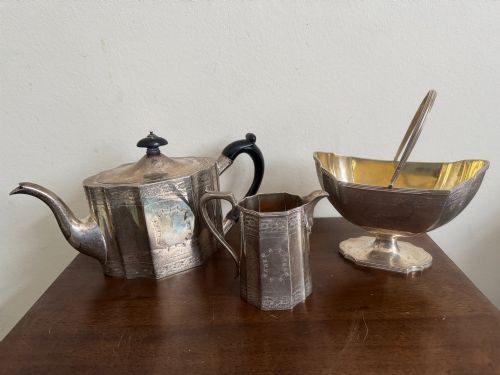
Makers utilised various forms, pairing heavy cut or etched glass with silver collars, handles, and hinged lids. Buyers also encounter hot water pots, tea sets, and decanters functioning within the broader category of Victorian holloware.
What varies in quality
The thickness and weight of the sterling silver metal determine the substance and durability of each piece, distinguishing substantial items from lighter productions. Heavier gauge silver allows for deeper chasing and more secure handle attachments.
Artisanal execution separates standard workshop items from exceptional productions, particularly in the crispness of hand-engraving, the naturalistic detail of cast motifs like acorns or animal crests, and the quality of the glass cutting.
Listings feature Victorian sterling silver jugs paired with cut crystal, etched glass, and carved ebony components across multiple decades.
John Rawlings·Hukin And Heath·Robert Hennell·George Fox
The Victorian Sterling Silver Jug Glossary
- Sterling silver
- An alloy consisting of ninety-two point five percent silver and seven point five percent other metals, usually copper, ensuring structural strength for domestic holloware.
- Claret jug
- A large pouring vessel specifically designed for serving red wine at the dining table, frequently combining a glass body with a hinged silver lid and mount.
- Repoussé
- A metalworking technique where the silversmith hammers the design from the reverse side to form a raised relief on the front.
- Chasing
- A method of working the surface of metal by sinking the material with punches to refine details after repoussé work.
- Holloware
- Tableware items such as jugs, teapots, and bowls that possess volume and internal capacity, as opposed to flatware.
- Ewer
- A large, ornamental pitcher with a wide spout and elaborate handle, historically used for pouring water or wine.
Victorian Sterling Silver Jug: Frequently Asked Questions
How do I clean a silver claret jug?
Wash the glass body and silver mounts separately using warm soapy water and a soft cloth to protect the metal surface. Avoid abrasive cleaners that can damage crisp hand-engraving or dull the antique polish.
Ensure the hinged lid mechanism dries thoroughly after washing to prevent moisture accumulation around the pin and collar joints.
Were these jugs used for daily dining?
Many Victorian silver jugs served active roles in formal dining rooms, afternoon tea services, and sideboard displays. Wealthy households utilised specialised vessels for specific beverages like claret, cream, water, and hot milk.
Heavier pieces with robust glass bodies were built for regular use, while highly ornate presentation pieces remained primarily decorative.
How do I identify the date of a piece?
British sterling silver bears hallmarks stamped by official assay offices in cities like London, Birmingham, and Sheffield. These marks typically include a date letter indicating the exact year of assay.
Additional sovereign duty marks and maker's initials help narrow down the period of manufacture within the Victorian era.