



Late Victorian Silver Pot
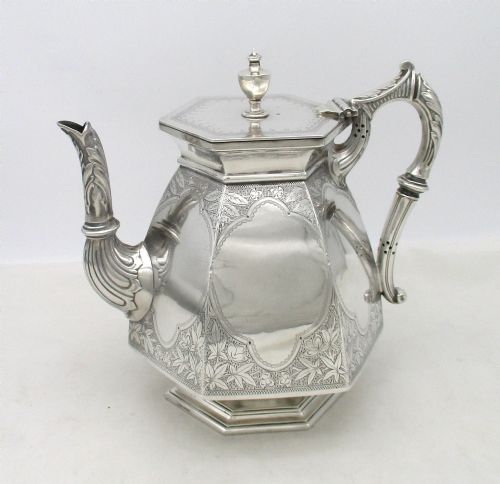
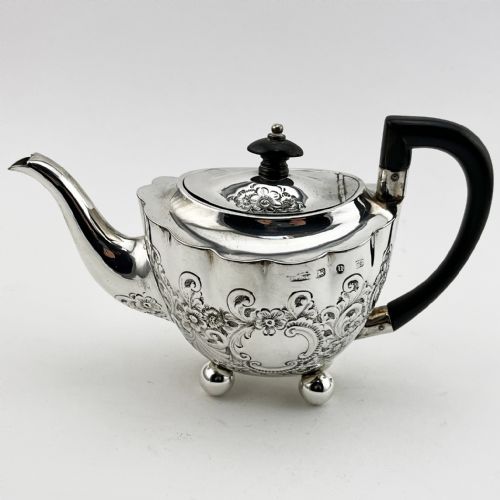
These late victorian silver pot selections bring together tea ware, condiment vessels and trinket boxes from the closing decades of the nineteenth century.
Late Victorian Silver Pot
A late victorian silver pot encompasses a diverse range of domestic vessels from tea pots and coffee pots to mustard pots, pomanders and string jars created during the Victorian, 1890, 19th Century, 1900 and 1880 periods.
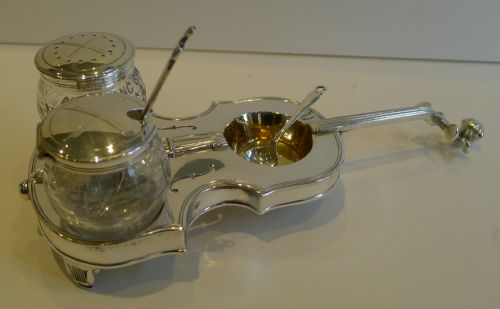
Tea pots in bachelor and family sizes dominate the selection alongside cruet sets, condiment holders and novelties such as violin cruets and milk churn pepper mills.
Makers and silversmiths utilised various forms including drum shapes, lobed ovals and globe shapes to satisfy the dining and dressing table requirements of the era.
Materials and Construction Techniques
Silversmiths and manufacturers worked primarily in sterling silver and silver plate, alongside electroplated nickel silver and copper bases.
Pieces frequently incorporate glass, cut glass, cranberry glass, ebonised wood, oak, walnut, brass and wirework to complement the metal components.
Some Victorian honey pots feature a figural bee perched upon a basket weave silver plate body.
Judging Quality in Period Metalware
Distinctions in quality arise from the crispness of chased and embossed decoration, such as lattice styles, herons, bull rushes and cherub motifs.
The integration of secondary materials like cut glass bowls, oak trays and ebonised details separates standard utilitarian pieces from more ambitious domestic objects.
Elkington & Co·Nathan & Hayes·Hukin & Heath·Holland & Slater·Thomas Bradbury·William Comyns
The Late Victorian Silver Pot Glossary
- Bachelor Teapot
- A small scale teapot designed for single service during the late nineteenth century. These compact vessels were particularly popular for individual morning use.
- Cruet Set
- A collection of small bottles or pots for holding condiments and sauces at the dining table. They frequently sit in fitted silver plated or wooden stands.
- Pomander
- A small container used for holding aromatic substances such as herbs and spices. Double pomanders from this period divided the interior space for different scents.
- String Jar
- A specialised container designed to hold twine or string with a central aperture in the lid. They often combined cut glass bodies with sterling silver mounts.
- Silver Plate
- A base metal coated with a thin layer of silver through electroplating or older techniques. Electroplated nickel silver appeared widely across utilitarian household forms.
Late Victorian Silver Pot: Frequently Asked Questions
What is a bachelor teapot?
A bachelor teapot is a reduced scale version of the standard tea pot intended for a single person. They reflect the domestic habits of smaller households in the late Victorian period.
These pieces offer the same aesthetic detail as larger family tea pots while occupying considerably less space on a tray or table.
How do I identify a mustard pot?
Mustard pots are small lidded containers designed to hold prepared mustard on the dining table. They frequently feature hinged lids and fitted glass liners.
Examples from this era often display embossed ornamentation, cherub motifs or figural designs that distinguish them from salt cellars and pepper pots.
What is electroplated nickel silver?
Electroplated nickel silver is a composite material formed by depositing a layer of silver onto a nickel alloy base via electricity. This technique allowed manufacturers to produce durable tableware efficiently.
It became the primary method for creating silver plated teapots, cruet stands and coffee pots during the nineteenth century.
How were novelty cruet sets used?
Novelty cruet sets served both a functional purpose at the dining table and a decorative conversation piece for guests. Makers styled them as musical violins, butlers trays or milk churns.
They combine utilitarian condiment holders with whimsical nineteenth century design influences.