
Victorian Single Door Cabinet
A victorian single door cabinet is a compact storage piece offering practical elegance for period interiors.
Victorian Single Door Cabinet
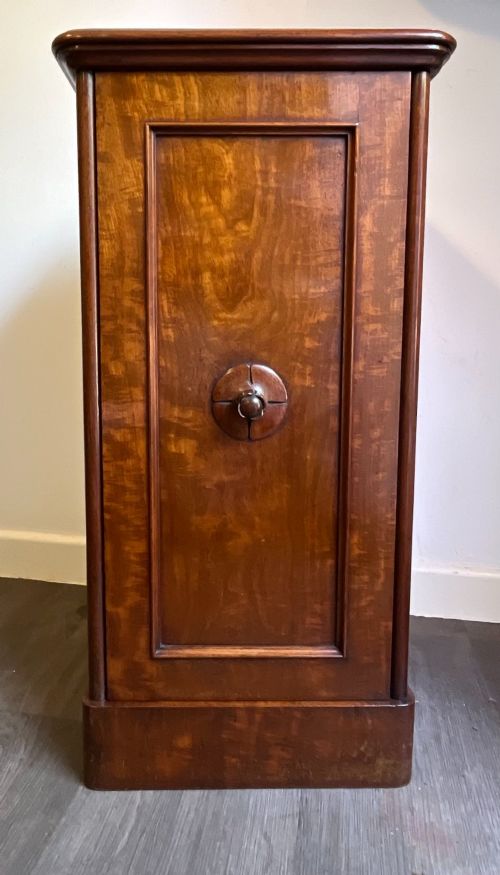
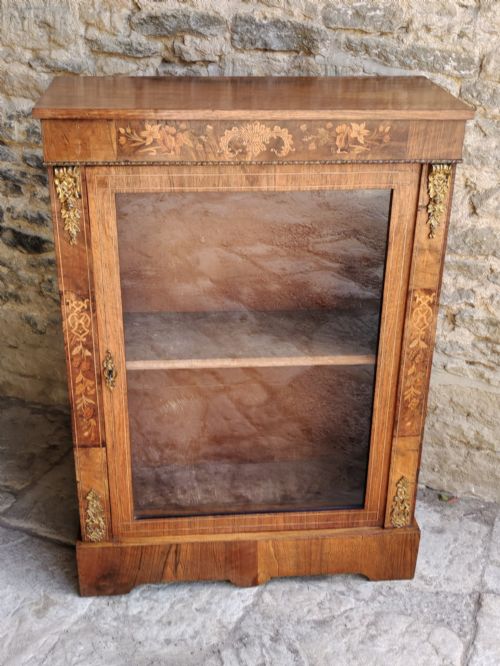
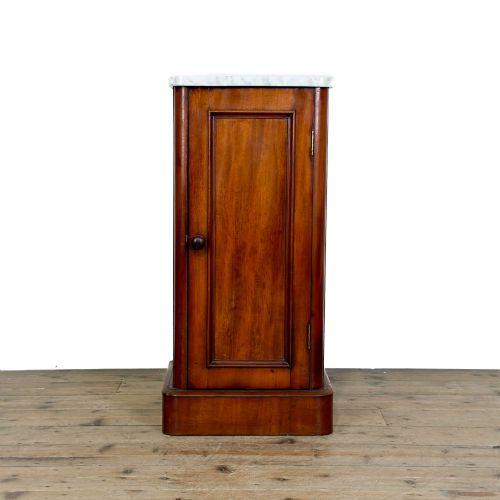
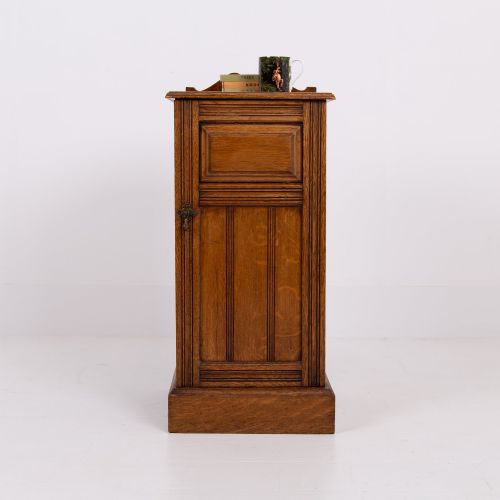
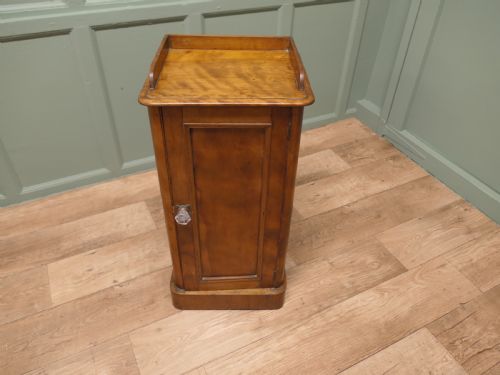
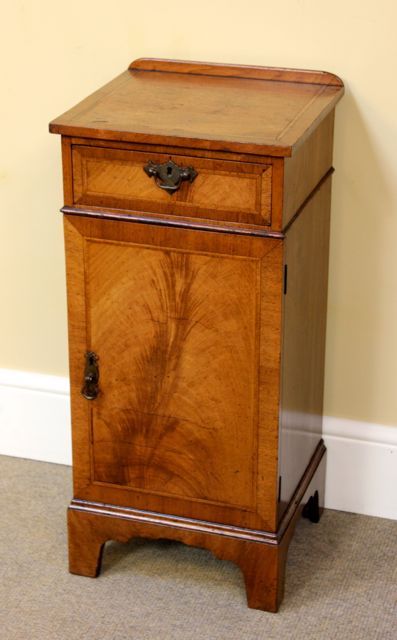
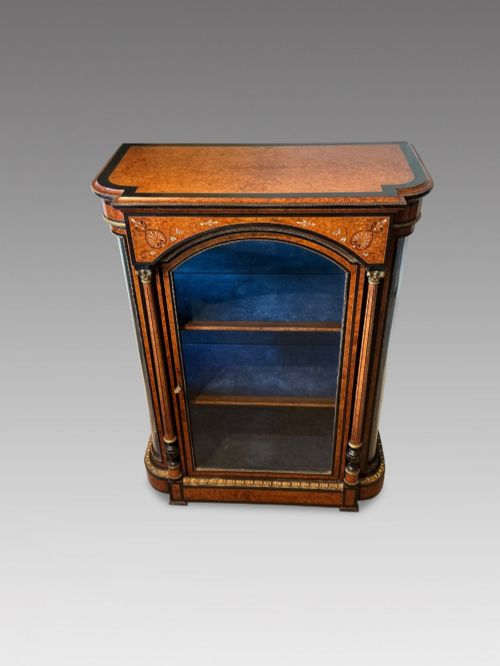
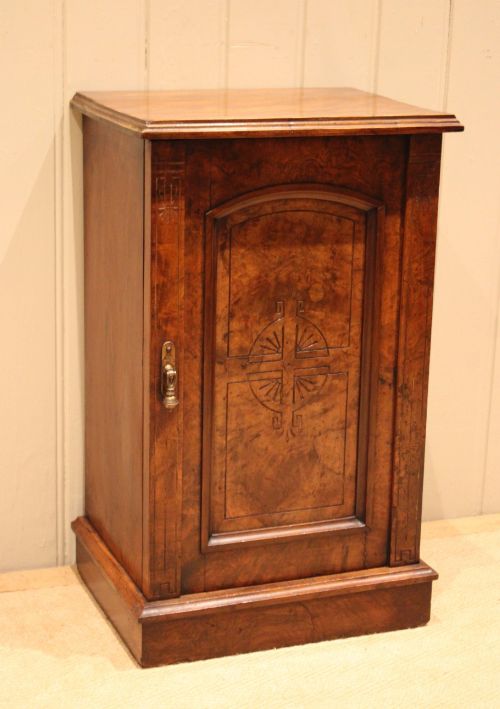
A victorian single door cabinet encompasses diverse forms including pier cabinets, bedside tables, pot cupboards, and display units. These pieces emerge predominantly from the nineteenth century, spanning from early periods through to Edwardian transitions.
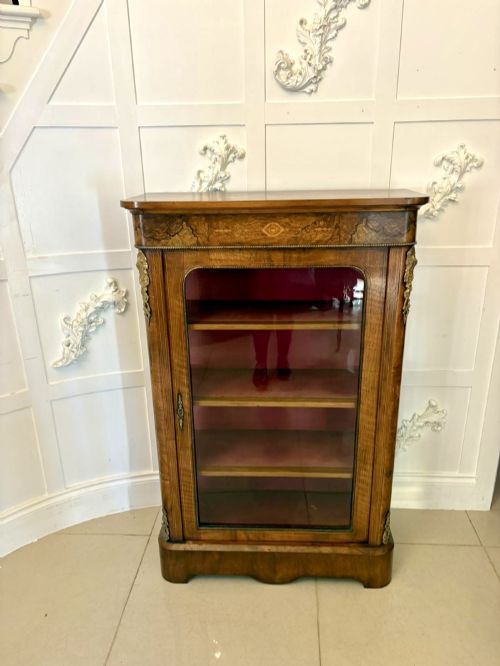
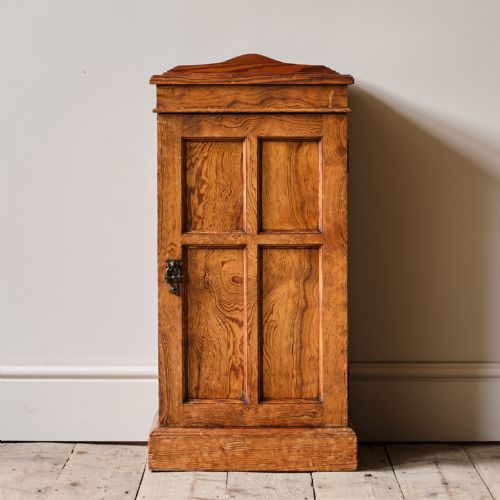
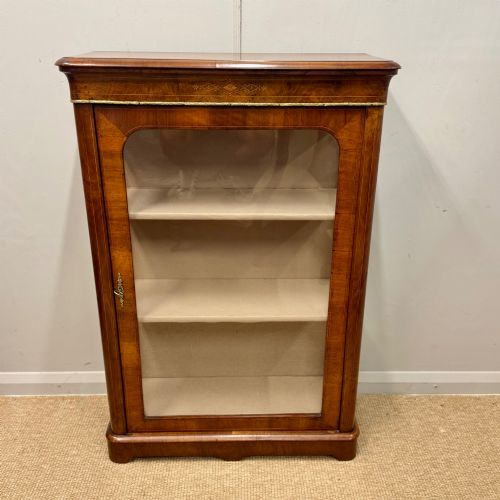
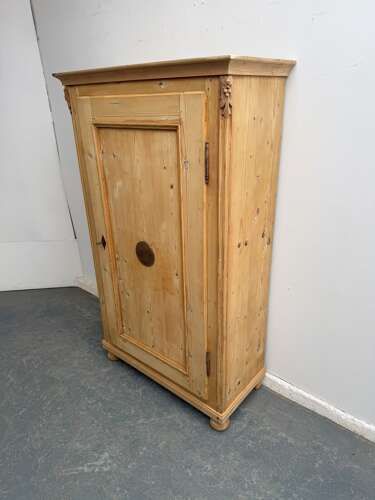
Buyers frequently encounter variants fashioned from pine, walnut, and mahogany. Styles range from utilitarian country pine storage cupboards to ornate walnut pier cabinets with inlaid details and glass fronts.
Origins include domestic bedrooms, halls, and parlours, where single door configurations provided neat storage for books, linens, and personal items. The selection reflects both formal reception rooms and practical household utility.
Materials and Techniques
Cabinet makers utilised timbers such as mahogany, walnut, burr walnut, and pine, often combining solid construction with decorative veneers. Brass mounts, glass panels, and iron hardware provide functional and aesthetic accents.
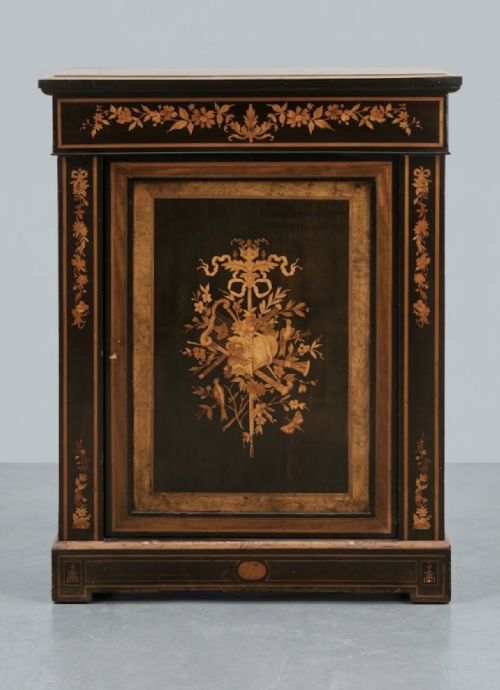
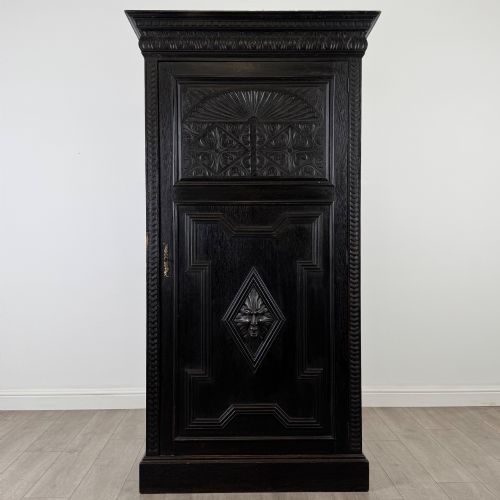
Surface treatments involve polishing, waxing, and ebonising, highlighting the natural grain of the wood. Inlaid marquetry and carved details appear on finer parlour pieces, whilst utility cupboards rely on simple fielded panels.
Listings feature woods including pine, mahogany, walnut, burr walnut, rosewood, and bird's-eye maple across nineteenth-century styles.
Judging Quality
Quality rests upon the selection of timber, such as highly figured burr walnut or dense mahogany, paired with precise joinery. Superior examples exhibit refined inlay work, well-fitted doors, and original glass or hardware.
Simpler pine storage cupboards depend on clean lines, sound structural timber, and honest waxed or painted surfaces. The integrity of the single door hanging and the crispness of any carved or turned elements separate standard pieces from exceptional ones.
The Victorian Single Door Cabinet Glossary
- Pier cabinet
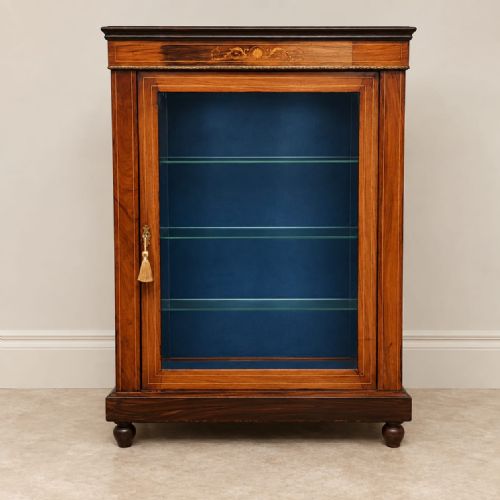
- A low cabinet designed to fit against the wall space between windows. These pieces often feature glass doors and internal shelving for display.
- Pot cupboard
- A small bedside cabinet originally constructed to house a chamber pot. They typically present a single door enclosing a compact shelf space.
- Burr walnut
- A highly prized wood veneer derived from the growths on walnut trees. It yields a swirling, highly decorative grain pattern.
- Inlay
- A technique where contrasting materials such as lighter woods or brass are inserted into the timber surface to create decorative motifs.
- Ebonised
- Timber treated with a finish to imitate expensive ebony. This dark, formal treatment appears frequently on nineteenth-century parlour furniture.
Victorian Single Door Cabinet: Frequently Asked Questions
What rooms suit a victorian single door cabinet?
These compact pieces fit well in bedrooms as bedside tables or in hallways for tidy storage. Their modest footprint allows them to occupy narrow wall spaces without dominating the room.
Display variations serve effectively in sitting rooms to hold books or small collections behind glass doors.
How do I identify a pier cabinet?
Pier cabinets are traditionally shallow pieces built to stand against the wall between windows. They frequently feature glazed single doors and velvet-lined interiors.
Walnut and burr walnut are common timbers for these more formal parlour pieces.
Were these cabinets used for clothes?
Smaller single door pieces held chamber pots, books, or bedside items rather than garments. Larger examples functioned as pot cupboards or narrow linen presses.
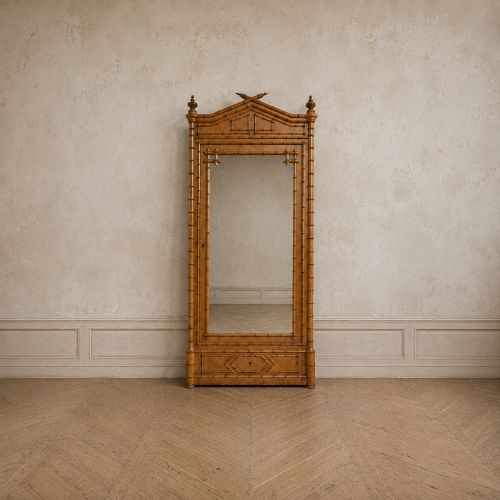
Wardrobes and armoires served the primary purpose of clothing storage in nineteenth-century homes.
How do I care for the wood finish?
Polished mahogany and walnut benefit from occasional dusting with a soft cloth and gentle waxing to nourish the timber. Avoid placing these pieces in direct sunlight or near heat sources to prevent veneer lifting.
Pine cupboards finished with wax can be maintained with similar traditional wax applications.