


Decorative Storage Cabinet
A decorative antique storage cabinet brings functional containment and rich surface ornament to a room, spanning styles from Chinoiserie lacquered cupboards to inlaid mahogany pieces.
Decorative Storage Cabinet
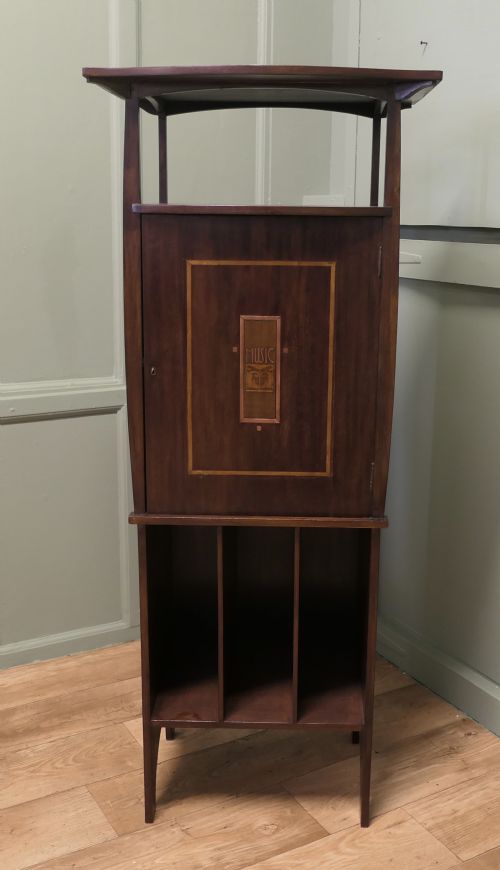
A decorative antique storage cabinet serves to house household items while providing a strong visual focal point through painted, inlaid, or carved surfaces. When you search for this phrase, you encounter diverse forms ranging from tallboys and music cabinets to sideboards and specialised cupboards.
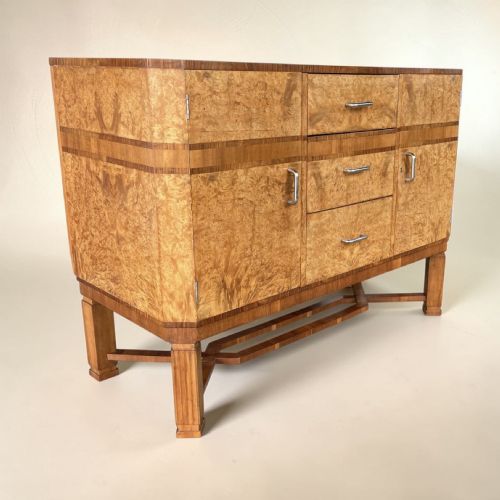
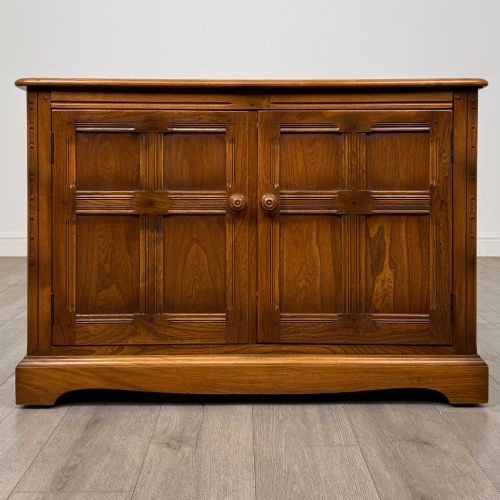
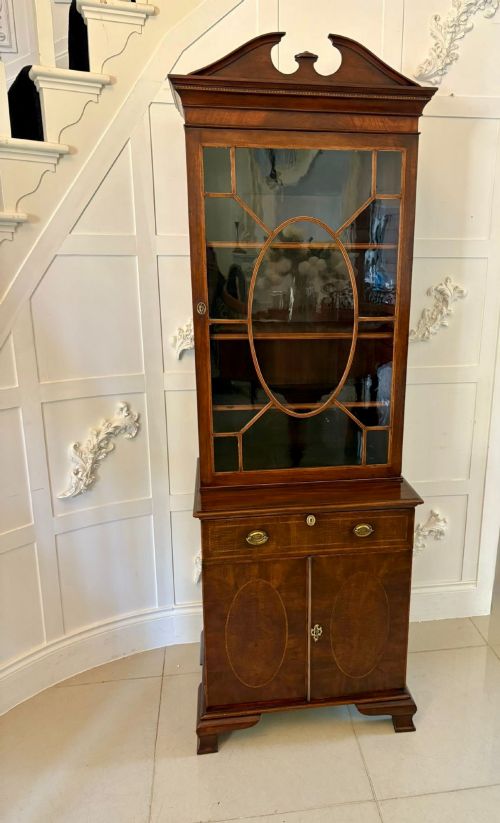
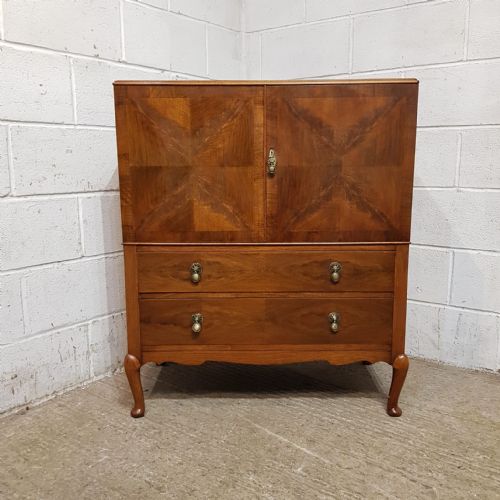
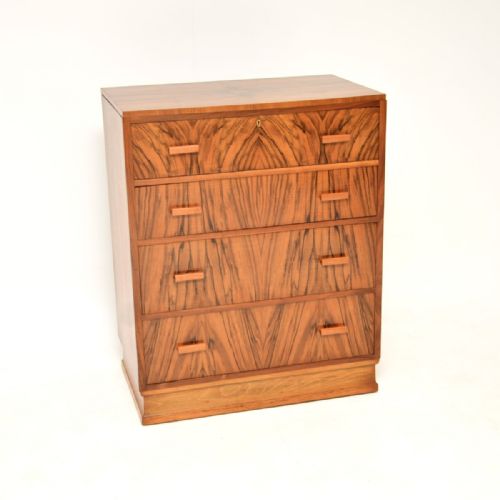
The pieces appearing on this page span several centuries and regional traditions, including Victorian mahogany bookcases, Edwardian coal boxes, and 1930s Art Deco walnut chests. Mid-period and early twentieth-century examples dominate the selection, often featuring painted finishes or intricate wood inlays.
Makers and regional workshops produced these items in various scales, from diminutive console side cabinets to large single-door cupboards. Their primary function remains storage, yet their decorative execution distinguishes them from utilitarian furniture.
How they were made
Cabinetmakers utilised solid timbers such as mahogany, oak, walnut, and pine as the structural foundation for these pieces. Burr walnut and birds-eye maple veneers frequently provided figured surfaces on drawer fronts and doors.
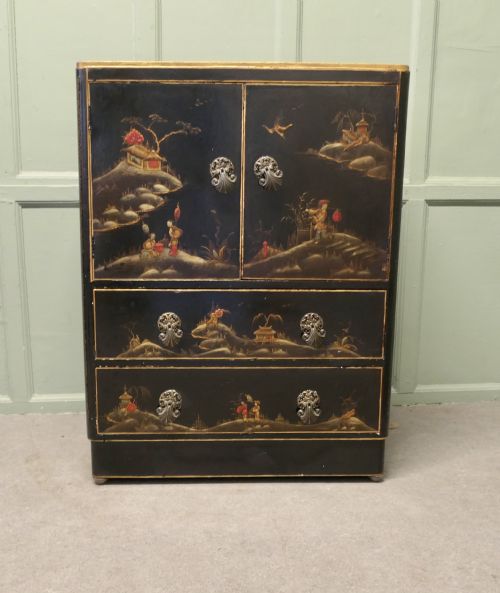
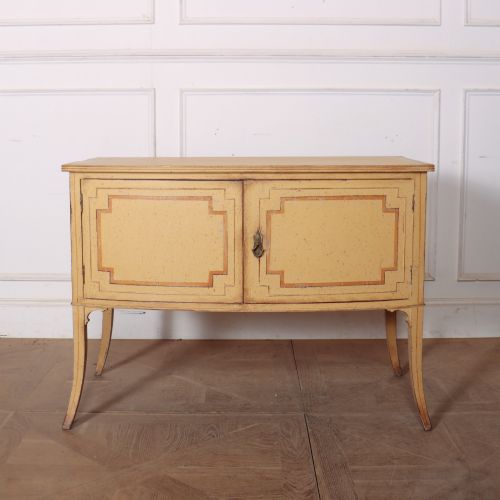
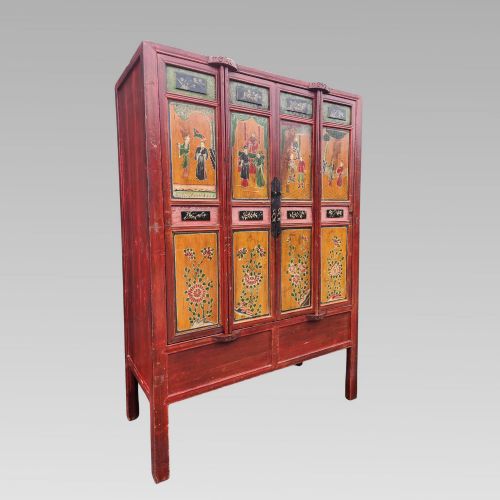
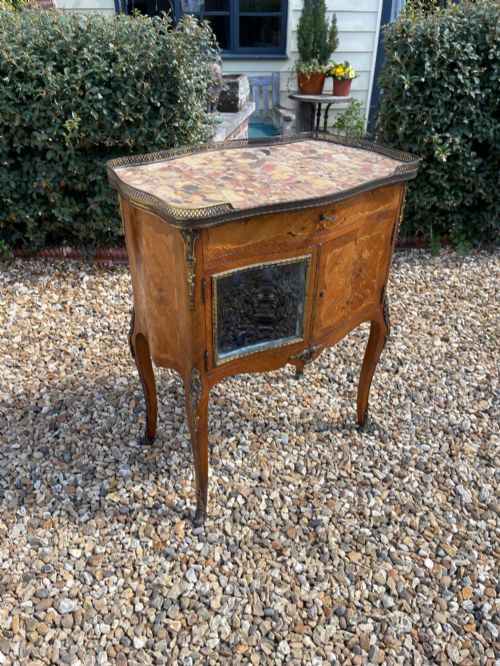
Decorative detailing involved brass hardware, gilt-metal mounts, porcelain plaques, and meticulous wood inlay. Painted finishes, including black and red Chinoiserie lacquer and polychrome pigments, transformed plain wooden carcases into elaborate surface displays.
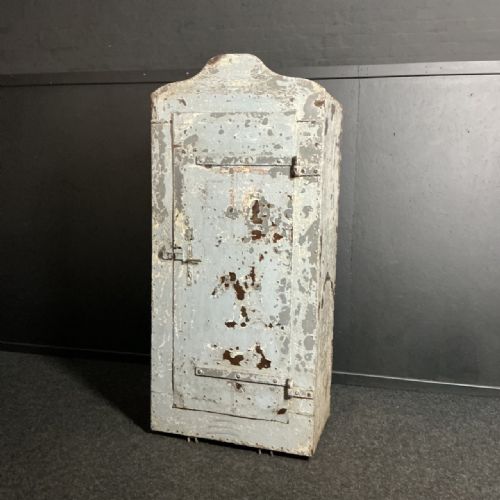
Listings feature periods from the early 18th century through to the Art Deco era of the 1930s, using materials such as burr walnut, painted steel, and brass.
What varies in quality
The sophistication of the timber selection and the precision of the veneer work distinguish superior examples from standard ones. Figured grains like burr walnut or flame mahogany require expert matching across panels.
Hand-painted lacquer work, intricate wood inlay, and the integration of specialised mounts such as porcelain plaques indicate higher workshop standards. The execution of carved details and the stability of the primary timber frame further separate the grades.
GM Elwood for JS Henry·Gordovil Spain·Melissa White
The Decorative Storage Cabinet Glossary
- Chinoiserie
- European decorative style reflecting Chinese artistic influences, typically characterised by lacquered surfaces and painted motifs in gold, red, or black. This finish appears frequently on storage cupboards from the early twentieth century.
- Burr walnut
- Timber taken from walnut tree growths, producing swirling, intricate grain patterns prized for decorative veneer work. It is commonly found on drawer fronts and cabinet doors.
- Inlay
- Technique of inserting contrasting pieces of wood, metal, or shell into a solid wood surface to form decorative patterns. Nineteenth-century examples often use delicate floral or geometric lines.
- Tallboy
- A tall piece of furniture combining a chest of drawers with an upper section, designed to maximise vertical storage space. These pieces utilise various timbers including burr walnut.
- Purdonium
- A specialised Victorian coal box featuring a sloping front and a compartment to store fuel next to a fireplace. These serve as compact decorative storage items.
Decorative Storage Cabinet: Frequently Asked Questions
What rooms suit a decorative storage cabinet?
These cabinets suit living rooms, hallways, and bedrooms where both containment and visual interest matter. Their decorative surfaces allow them to function as standalone statement pieces.
Smaller variants like music cabinets or coal boxes fit beside seating areas, while larger sideboards and tallboys anchor larger wall spaces.
How do I identify Chinoiserie lacquer work?
Chinoiserie pieces display painted oriental motifs, figures, and landscapes against a black, red, or polychrome lacquered background. The surface often has a polished sheen.
These finishes were applied across various periods, particularly the early twentieth century, to create striking decorative storage cupboards.
What is the difference between a tallboy and a chest of drawers?
A tallboy provides vertical storage by stacking multiple drawer sections high, often utilising figured veneers like burr walnut or mahogany. A standard chest of drawers keeps a lower, broader profile.
Both serve to store garments or textiles while offering distinct visual proportions within a room.
Are these cabinets suitable for modern interiors?
Their diverse styles, ranging from clean Art Deco lines to ornate Victorian inlays, allow them to contrast with or complement contemporary spaces. They provide functional storage while introducing historic craftsmanship.
Selecting a piece depends on the scale of the room and the existing timber tones or painted accents.