

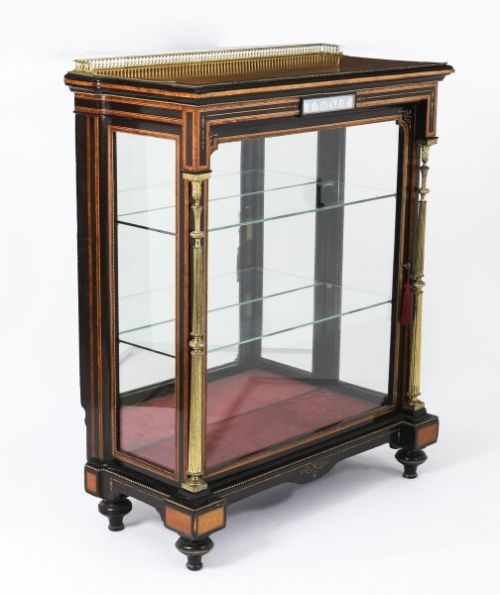


Ormolu Ebonised Cabinet
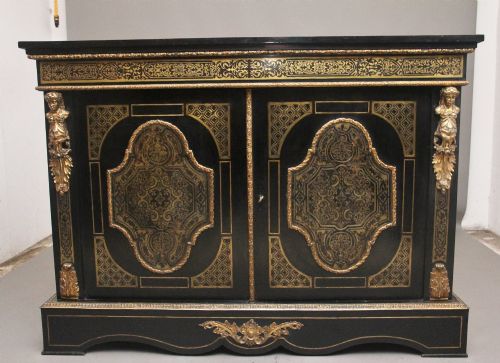
An ormolu ebonised cabinet combines darkened wood with gilt bronze mounts to create striking Victorian and French focal points.
Ormolu Ebonised Cabinet
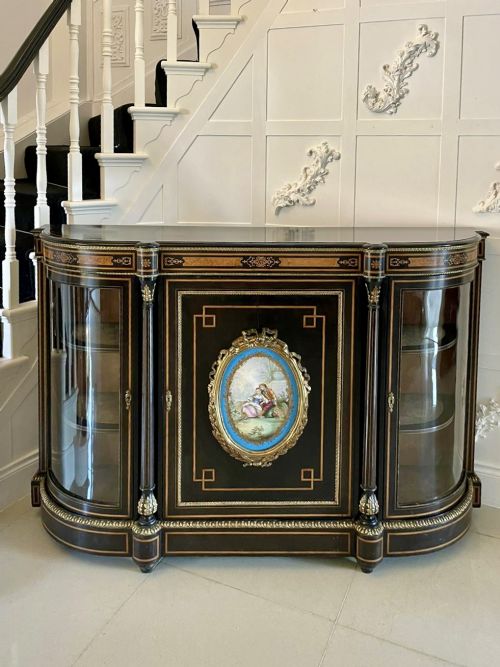
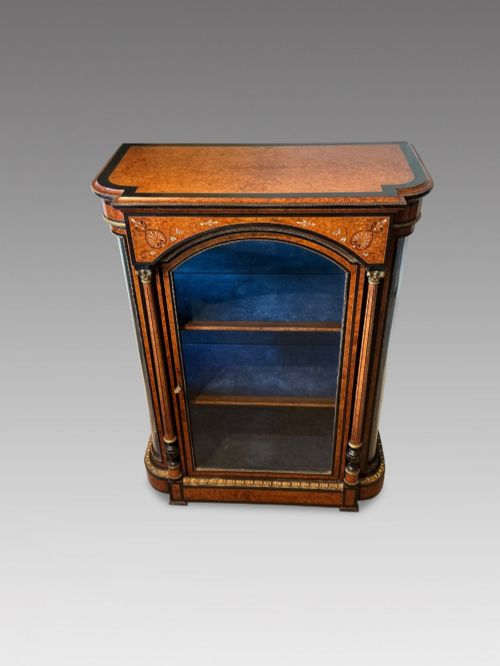
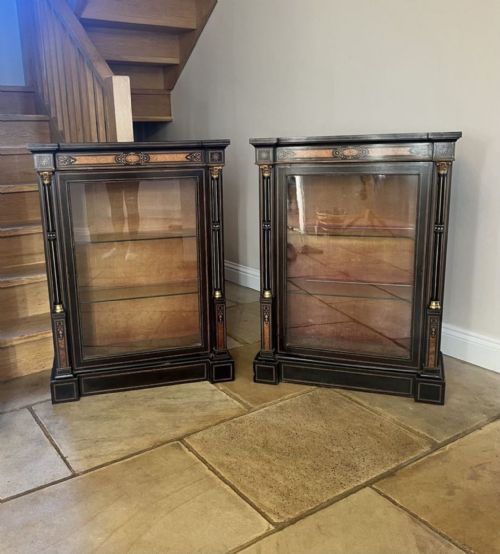
An ormolu ebonised cabinet is a decorative piece designed for formal reception rooms, encompassing various forms such as credenzas, pier cabinets, and display bookcases. These items originate predominantly from the Victorian era and the nineteenth century, drawing heavily on French Napoleon III and Empire design influences.
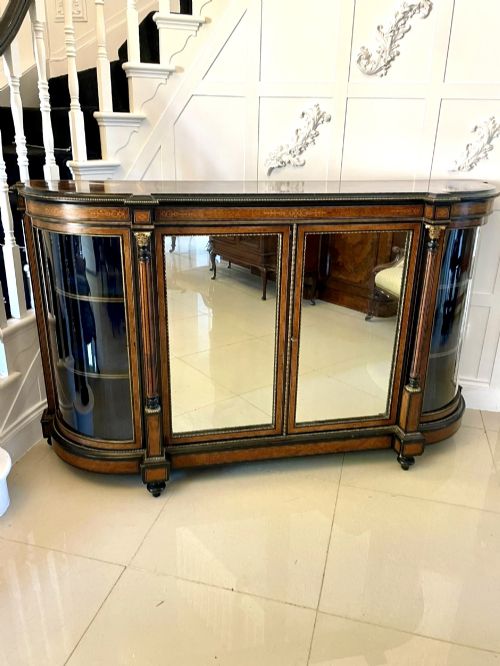
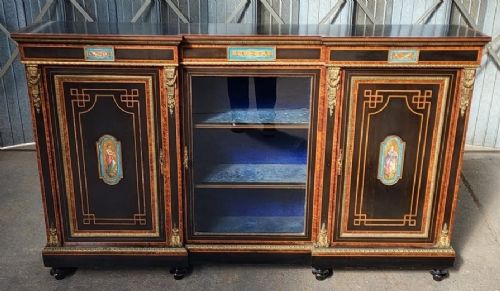
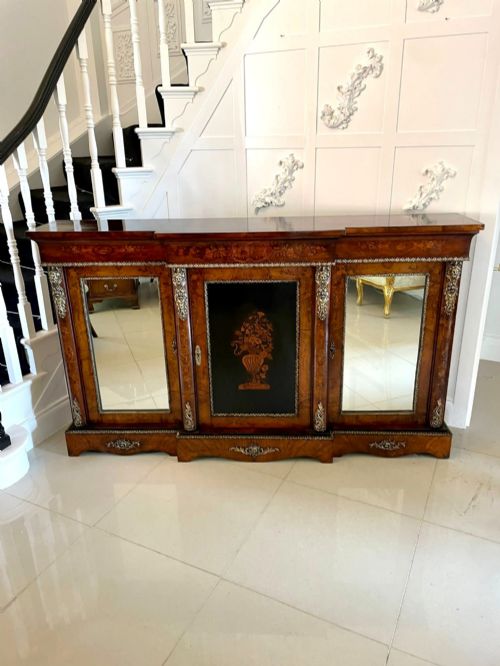
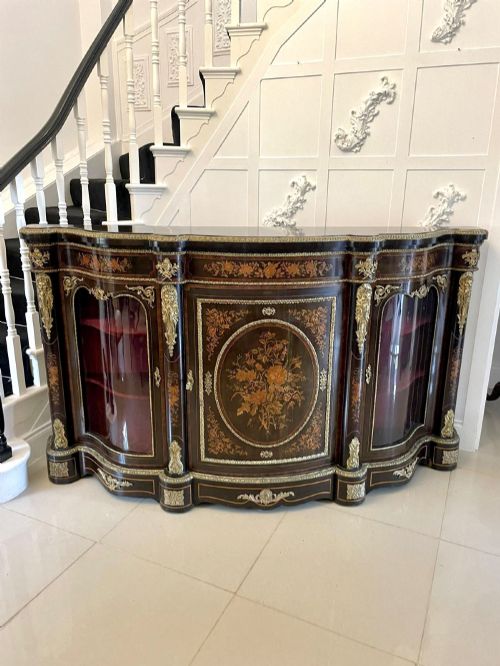
The credenza is the most frequent form encountered on this page, often appearing with serpentine fronts or three doors. Alongside these, pier cabinets and glazed display cabinets form the core selection available to collectors.
How they were made
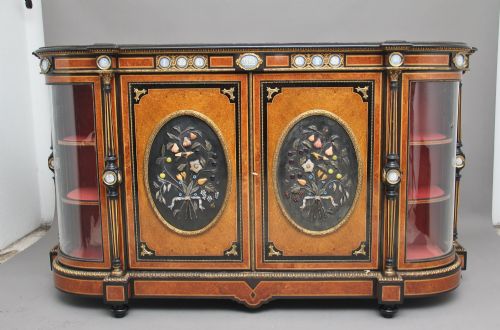
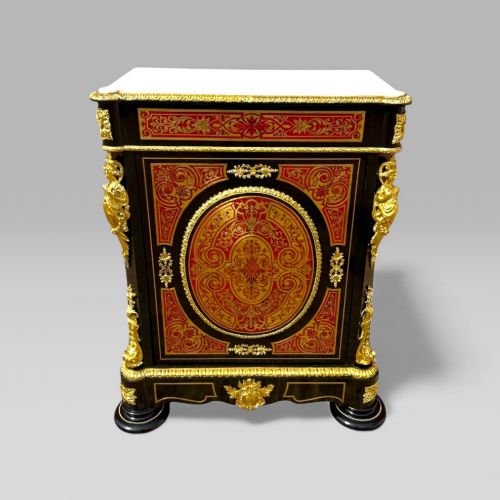
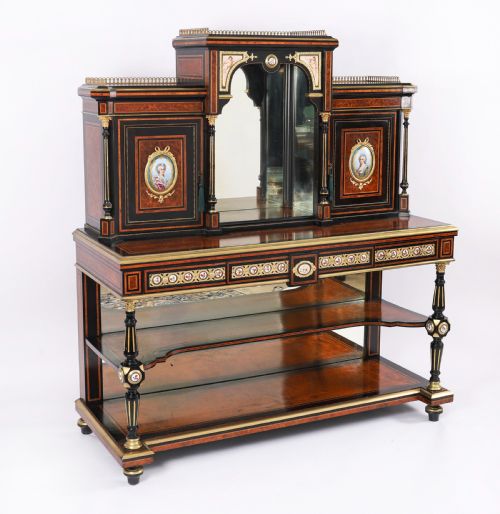
Cabinet makers achieved the characteristic dark finish by ebonising wood, frequently combining it with amboyna, burr walnut, and satinwood for contrasting marquetry inlays. Ormolu mounts, cast in brass or bronze and gilded, were then applied to frame doors, corners, and plinths.
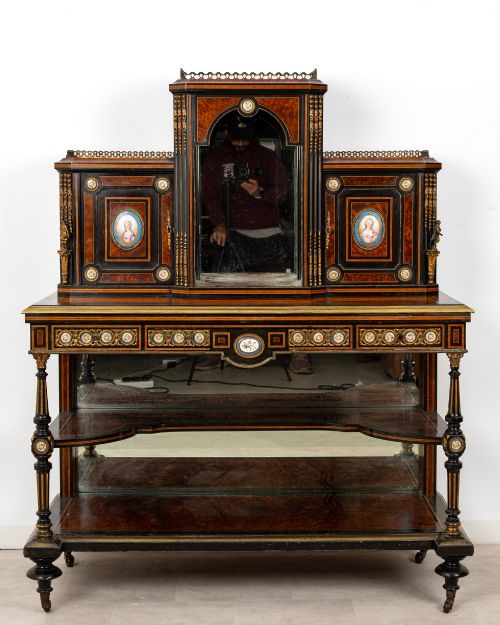
Many examples incorporate glass panels for display, while select French pieces integrate boulle work featuring tortoiseshell and brass marquetry, or porcelain plaques painted in a Sevres style.
Object forms span credenzas, pier cabinets, and occasional side tables with marble or glass tops.
What varies in quality
The standard of an ormolu ebonised cabinet depends significantly on the crispness of the gilt bronze mounts and the complexity of the wood marquetry. Finer examples display meticulous hand-chased detail in the ormolu and intricate floral inlays executed in contrasting timber veneers.
Structural proportion and the integration of specialised elements, such as marble tops or genuine tortoise-shell boulle work, separate standard production pieces from exceptional workshop creations.
The Ormolu Ebonised Cabinet Glossary
- Ormolu
- Gilt bronze mounts applied to furniture as decorative enrichment. This technique was widely utilised during the nineteenth century to accent dark cabinet work.
- Ebonised
- Wood finished to resemble ebony through staining or painting. It provides a stark, dark ground that highlights metallic mounts and light wood inlays.
- Boulle
- Marquetry technique utilising brass and tortoiseshell inlaid in ornate patterns. It is frequently seen on French Napoleon III pier cabinets and credenzas.
- Credenza
- A low cabinet, often featuring glazed central doors flanked by curved side cupboards. These pieces served both display and storage functions in Victorian interiors.
- Marquetry
- Decorative veneer patterns assembled from various woods to form floral or geometric motifs. Craftsmen cut these thin sections of timber to fit precisely into the cabinet surface.
Ormolu Ebonised Cabinet: Frequently Asked Questions
How were these cabinets used historically?
Historically, these cabinets functioned as credenzas or pier units to display porcelain, glassware, and decorative objects in drawing rooms.
Their glass doors and mirrored backs allowed light to reflect around the interior spaces of nineteenth-century homes.
How do I style one in a modern home?
You can place a credenza or pier cabinet against a neutral wall to let the dark ebonised wood and metallic mounts stand out as a focal point.
They work well in living spaces or dining rooms where they can hold tableware or display collections behind glass.
How can I tell Victorian from French pieces?
Victorian examples often draw on English tastes or incorporate specific marquetry patterns, while French Napoleon III pieces frequently feature boulle work or marble tops.
Both styles utilise ebonised timber and ormolu mounts, reflecting the shared design vocabulary of the mid to late nineteenth century.