

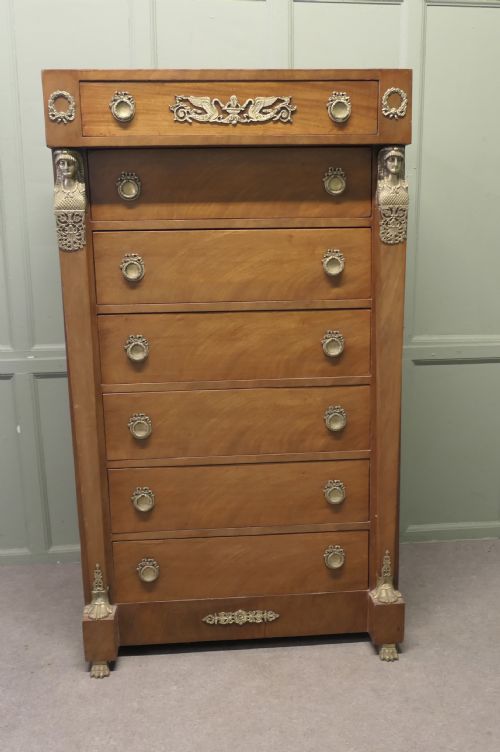
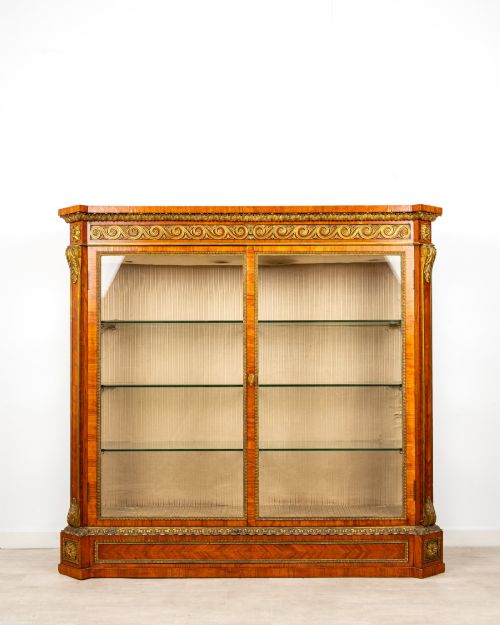
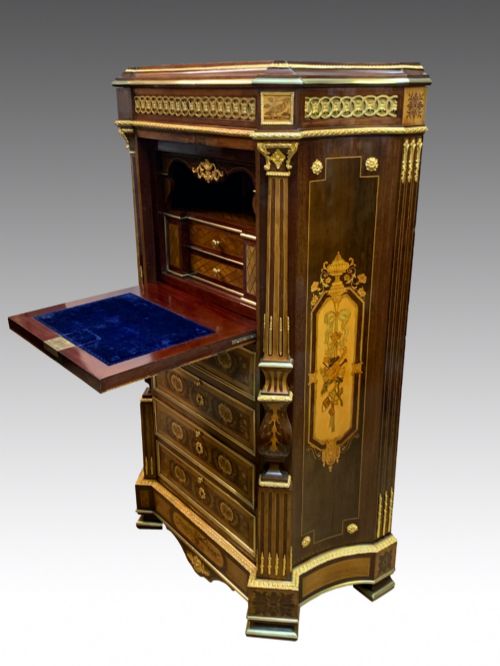
Gilt Mounted Cabinet
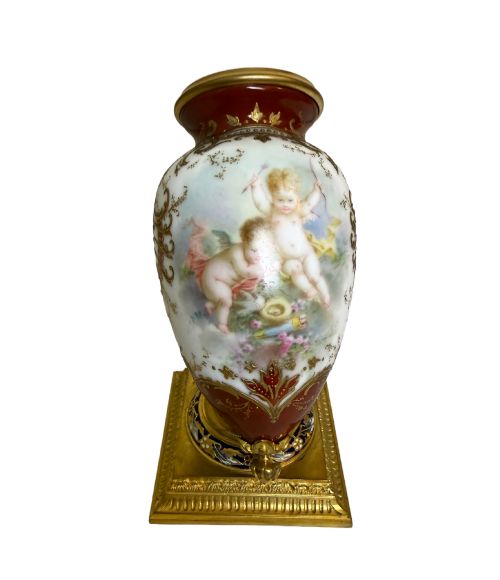
A gilt mounted cabinet brings together rich timbers and cast bronze enrichment, offering structured display space that anchors a formal interior.
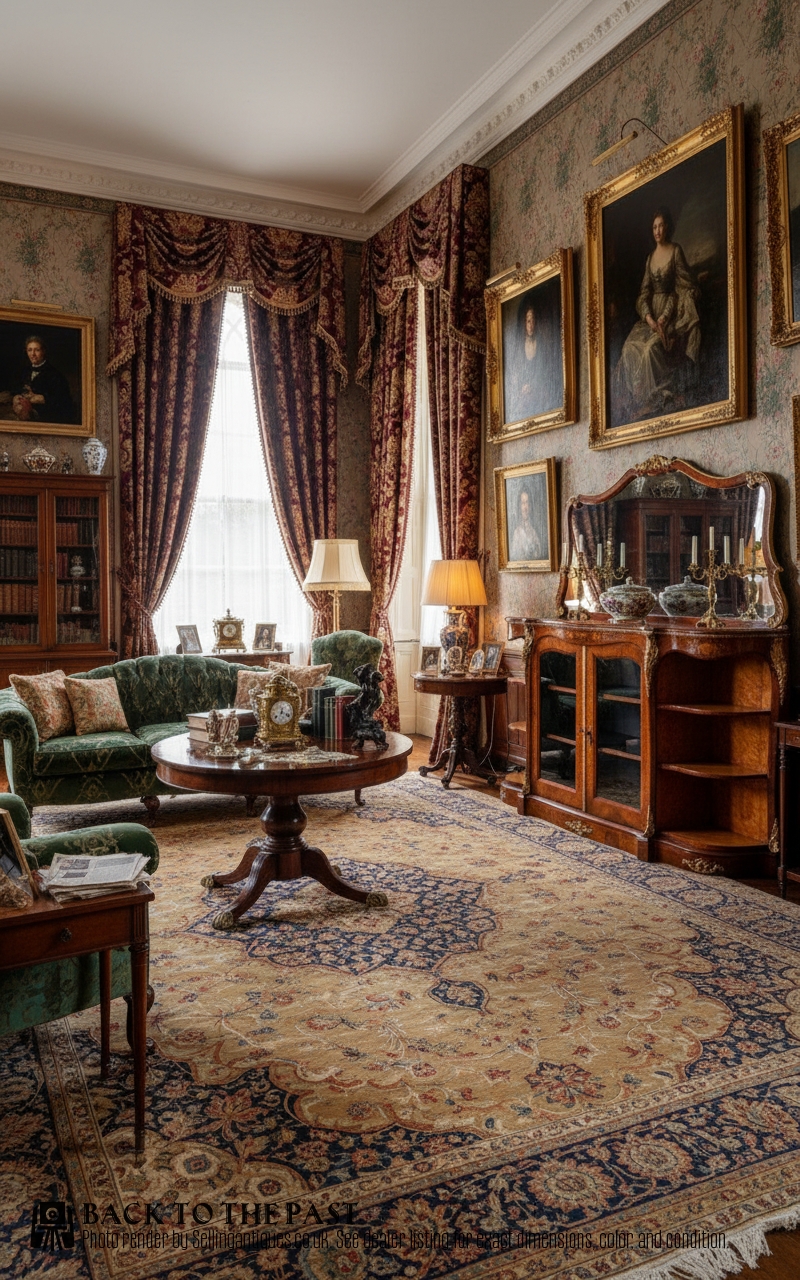
Gilt Mounted Cabinet
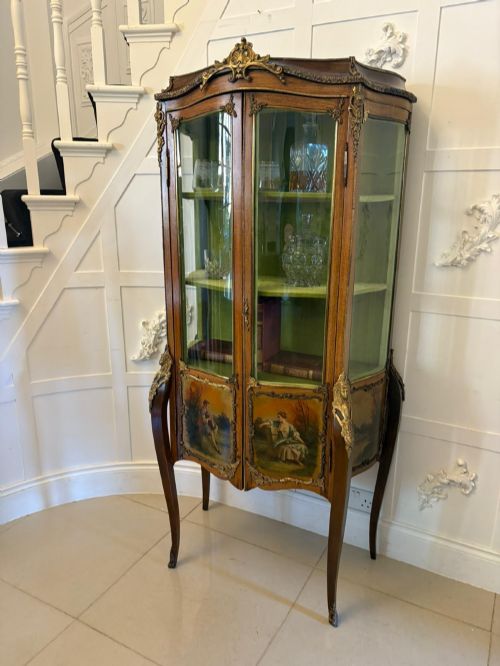
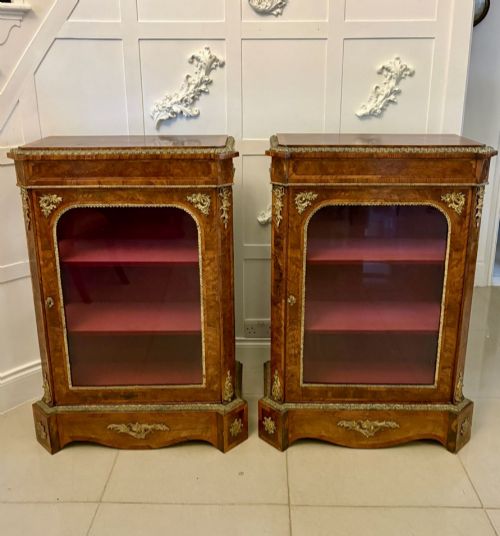
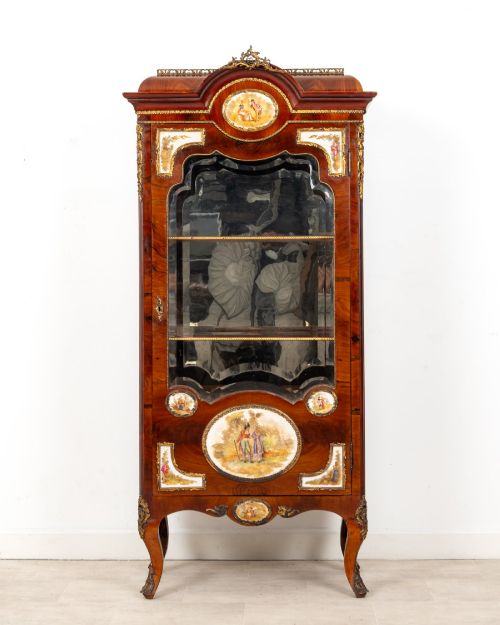
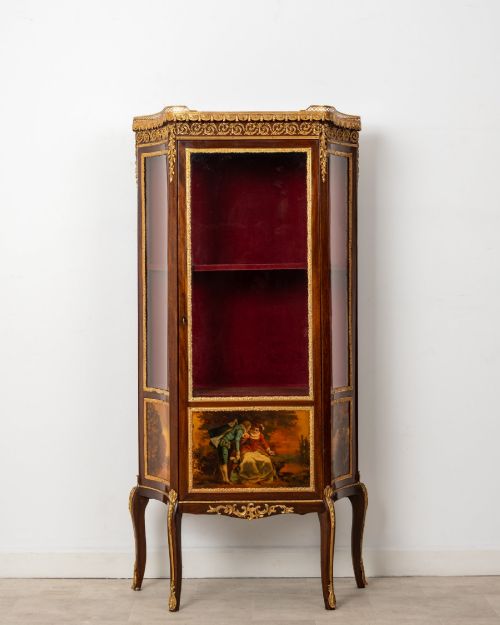
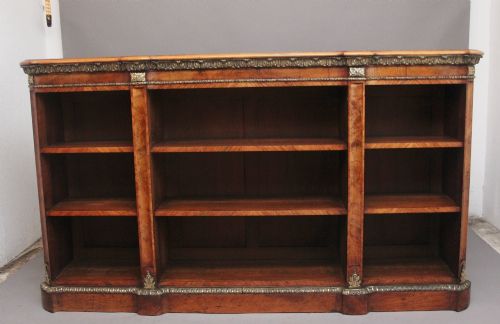
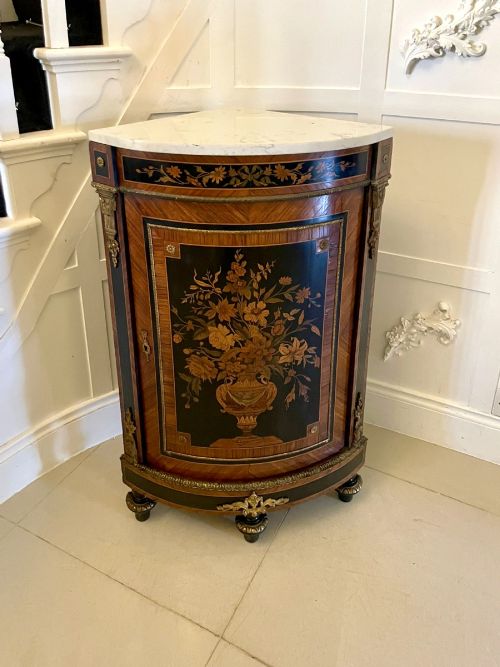
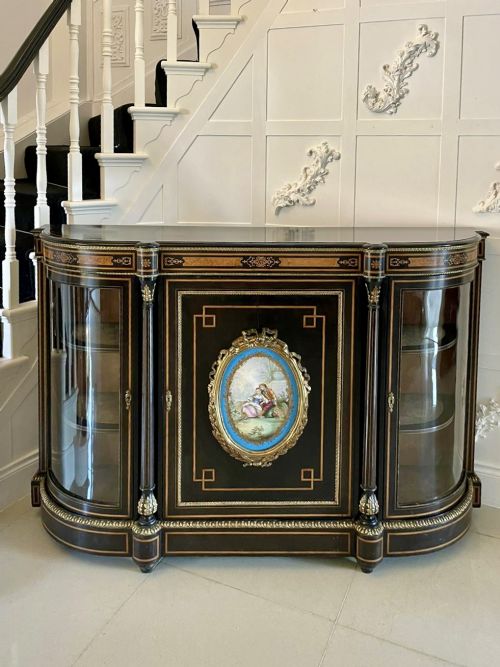
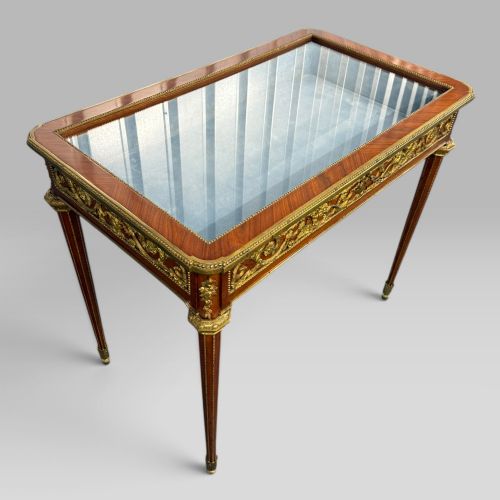
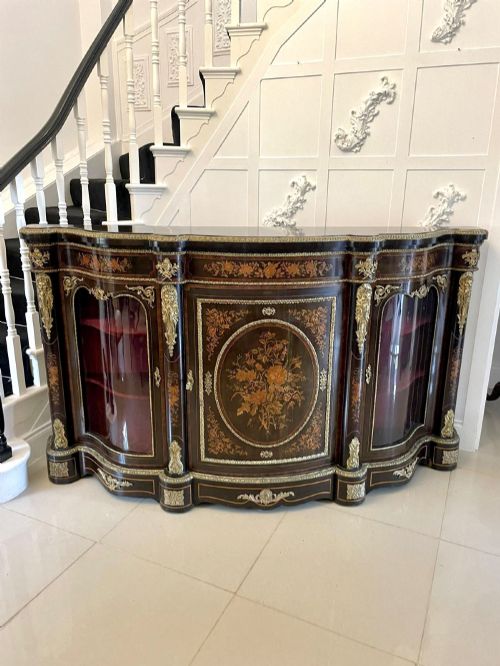
A gilt mounted cabinet encompasses a variety of storage and display forms designed to house precious objects while serving as a principal decorative focal point in a room. The selection ranges from nineteenth-century Victorian walnut credenzas and bookcases to French Louis XV and Louis XVI style vitrines, commodes, and side cabinets.
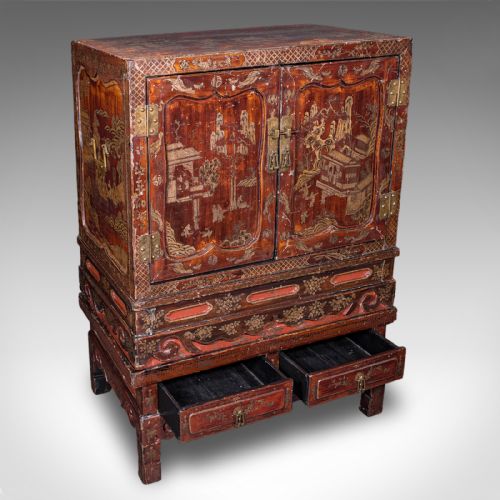
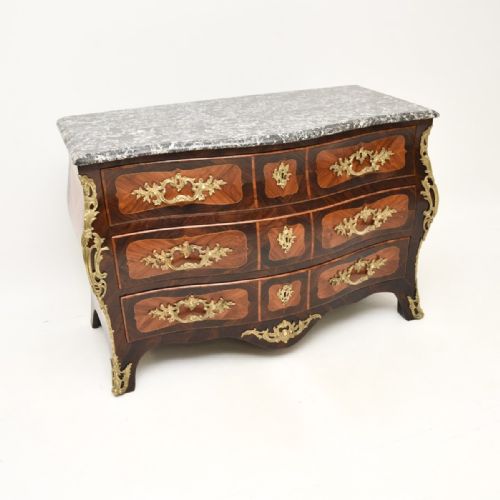
Buyers frequently encounter pieces shaped with serpentine fronts or flat surfaces finished in exotic veneers and topped with marble. These items originate predominantly from nineteenth-century English and French workshops, though examples span from seventeenth-century lacquered pieces on stands to twentieth-century revivals.
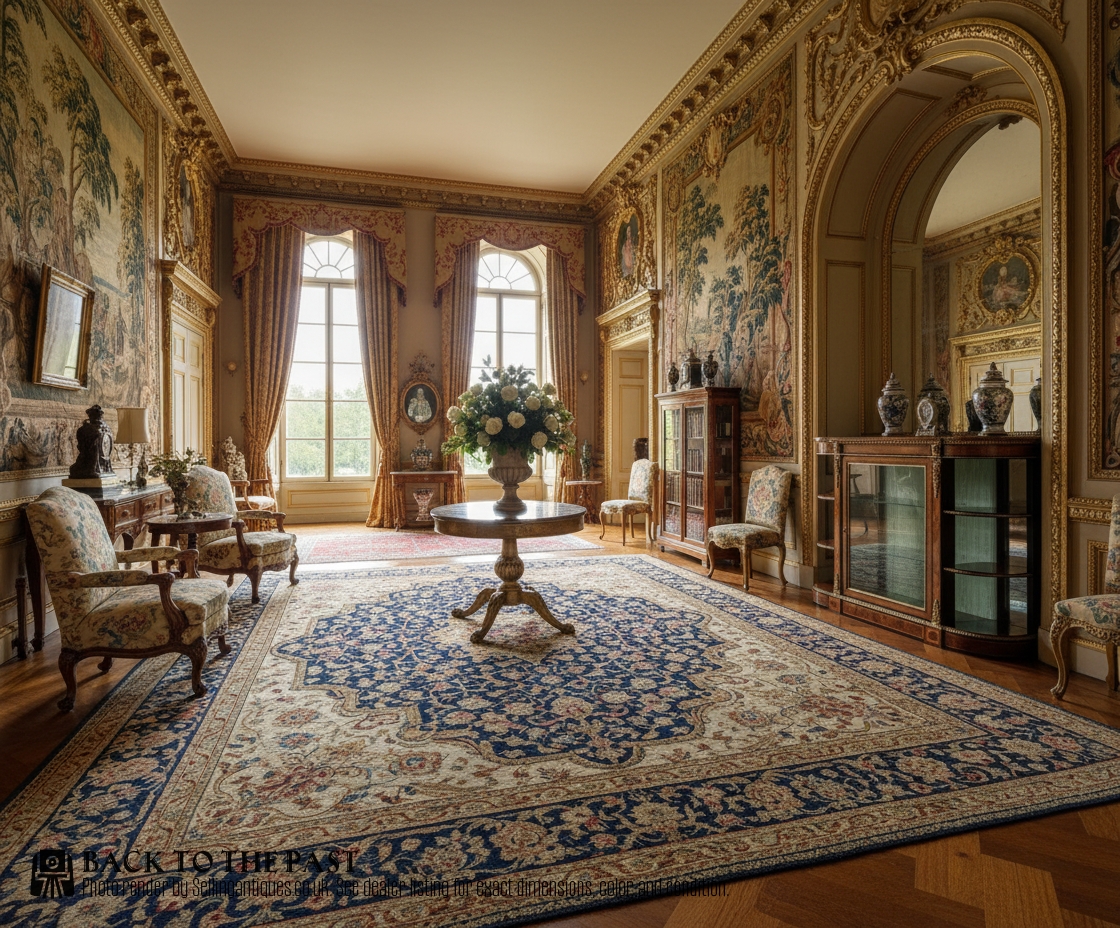
How they were made
Cabinet makers utilised dense structural timbers such as walnut, mahogany, and oak as the foundational carcase, applying fine decorative veneers including kingwood, amboyna, satinwood, and rosewood over the surfaces. Marquetry and parquetry techniques introduced intricate floral or geometric patterns using contrasting wood types.
Gilt bronze, ormolu, and gilt metal mounts were cast, chased, and secured to corners, feet, and friezes to accentuate the architectural lines of the furniture. Marble slabs, often cut to follow the serpentine or demi-lune contours of the top, were fitted as resilient working surfaces.
Gilt Mounted Cabinet Retail Price Guide 2026
Typical asking prices for gilt mounted cabinet among the pieces listed under this phrase on Sellingantiques today, from the lower quarter to the upper quarter. They describe what is for sale here now, not the wider market.
Some nineteenth-century French makers hid secret spring-loaded compartments behind decorative ormolu friezes to guard family correspondence.
What varies in quality
The standard of a piece depends on the crispness of the cast bronze mounts and the precision with which they follow the contours of the timber carcase. Finer examples display meticulous hand-chasing on the ormolu and seamless alignment in the parquetry or floral marquetry veneers.
Construction methods also separate utilitarian items from masterworks, visible in the stability of the carcase, the quality of internal drawer dovetailing, and the preservation of original glass and marble tops.
Johnstone and Jeanes·Jacques Bircklé·François Linke·H. J. Hatfield and Sons·Maison Krieger·Henry Dasson·Gillows·Maison Gagneau·E. Kahn·Louis Constantin Le Gaigneur·Maison Soubrier
The Gilt Mounted Cabinet Glossary
- Ormolu
- Gilded bronze used for decorative mounts and enrichment on furniture. The technique involves applying a finely ground mercury and gold amalgam to cast bronze before heating.
- Credenza
- A low sideboard or cabinet, frequently fitted with doors and open shelves, developed in the Victorian era for display and storage. These pieces often feature extensive marquetry and prominent gilt metal mounts.
- Vitrine
- A glass-fronted display cabinet designed for the presentation of porcelain, glass, and small objets d'art. The frames incorporate glazed doors and sides to maximise light penetration.
- Marquetry
- The art of applying decorative veneer pieces in various timbers to form pictorial or geometric patterns on a carcase. Master craftsmen cut contrasting wood veneers simultaneously to ensure tight joints.
- Vernis Martin
- A simulated Japanese lacquer technique developed in France during the eighteenth century and emulated in later revival pieces. It uses multiple resin layers to create a luminous, polished surface.
Gilt Mounted Cabinet: Frequently Asked Questions
Where should I place a gilt mounted cabinet?
These cabinets suit principal reception rooms, dining areas, or hallways where their reflective mounts and polished veneers can catch ambient light. Placing them away from direct sunlight protects sensitive timbers and lacquered finishes from fading.
Ensure the floor is level so the doors hang true and the fitted marble top bears weight evenly across the carcase structure.
How do I care for the ormolu mounts?
Dust the gilt bronze mounts gently with a dry, soft bristle brush to prevent particle accumulation in the recesses of the chasing. Avoid abrasive metal polishes that can strip the original gilding from the bronze surface.
Stable indoor humidity prevents the underlying timber from expanding or contracting, which otherwise stresses the pins securing the mounts to the wood.
What is the difference between a credenza and a vitrine?
A credenza is typically a low, enclosed cabinet with doors, often featuring a mirrored back and central display section flanked by cupboards. They were designed to stand against a pier wall in nineteenth-century interiors.
A vitrine prioritises transparent display, featuring glass panels on the sides and doors to exhibit porcelain or collected objects from multiple angles.
How do I identify a revival period piece?
Revival pieces from the nineteenth century draw inspiration from Louis XV, Louis XVI, or Renaissance designs, utilising machine-assisted cutting alongside traditional hand-finishing. Look at the interior secondary timbers and construction assembly to determine the manufacturing era.
Examining the casting quality of the ormolu mounts and the wear patterns on the veneer helps distinguish nineteenth-century interpretations from earlier originals.