



Black Porcelain Cabinet
A black porcelain cabinet brings dark ebonised framing and glazed display together, offering a striking stage for porcelain plaques and gilded mounts.
Black Porcelain Cabinet
When you search for a black porcelain cabinet, you encounter nineteenth-century display furniture, side cabinets, and credenzas built with ebonised wood and inset ceramic plaques. These pieces typically date from the Victorian era and the mid-nineteenth century, combining dark timber surfaces with contrasting porcelain elements.
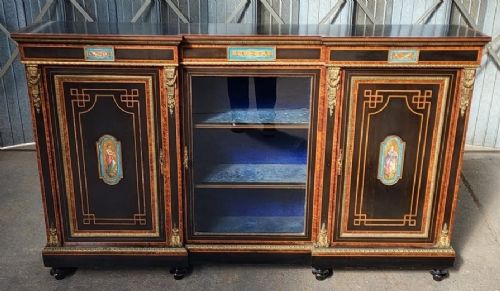
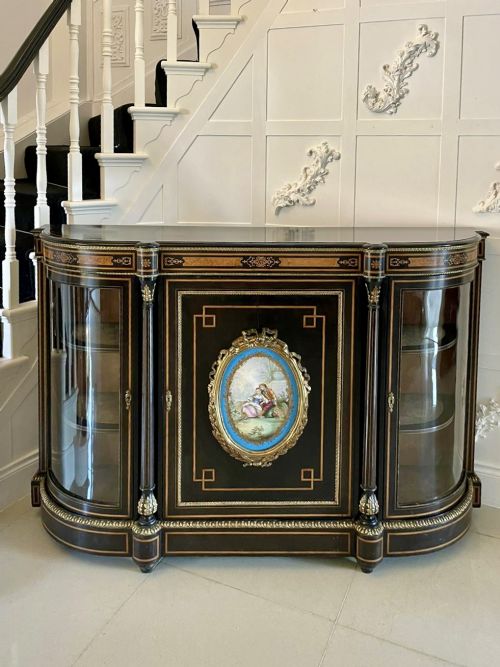
The most common versions on this page are Victorian ebonised side cabinets and credenzas mounted with ormolu or gilt-metal. Many incorporate glazed doors or dedicated shelves for cabinet plates, reflecting the period taste for decorative display.
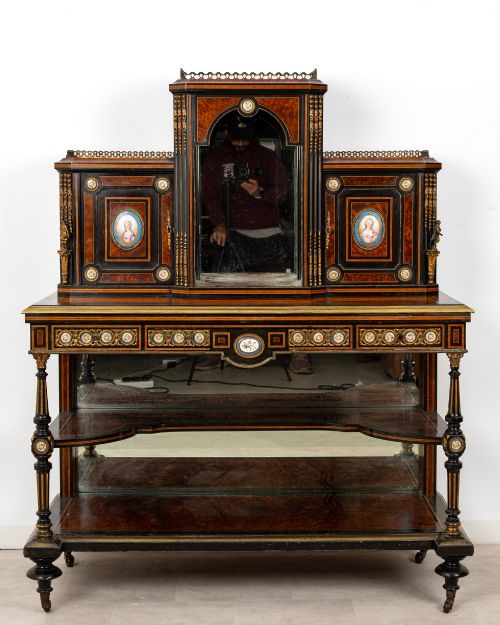
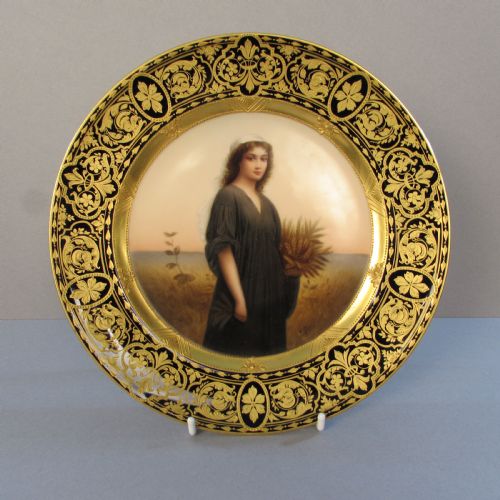
Origin and form vary between English workshops and French cabinet-makers working in Napoleon III and Rococo Revival styles. Alongside large credenzas, the selection includes smaller bonheur du jour desks and individual ceramic plates with black grounds.
Materials and construction
Cabinet-makers relied on ebonised wood, walnut, and amboyna as the primary structural timbers, often applying dark finishes to imitate ebony. This timberwork was then combined with glass panels for glazed display doors and enclosed shelving.
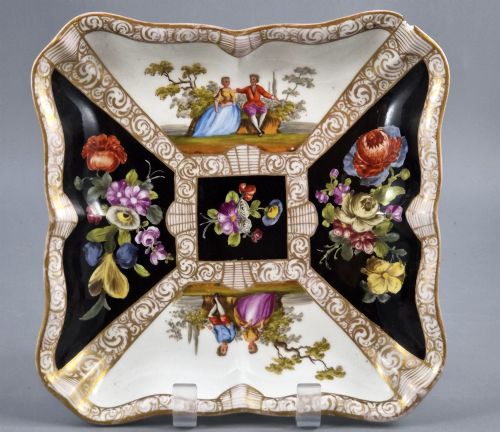
Ormolu and brass mounts provide structural highlights and framing for the porcelain plaques. These ceramic inserts range from Sevres style panels to hand-painted plates featuring Watteau scenes against black grounds.
Some nineteenth-century makers hid letters behind their porcelain plaques, leaving secret factory marks for future collectors to discover.
Assessing quality and craftsmanship
The distinction between standard production and finer pieces lies in the integration of the porcelain plaques and the crispness of the gilt-metal mounts. Finer examples feature hand-painted ceramic work securely framed within the timber structure rather than simpler surface decoration.
Timber choice and joinery also dictate value, with amboyna veneers and intricate stringing marking out superior French and English pieces from plainer ebonised carcases. The weight and detail of the ormolu casting further separate everyday items from exhibition-grade furniture.
Meissen·Royal Worcester
The Black Porcelain Cabinet Glossary
- Ebonised
- Wood treated to resemble solid ebony through staining or painting. This finish defines the dark visual character of Victorian and Napoleon III furniture.
- Ormolu
- Gilt bronze or brass mounts applied to furniture for decoration and edge protection. These metallic elements catch the light against dark ebonised surfaces.
- Credenza
- A low sideboard or cabinet used for display and storage, frequently featuring glass doors and mounted porcelain plaques. They sat prominently in nineteenth-century reception rooms.
- Bonheur du jour
- A small light lady's writing desk with a set of drawers and shelves on top. The form often incorporates inset porcelain plaques and fine timber stringing.
Black Porcelain Cabinet: Frequently Asked Questions
What is a black porcelain cabinet?
These are nineteenth-century display pieces, credenzas, and side cabinets constructed from ebonised wood and decorated with ceramic plaques or panels. They were designed to showcase porcelain alongside the dark timber grain.
Most examples date from the Victorian period and mid-nineteenth century. They utilise glass doors and gilt mounts to highlight both the woodwork and the inset porcelain.
Where were they used?
Victorian households placed these cabinets in drawing rooms and reception spaces where guests could admire collections of ceramic plates and decorative objects. The glazed doors protected delicate porcelain while keeping it visible.
Larger credenzas served as both storage furniture and display surfaces against principal walls. Smaller pier cabinets fitted neatly into architectural wall spaces between windows.
How do I date a cabinet?
Dating relies on timber choices, mounting styles, and the character of the porcelain plaques. Mid-nineteenth-century French pieces often combine amboyna and ebonised finishes with Napoleon III or Rococo Revival shaping.
Victorian English pieces typically display heavier ebonised carcases with gilt-metal mounts and linear stringing. Examining the construction behind the porcelain inserts reveals period joining techniques.
How do I care for ebonised wood?
Ebonised surfaces require gentle dusting with a dry cloth and protection from direct sunlight and excessive moisture. Avoid abrasive cleaning products that can damage the dark finish over time.
Ormolu mounts and glass panels benefit from occasional careful cleaning with appropriate non-liquid methods to preserve the gilt surface and prevent tarnishing.