




Victorian Silver Sugar Basin
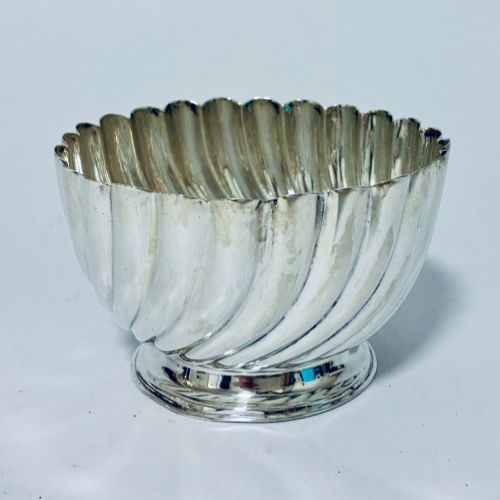
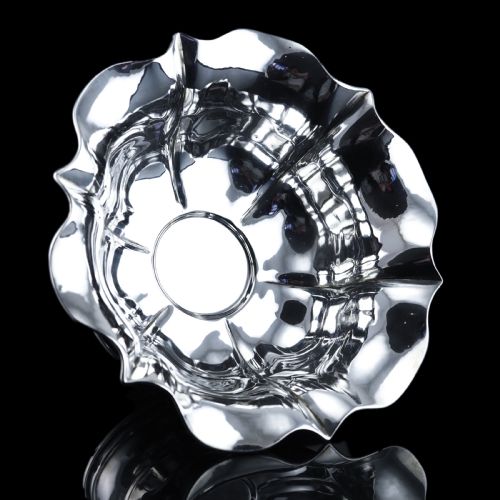
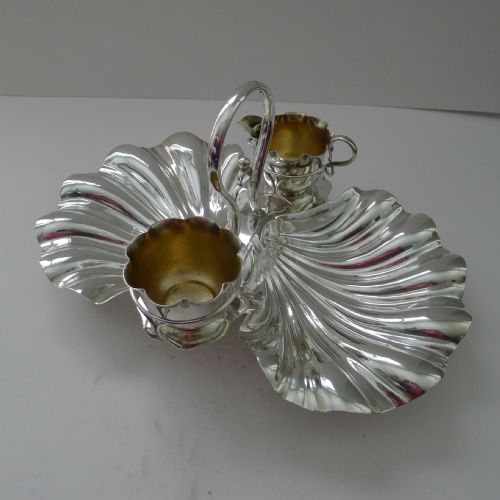
These Victorian silver sugar basins bring proper weight and bright contrast to the tea table, formed in sterling and plate with glass liners.
Victorian Silver Sugar Basin
A victorian silver sugar basin sits at the centre of the tea service, designed to hold loose lumps or granules alongside the cream jug. You will mostly encounter sterling silver bowls and footed baskets here, alongside silver plated variants and combinations with glass inserts.
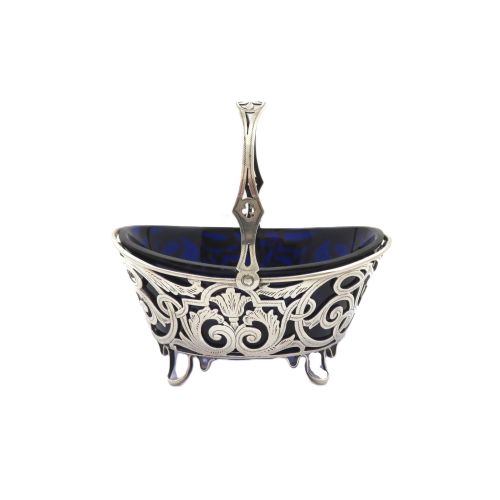
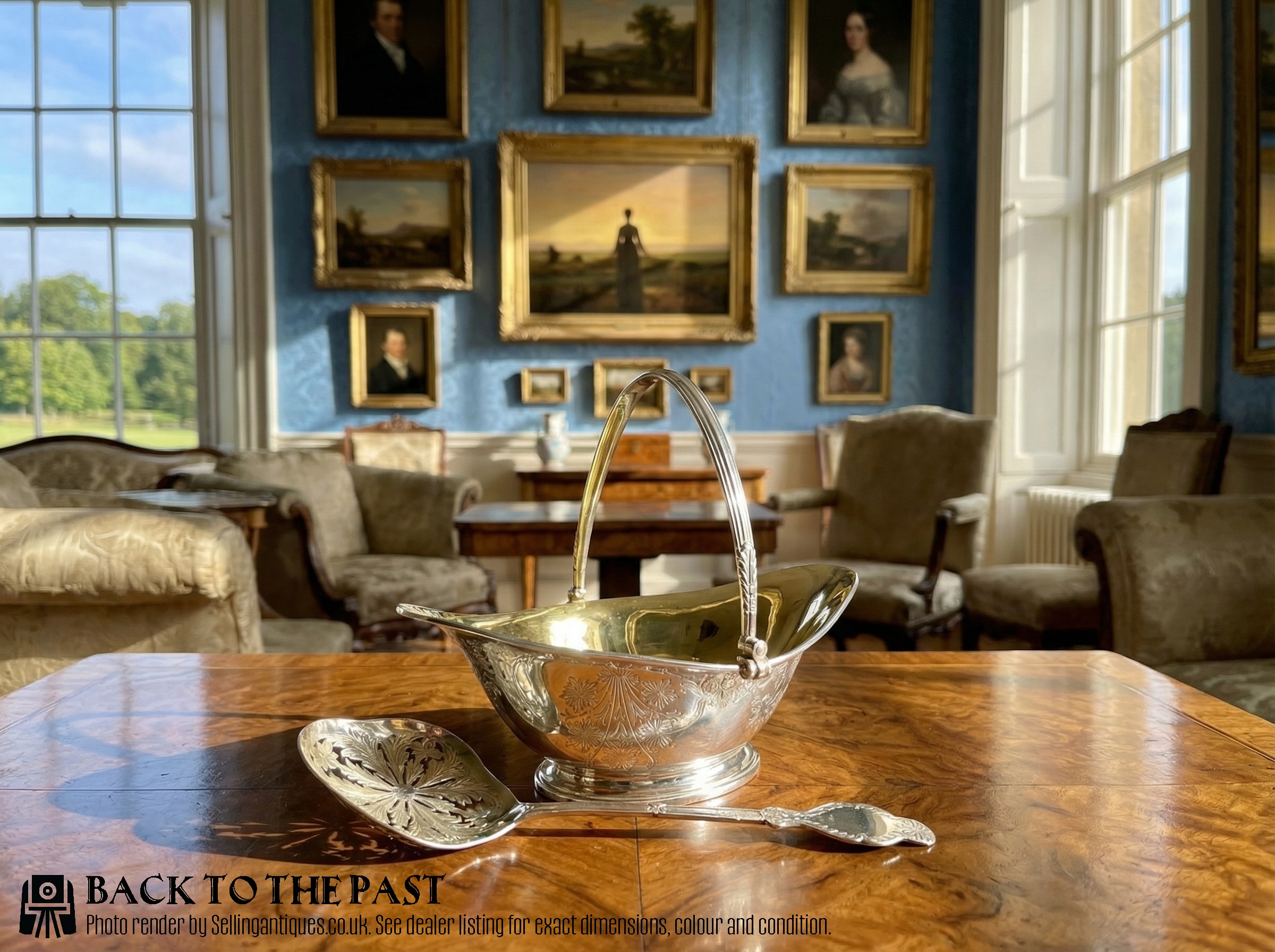
The forms range from simple pedestal bowls and flared floral designs to handled baskets complete with sifter spoons. Many date from the later decades of the nineteenth century, running through the Victorian period into the Edwardian era.
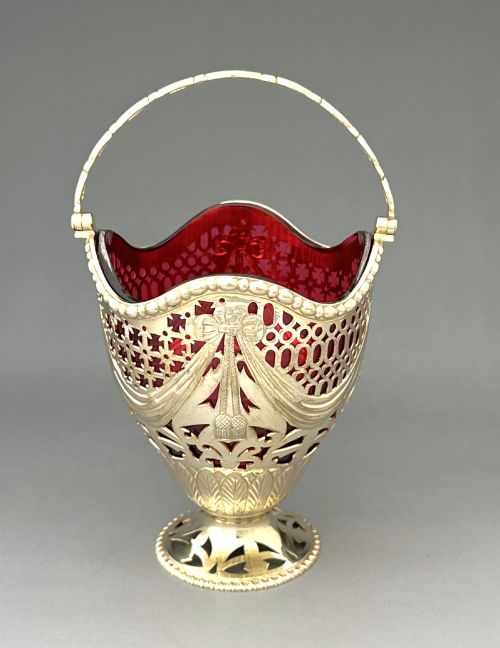
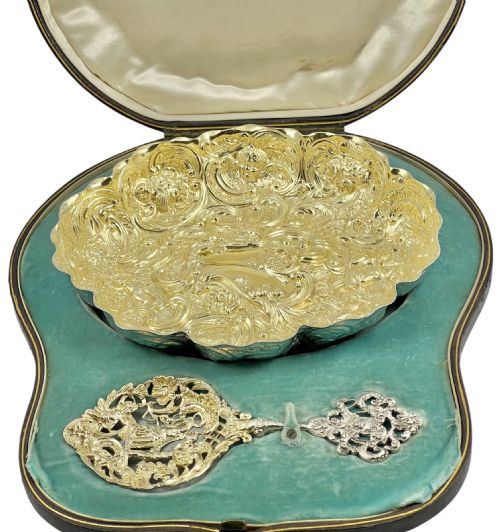
Makers shaped these vessels for practical dining use, frequently pairing them with cranberry glass liners or velvet and leather cases. They surface as standalone tableware or as matched components within larger strawberry and tea sets.
How they were made
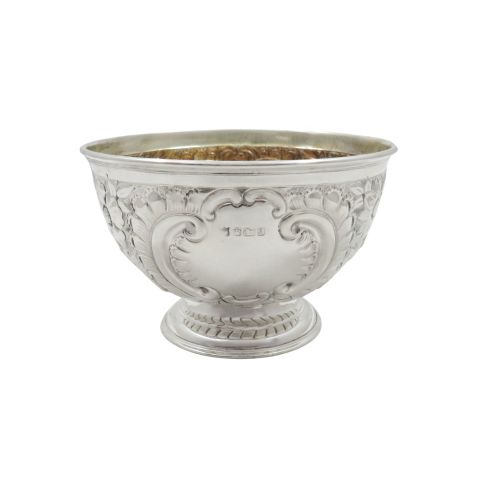
Silversmiths formed the bodies of these vessels from sterling silver or applied silver plate over base metals like nickel silver. Techniques included repoussé work to hammer raised floral motifs from the reverse, alongside cast handles soldered securely to the rims.
Many designs incorporate removable liners blown from rich cranberry glass, resting inside pierced or solid silver baskets. Gilding was also applied to the interior surfaces of silver gilt bowls to protect the metal from sugar and moisture.
Listings feature sterling silver, silver plate, and cranberry glass across Victorian and Edwardian periods.
What varies in quality
The distinction rests in the crispness of the repoussé detail and the weight of the silver used in the body. Thicker metal holds its form better under daily handling and gives a sharper definition to cast floral handles and engraved borders.
Quality also shows in the integration of secondary materials, such as the depth of colour in a cranberry glass liner and the precision of pierced work around the basket walls. Fitted cases lined in silk and velvet point to a higher original grade of commission.
Daniel Arter·George Fox·Robert Hennel
The Victorian Silver Sugar Basin Glossary
- Sterling silver
- An alloy consisting of ninety-two point five percent silver by mass, with the remainder being copper or other metals. This standard guarantees the purity and durability of the tableware.
- Silver gilt
- Silver objects that have been coated with a thin layer of gold on the interior or exterior surfaces. This finish provides a warm golden tone and guards against tarnishing from food acids.
- Repoussé
- A metalworking technique where the artisan hammers the design from the reverse side to form raised relief patterns on the front. It creates tactile floral and scroll ornamentation on bowl walls.
- Sifter spoon
- A specialised spoon with a perforated bowl designed to scatter loose sugar over fruit or desserts. These accompany many of the sugar bowls and baskets from this era.
Victorian Silver Sugar Basin: Frequently Asked Questions
What is a Victorian silver sugar basin?
A Victorian silver sugar basin is a small open bowl or handled basket made during the nineteenth century to serve sugar at the tea table. They were produced in solid sterling silver and silver plate, frequently paired with matching cream jugs and sifter spoons.
These pieces reflect the changing domestic habits of the period, moving from simple table salt forms to decorative display items. Many include coloured glass inserts or elaborate repoussé floral decoration to catch the light during afternoon tea.
Can I use these sugar basins daily?
These vessels are robust enough for regular use on the dining table, provided you handle them with reasonable care. Solid sterling silver and thick silver plate tolerate everyday service when washed by hand rather than placed in automated dishwashers.
Pieces with delicate pierced work or delicate glass inserts call for slightly more caution during washing and storage. Keeping them in their original fitted cases when not on display helps prevent unnecessary scratches.
How do I date a silver sugar bowl?
Dating relies primarily on the assay office hallmarks stamped directly onto the silver body, which indicate the town of origin and the exact year of testing. Stylistic clues such as floral repoussé work, Rococo revival curves, or Edwardian proportions also help narrow down the period.
Items lacking full hallmarks can often be attributed to a specific decade by comparing their form and maker marks against documented trade records. Glass colour and accompanying spoons further assist in establishing the correct timeline.