
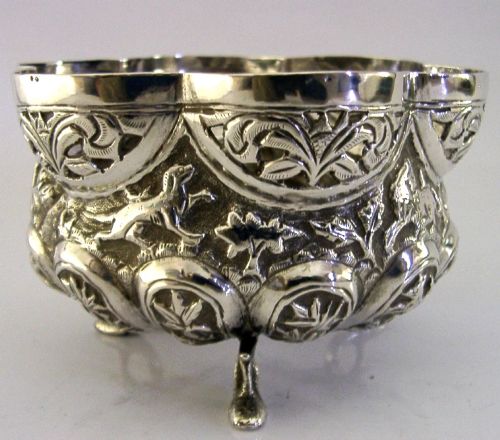
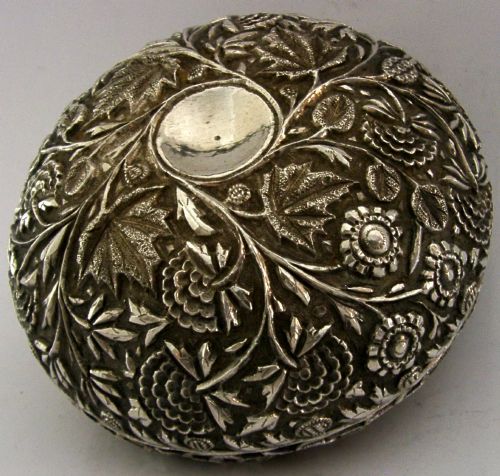


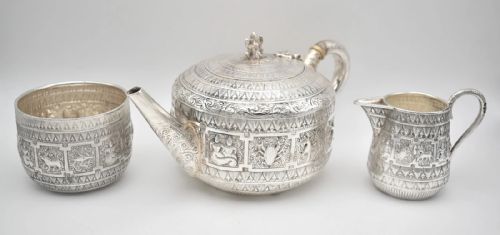
Chased Silver Sugar Bowl
These chased silver sugar bowl examples range from Georgian pedestal pieces to Victorian animal motifs, offering tactile elegance for the table.

Chased Silver Sugar Bowl
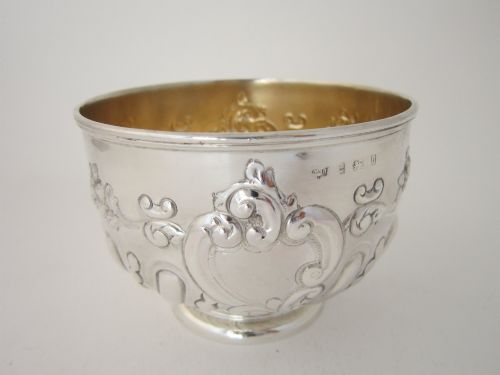
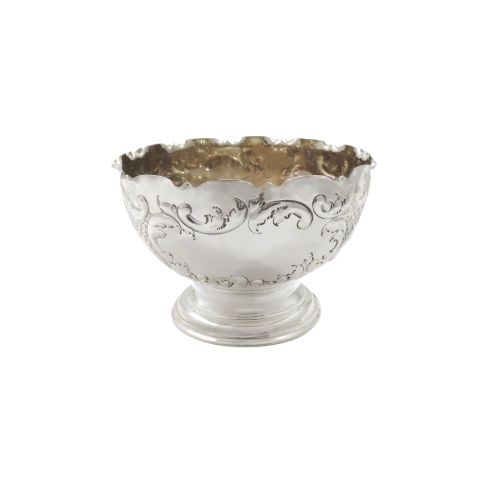
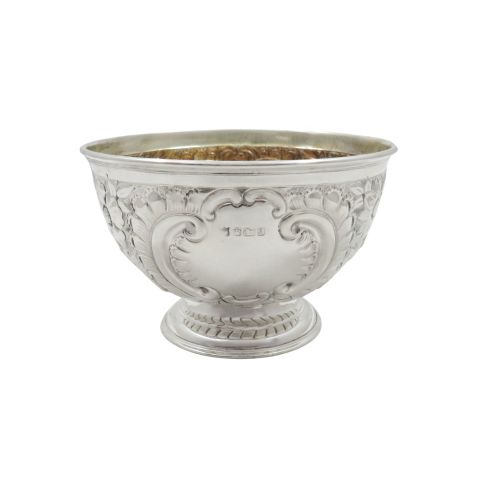
A chased silver sugar bowl functions as table tableware, often appearing within tea sets or alongside sugar boxes and sifter spoons. The selection here spans Georgian, Victorian, Edwardian, and Anglo-Indian colonial styles, showcasing both pedestal feet and flat bases.
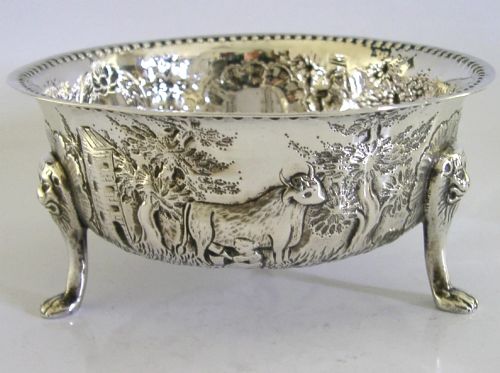
Most examples you will encounter date from the Victorian and 1900 periods, rendered in solid silver, sterling silver, or silver plate. Forms include decorative bowls and specialised sugar boxes complete with animal ornamentation.
The phrase denotes vessels shaped for serving sugar during tea service, carrying hand-worked surface decoration executed with punches and hammers. These pieces reflect the domestic rituals of the nineteenth and early twentieth centuries.
How they were made
Silversmiths formed these vessels from sterling silver, solid silver, or electroplated nickel silver, sometimes incorporating silver gilt or silk and velvet linings. Metal was raised from flat sheets into bowls and footed bases using hammers and stakes.
Decoration was achieved through chasing, where the metal was pushed from the front using punches to create raised patterns without cutting away the material. Some Anglo-Indian and Victorian items also feature cast elements or applied animal motifs soldered to the body.
Listings feature sterling silver, solid silver, silver plate, and silver gilt, spanning Victorian, Edwardian, and Georgian periods.
What varies in quality
The crispness and depth of the chased ornamentation distinguish finer pieces from plainer production, as skilled hand-work yields sharper relief and more precise detail in motifs such as flora or fauna. Weight also signals substance, with heavier solid silver items offering greater durability than plated alternatives.
Form dictates distinction, with pedestal feet, fitted cases, and complete tea sets commanding more attention than single bowls. The integration of maker marks and clear hallmarks provides documentary assurance of origin and metal standard.
Elkington and Co·George Fox
The Chased Silver Sugar Bowl Glossary
- Chasing
- A metalworking technique where the smith pushes the surface of the metal from the outside using hammers and small punches to create a low relief design. This differs from engraving, which removes metal from the surface.
- Sterling silver
- An alloy consisting of ninety-two point five percent silver and seven point five percent other metals, usually copper, ensuring structural durability for tableware. British pieces typically bear the lion passant mark to confirm this standard.
- Silver plate
- A base metal, such as copper or nickel silver, coated with a thin layer of pure silver through electroplating or mechanical bonding. This method offered an accessible alternative to solid silver during the nineteenth century.
- Pedestal foot
- A raised base supporting the bowl on a central column or flaring foot rather than resting flat on the table. This architectural feature elevates the vessel for visual prominence during tea service.
- Silver gilt
- Sterling silver that has been coated with a thin layer of gold on its interior or exterior surfaces. This treatment protected the silver from tarnishing when exposed to acidic contents like sugar or fruit.
Chased Silver Sugar Bowl: Frequently Asked Questions
What is a chased silver sugar bowl used for?
These vessels were designed to hold loose sugar on the dining table or tea tray, often accompanied by tongs or sifter spoons. They formed a standard part of nineteenth-century tea sets alongside teapots and cream jugs.
Today, buyers utilise them for holding small items or as decorative tableware rather than daily tea service. Their intricate surface work makes them suitable for display on sideboards or mantelpieces.
How do I identify a Victorian chased silver sugar bowl?
Victorian examples frequently display hallmarks indicating London, Birmingham, or other British assay offices, alongside date letters corresponding to the nineteenth century. Stylistically, they lean towards heavy floral chasing, pedestal feet, and occasional animal motifs.
Compare the weight and the crispness of the chased design against later electroplated versions. Solid silver pieces will carry clear lion standard marks and maker stamps.
What is the difference between solid silver and silver plate?
Solid silver and sterling silver describe items composed uniformly of silver alloy throughout the entire thickness of the metal. These pieces carry official assay office hallmarks including the lion passant.
Silver plate consists of a non-precious base metal covered in a thin layer of silver, often marked as electroplated nickel silver or bearing maker initials without standard silver hallmarks.
How should I clean my antique silver bowl?
Silver requires gentle cleaning with a soft cloth and specialised silver polish designed to remove tarnish without abrading the chased surface detail. Avoid harsh chemical dips that can strip the natural patina from recessed areas.
Store pieces in dry conditions away from direct sunlight, and if lined with silk or velvet, keep them protected from moisture. Regular handling and gentle dusting prevent heavy tarnish accumulation.