


Victorian Silver Salt Cellar
These nineteenth-century table pieces bring domestic history to the dining table, offering distinct forms ranging from simple open bowls to elaborate novelty animals.

Victorian Silver Salt Cellar
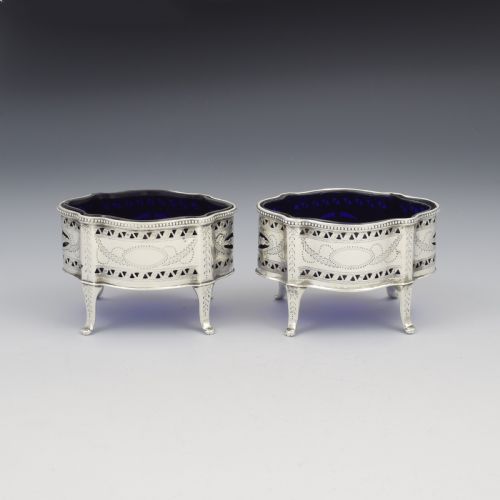
A victorian silver salt cellar represents a rich tradition of dining table accessories produced throughout the nineteenth century. Buyers encounter open open salt cellars, often paired with cobalt or cranberry glass liners, alongside matched pairs and larger boxed condiment sets.
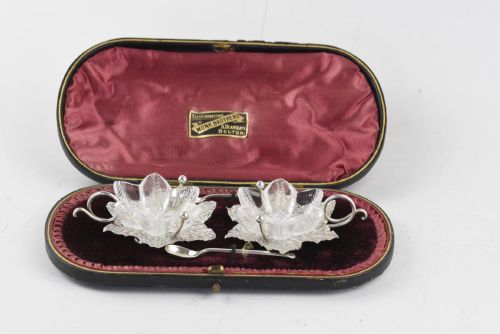
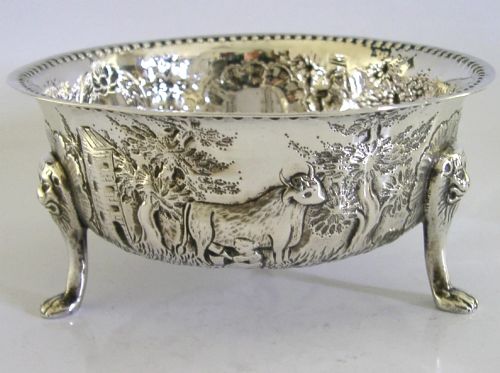
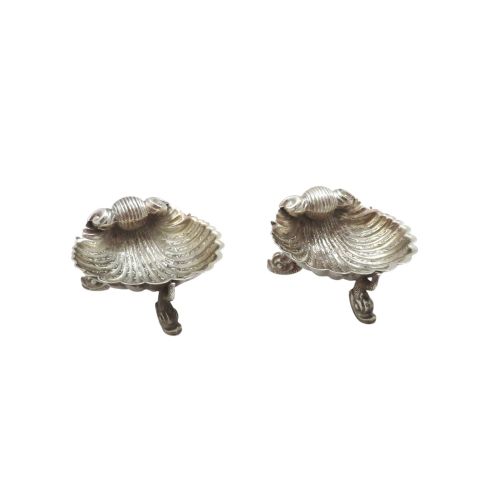
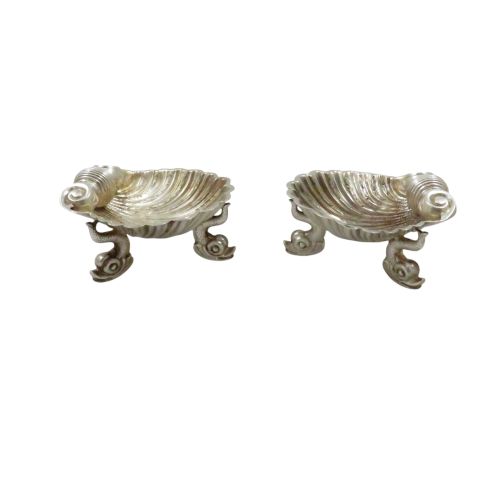
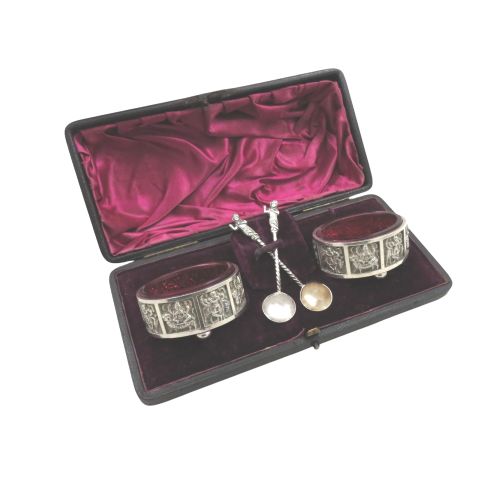
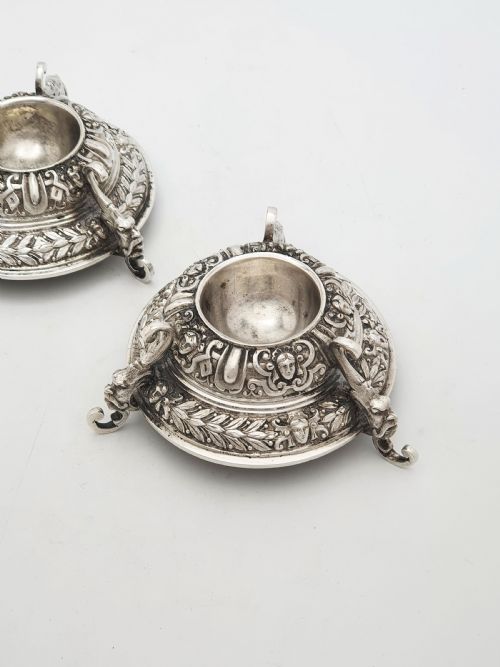
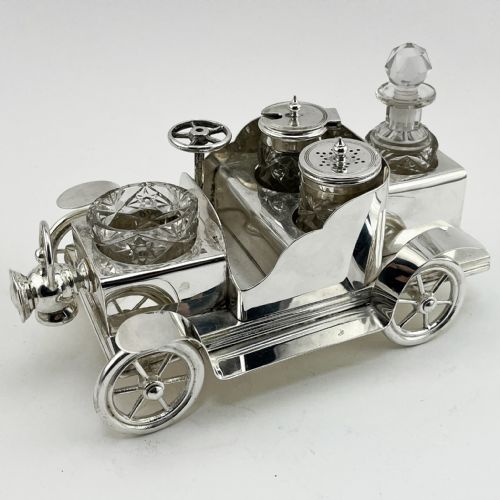
The objects span early, mid, and late Victorian periods, alongside Edwardian examples and Georgian styles. Common domestic forms include cauldron shapes, boat-shaped dishes, shell motifs supported by dolphin feet, and elaborate novelty designs modelled as birds, chicks, or farmyard animals.
Materials and Technique
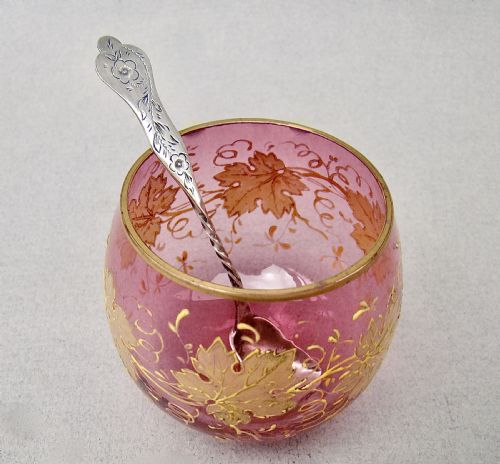
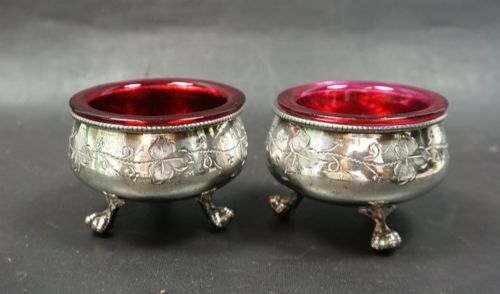
Silversmiths utilised sterling silver and silver plate, shaping metals through piercing, casting, and repoussé work. Many pieces incorporate delicate glass liners in cobalt blue or cranberry hues, requiring precise metal frames to secure the fragile inserts.
Decorative surface treatments include foliate chasing, engraved detailing, and gilt interiors. Cased sets frequently combine the metal vessels with matched spoons, demonstrating coordinated workshop production.
Victorian Silver Salt Cellar Retail Price Guide 2026
Typical asking prices for victorian silver salt cellar among the pieces listed under this phrase on Sellingantiques today, from the lower quarter to the upper quarter. They describe what is for sale here now, not the wider market.
Quality and Distinction
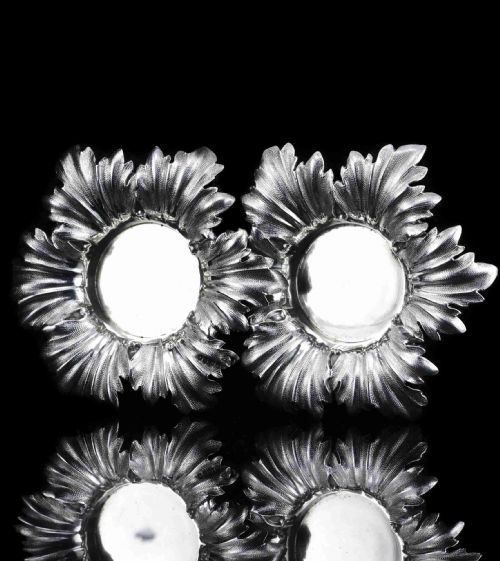
Design complexity and maker reputation separate standard domestic tableware from exceptional pieces. Cast elements such as dolphin feet or figural novelty models show varying levels of sculptural definition and chased detail.
The presence of original coloured glass liners and matching spoons enhances the integrity of a set. Maker marks from notable silversmiths provide historical distinction to individual items.
Barnards·Thomas Smily·Sampson Mordan·Thomas Johnson·Wilson and Davis·George Unite·James Dixon and Sons·Daniel and Charles Houle·F B Thomas and Co
The Victorian Silver Salt Cellar Glossary
- Open salt
- A small table vessel designed to hold loose salt before the invention of the shaker. Diners used a small spoon or fingers to take salt from the open bowl.
- Glass liner
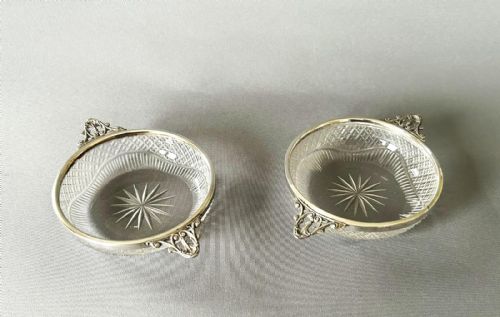
- A removable insert, often in blue or red glass, placed inside a silver salt cellar to protect the metal from corrosive salt. These liners are frequently interchangeable or specific to the vessel.
- Chasing
- A metalworking technique where the silversmith punches and hammers the front surface to create raised decorative patterns without removing metal. This method produces intricate foliate and scroll designs.
- Condiment set
- A matched group of tableware vessels for holding multiple seasonings such as salt, pepper, and mustard. These collections often sit within a dedicated silver or plated stand.
Victorian Silver Salt Cellar: Frequently Asked Questions
How were salt cellars used at the Victorian table?
Diners used these small open vessels to take individual portions of salt using tiny spoons or clean fingers. They sat beside each plate or were shared between guests along the length of the table.
As dining habits changed towards the end of the nineteenth century, shaker bottles gradually replaced the open bowl format for everyday dining.
Why do many salt cellars have coloured glass liners?
Salt is highly corrosive and will pit or tarnish silver over extended contact. Inserting a removable glass liner protected the precious metal from chemical damage while adding vibrant colour through cobalt blue or cranberry glass.
Finding a piece with its original undamaged glass liner is an advantage for collectors.
How do I care for antique silver salt cellars?
Regular gentle cleaning with a soft cloth removes dust and minimises tarnishing without wearing away delicate chased details. Avoid harsh chemical dips that strip the aged patina accumulated over decades.
Store glass liners separately from metal frames when not on display to prevent accidental chipping.