


Victorian Silver Plate Pitcher
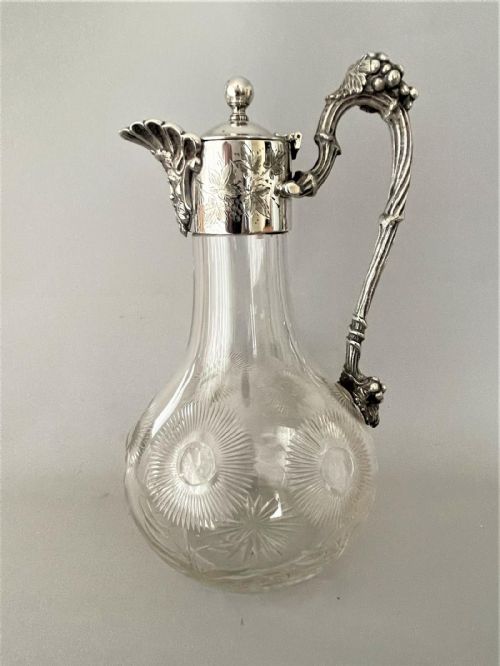
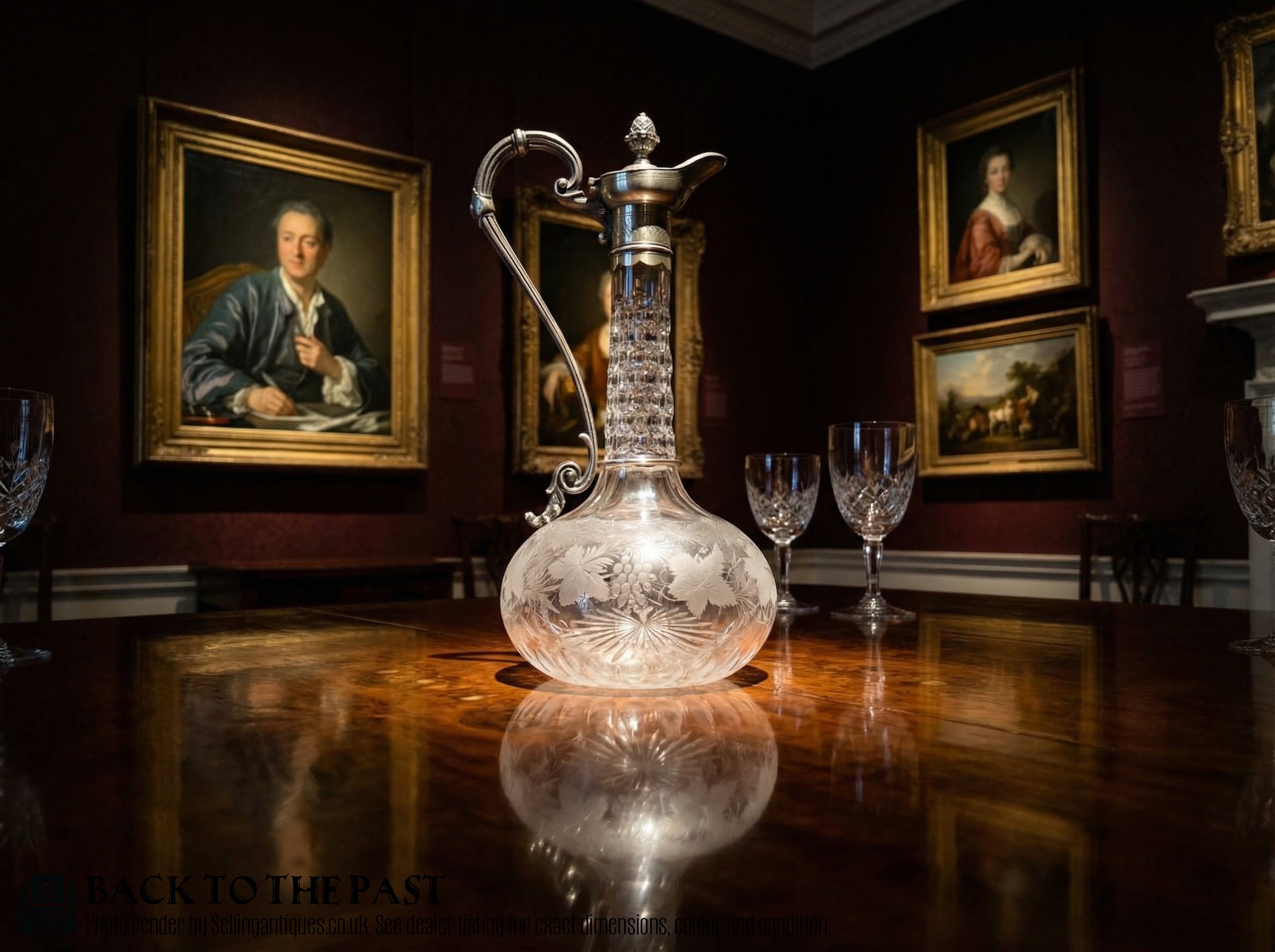
A victorian silver plate pitcher combines substantial metal mounts with cut glass and crystal, bringing practical elegance to the nineteenth-century dining table.
Victorian Silver Plate Pitcher
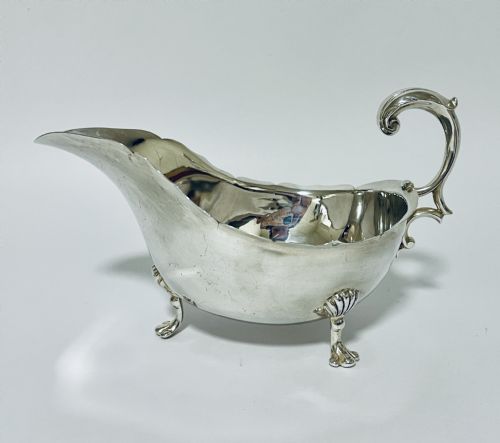
When you search for a victorian silver plate pitcher, you encounter a variety of serving vessels designed primarily for wine, water, and lemonade. The selection spans claret jugs, decanters, wine flagons, and cream jugs originating across the nineteenth and early twentieth centuries.
The domestic forms include tall glass bodies encased in plated mounts alongside solid metal jugs and tankards. Many feature cut or etched glass bodies paired with hinged silver-plated lids and handles shaped for pouring claret, beer, or iced drinks.
Styles range from straightforward Victorian classical designs to aesthetic movement and arts and crafts interpretations. Edwardian examples continue these heavy glass and metal traditions into the twentieth century.
Quality and Execution
The distinction between standard vessels and exceptional pieces rests on the crispness of the glass cutting and the weight of the metal mount. Heavier silver plating and intricate hand-etching on crystal elevate a piece above simpler utilitarian jugs.
Design attribution to notable makers or designers elevates the standing of an individual vessel. Structural harmony between the metal handle, collar, and glass body determines the overall success of the piece.
Some nineteenth-century makers incorporated fierce mask spouts into their crystal claret jugs, glaring hospitably across the dining table.
Padley Parkin & Staniforth·Henry Bourne·Mappin & Webb·Elkington & Co·Elkington Mason·Hukin & Heath
The Victorian Silver Plate Pitcher Glossary
- Silver Plate
- A base metal coated with a thin layer of silver through electroplating or older fusion methods. This technique allowed nineteenth-century makers to produce affordable luxury servingware.
- Claret Jug
- A specialised pouring vessel designed for red wine, typically featuring a glass or crystal body with a silver-plated handle, collar, and hinged lid.
- Electrotype
- A metal object created by depositing silver through an electrolytic process into a mould. This method enabled deep relief decoration on nineteenth-century jugs and ewers.
- Old Sheffield Plated
- A fused composite material made by melting a sheet of silver to a thicker copper ingot before rolling them together. It represents a precursor to standard nineteenth-century electroplating.
- Cranberry Glass
- A rich red-pink glass coloured by the addition of gold chloride during manufacture. It frequently appears in late nineteenth-century wine decanters and jugs.
Victorian Silver Plate Pitcher: Frequently Asked Questions
What is a claret jug?
A claret jug is a specialised pouring vessel specifically created to serve red wine at the Victorian table. These vessels combine decorative glass bodies with hinged metal covers.
The metal mounts usually incorporate an integral handle and a pouring spout designed to catch sediment. They remain popular decorative items for modern dining rooms.
How do I date a silver plate pitcher?
Dating relies on stylistic clues, manufacturer marks stamped onto the metal mounts, and the specific manufacturing techniques used. Victorian pieces often display registration marks or maker stamps near the handle.
Changes in glass-cutting styles and plating technology also help narrow the production period to a specific decade. Consulting historical maker archives provides definitive verification.
Were these pitchers used for water?
Many large nineteenth-century vessels functioned as water pitchers, lemonade jugs, or beer ewers rather than wine decanters. Examples with internal ice tubes were specifically engineered to keep summer beverages chilled.
Sturdier metal tankards and coopered oak pitchers handled heavier table service. Glass claret jugs remained reserved for dining room wine service.
What is Old Sheffield plate?
Old Sheffield plate is an early form of plating created by thermally fusing a sheet of silver to a copper core. Craftsmen then rolled the combined metals into sheets before forming them into jugs.
This technique predates nineteenth-century electroplating methods. Pieces made this way often show subtle hints of copper showing through along high-wear edges.
How do I clean silver plate?
Cleaning requires a gentle silver polish applied with a soft cloth to avoid wearing away the thin silver layer. Care must be taken around glass mounts to prevent moisture from becoming trapped.
Harsh chemical dips can damage the underlying base metal or historic patination. Regular dusting and occasional light polishing maintain the metal lustre safely.