

Vintage Glass Wine Carafe
These vintage glass wine carafe pieces are nineteenth and early twentieth-century vessels designed for serving wine, offering both practicality and period charm.
Vintage Glass Wine Carafe
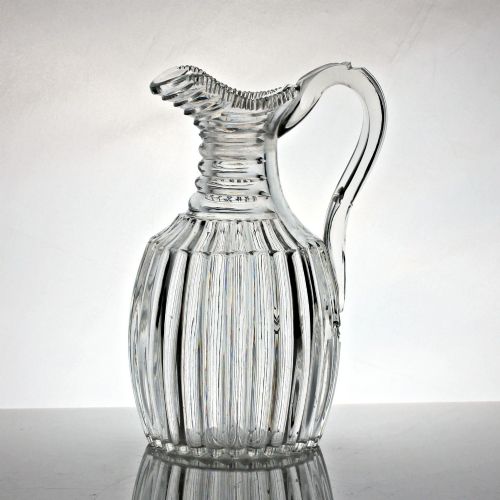
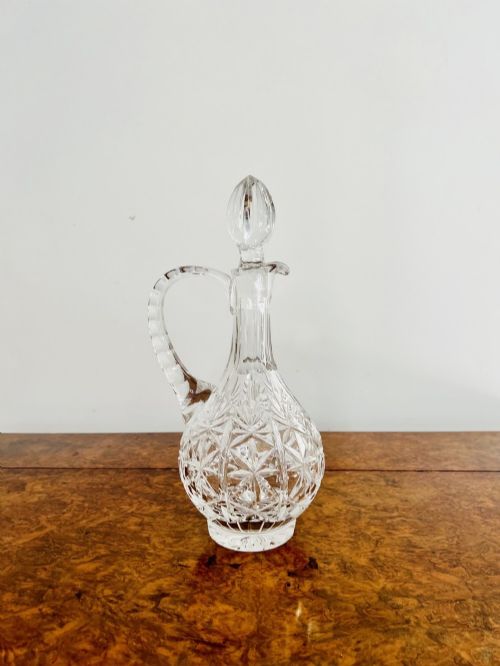
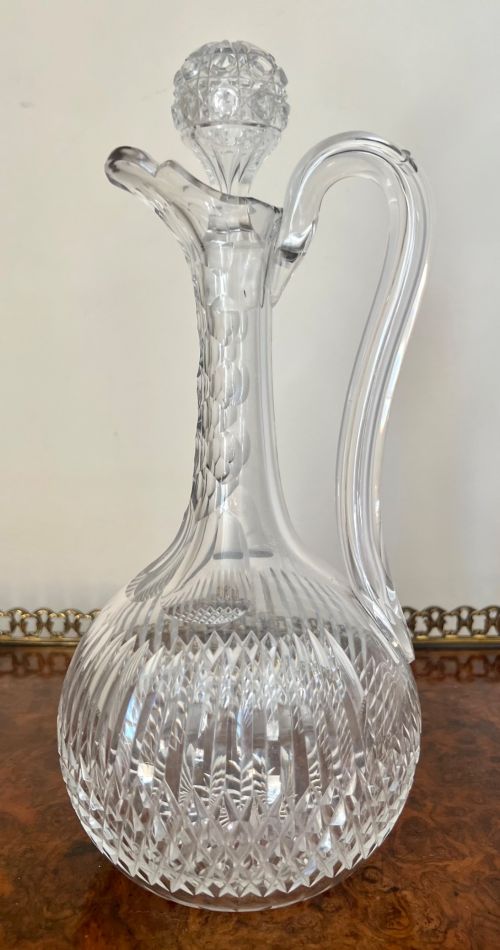
A vintage glass wine carafe encompasses wine jugs, claret jugs, decanters, and pitchers originating from the nineteenth and early twentieth centuries. Buyers seeking these items encounter a diverse selection ranging from plain serving bottles to elaborate vessels intended for the dining table.
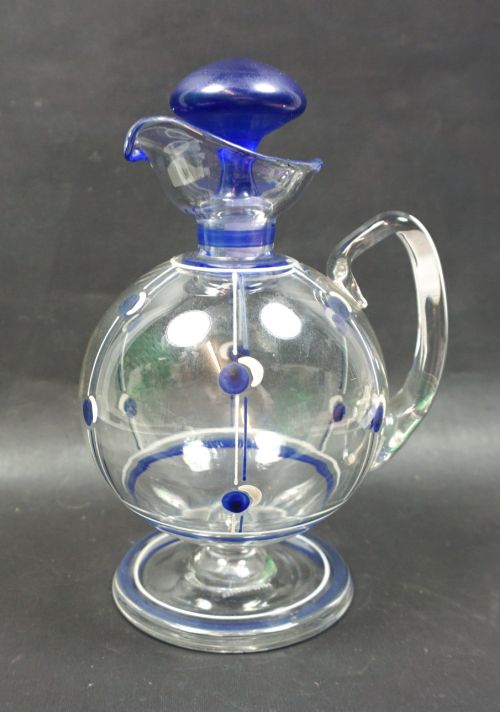
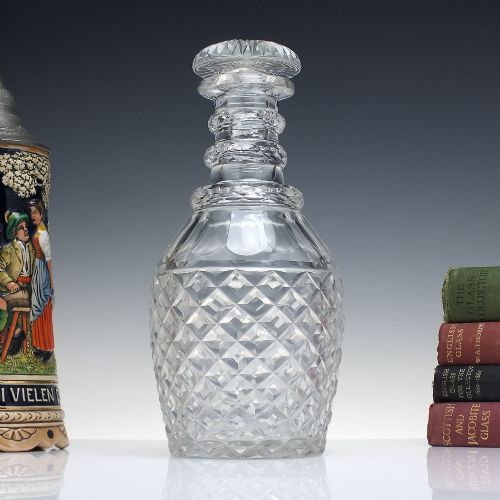
The pieces appearing on this page stem predominantly from the Victorian and Edwardian eras, alongside Georgian, Regency, and Art Deco examples. Forms vary from traditional bell shapes and ewers to tall water or wine jugs.
Origins span English workshops alongside continental centres such as Bohemia and Czechoslovakia. Most examples combine blown glass bodies with functional serving handles, spouts, or collars.
How they were made
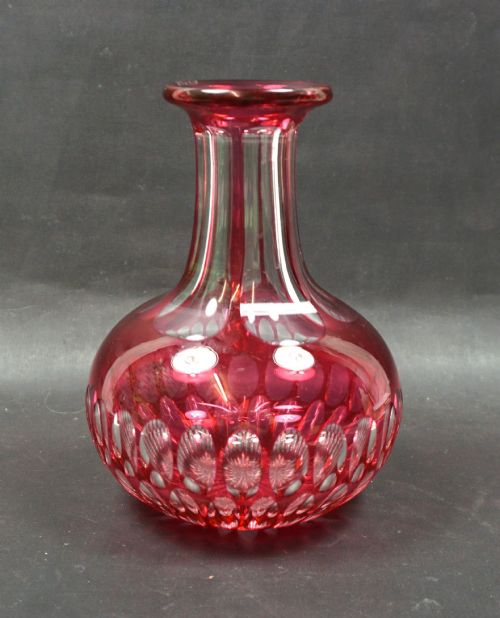
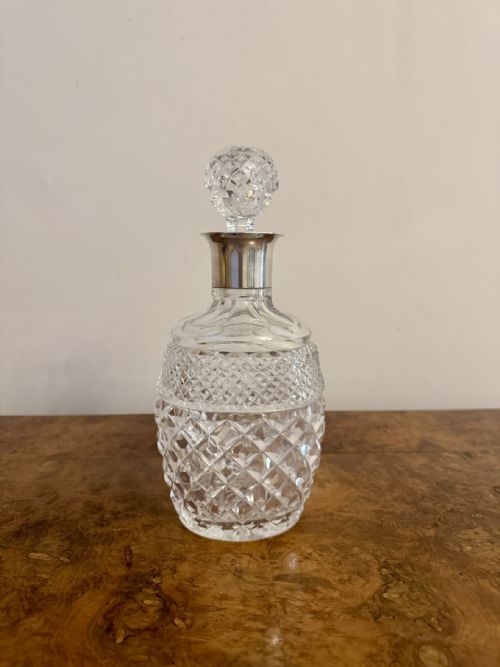
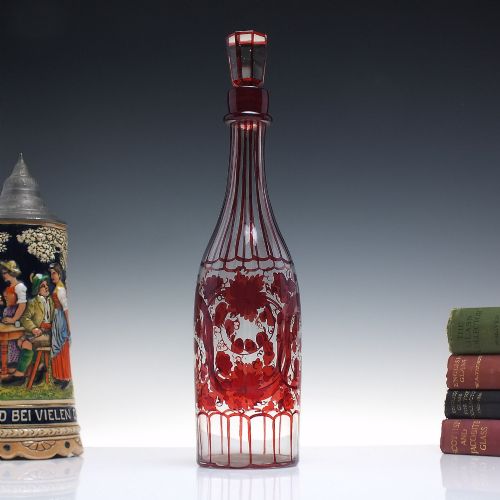
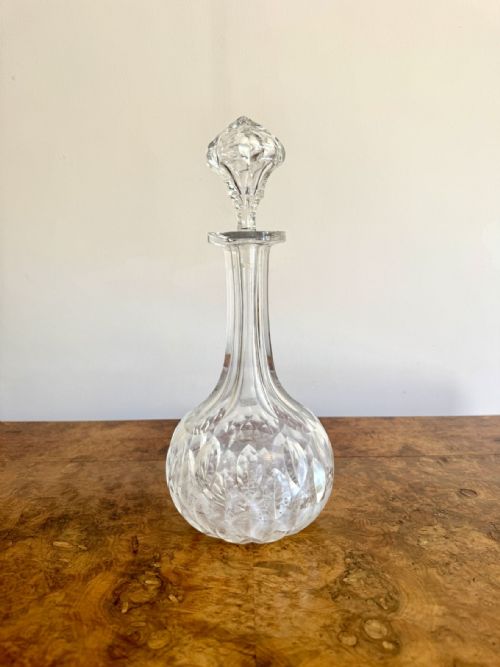
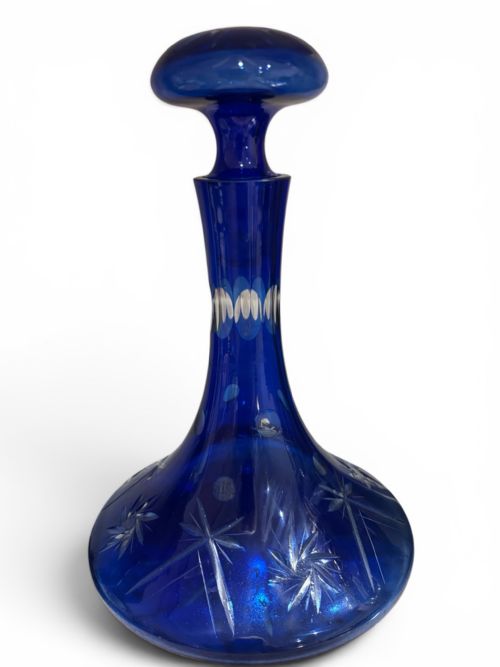
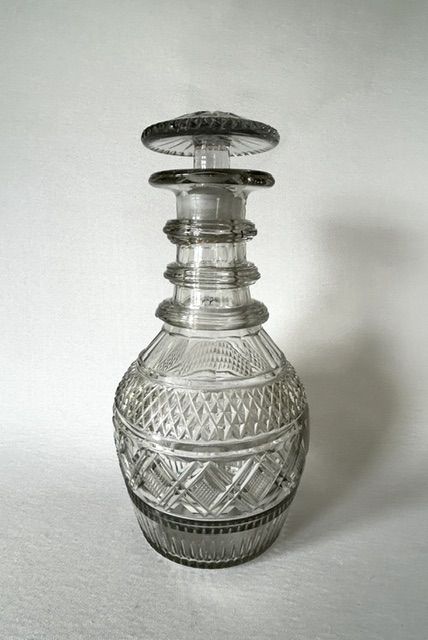
Makers utilised clear glass, lead crystal, and coloured glass such as cranberry, green, and cobalt, often shaping vessels through blowing techniques. Many pieces feature intricate pillar and prism cutting or wheel engraving applied directly to the surface.
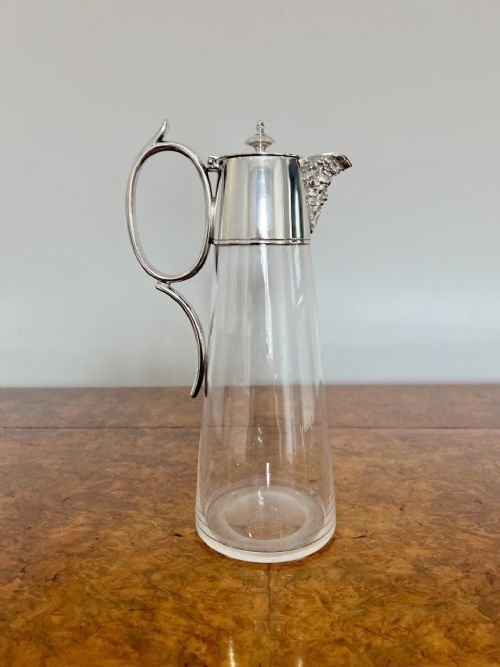
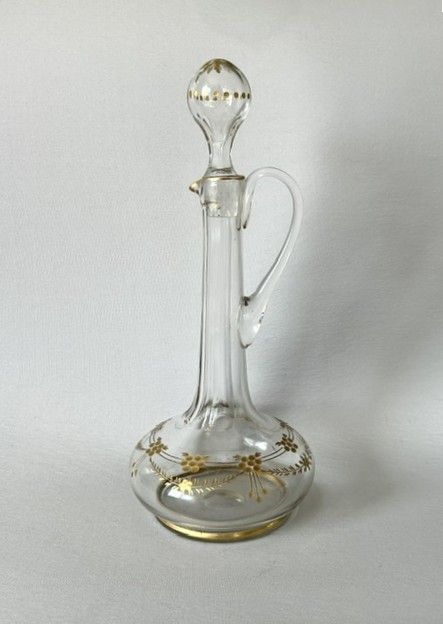
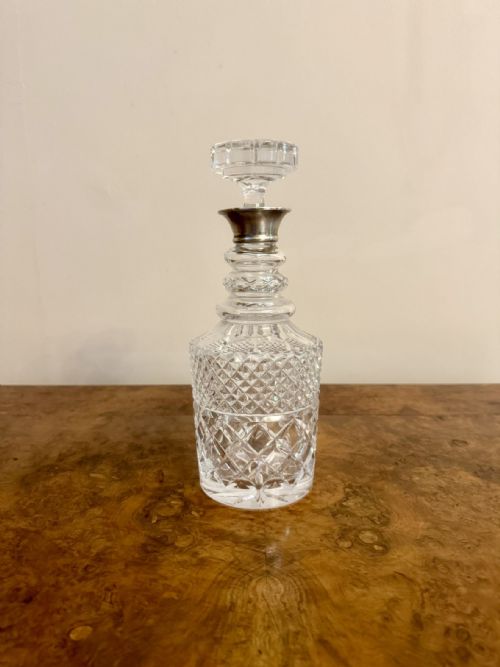
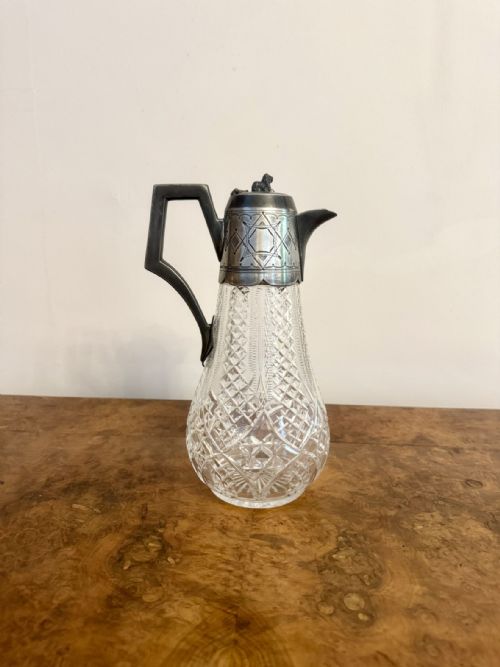
Certain wine jugs and decanters incorporate metal elements, pairing silver plate mounts and shaped collars with glass bodies. Additional ornamentation includes surface gilding, hand-painted enamel decoration, and applied coloured overlays.
Materials recorded across the selection include clear glass, lead crystal, cranberry glass, and silver plate.
What varies in quality
Quality separates simple utility vessels from finer display pieces through the crispness of surface cutting and the weight of the crystal. Superior examples display deep, sharp facet cuts and well-balanced proportions that sit comfortably in the hand.
The integration of materials also dictates standing, where silver plated mounts fit snugly against the glass neck and hand-painted enamel or gilding shows careful execution. Maker attribution further elevates certain works, distinguishing standard production items from distinguished studio pieces.
Rene Lalique·Stevens and Williams
The Vintage Glass Wine Carafe Glossary
- Claret jug
- A specialised vessel designed specifically for serving red wine, usually featuring a handle and a hinged metal lid or spout. These often combine glass bodies with silver plate mounts.
- Cut glass
- Glass decorated by abrasive wheels that grind patterns into the surface, creating facets and geometric designs. This technique catches the light and adds tactile texture to the vessel.
- Ewer
- A large jug with a wide spout and a curved handle, traditionally used for holding and pouring liquids. In this context, they serve as decorative wine or water servers.
- Overlay
- A manufacturing technique where a layer of coloured glass is fused over a clear or contrasting glass body before being cut through to reveal the layer beneath. This creates striking visual contrast.
- Silver plate
- A base metal coated with a thin layer of silver, frequently utilised for the collars, handles, and lids of nineteenth-century jugs. It provides the appearance of solid silver while remaining durable for daily use.
Vintage Glass Wine Carafe: Frequently Asked Questions
How do I date a glass wine carafe?
Dating relies on observing stylistic markers, manufacturing techniques, and any accompanying metal mounts. Victorian and Edwardian pieces often display characteristic heavy cutting or silver plated collars typical of those decades.
Earlier nineteenth-century examples may show distinct pontil marks on the base and heavier lead crystal composition. Comparing the form against known period designs helps narrow down the decade of production.
Are these carafes safe for serving wine today?
Most antique glass vessels remain entirely functional for serving wine at the table. Hand washing is essential to preserve older glass surfaces and any delicate silver plate mounts.
Avoiding sudden temperature changes prevents thermal shock to nineteenth-century crystal. Inspecting the interior ensures the vessel is clean before filling.
What is the difference between a decanter and a claret jug?
Decanters generally feature a glass stopper and a stable base suited for storing and serving various spirits and wines. They rely entirely on glass components for containment.
Claret jugs incorporate a handle and a hinged metal spout mechanism designed for easy pouring at the dining table. They frequently combine glass bodies with silver plated metalwork.
How should I clean antique glass?
Warm water and mild washing liquid suffice for routine cleaning of vintage glass vessels. A soft bottle brush helps reach inner surfaces without scratching the material.
Harsh chemical detergents and dishwashers should be avoided to protect delicate enamelling, gilding, and silver plate. Allowing the vessel to air dry upside down prevents water spots.