

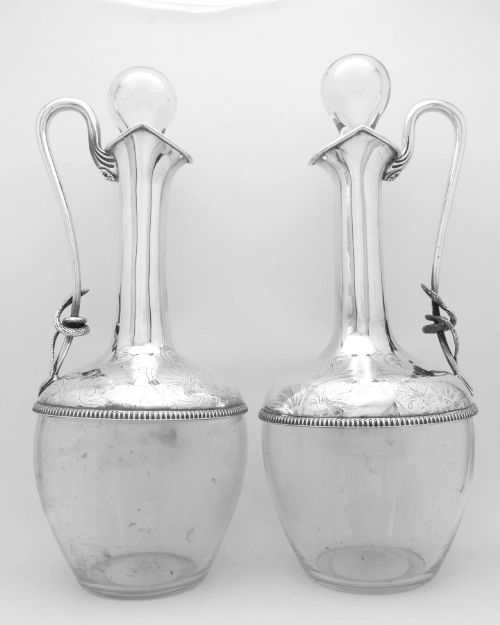


Silver Handle Wine Jug
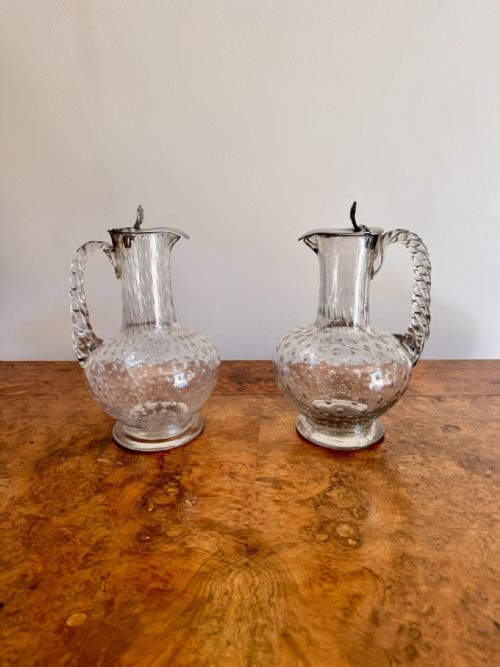
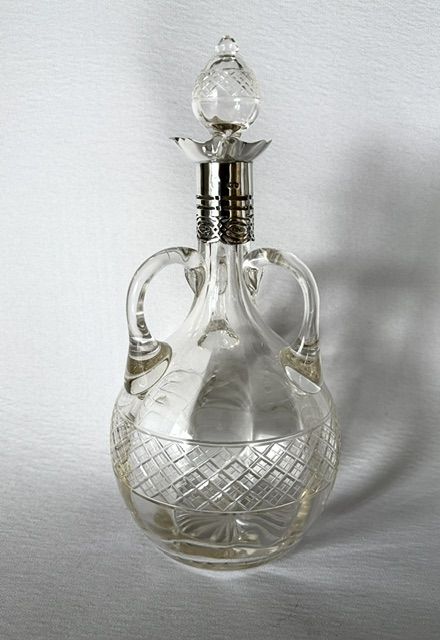
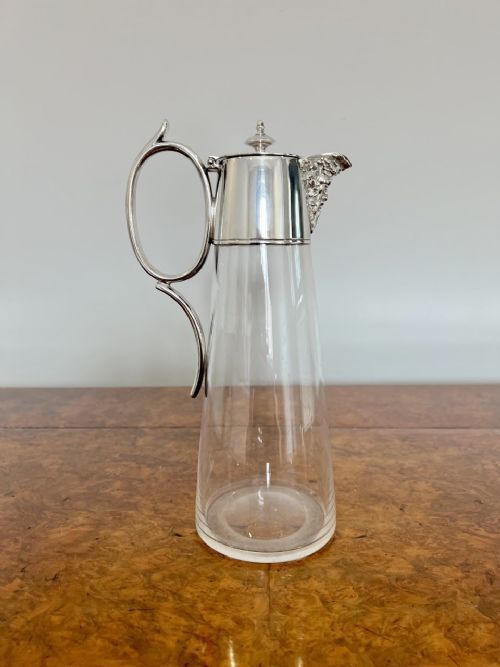
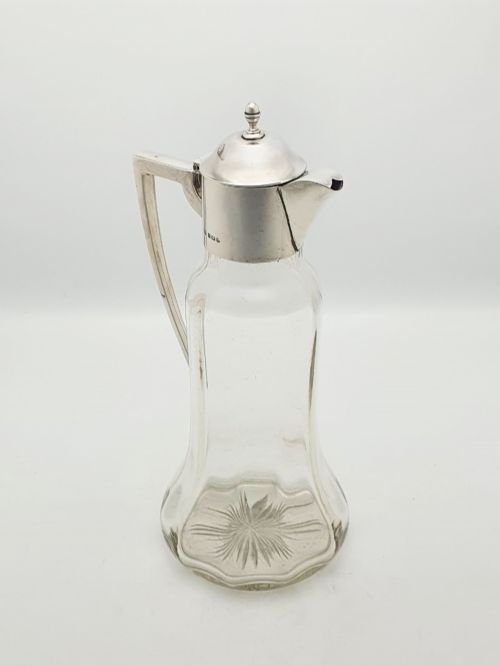
These silver handle wine jug examples combine cut glass bodies with plated or sterling mounts, bringing period elegance to the table.
Silver Handle Wine Jug
When you search for a silver handle wine jug, you are looking at serving vessels designed for claret, wine, and spirits. The listings here span the Georgian, Victorian, Edwardian, and Art Deco periods, encompassing claret jugs, decanters, ewers, and pitchers.
You are most likely to encounter Victorian and Edwardian examples featuring glass bodies with silver plate or sterling mounts. These pieces range from standard table forms to distinctive artistic designs.
Origins include British production alongside continental European work, offering varied interpretations of period styles from Neoclassical to Art Nouveau and the Aesthetic Movement.
How they were made
Makers combined blown or moulded glass bodies with metal components, utilising cut glass and crystal alongside sterling silver and silver plate. Some vessels integrate wood elements into their construction.
Mounts were cast, chased, and applied to the glass necks and handles, often incorporating hinged lids and thumbpieces. Glass bodies frequently feature extensive wheel-cut geometric or floral decoration.
Silver Handle Wine Jug Retail Price Guide 2026
Typical asking prices for silver handle wine jug among the pieces listed under this phrase on Sellingantiques today, from the lower quarter to the upper quarter. They describe what is for sale here now, not the wider market.
Materials recorded across the inventory include cut glass, crystal, sterling silver, silver plate, and wood.
What varies in quality
Quality rests in the weight and clarity of the glass, the crispness of the cutting, and the substance of the metal mounts. Substantial sterling silver mounts and heavy crystal bodies indicate finer production.
Design distinction also separates standard vessels from exceptional pieces. Attributed or marked work by known makers and progressive designers elevates a piece above anonymous domesticware.
Hukin & Heath·Dr Christopher Dresser·John Scofield
The Silver Handle Wine Jug Glossary
- Claret jug
- A specialised pouring vessel intended for serving red wine, typically combining a glass body with a metal handle, collar, and hinged lid. They were standard dining table accessories in the nineteenth and early twentieth centuries.
- Silver plate
- A manufacturing method where a thin layer of silver is fused or electroplated onto a base metal, usually copper or nickel brass. This technique allowed makers to produce elaborate items at a lower cost than solid sterling silver.
- Crystal
- A type of glass containing lead oxide, which increases weight, brilliance, and refractive index. It allows for deep, sharp wheel-cutting that catches candlelight.
- Ewer
- A large jug with a wide spout and a looped handle, traditionally used for holding water or wine. In antique silver and glass, the term often describes decorative pouring vessels of classical form.
- Sterling silver
- An alloy consisting of ninety-two point five percent silver and seven point five percent other metals, usually copper. It provides the durability required for functional items while maintaining a high silver purity.
Silver Handle Wine Jug: Frequently Asked Questions
How do I date a silver handle wine jug?
Dating relies on hallmarks stamped on the metal mounts, stylistic cues in the glass cutting, and overall form. Victorian and Edwardian pieces show distinct decorative motifs ranging from heavy floral chasing to streamlined geometric lines.
Maker marks and registration numbers provide further chronological clues. Comparing the handle attachment and lid mechanism against known period designs helps narrow the manufacturing window.
What is the difference between a claret jug and a decanter?
A claret jug is specifically designed for serving at the table, equipped with a handle, hinged lid, and pouring spout. Decanters are generally stoppered vessels meant for holding and aerating wine before service.
While some overlap exists in terminology across historical listings, the presence of a metal handle and thumbpiece lid defines the jug form.
Were these jugs only used for wine?
Although primarily made for serving claret and other wines during formal meals, similar vessels held water, spirits, and mixed punches. Spirit ewers and general pitchers served comparable functions on the sideboard.
The interchangeable use depends largely on the capacity and presence of a pouring lip rather than strict historical limitations.
How should I clean the silver and glass?
Cleaning requires separating the care of the metal mounts from the glass body. Gentle non-abrasive polishes maintain the silver or silver plate without wearing down the thin metallic layer.
Glass interiors respond well to warm water and mild detergents, avoiding harsh scrubbing that might scratch the surface or weaken old adhesives where mounts meet glass.