


Late Victorian Glass Decanter
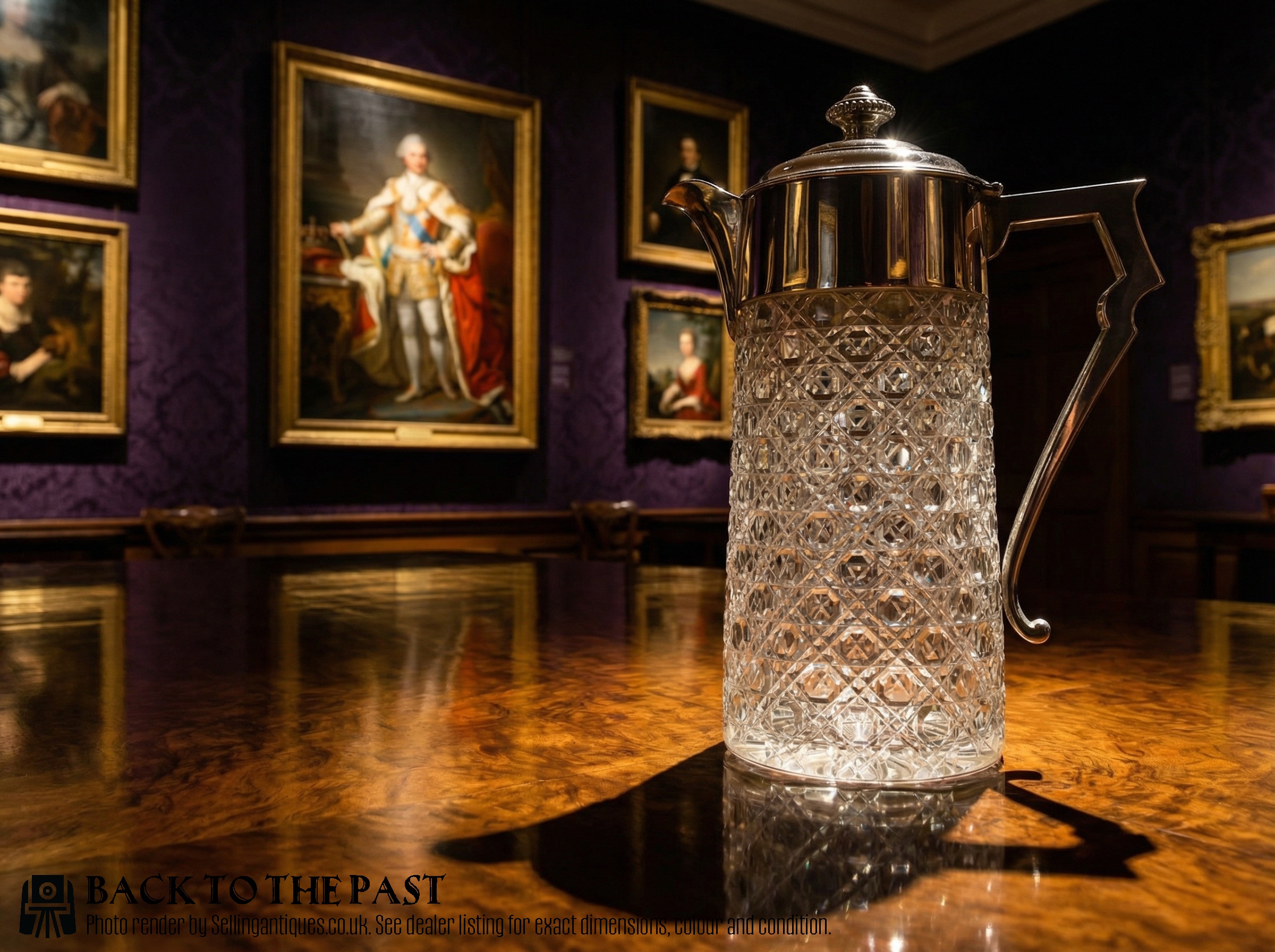
A late victorian glass decanter brings heavy cut crystal and silver mounts to the sideboard, offering a functional piece of late nineteenth century hospitality.
Late Victorian Glass Decanter
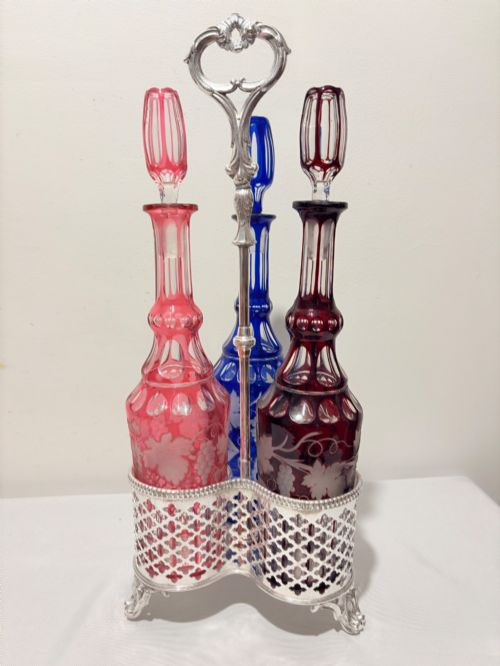
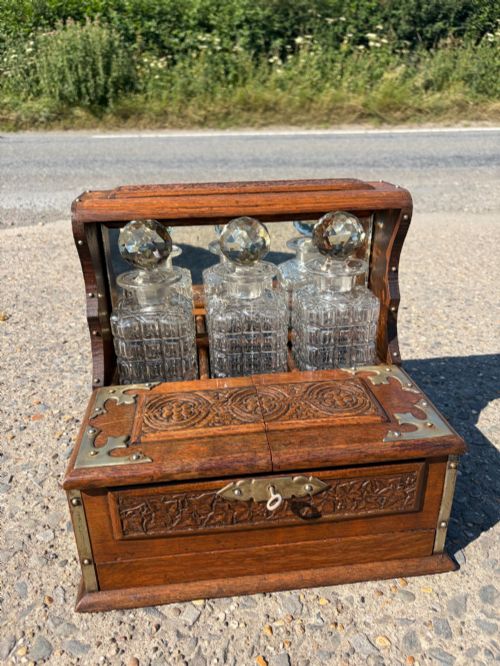
When you search for a late victorian glass decanter, you encounter vessels produced towards the close of the nineteenth century, typically combining heavy blown or cut glass with metal mounts. The forms span standalone claret jugs, green and blue glass flagons, and multi-bottle tantalus sets housed in oak or coromandel frames.
Silver plate and sterling silver mounts dominate these pieces, often bearing hallmarks from London, Birmingham, or Glasgow dating into the eighteen nineties. Makers such as Betjemann Brothers and Hukin and Heath produced locking frames and specialised spirit dispensers for the after dinner table.
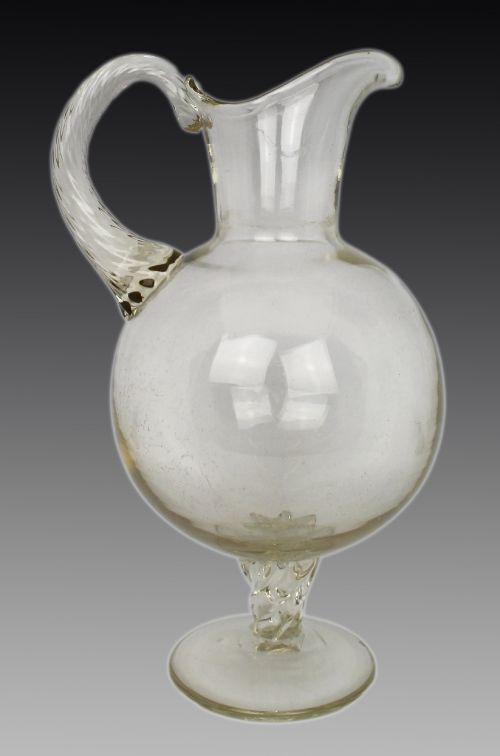
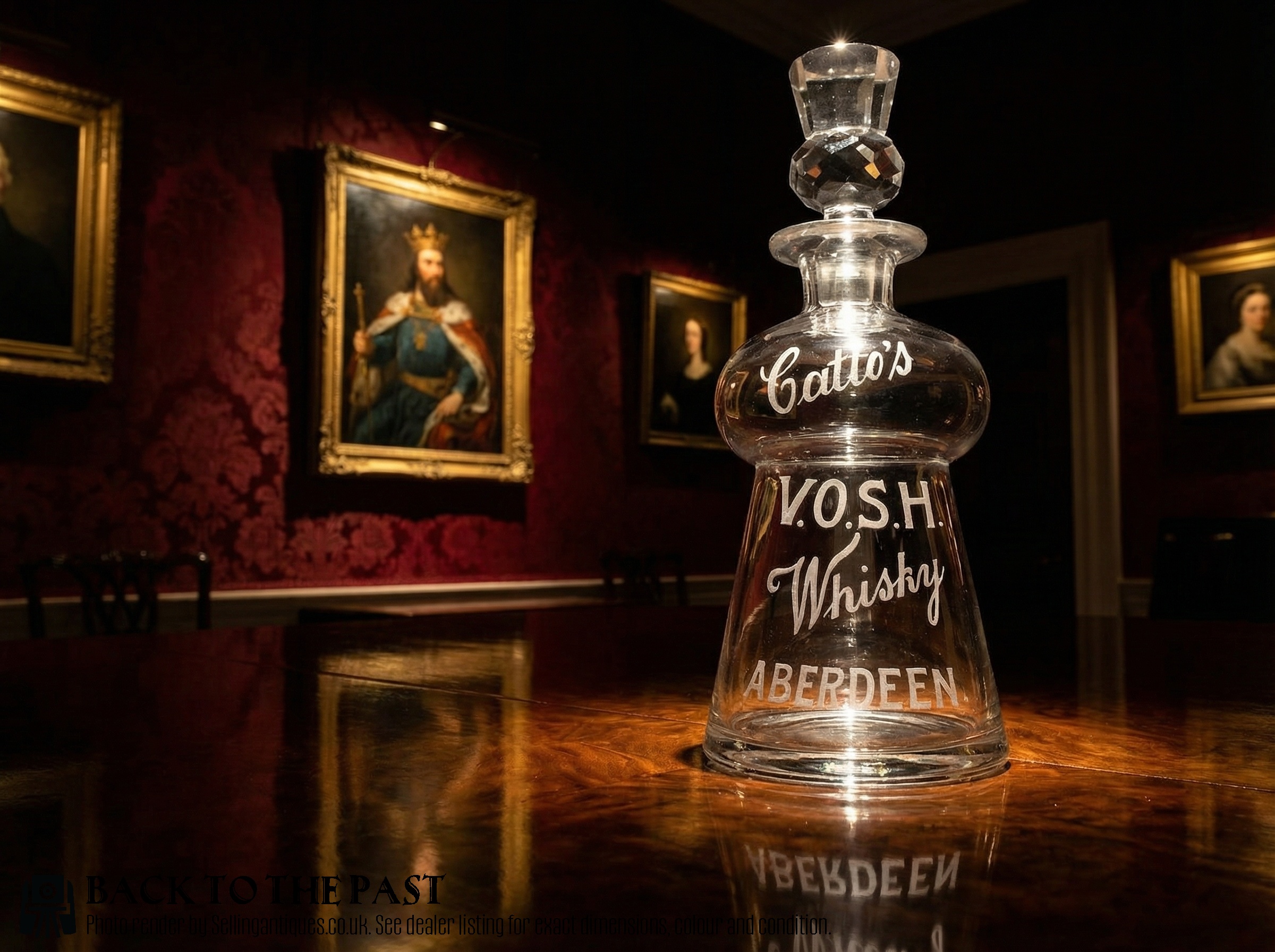
Alongside clear cut crystal, the period encompasses enamelled Scottish whisky bottles, etched wine jugs with grape motifs, and hand-blown Italian ewers. These items served both domestic dining rooms and public bars, reflecting the diverse beverage habits of the era.
How they were made
Glasshouses employed optical blowing, free-blowing, and deep hobnail cutting to shape the crystal bodies, occasionally adding enamel painting or acid etching for surface decoration. Colours like green, blue, and amethyst were achieved through metal oxides added to the molten batch.
Silversmiths and electroplaters constructed mounts, collars, and hinged lids in sterling silver or silver plate, securing them around the necks and bases of the vessels. Wooden frames for tantalus sets utilised oak, brass fittings, and coromandel wood, assembled with robust joinery to withstand daily locking.
Listings feature clear cut glass, green glass, blue glass, and oak alongside sterling silver and silver plate.
What varies_in_quality
The clarity and weight of the glass dictate the baseline quality, where deep, sharp cutting on crystal creates a more substantial feel than thin, mould-blown alternatives. Crisp detailing in etched grapevine motifs or careful enamel work distinguishes finer studio pieces from standard production items.
Mounts reveal significant differences through the thickness of the silver plate or the solid weight of sterling silver, alongside the mechanical precision of locking mechanisms by makers like Betjemann. Original matched sets and intact stoppers maintain greater integrity than marriage pieces assembled from mismatched components.
James Powell·Betjemann Brothers·The Goldsmith Co·Hukin and Heath·Henry Wilkinson and Co
The Late Victorian Glass Decanter Glossary
- Tantalus
- A locking wooden frame holding glass decanters that prevents guests from pouring drinks without a key. The brass-mounted oak versions are typical of late nineteenth century English dining rooms.
- Claret Jug
- A tall pouring vessel specifically designed for serving red wine at the table. These often combine cut glass bodies with hinged silver-plated or sterling silver mounts and spouts.
- Hobnail Cut
- A geometric pattern of intersecting cuts that creates rows of small, pyramid-like bumps across the glass surface. This technique adds tactile grip and brilliant light refraction to Victorian crystal.
- Optically Blown
- A glassmaking technique where molten metal is inflated inside a ribbed mould before being expanded. This produces subtle, swirling patterns within the walls of the decanter.
Late Victorian Glass Decanter: Frequently Asked Questions
How do I date a late victorian decanter?
Examine any silver mounts for hallmarks, which include city assay marks, date letters, and maker's stamps that pinpoint the exact year of production.
Stylistic cues like deep hobnail cutting and oak tantalus frames also help align the piece with the eighteen eighties and nineties.
Were these decanters meant for daily use?
Middle and upper class households utilised these vessels regularly for after-dinner port, sherry, and claret during the late nineteenth century.
Locking tantalus sets were specifically introduced to secure expensive spirits from domestic staff.
What is the difference between a tantalus and a decanter stand?
A decanter stand is an open frame, often in silver plate or cast brass, that holds two or three bottles for easy access at the table.
A tantalus encloses the decanters within a lockable wooden bar mechanism to restrict access to the contents.
How should I clean clouded glass inside?
Avoid abrasive brushes that might scratch the interior of antique blown or cut crystal.
Use warm water with specialist cleaning beads or mild solutions, rinsing thoroughly to preserve the original glass surface.