

Victorian Silver Container
A victorian silver container brings domestic refinement to daily life, offering small-scale utility through tea caddies, snuff boxes and mustard pots crafted to last.
Victorian Silver Container
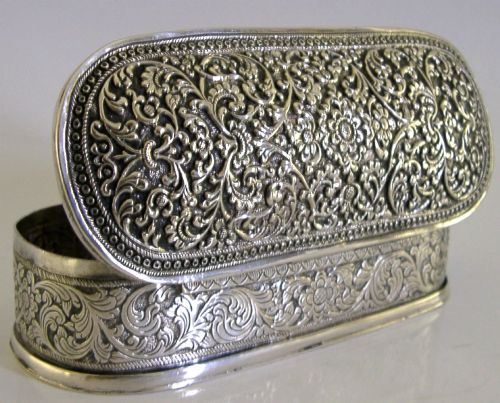
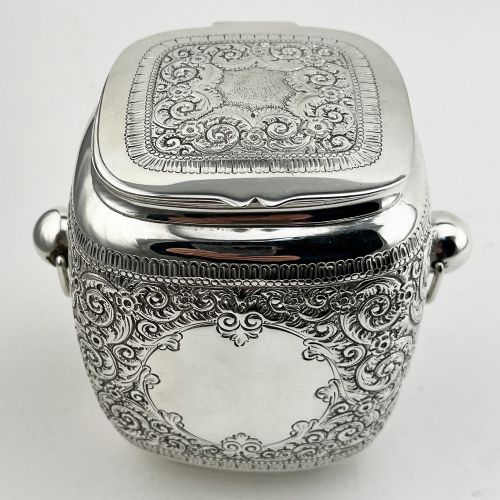
A victorian silver container encompasses a diverse array of utilitarian and decorative domestic objects, ranging from tea caddies and biscuit barrels to snuff boxes and vesta cases. These pieces emerge from the nineteenth century and the Edwardian era, bearing the stylistic marks of British manufacture alongside Anglo-Indian, Ottoman and Dutch revivals.
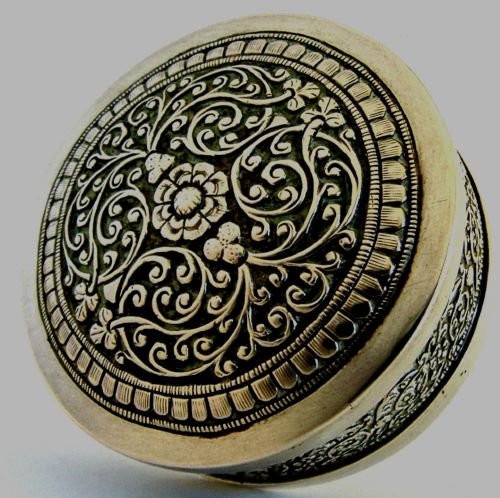
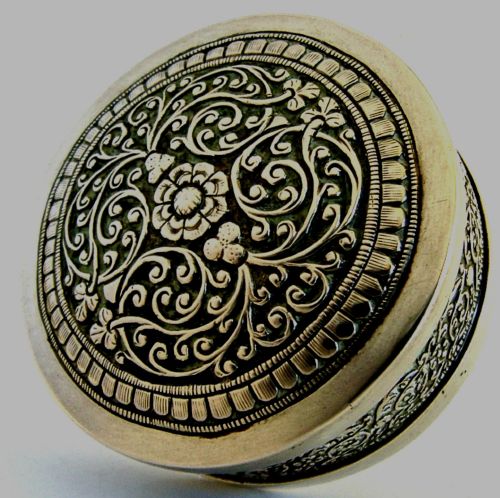
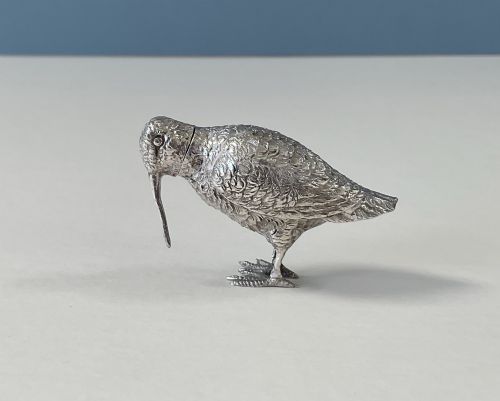
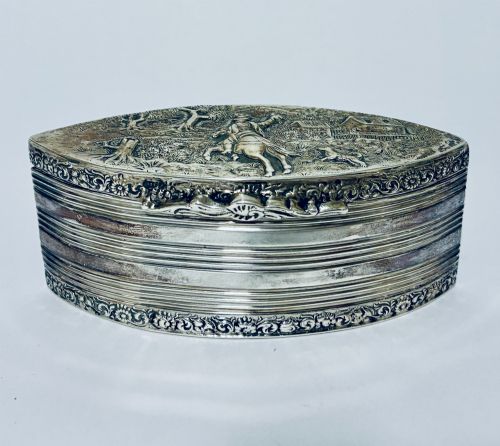
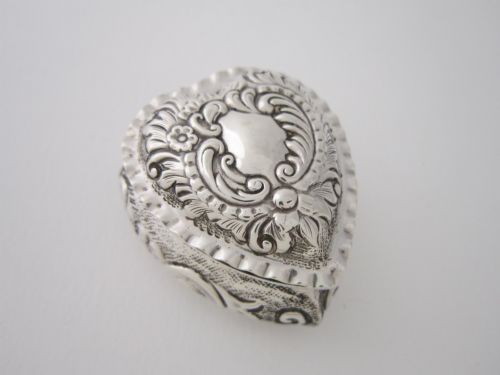
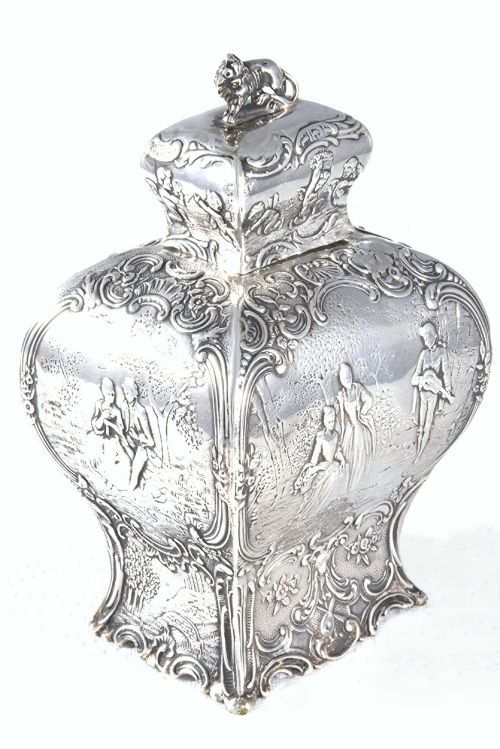
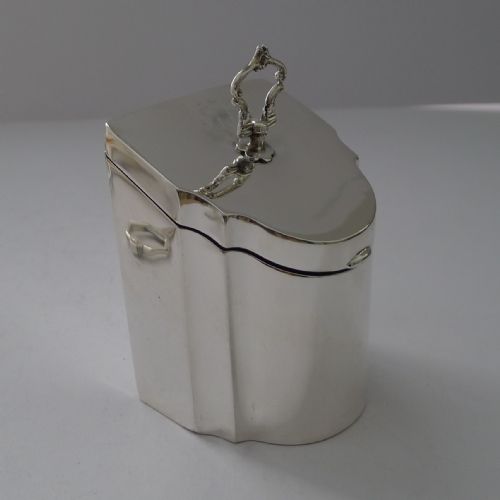
Tea caddies, trinket boxes and mustard pots form the core of what collectors meet on this page, often fashioned in solid sterling silver or silver plate. Forms vary from simple drums and heart shapes to elaborate knife boxes, bombe structures and novelty animal designs.
Regional British assay offices stamp many domestic containers, while export pieces from regions such as Ceylon or Indo-China introduce distinct regional motifs. Functional vessels like string boxes, pyx boxes and butter dishes sit alongside personal items like vanity pots and snuff mulls.
Materials and Technique
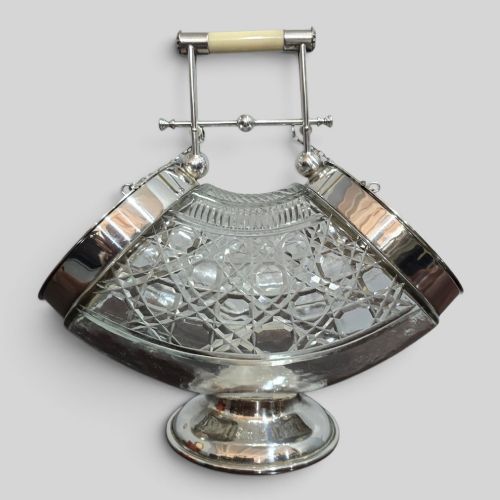
Makers shaped these containers primarily from sterling silver and silver plate, frequently combining metal with cut glass, stoneware, horn and tortoiseshell to achieve textural contrast. Interiors often received a gilt wash, while velvet linings provided protection for delicate contents.
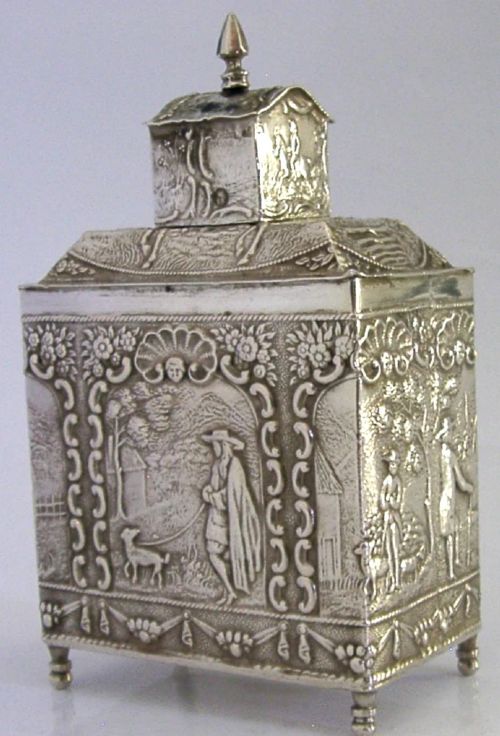
Techniques relied upon skilled silversmithing methods such as piercing, embossing, casting and hobnail cutting. Surface decoration included detailed castle top pictorial scenes, Dutch rococo revival scrollwork and intricate repoussé work on solid silver and plated bodies.
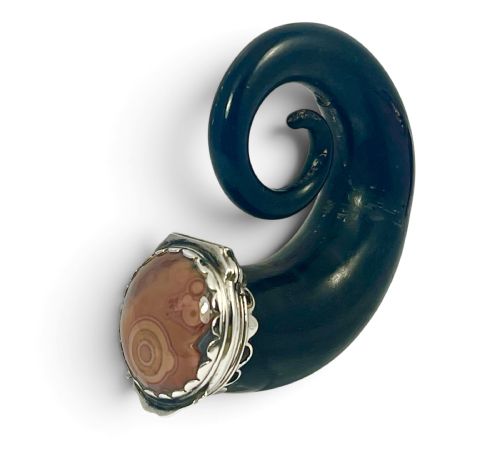
Makers occasionally turned animal anatomies into utility, shaping horn into Scottish snuff mulls and hunting horns into vinaigrettes.
Evaluating Quality
Quality rests upon the gauge of the silver and the crispness of the chased or pierced decoration rather than the mere presence of a precious metal. Heavy, substantial metalwork maintains its structural integrity and structural hinges far better than thinner counterparts.
The integration of secondary materials defines the upper tier of manufacture, where cut glass liners fit precisely and natural substances like horn or tortoiseshell remain stable and well-polished. Maker marks from established silversmiths further elevate the standing of an individual piece.
EV Pledge and Son·FA Barrett·Nathan and Hayes·Mappin and Webb·Robert Thornton·Sampson Mordan·Elkington·Thomas Bradbury
The Victorian Silver Container Glossary
- Sterling silver
- A silver alloy containing 92.5 percent pure silver by mass and 7.5 percent other metals, usually copper. This standard metal forms the basis of most high-grade British domestic containers.
- Vesta case
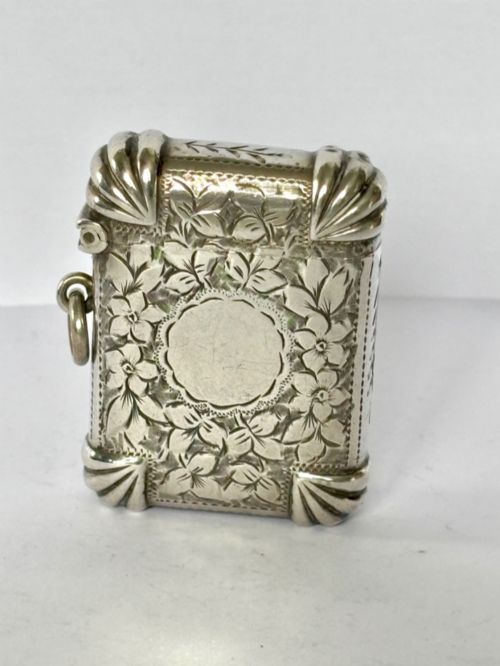
- A pocket-sized box designed to hold wax matches, commonly fitted with a striker on the base. These portable containers frequently feature engraved ornamentation and hinged lids.
- Biscuit barrel
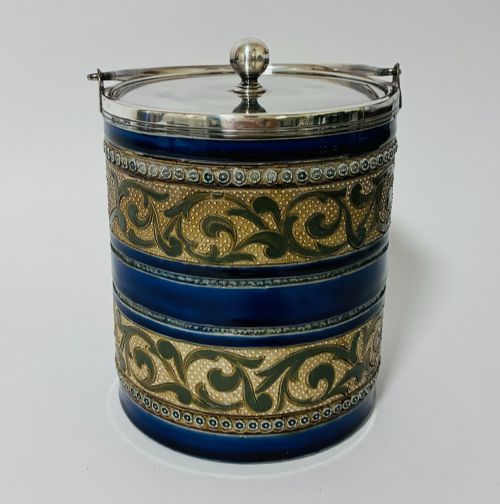
- A covered ceramic, glass or metal vessel intended for storing biscuits on the dining table. Silver-plated or solid silver mounts secure the body and lid.
- Pyx box
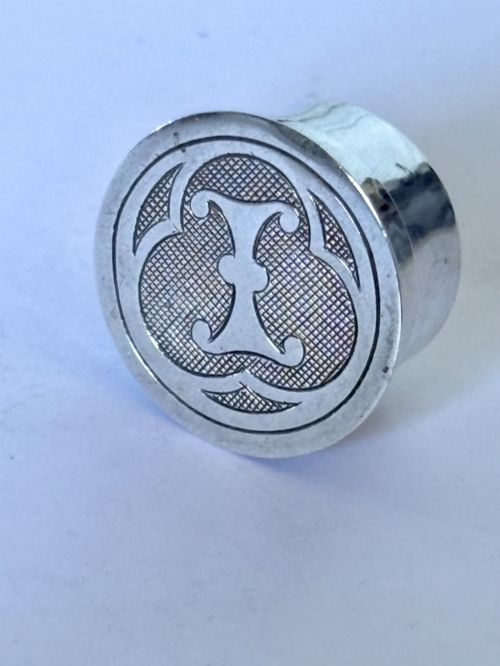
- A small round container historically utilised to carry the Eucharist. Secular examples from the period adapt this compact, secure form for personal storage.
- Snuff mull
- A container used for holding and dispensing dry snuff, traditionally fashioned from ram's horn with metal mounts in Scottish manufacture.
Victorian Silver Container: Frequently Asked Questions
What were tea caddies used for?
Tea caddies served to store precious tea leaves safely away from light, air and moisture in the nineteenth-century home. Because tea was an expensive commodity, these containers typically featured lockable lids to control household access.
Over time, these lidded vessels evolved into highly decorative parlour items, often constructed in matched pairs or threes within wooden outer boxes. Their interiors frequently included internal foil linings or secondary lids to preserve the aroma of the leaves.
How do I identify a biscuit barrel?
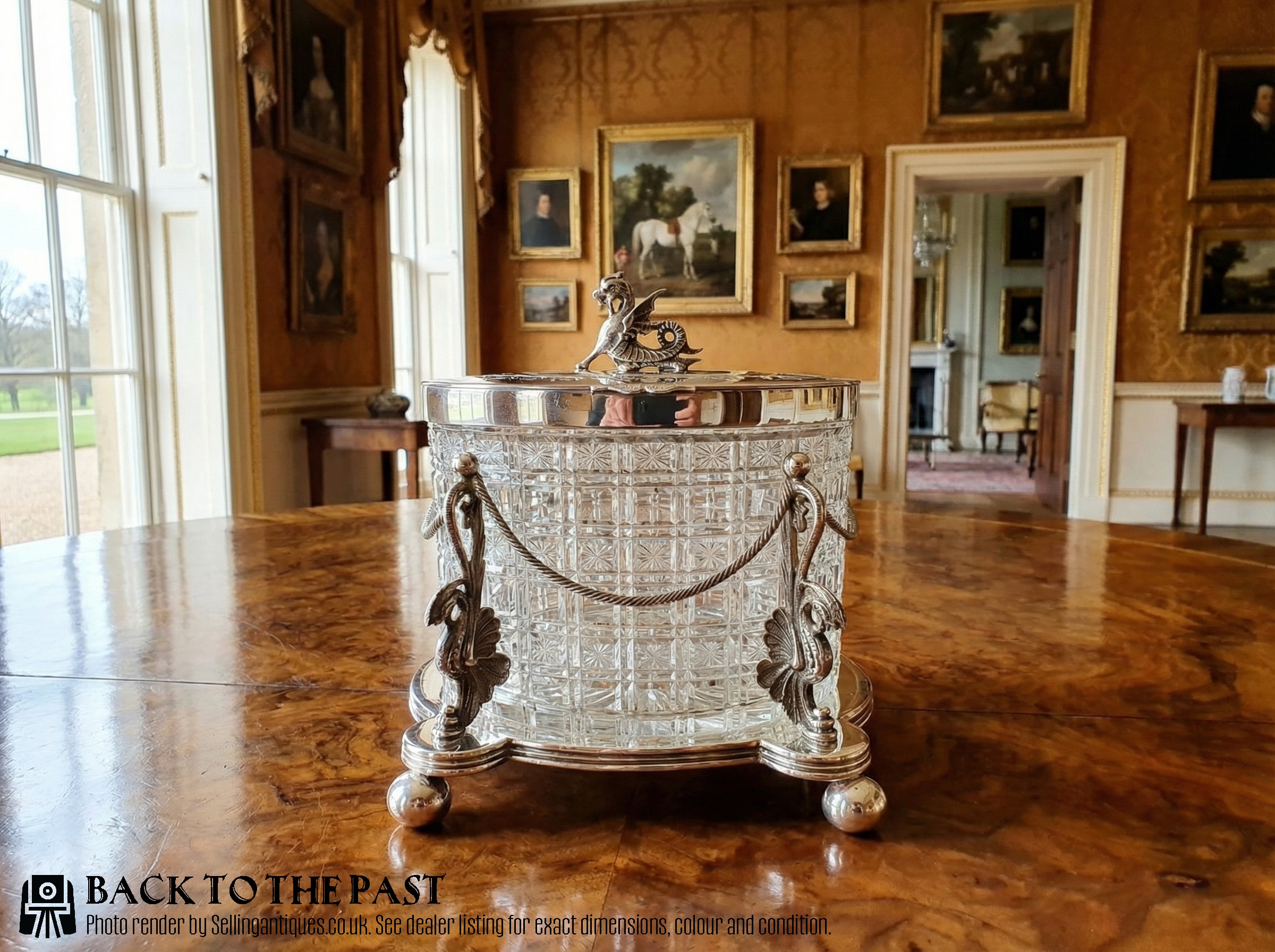
A biscuit barrel is a cylindrical or urn-shaped container designed to hold baked goods for formal tea services or dining rooms. They usually feature a fitted metal lid and a swing handle for easy transport around the table.
Many examples pair a cut glass or Doulton stoneware body with an ornate silver-plated frame and rim. Some luxury iterations include locking mechanisms or matching stands with integrated drip pans.
What is a vesta case?
A vesta case is a small, flat pocket box engineered to hold matches safely in the nineteenth and early twentieth centuries. They incorporate a serrated stripe on the exterior base for striking matches before ignition.
These portable containers often display personal monograms, floral engraving or novelty shapes suspended from a chatelaine or carried in a pocket. The tight hinge prevents moisture from reaching the matches.
How can I date my silver container?
Dating British silver containers relies heavily on the official hallmarks stamped directly onto the metal surface. These stamps typically include a maker's mark, a standard fineness mark, an assay office town mark and a date letter.
By matching the specific shape of the date letter and the shield outline to established assay office tables, a collector can determine the exact year of manufacture. Items without full hallmarks, such as foreign export pieces or silver-plated wares, are dated by style, patent marks and stylistic comparisons.