





Victorian Portrait Statue
A victorian portrait statue captures figures in marble, bronze, alabaster and pottery, bringing historical likenesses into domestic spaces.
Victorian Portrait Statue
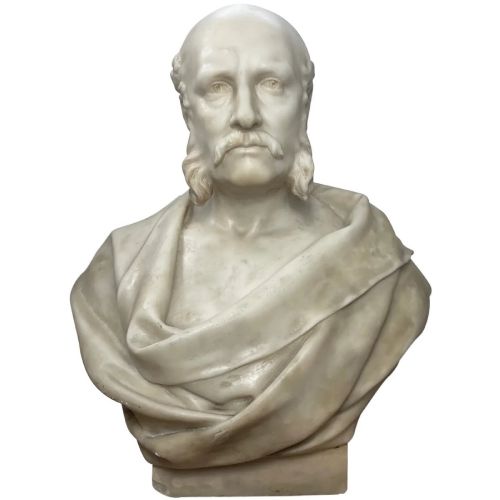
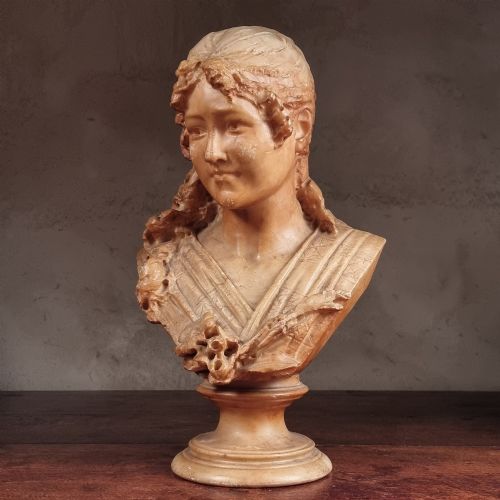
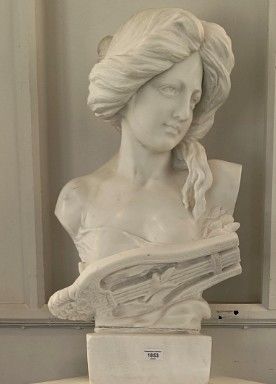
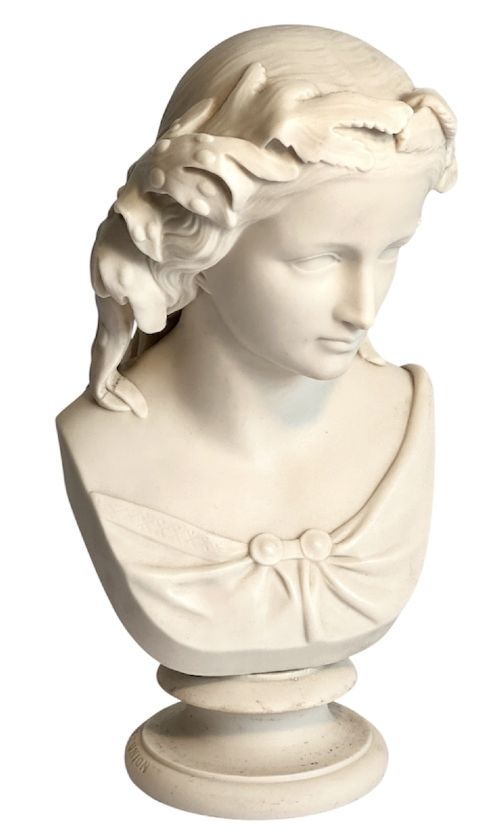
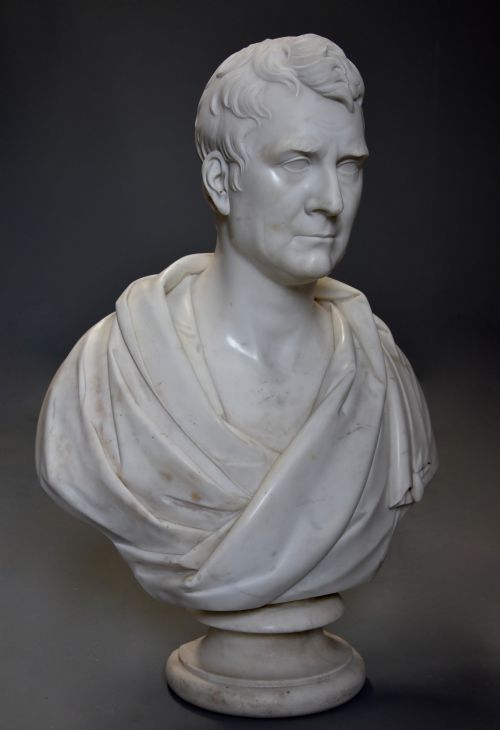
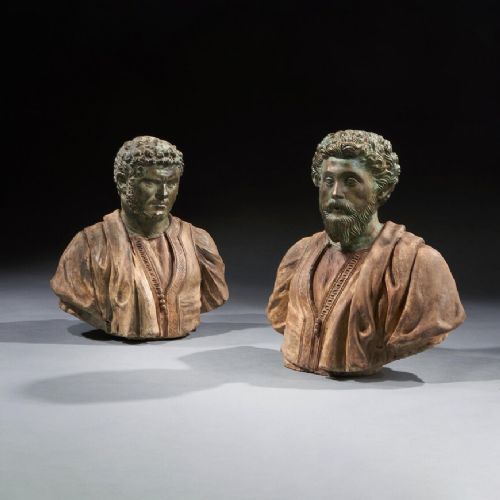
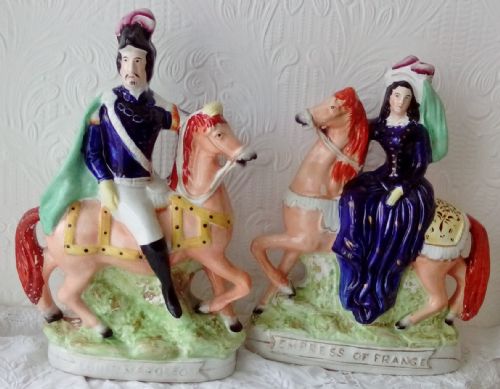
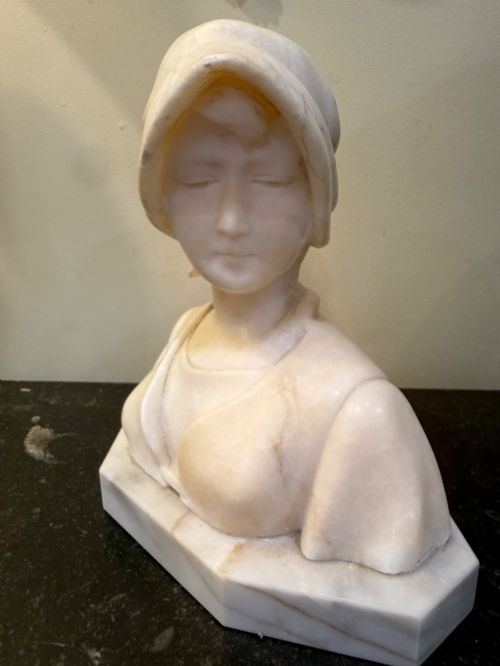
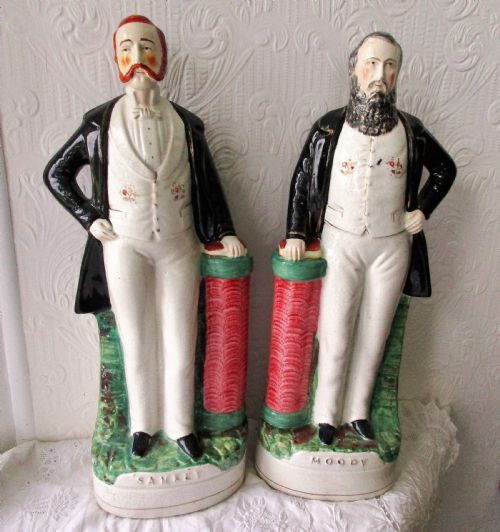
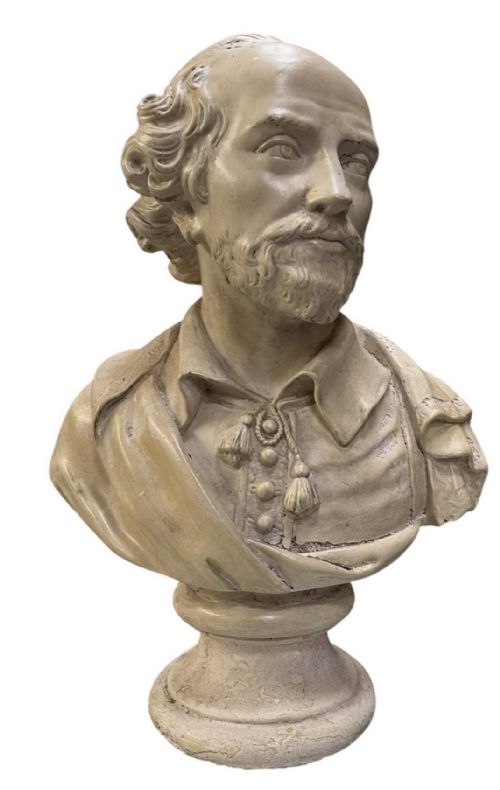
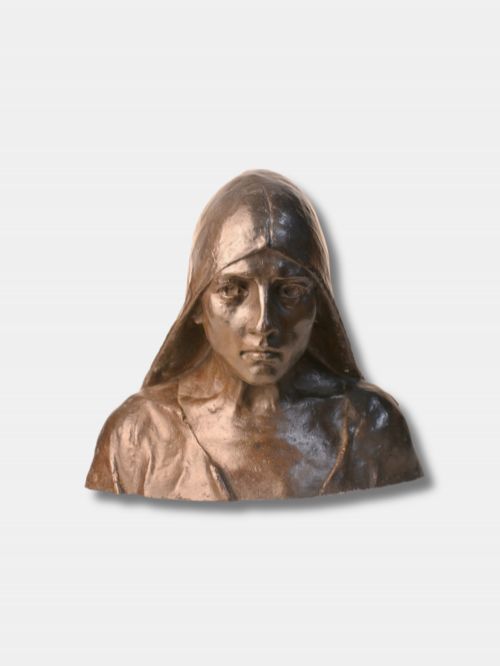
A victorian portrait statue encompasses carved marble busts, bronze studies, alabaster figures and Staffordshire pottery likenesses produced across the nineteenth century. These pieces record politicians, royals, literary figures, mythological characters and local notables through sculptural interpretation. Buyers frequently encounter carved marble and cast bronze busts alongside earthenware Staffordshire portrait figures on this page.
The form spans monumental civic commissions down to mantelpiece pottery figures of monarchs and evangelists. Works range from classical subjects like the Muses and Roman emperors to contemporary figures such as Queen Victoria and political leaders. The selection reflects both grand neoclassical ambitions and popular domestic display tastes of the period.
How They Were Made
Makers utilised diverse media including Parian ware, cast iron, enamel and white marble to achieve varied surface finishes. Signed pieces demonstrate individual sculptural mastery, whilst pottery figures show mass-production methods tailored for popular markets.
Listings feature marble, bronze, alabaster, earthenware and Parian ware across the nineteenth century.
What Varies in Quality
Signed works by documented sculptors carry greater artistic distinction than anonymous workshop pieces. The choice of material, such as fine Carrara marble or detailed alabaster, influences the overall presence of the sculpture.
Copeland·Raffaelo Monti·Emile Jespers·Jean Jules Salmson·Sir Thomas Brock·John Wenlock Rollins·Mieczyslaw Leon Zawiejski
The Victorian Portrait Statue Glossary
- Parian ware
- A fine-grained, unglazed porcelain resembling white marble, developed by Copeland and other potteries for portrait busts and figures.
- Staffordshire pottery
- Earthenware figures and groups produced in Staffordshire potteries, widely collected for their naive charm and historical subjects.
- Patina
- The surface sheen and colour developed on bronze sculpture through age and chemical treatment by the maker.
- Neoclassical
- A style drawing inspiration from the art and culture of classical antiquity, prevalent in nineteenth-century sculpture.
- Grand Tour
- A cultural journey undertaken by wealthy young Europeans, often resulting in the acquisition of small bronze or marble busts.
Victorian Portrait Statue: Frequently Asked Questions
What materials are used?
These sculptures utilise marble, bronze, alabaster, earthenware pottery, Parian ware and cast iron.
Each medium dictates the weight, texture and visual character of the portrait.
Who do these depict?
Subjects include British royals, political leaders, poets, mythological figures, Roman emperors and local gentlemen.
Works record both famous historical personalities and anonymous sitters of the era.
How were Staffordshire figures displayed?
Staffordshire pottery figures stood upon mantelpieces, sideboards and shelves in Victorian homes.
They served as affordable decorative tributes to contemporary heroes and royalty.
How do I identify the period?
Nineteenth-century pieces often bear stylistic markers of Victorian classicism, Arts and Crafts design or Gothic Revival.
Dates, signatures or maker marks occasionally appear incised into the base or rear of the sculpture.