




White Ceramic Bust
These white ceramic bust pieces bring classic form and refined modelling to a room, offering classical figures and historical likenesses in durable porcelain.
White Ceramic Bust
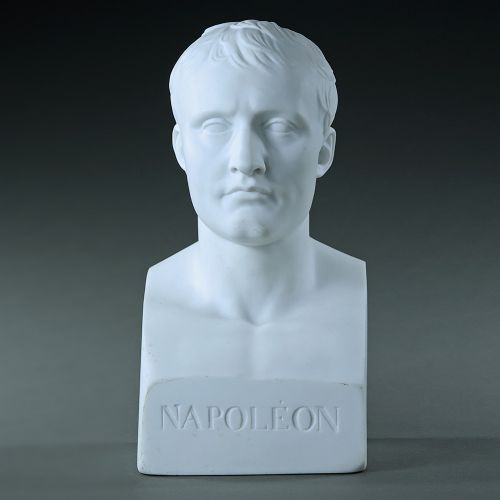
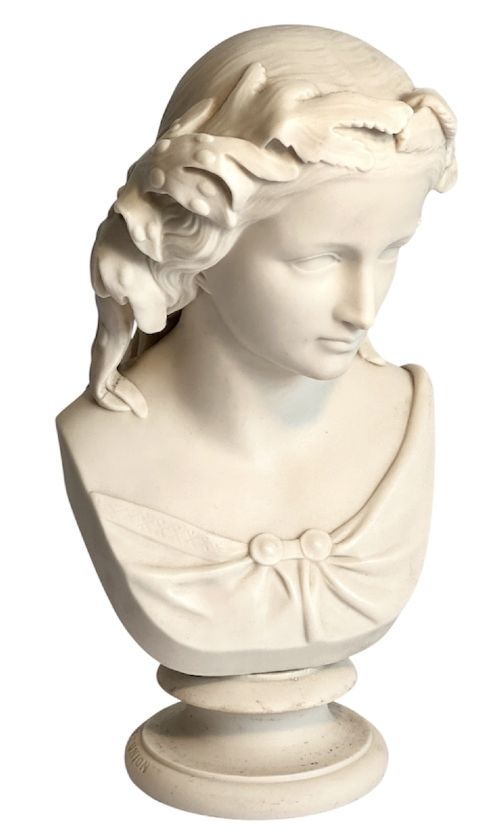
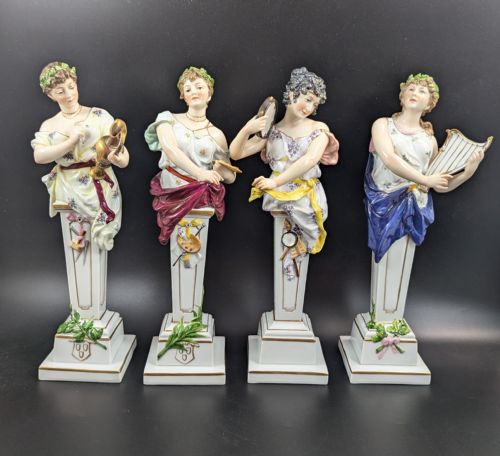
When you search for a white ceramic bust, you encounter sculptural works capturing mythological subjects, literary heroines, and prominent historical figures. The selection on this page centres primarily on nineteenth-century parian porcelain and bisque pieces, alongside occasional twentieth-century character figures and pin cushion dolls.
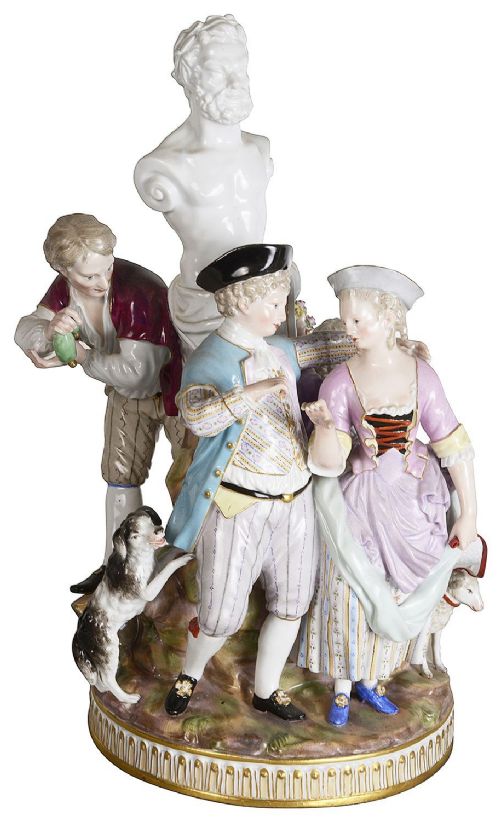
Victorian parian ware dominates the forms available, often reproducing classical antiquities or royal likenesses like Princess Alexandra and William Ewart Gladstone. Alongside these independent portrait busts, you also find figures incorporating classical busts into larger sculptural groups and allegorical compositions.
The scale ranges from small cabinet studies to larger decorative pieces produced by notable nineteenth-century makers. Whether depicting Ariadne or Marie Antoinette, these works utilise white ceramic surfaces to highlight intricate facial expressions and drapery without the distraction of colour.
How they were made
Selected nineteenth-century examples incorporated delicate touches of gold leaf to accentuate specific decorative elements upon the white ceramic surface. Firing these porous bodies demanded precise temperature control to achieve uniform density and prevent warping across large sculptural forms.
Listings span the nineteenth and twentieth centuries, featuring parian porcelain, bisque, and glazed porcelain across Victorian, Neoclassical, and Art Deco styles.
What varies in quality
Proportion and scale also separate the finest studies from routine decorative items, with larger scale works requiring superior technical mastery during the drying and firing stages. The reputation of the originating factory and the skill of the individual modeller dictate the artistic standing of each piece.
Copeland·Johann Heinrich Dannecker·John Durham·Meissen·Achille Mollica·William Goebel
The White Ceramic Bust Glossary
- Parian porcelain
- A fine-grained, unglazed porcelain developed in the nineteenth century to imitate carved marble. It fires to a smooth, creamy white finish that reveals sculptural details with exceptional clarity.
- Bisque porcelain
- Unglazed ceramic fired at a high temperature to create a matte, porous surface resembling white stone. It was widely used for portrait busts and figurines.
- Neoclassical
- A style drawing inspiration from the classical art and architecture of ancient Greece and Rome. It emphasises symmetry, restraint, and classical mythological themes.
- Pin cushion doll
- A half-figure ceramic doll head and torso used in sewing room accessories during the early twentieth century. These pieces sat atop fabric cushions designed to hold pins and needles.
White Ceramic Bust: Frequently Asked Questions
What is a parian bust?
A parian bust is a sculptural portrait moulded from parian porcelain, a material created in Victorian Britain to mimic carved white marble.
These pieces were produced to honour public figures, royals, and literary characters while offering an affordable alternative to stone sculpture for domestic display.
How do I clean a white ceramic bust?
Unglazed ceramic surfaces like parian and bisque require careful maintenance because their porous nature easily absorbs dust and oils from handling.
Dust the piece gently with a soft, dry brush, and avoid using water or chemical cleaners that can penetrate the unglazed clay body.
Are these busts solid ceramic?
Most nineteenth-century sculptural busts were cast as hollow forms to ensure even drying and firing without cracking in the kiln.
This hollow construction kept the weight manageable while allowing makers to produce larger scale decorative pieces for nineteenth-century interiors.
How do I date a ceramic bust?
Dating relies on identifying maker marks, factory stamps, stylistic cues, and the specific ceramic body used in the piece.
Nineteenth-century parian pieces often feature impressed registry marks or manufacturer ciphers on the reverse or base that help pinpoint their origin.