

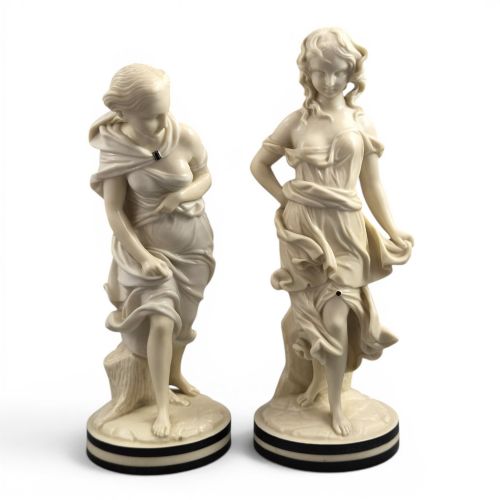


Classical Parian Figure
A classical parian figure brings marble-like grace into a room through smooth biscuit porcelain modelled on ancient sculpture.
Classical Parian Figure
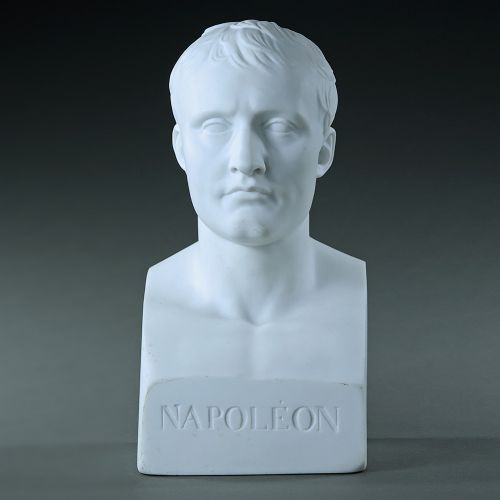
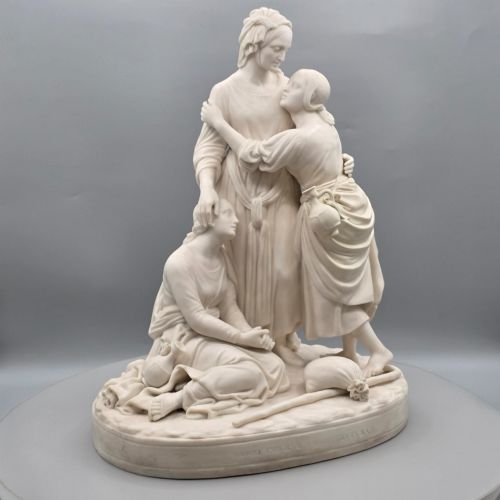
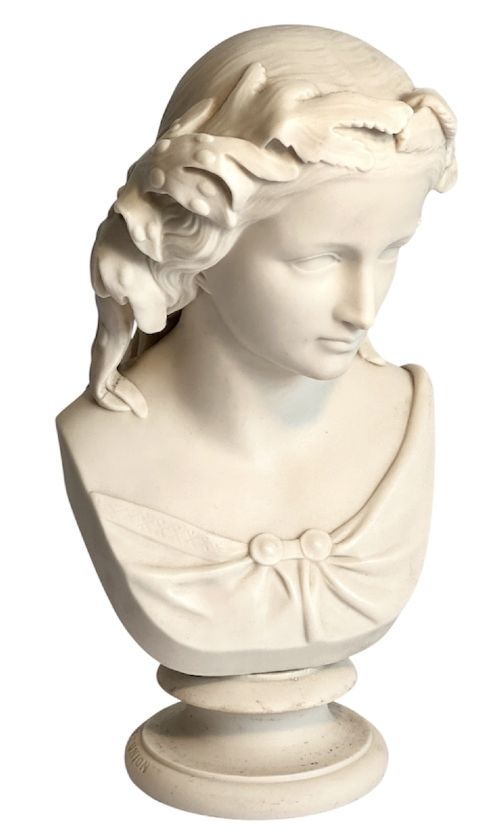
When you search for a classical parian figure, you are looking at nineteenth-century white porcelain created to imitate carved marble without the cold weight of stone. The pieces on this page span the Victorian era, appearing as individual statuettes, portrait busts, and narrative groups.
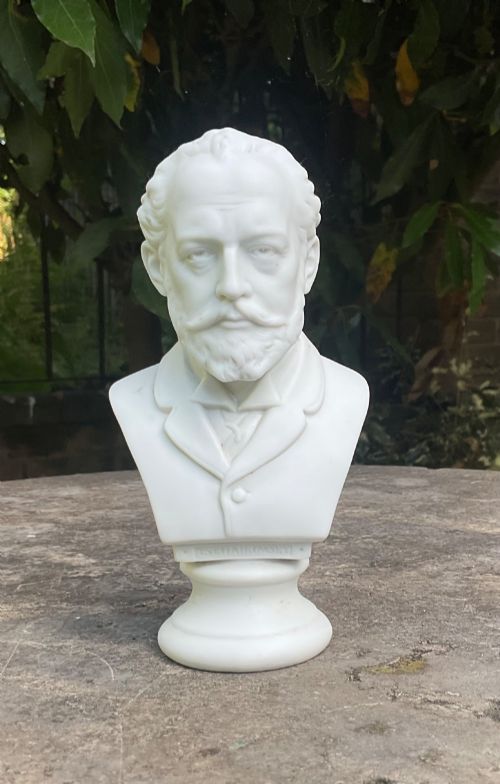
Most examples lean heavily into neoclassical design, drawing subjects from mythology, literature, and historical portraits like Princess Alexandra or Tchaikovsky. You will regularly encounter figures holding attributes such as cornucopias, doves, or baskets, alongside sculptural pairs and candlesticks.
Originating largely from English factories during the mid to late nineteenth century, these white porcelain studies served as sophisticated drawing-room ornaments. They let middle-class Victorian homes display the prestige of grand tour sculpture in a durable, matte ceramic medium.
How they were made
Makers formed these pieces using parian porcelain, an unglazed biscuit ceramic specifically developed to mimic the matte texture of carved marble. Because the body vitrifies at a high temperature, it retains crisp details from the plaster mould without needing a glossy glaze.
The listings on this page span the Victorian era, utilising parian porcelain, bisque, and gilt bronze across figures, busts, and candlesticks.
What varies in quality
Quality rests in the crispness of the modelling and the depth of undercut details in the drapery and hair. Superior pieces avoid the soft, blurred edges found in worn moulds, preserving the sharp musculature and facial expression intended by the original sculptor.
Scale and ambition also divide the range, moving from modest cabinet figures to larger, more complex multi-figure groups. Finer examples show careful attention to anatomical proportion and clean, unblemished porcelain surfaces free from firing warps.
Minton·Copeland·Royal Worcester·James Hadley·James Wilson
The Classical Parian Figure Glossary
- Parian ware
- A type of fine white unglazed biscuit porcelain developed in the nineteenth century to imitate carved marble. It takes its name from the famous marble quarried on the Greek island of Paros.
- Biscuits porcelain
- Unglazed ceramic fired once to vitrify the body and leave a matte, porous surface resembling stone. It is also frequently referred to as bisque.
- Neoclassical
- A revival style drawing inspiration from the art and culture of classical antiquity, particularly ancient Greece and Rome. This aesthetic dominated Victorian sculpture and architectural ornament.
- Caryatid
- A sculpted female figure serving as an architectural support or decorative shaft, such as on a candlestick. The form dates back to ancient Greek temples.
- Cornucopia
- A horn-shaped container overflowing with fruit, flowers, or corn, symbolizing prosperity. It appears frequently as a handheld attribute in classical allegorical figures.
Classical Parian Figure: Frequently Asked Questions
How do I clean parian figures?
Because the porcelain is unglazed and matte, it easily absorbs dirt and oils from handling. Use a soft, dry brush to remove dust from the crevices.
For stubborn marks, a gentle dab with a dry natural sponge usually suffices. Avoid water or liquid cleaners, which can soak into the porous biscuit body and leave permanent stains.
Are these pieces marked?
Many nineteenth-century factories impressed or stamped their marks directly into the soft clay base before firing. You may find factory ciphers, titles, or registry diamond marks hidden underneath.
Unmarked pieces remain common, however, as many smaller or earlier studies relied on paper labels that have long since worn away.
What is the difference between parian and bisque?
Parian porcelain contains a higher proportion of feldspar, which melts during firing to give the body a subtle translucency and a warm, marble-like sheen. Standard bisque porcelain tends to be more opaque and chalky in appearance.
Both remain unglazed, but parian was specifically engineered by British potteries to emulate carved statuary.
Where were these figures displayed?
Victorian households placed these white porcelain sculptures on mantelpieces, pedestals, and console tables where light could catch the matte contours. They functioned as accessible conversation pieces that signalled cultural literacy.
Collectors arranged them alongside bronzes and glass to demonstrate an appreciation for classical art history within domestic interiors.