


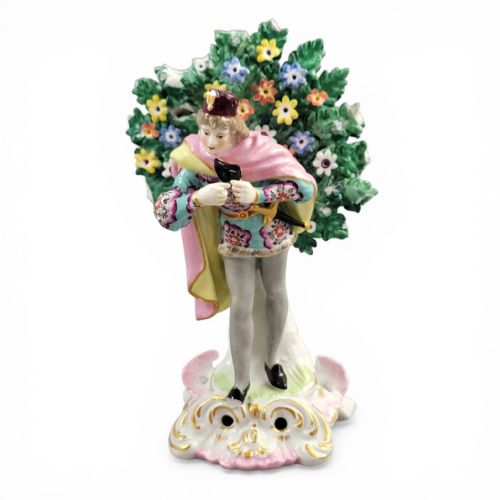


Victorian Porcelain Statuette
These delicate victorian porcelain statuette pieces capture human form and classical grace in finely painted ceramic.
Victorian Porcelain Statuette
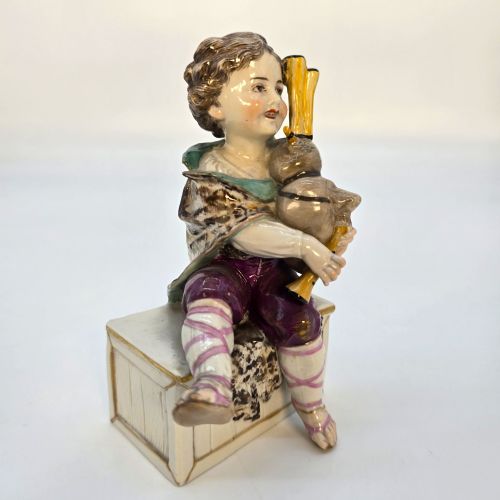
A victorian porcelain statuette is a sculptural ceramic figure, depicting human subjects, classical deities, or pastoral children. Most examples found here originate from the nineteenth century, spanning English factories like Royal Worcester and continental potteries.
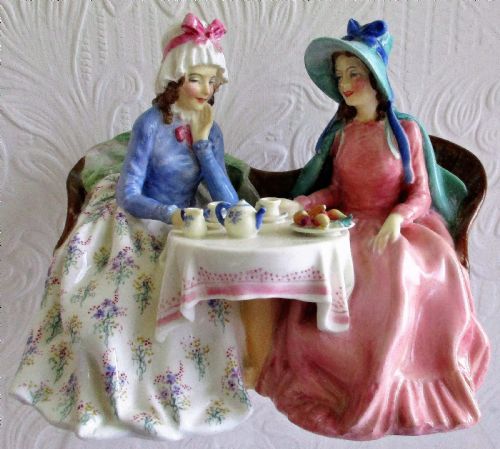
The objects take several forms, including individual figures, pairs of musicians or children, and figural groups with elaborate bases. Makers frequently employed styles such as Rococo Revival, Neoclassical, and Victorian Orientalism to dress their subjects.
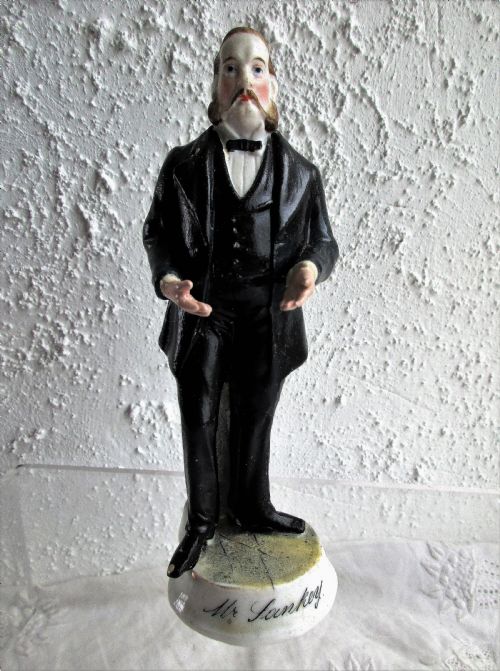
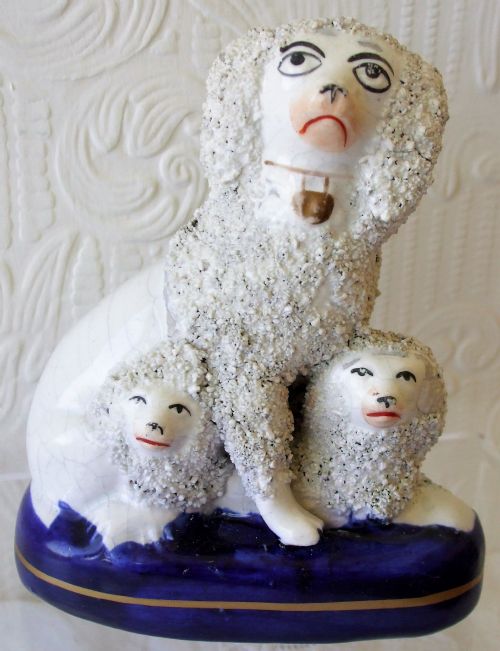
Buyers encounter subjects ranging from mythological characters to named figures and children with animals. These pieces reflect the period interest in decorative indoor sculpture, rendered in miniature scale.
Materials and production methods
Potters utilised standard glazed porcelain, parian porcelain, and unglazed bisque porcelain to shape these figures. Parian ware provided a matte finish that mimicked carved marble, while bisque offered a smooth, porous surface.
Makers applied enamel paints, gold leaf, gilding, and metallic glazes to highlight details on clothing and hair. Many German and English factories hand-painted their figures before a final firing to set the colours.
Victorian Porcelain Statuette Retail Price Guide 2026
Typical asking prices for victorian porcelain statuette among the pieces listed under this phrase on Sellingantiques today, from the lower quarter to the upper quarter. They describe what is for sale here now, not the wider market.
Materials documented across the selection include porcelain, parian porcelain, bisque porcelain, enamel, and gold leaf.
Factors separating quality grades
Model definition and crispness of moulding differentiate standard figures from superior works. Finer statuettes display sharply rendered facial expressions, distinct fingers, and detailed drapery folds rather than soft edges.
The skill of the hand-painting dictates the visual success of the piece. Subtle shading on skin and precise application of gilding elevate the status of a ceramic figure.
Volkstedt Rudolstadt Factory·Royal Doulton·James Hadley·Triebner Ens And Eckert·Royal Worcester·Sitzendorf·Carl Thieme Dresden·Ernst Bohne Und Soehne·Meissen·Helena Wolfsohn·Eugene Clauss·Minton
The Victorian Porcelain Statuette Glossary
- Parian Porcelain
- A fine-grained, unglazed porcelain type developed to imitate marble. It fires to a smooth, matte white finish.
- Bisque Porcelain
- Biscuit porcelain that has been fired once without glaze, leaving a porous texture. It is frequently utilised for classical and sculptural figures.
- Gilding
- The application of gold leaf or gold powder to ceramic surfaces. It accentuates borders, garments, and decorative accessories.
- Rococo Revival
- A nineteenth-century design style drawing on eighteenth-century French motifs. It employs asymmetrical scrolls, naturalistic foliage, and ornate bases.
Victorian Porcelain Statuette: Frequently Asked Questions
How do I clean a porcelain statuette safely?
Dust the surface gently with a soft, dry brush to prevent dirt accumulation in crevices. Avoid using water or chemical cleaners on unglazed bisque or parian pieces.
Keep figures away from direct sunlight and areas prone to moisture fluctuations. Handle them firmly by the base rather than delicate protruding parts like fingers or instruments.
Are these figures glazed or unglazed?
The finish depends on the specific type of ceramic used by the maker. Many nineteenth-century figures feature glossy glazes and enamel painting, while others utilise matte parian or bisque porcelain.
Examine the surface under good light to determine if a clear glaze has been applied. Bisque and parian will appear dry and unreflective to the touch.
How can I tell continental figures from English ones?
Continental factories like those in Germany and France often marked their porcelain with impressed or painted factory symbols on the base. Stylistic cues, such as specific pastel palettes or modelling traits, also point to origin.
English makers including Royal Worcester and Copeland frequently used distinct registration or crown marks. Comparing the paste and modelling style helps confirm the country of manufacture.
What is the difference between parian and bisque?
Parian porcelain was specifically formulated to replicate marble for classical sculptures and busts. It contains a high feldspar content that vitrifies during firing to create a dense, slightly translucent body.
Bisque refers generally to any porcelain or ceramic fired once without a glaze. It tends to be more porous and opaque than true parian ware.