

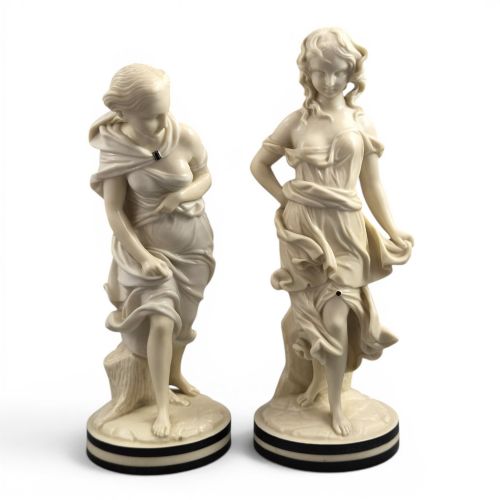


Parian Porcelain Statue
A parian porcelain statue brings neoclassical dignity into the nineteenth-century interior through fine biscuit ceramic modelled after classical marble.
What parian porcelain statue pieces are
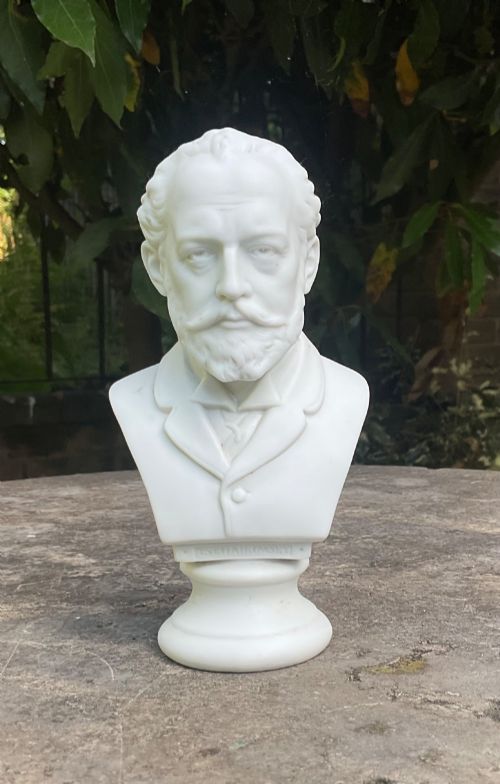
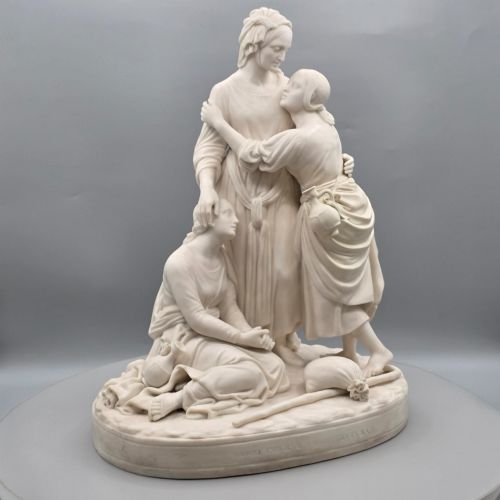
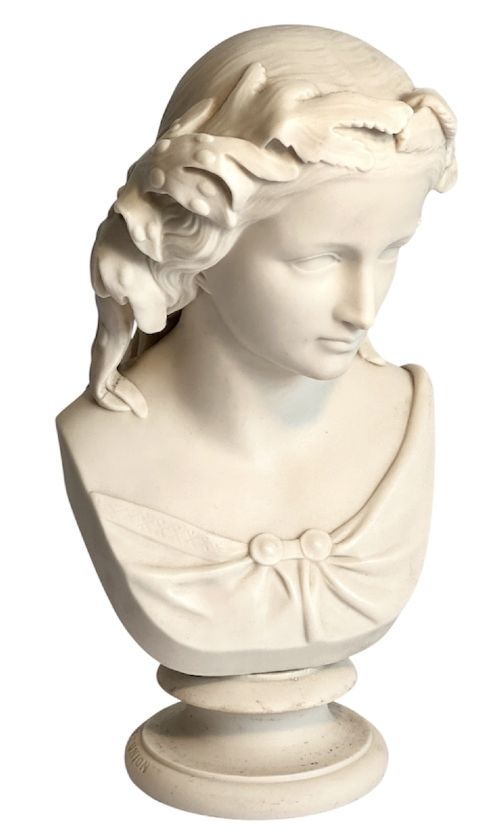
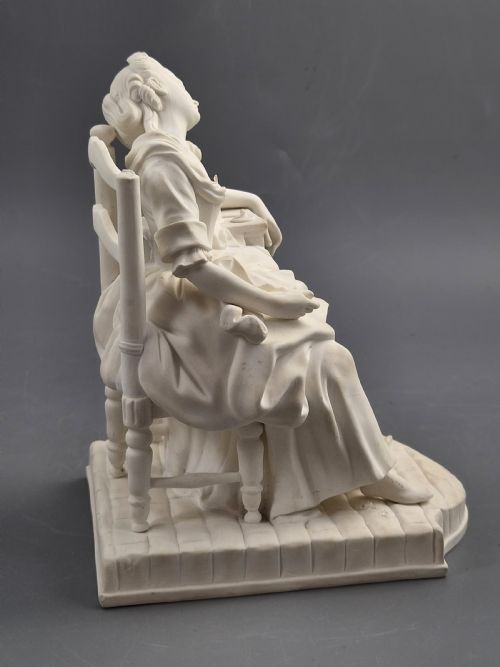
When you search for parian porcelain statue, you find nineteenth-century figures and sculptures rendered in a matte, unglazed ceramic body that resembles carved marble. These Victorian neoclassical works reproduce classical subjects and literary characters with smooth contours and restrained detail.
The example on this page comes from the nineteenth century, specifically around eighteen forty-eight, representing the height of English ceramic sculpture production by major Staffordshire manufacturers.
How they were made
Parian porcelain is a specialised ceramic material developed in the nineteenth century, composed of feldspar and fine clay that vitrifies at a lower temperature than standard porcelain. This composition creates a dense, durable body with a characteristic semi-translucent, unglazed surface that mimics marble without requiring polishing.
Makers cast these statues in multiple plaster moulds to achieve sharp anatomical definition and crisp drapery before firing them at high temperatures. The resulting biscuit finish captures delicate facial expressions and intricate folds without the glossy shine of traditional porcelain glaze.
Nineteenth-century dinner guests frequently mistook these miniature marble-look statues for solid stone until they felt their surprising lightness.
What varies in quality
The purity of the porcelain body also affects the visual weight and tactile feel of the sculpture. Superior examples display an even, grainless texture free from firing flaws, whereas lesser production pieces show surface pitting or minor warping from the kiln.
The Parian Porcelain Statue Glossary
- Parian
- A fine unglazed ceramic material invented in the nineteenth century to imitate carved white marble. It takes its name from the isle of Paros, renowned for its classical marble.
- Biscuit
- Unglazed ceramic fired once before decoration, which gives parian porcelain its characteristic matte texture. This finish absorbs light in the manner of carved stone.
- Neoclassical
- A nineteenth-century artistic style drawing inspiration from the art and culture of classical antiquity. Figures from mythology and classical literature dominate this aesthetic.
- Figurine
- A small modelled statue depicting a human or mythological figure. These pieces were designed as decorative ornaments for nineteenth-century mantelpieces and drawing rooms.
Frequently Asked Questions
What is parian porcelain?
Parian porcelain is a nineteenth-century ceramic material designed to resemble carved white marble. It has an unglazed, matte surface that shows fine detail.
Makers used this body extensively for portrait busts and classical figures during the Victorian era.
How do I clean a parian statue?
Because the surface is unglazed and slightly porous, you should avoid using wet cloths or harsh chemical cleaners. A soft, dry brush removes dust safely from crevices.
Gentle care preserves the matte texture and prevents staining on the delicate biscuit body.
Are these statues marked?
Many nineteenth-century pieces bear impressed factory marks, model numbers, or titles on the base or reverse. These stamps help identify the maker and production date.
Unmarked examples still find attribution through stylistic comparison and the quality of the ceramic body.
Where were they displayed?
Victorian households placed these sculptures on mantelpieces, pedestals, and console tables in drawing rooms. They served as an accessible form of classical art for the home.
Owners appreciated how the white ceramic reflected candlelight during evening gatherings.