


Victorian Neoclassical Statuette
A victorian neoclassical statuette captures classical antiquity through nineteenth-century materials, bringing historical mythology and sculpture into domestic interiors.
Victorian Neoclassical Statuette
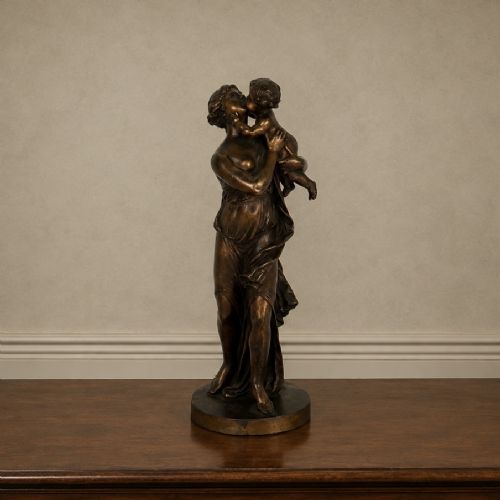
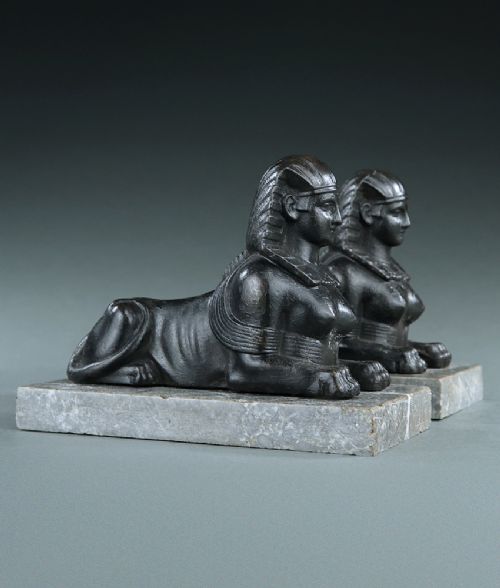
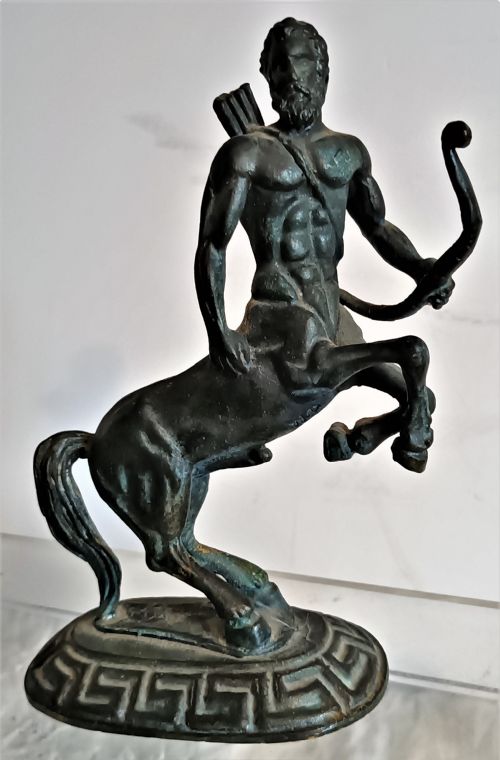
A victorian neoclassical statuette represents subjects derived from ancient mythology, literature and sculpture, including figures of classical mothers, putti, centaurs, sphinxes and mythological deities such as Narcissus and Athena Promachos. These pieces arrive in various forms including single figures, pairs, busts and figural lamps, often reflecting the influence of Grand Tour travel.
The objects span the nineteenth century, with specific examples appearing from the 1850s, 1860s, 1890s and into the early twentieth century. Buyers encounter works produced in England and through Italian grand tour souvenirs after the antique, capturing the enduring European fascination with classical forms.
Most pieces on this page emerge in bronze, marble, parian porcelain and bisque porcelain, alongside cast iron and gilded bronze. These materials manifest in distinct configurations, such as bronze figures mounted on marble bases or porcelain statuettes depicting classical women with attributes like doves and cornucopias.
How They Were Made
Foundry workers shaped the metal pieces using traditional casting techniques, producing patinated bronze, cast iron and gilded bronze objects that required careful finishing and chasing to define the classical drapery and anatomical details. Marble sculptures and bases were shaped through carving, creating smooth surfaces for busts and pedestals.
Ceramic works utilised porcelain bodies, specifically parian ware and bisque porcelain, which were fired to achieve the matte or slightly glossy surfaces characteristic of nineteenth-century figurine production by makers such as Copeland.
A solitary dove rests perpetually in the porcelain hand of a Victorian maiden.
What Varies in Quality
The refinement of the casting and the crispness of the chisel work separate standard metal statuettes from superior examples, particularly in the rendering of hair, musculature and classical garments. Patination also plays a role, with older or more carefully maintained bronzes showing subtle tonal variation rather than flat surfaces.
In porcelain and parian figures, the clarity of the moulding determines the fidelity to the original classical model, ensuring delicate elements like fingers, wings and attributes remain sharp and well-defined.
Copeland
The Victorian Neoclassical Statuette Glossary
- Parian Porcelain
- A fine white ceramic material developed in the nineteenth century to imitate carved marble, often used for classical figures and busts. It takes its name from Parian marble found on the Greek island of Paros.
- Grand Tour
- A traditional journey through Europe undertaken by upper-class young men and collectors to view classical antiquities. Statuettes and bronzes were purchased abroad as souvenirs to bring home.
- Bisque Porcelain
- Unglazed porcelain that has been fired once, possessing a matte, biscuit-like texture resembling marble. It became popular for delicate Victorian decorative figures.
- Patinated Bronze
- Metal treated with chemicals, heat or acids to produce a specific surface colour and finish. This process protects the bronze and enhances the visual depth of the sculpture.
- Putto
- A chubby male child figure, often winged, derived from classical art and frequently depicted in pairs holding objects or resting on bases. Plural forms appear as putti or cherubs.
Victorian Neoclassical Statuette: Frequently Asked Questions
What materials were used for these statuettes?
Nineteenth-century makers employed a range of mediums to replicate ancient sculpture, most notably cast bronze, carved marble, parian porcelain and bisque porcelain. Some utilitarian pieces also incorporate cast iron or china bases.
Makers selected these materials to suit the specific scale and purpose of the object, whether a cabinet bronze or a larger porcelain mantelpiece figure.
What is a Grand Tour statuette?
A Grand Tour statuette is a small-scale replica of a famous classical sculpture, purchased by travellers visiting Italy and Greece during the nineteenth century. These souvenirs allowed collectors to display miniature versions of ancient masterpieces in their homes.
They are typically cast in bronze, sometimes mounted on marble bases, and faithfully copy Hellenistic or Roman antiquities.
How do you display a pair of figures?
Pairs of sphinxes, putti or lamps are traditionally placed symmetrically on mantelpieces, sideboards or console tables to frame a central decorative object. Their balanced compositions make them suitable for ends of furniture arrangements.
Ensuring stable placement on flat surfaces protects both the metal or ceramic bodies and their original bases.