



Victorian Porcelain Sculpture
These Victorian porcelain sculpture pieces bring nineteenth-century figurative artistry into a room, offering finely modelled figures, animals and busts from major European factories.
Victorian Porcelain Sculpture
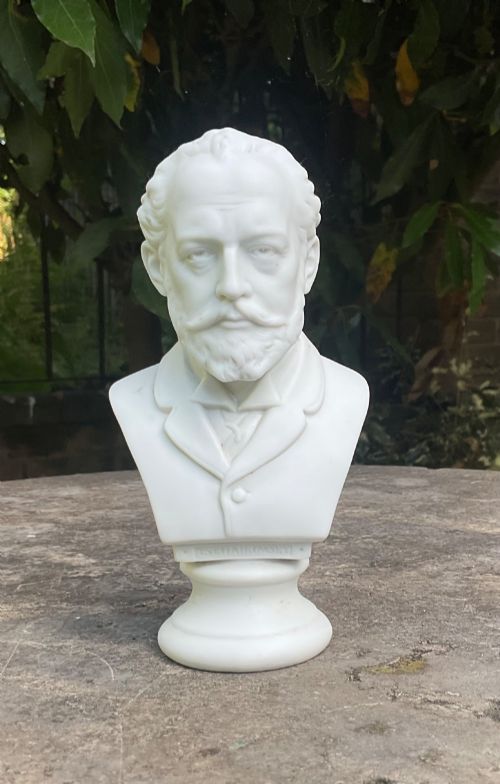
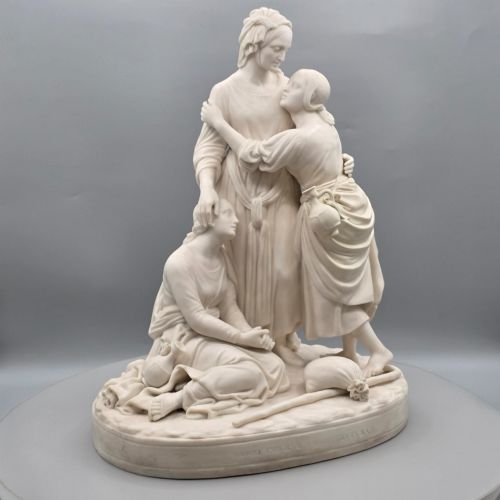
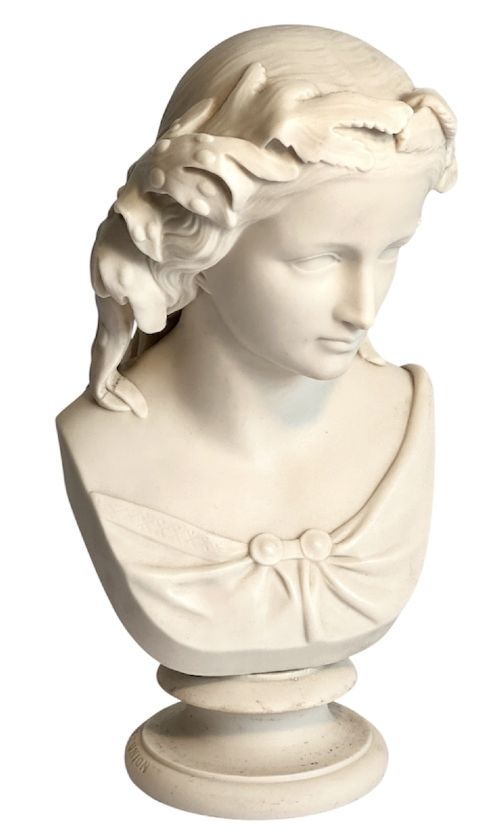
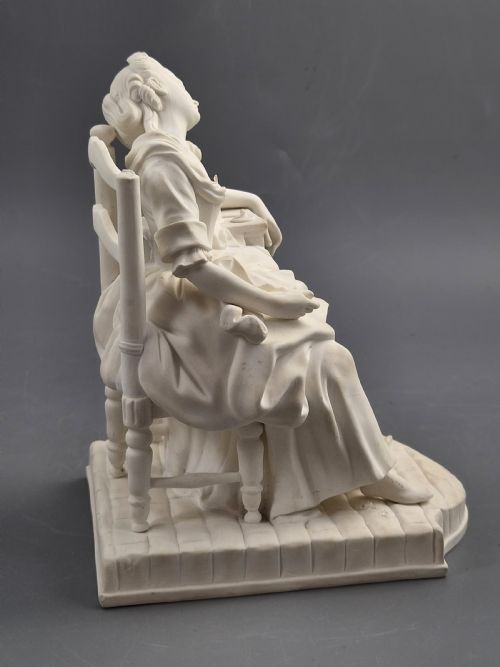
When you search for victorian porcelain sculpture, you encounter a varied selection of nineteenth-century ceramic art, ranging from large animal groups and classical figures to portrait busts. The material encompasses traditional hard-paste porcelain, glazed figures with enamel and gold leaf, and unglazed parian ware designed to imitate marble.
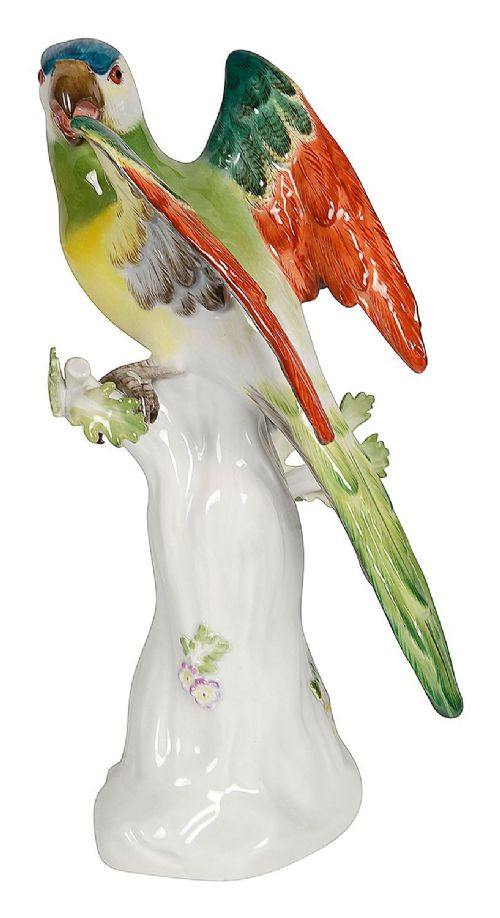
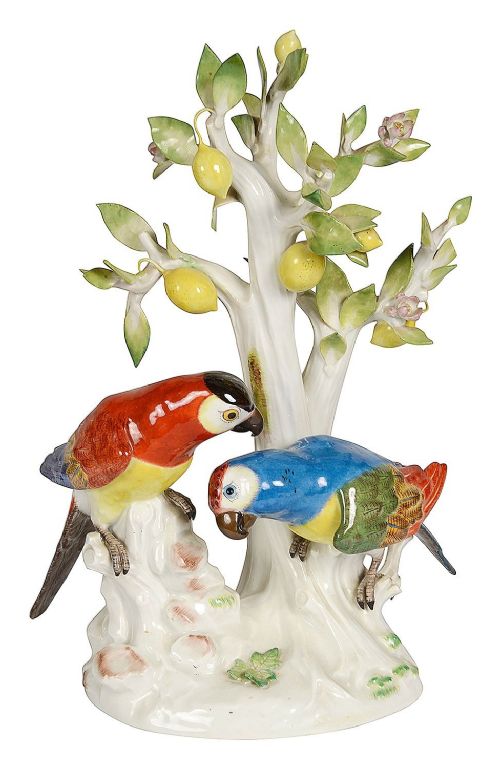
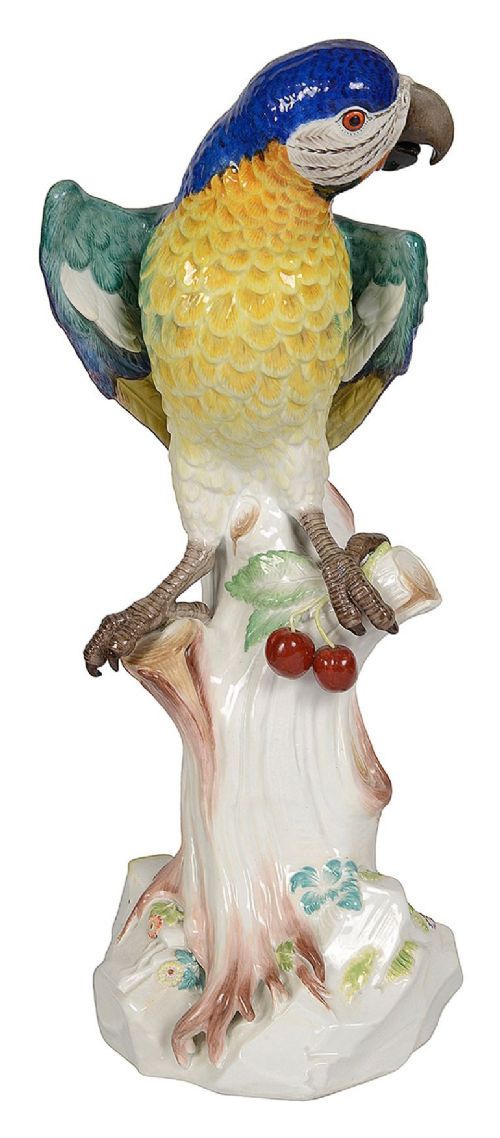
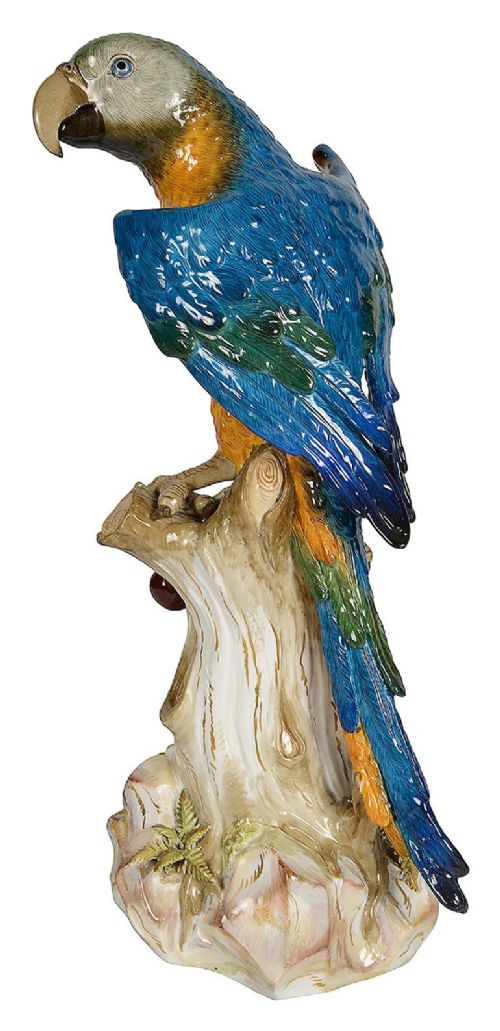
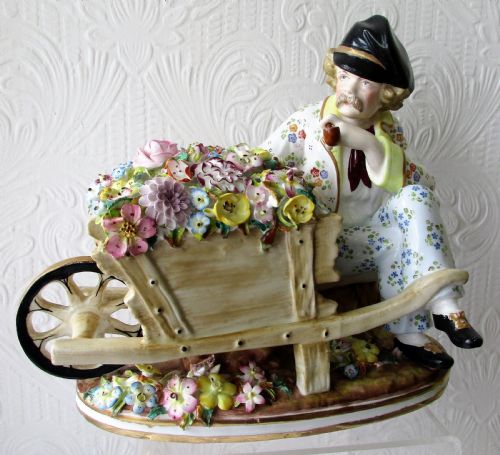
The most common forms on this page include parian figures produced by factories like Minton and Copeland, alongside detailed painted porcelain groups and birds from continental potteries such as Meissen. Works by designers like James Hadley for Royal Worcester also appear frequently, capturing romantic, classical and orientalist subjects in sculptural form.
How they were made
Makers utilised slip-casting and pressing techniques in moulds to achieve intricate detail in porcelain and parian ware, allowing complex forms like feathers, drapery and foliage to emerge cleanly. Parian porcelain, fired at lower temperatures without glaze, attained a matte surface resembling carved statuary marble.
Colouring involved hand-painting with enamel and gilding with gold leaf on glazed pieces, whilst bisque porcelain and parian ware relied entirely on the purity of the ceramic body and subtle tonal shading. Many larger sculptural groups were assembled from multiple fired sections before final finishing.
Listings feature works spanning the nineteenth century, including parian ware, hard-paste porcelain, bisque and majolica, across forms from animal groups to classical busts.
What varies in quality
The reputation of the manufactory and the skill of the modeller also dictate distinction, with pieces after known sculptors or from leading firms like Meissen and Royal Worcester demonstrating greater artistic ambition and technical control in handling large, complex compositions.
Meissen·Minton·Copeland·John Bevington·Royal Worcester·Thomas Parr·Samson·Ernst Wallace·C G Schierholz·Royal Dux
The Victorian Porcelain Sculpture Glossary
- Parian porcelain
- A fine-grained, unglazed ceramic material developed in the nineteenth century to imitate white marble. It contains a high proportion of feldspar, which melts during firing to create a smooth, translucent finish.
- Bisque porcelain
- Unglazed white ceramic fired once to create a porous, matte surface with a texture akin to marble. It is frequently utilised for portrait busts and classical figures.
- Hard-paste porcelain
- A durable ceramic composition fired at very high temperatures, comprising kaolin and petuntse. It produces a dense, ringing body that accepts bright enamel colours securely.
- Enamel
- Vitreous coloured glass fused to the porcelain surface during a secondary low-temperature firing. It provides the rich polychrome palette seen on robes, birds and floral elements.
- Parian ware
- An alternative term for parian porcelain used widely by British factories for sculptural editions. It allowed manufactories to market affordable statuary to a middle-class Victorian audience.
Victorian Porcelain Sculpture: Frequently Asked Questions
What is parian porcelain?
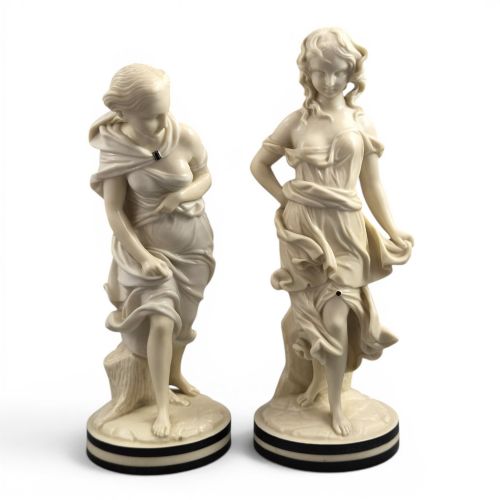
Parian porcelain is an unglazed ceramic material developed during the nineteenth century to imitate carved white marble. It gained immense popularity for miniature classical statues and portrait busts because of its smooth, creamy texture.
Unlike traditional glazed porcelain, parian is fired to a matte finish that highlights fine modelling and subtle anatomical details. Factories such as Minton and Copeland utilised this body extensively for art union publications.
Are these figures marked?
Many nineteenth-century pieces bear factory impressed marks, painted monograms or model numbers on the base. British firms like Royal Worcester and Minton typically stamped their wares with specific date ciphers.
Continental factories such as Meissen employed crossed swords marks in cobalt blue. However, unmarked pieces still occur, requiring stylistic attribution based on modelling style and paste quality.
What subjects are most common?
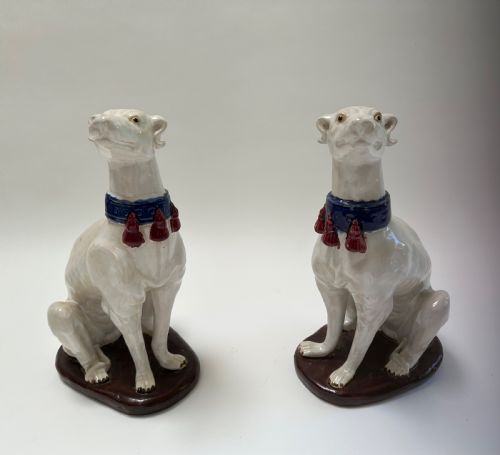
The prevalent subjects draw heavily from classical mythology, pastoral romance, literature and exotic orientalist themes. Figures of maidens, animals, hunting dogs and musicians reflect Victorian taste.
Large sculptural groups often depict allegorical scenes or historical narratives. Animal studies, particularly birds and dogs, also feature prominently across both British and German production.