



19th Century Parian Sculpture
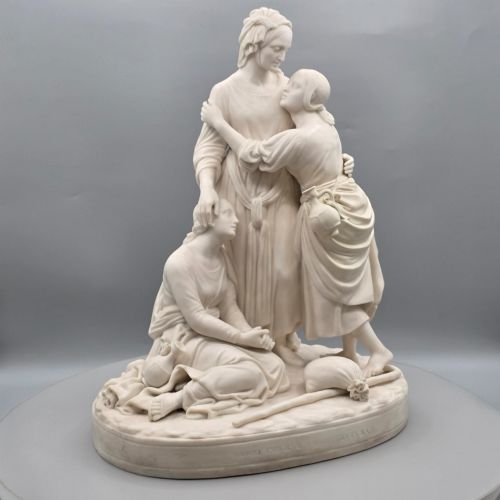
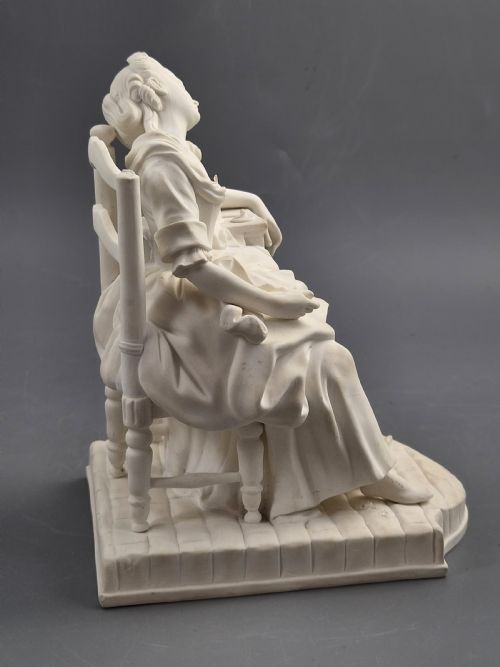
These pieces of 19th century parian sculpture offer the crisp detail of marble without the chill, bringing classic subjects into Victorian parlours.
19th Century Parian Sculpture
When you search for 19th century parian sculpture, you encounter figures, groups, and centrepieces modelled on classical subjects and literary scenes. The material mimics carved marble, providing Victorian households with affordable access to high art and classical antiquity.
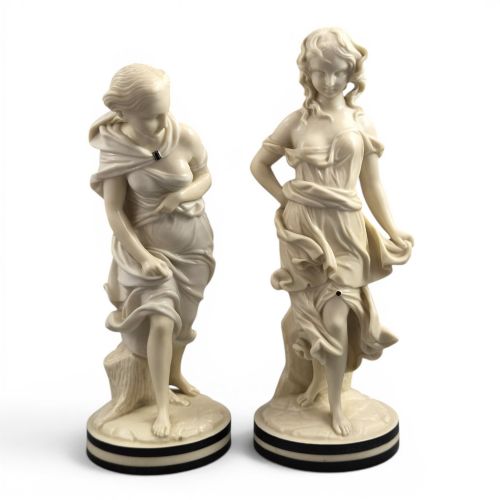
You are most likely to meet figures of classical women, hunting dogs, children, and allegorical groups spanning the decades from the 1840s to the close of the century. These works range from intimate single statuettes to larger scale sculptural studies produced by leading English and continental potteries.
How these objects were formed
Makers produced these pieces using unglazed parian porcelain, biscuit porcelain, or bisque ware, which allowed the fired ceramic to retain a matte, fine-grained finish resembling white marble. Liquid clay slip was poured into complex plaster moulds, capturing intricate drapery, hair, and facial expressions.
Listings feature parian porcelain, biscuit porcelain, and painted ceramic forms across the Victorian period, spanning figures, animal studies, and table centrepieces.
What separates the finest examples
Scale and ambition also divide the range, as larger multi-figure groups and works modelled after known sculptors demand greater technical skill during the firing process to prevent warping or cracking.
Minton·Royal Worcester·Copeland
The 19th Century Parian Sculpture Glossary
- Parian ware
- A fine-grained, unglazed porcelain developed in Britain to imitate carved white marble. It derives its name from Parian marble found on the Greek island of Paros.
- Biscuit porcelain
- Unglazed ceramic fired once before decoration, yielding a porous, matte surface. It is often synonymous with the term bisque used in nineteenth-century manufactories.
- Centrepiece
- A decorative sculptural vessel or dish placed in the centre of a dining table. In parian ware, these often incorporate naturalistic motifs such as animals or foliage.
- Neoclassical
- A revival style drawing inspiration from the art and culture of ancient Greece and Rome. This aesthetic governed the subject matter of many Victorian sculptural figures.
- Statuette
- A small statue, typically under life size. These formed the staple output of ceramic works supplying ornamental figures to the domestic interior.
19th Century Parian Sculpture: Frequently Asked Questions
How do I clean parian sculpture?
Dust these delicate unglazed ceramic surfaces gently with a soft, dry brush to prevent dirt from settling into the porous material.
Avoid using water or liquid cleaners, as moisture can stain the unglazed biscuit porcelain and damage the fine matte texture.
Were these figures made in sets?
Many nineteenth-century works were issued as pairs, depicting complementary subjects such as day and night or contrasting characters from literature.
Single figures also appeared frequently, designed to stand alone as ornamental studies on mantelpieces and pedestals.
Why do some pieces show a manufacturer mark?
Major factories impressed or stamped their names and model numbers into the base before firing to denote their output.
Unmarked pieces remain common, reflecting the large volume of decorative sculpture produced across various European workshops during the period.
What inspired the classical subjects?
Victorian sculptors looked to ancient Greek and Roman antiquities, alongside works by contemporary neoclassical artists displayed in European exhibitions.
Literary works, mythology, and domestic sentiment also provided the narratives translated into white porcelain.