
Victorian Pocket Box
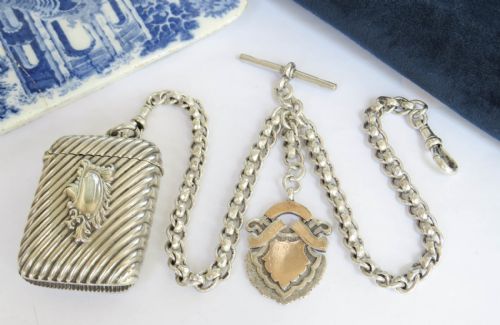
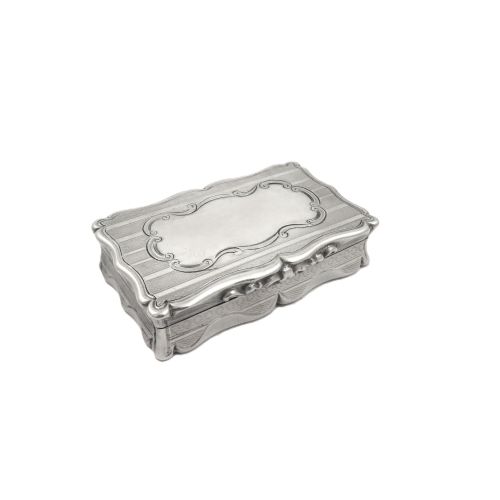
When you search for a victorian pocket box, you enter a world of small personal containers designed to carry snuff, vestas, cards, or scientific instruments.
Victorian Pocket Box
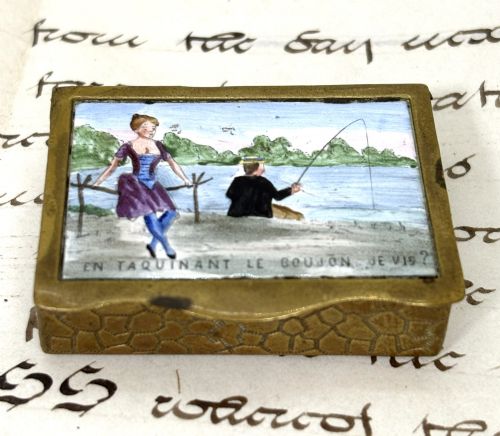
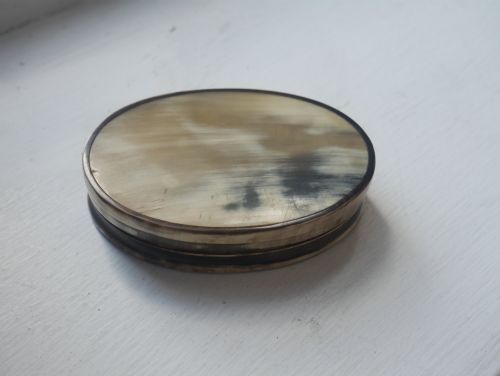
Beyond silver, forms include horn, tortoiseshell, and fruitwood treen, often inlaid with bone or fitted with precious metals. Items span from utilitarian brass tobacco boxes to novelty trick vesta cases and miniature botanical field microscopes.
The objects reflect the specific social habits of their eras, particularly smoking, card calling, and scientific fieldwork. Most specimens on this page date from the Victorian period through to the Edwardian era, with occasional continental and French examples.
How they were made
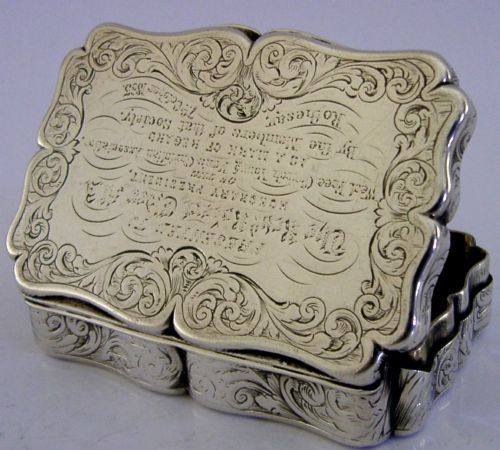
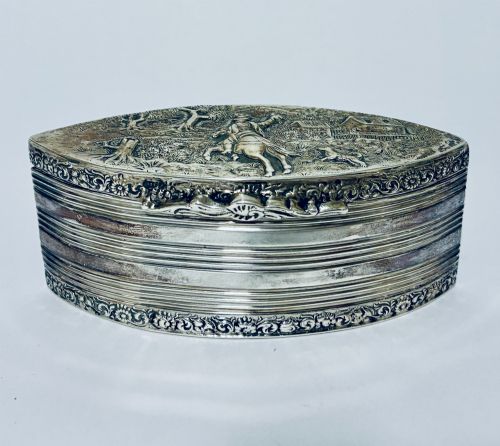
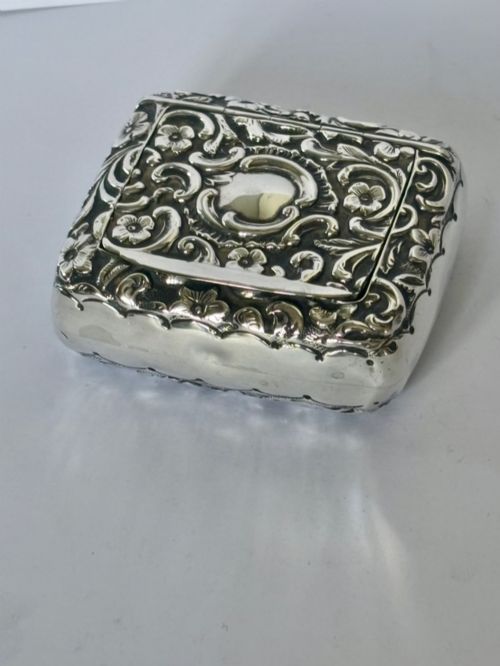
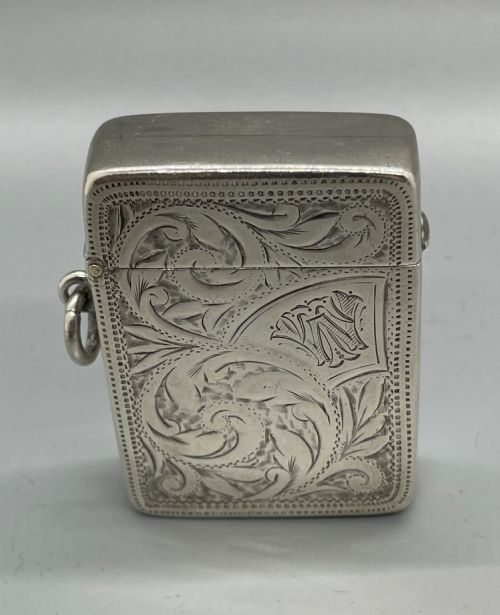
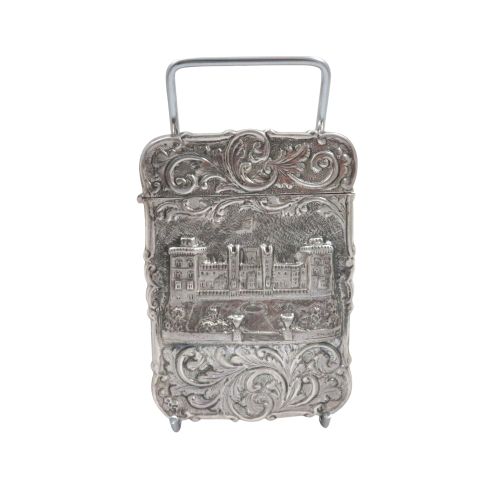
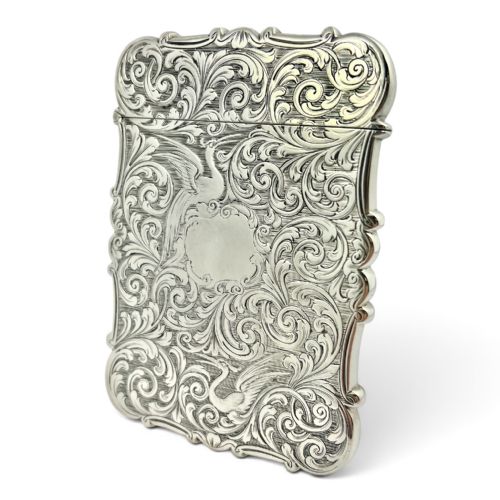
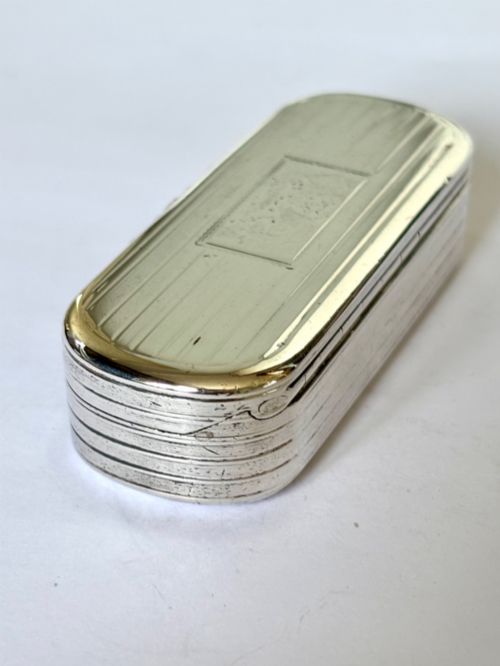
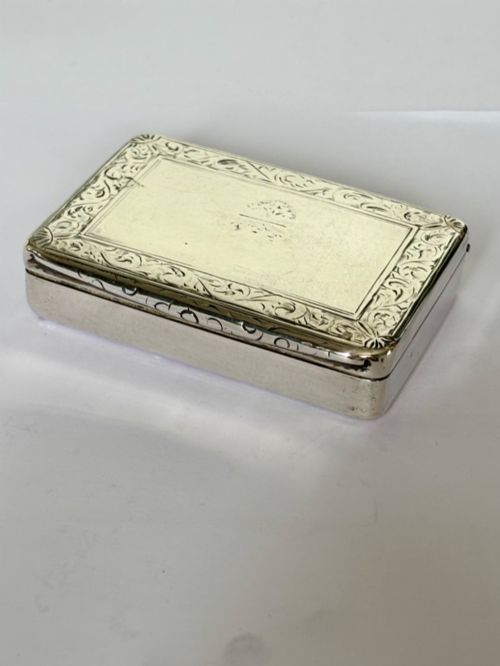
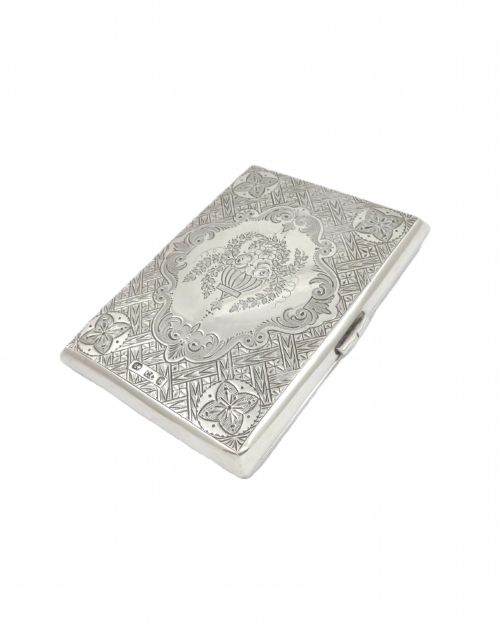
Silversmiths utilised stamping, embossing, and engraving techniques to ornament sterling silver and silver gilt boxes, frequently producing detailed castle top scenes or reeded designs. Makers also applied engine turning to ebony and wood to create tactile, geometric surface patterns.
Organic materials like horn, tortoiseshell, mother of pearl, and fruitwood were carved, shaped, and polished by hand. Craftsmen inlaid bone and faceted stones such as citrine into wooden treen and shell surfaces to build contrast and decorative detail.
Victorian Pocket Box Retail Price Guide 2026
Typical asking prices for victorian pocket box among the pieces listed under this phrase on Sellingantiques today, from the lower quarter to the upper quarter. They describe what is for sale here now, not the wider market.
Listings feature personal containers in sterling silver, brass, gold, horn, tortoiseshell, mahogany, glass, and bone, spanning the Victorian, Georgian, and Edwardian periods.
What varies in quality
The standard of a victorian pocket box rests on the crispness of its chasing, engraving, and structural integrity. Pieces featuring maker marks from notable silversmiths demonstrate superior workshop execution and design ambition compared to anonymous baseline items.
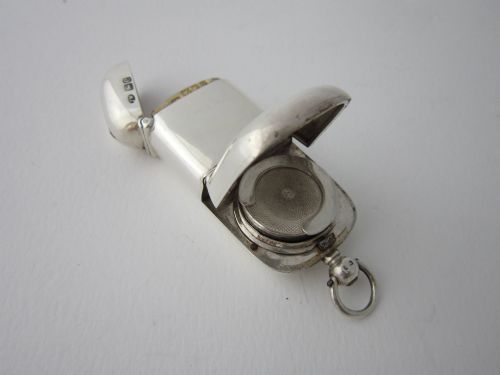
Material selection and complexity dictate the upper tier of the range. Novelty mechanisms, combination sovereign and vesta holders, and intricate tortoiseshell or inlaid bone work require advanced craftsmanship that separates ordinary receptacles from masterworks.
Henry Matthews·Sampson Mordan and Co·Nathaniel Mills·Robert Thornton·Edward Smith·A and J Zimmerman·Negretti and Zambra·George Unite
The Victorian Pocket Box Glossary
- Vesta case
- A small portable container specifically designed to hold matches, often fitted with a striker on the base. These cases protected early friction matches from moisture and accidental ignition in the pocket.
- Card case
- A flat container utilised for carrying visiting cards during polite social calls. Victorian examples in silver, tortoiseshell, or mother of pearl kept delicate paper calling cards clean and unbent.
- Treen
- Small handmade wooden household objects and personal items. Fruitwood, ebony, and coquilla nut pieces often feature bone inlay or delicate carved detailing.
- Silver gilt
- Sterling silver that has been coated with a thin layer of gold on the interior or exterior surfaces. This technique provided the rich appearance of solid gold while maintaining structural strength.
Victorian Pocket Box: Frequently Asked Questions
What went into a pocket box?
These containers held practical personal items needed throughout the day, including snuff, matches, visiting cards, and currency. Some housed specialised scientific tools like botanical field microscopes or pocket watches.
Their contents directly reflected the owner's daily habits, social rituals, and professional pursuits during the nineteenth century.
How do I identify silver hallmarks?
British silver boxes typically carry stamps indicating the assay office, the standard of silver, and the maker's initials. These marks allow collectors to trace the exact year of production and the workshop responsible.
Matching the maker's mark to historical records confirms the authenticity and heritage of the piece.
Why are some boxes called novelties?
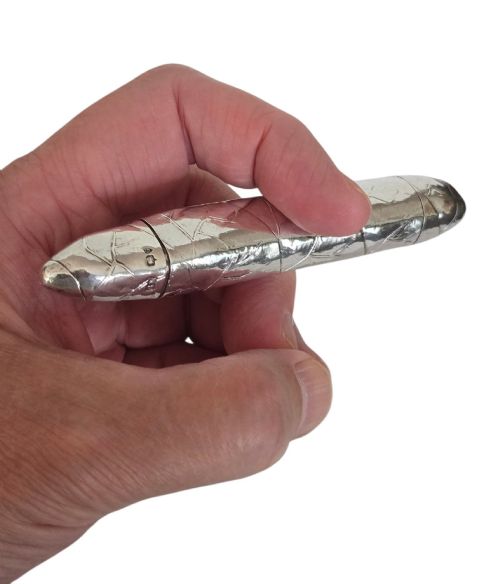
Novelty pocket boxes take unexpected physical shapes, such as double-ended cigars, books, or animals, while retaining their original storage function. Makers utilised clever mechanical tricks to conceal hinges and latches.
These pieces were conversation starters designed to amuse Victorian and Edwardian society.
How should I clean antique silver boxes?
Silver pieces require minimal intervention to preserve their natural age and patination. Gentle dusting with a soft cloth is usually sufficient for everyday maintenance.
Aggressive polishing removes historical detail and softens engraved lines, which diminishes the character of the object.