
Victorian Pedestal Cabinet
These Victorian pedestal cabinet designs offer practical bedside storage and display space, crafted in rich woods to suit traditional interiors.
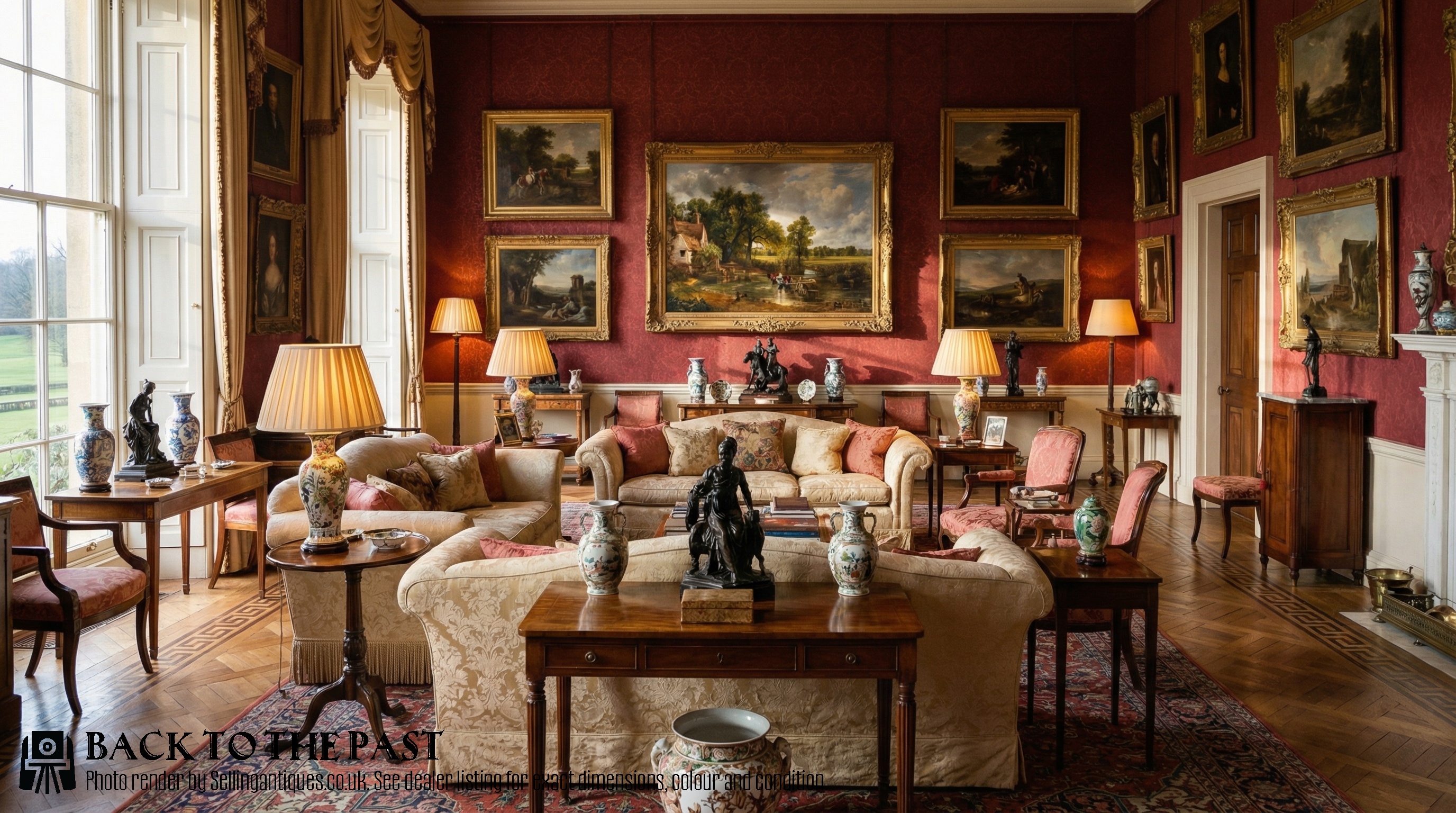
Victorian Pedestal Cabinet
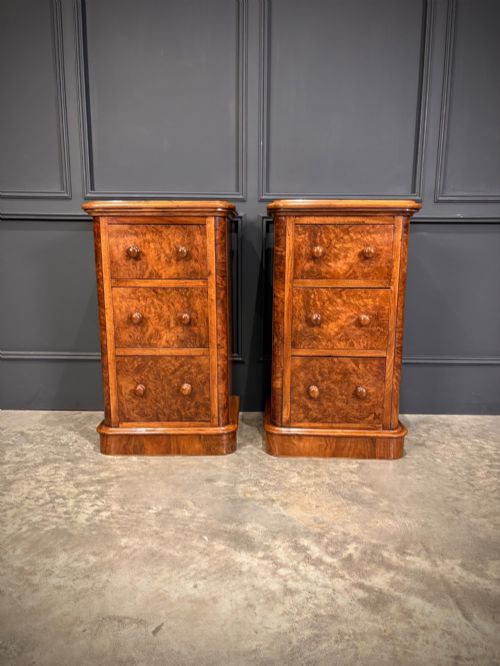
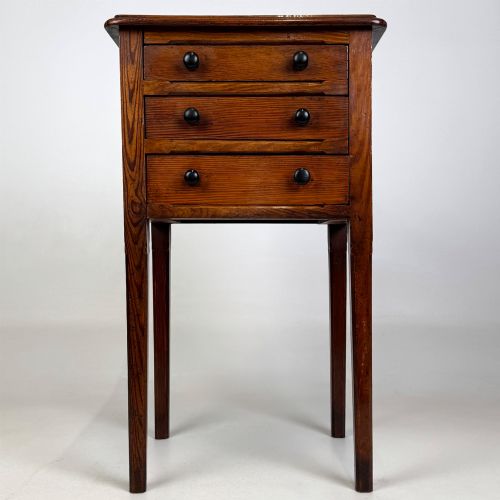
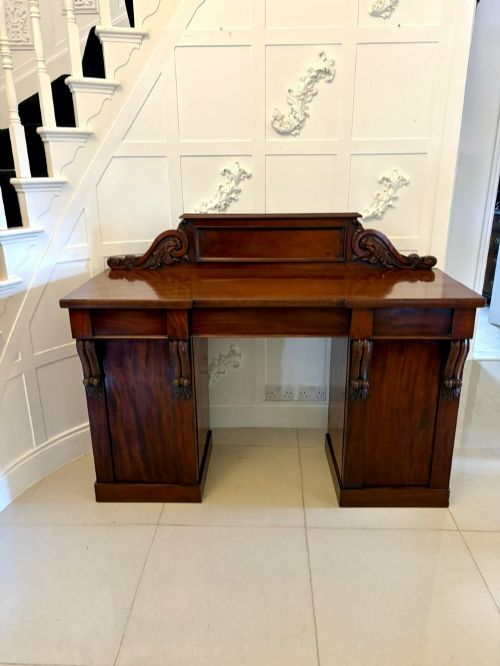
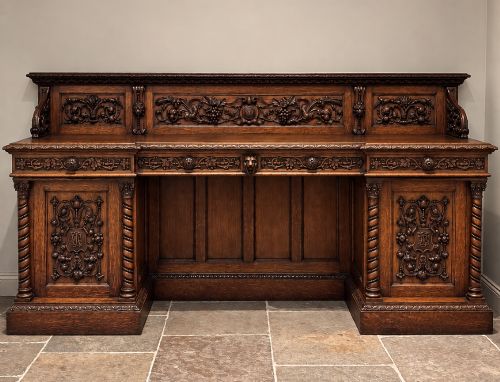
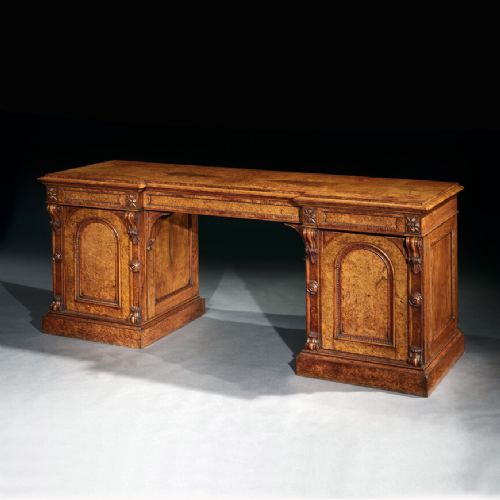
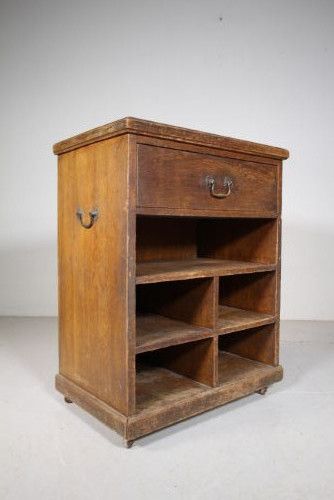
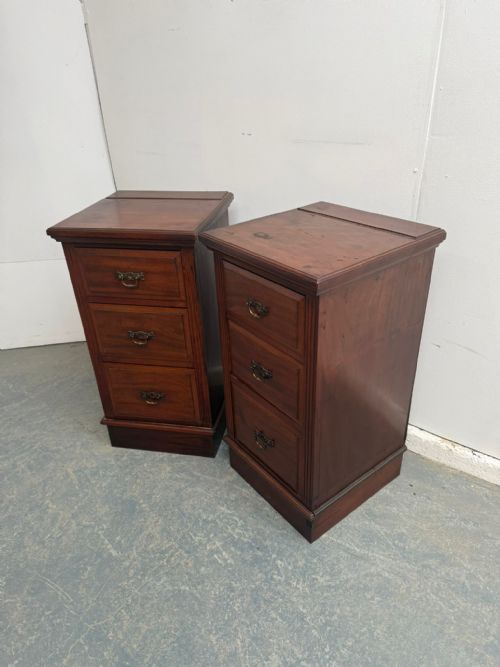
A victorian pedestal cabinet is a single-pedestal or cupboard form designed primarily for bedside use, storage, or display within nineteenth-century rooms. These pieces commonly emerge as bedside cupboards, nightstands, and small pier cabinets dating across the Victorian era.
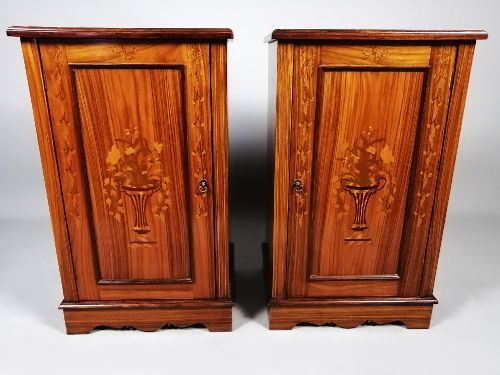
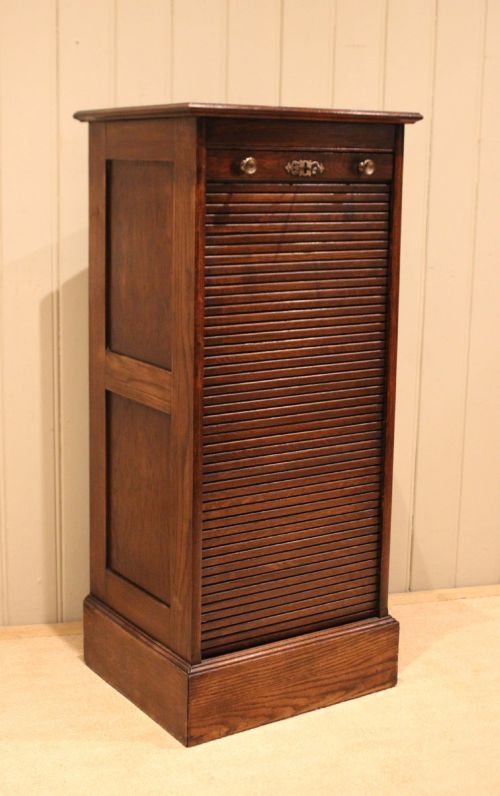
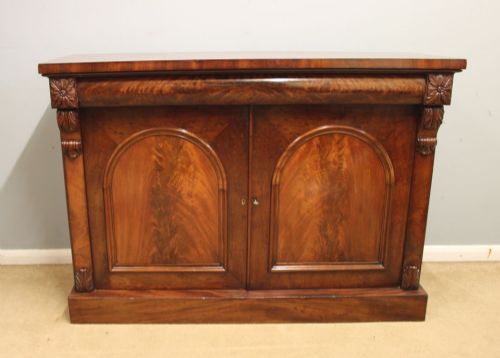
Makers produced these single-pedestal forms in various configurations, including cylindrical bodies, tambour fronts, and marble-topped variants. Buyers frequently encounter pairs of bedside chests or single pot cupboards designed to house chamber pots or personal items.
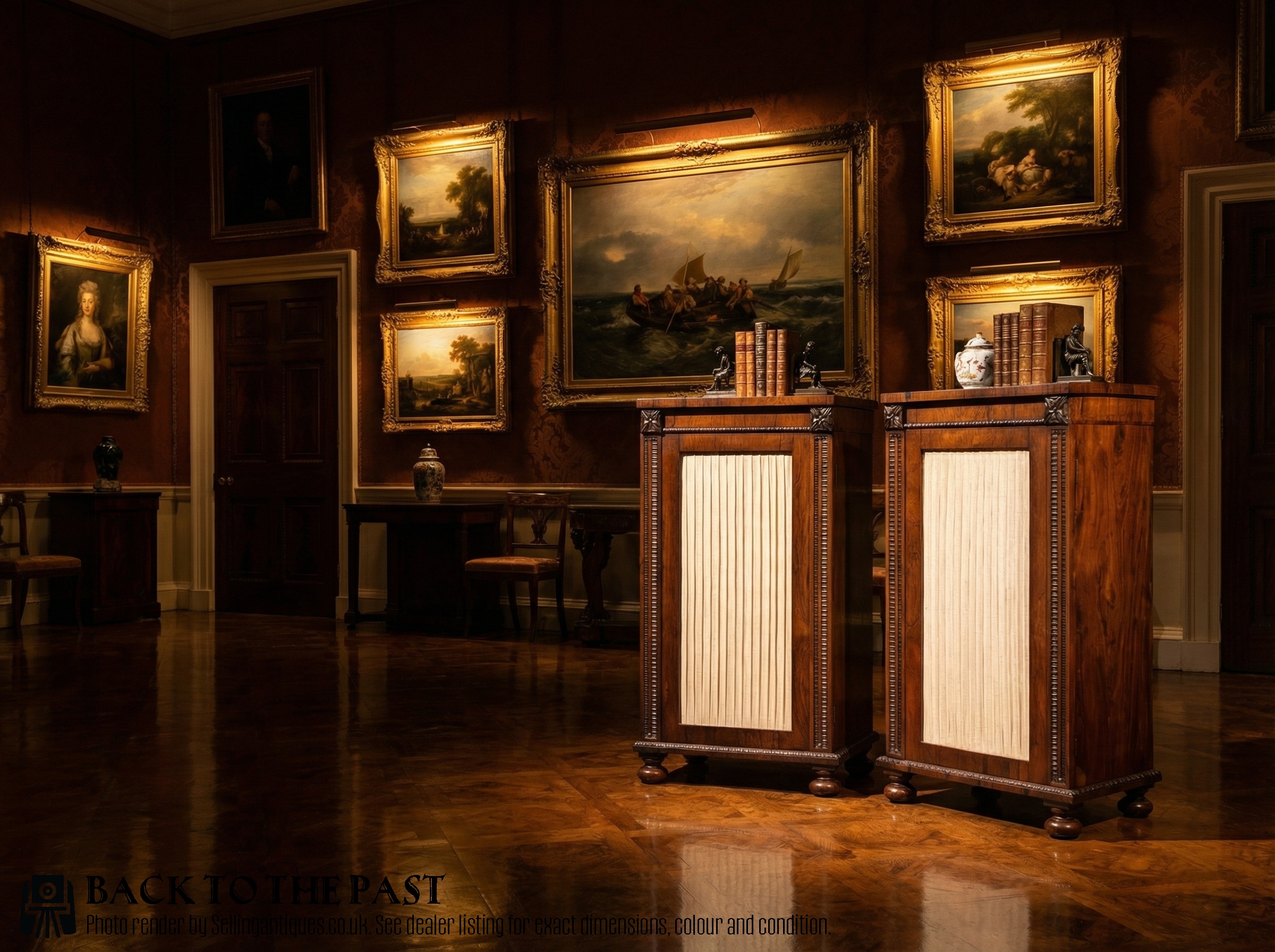
How They Were Made
Carpenters constructed the carcases using solid timbers like mahogany, walnut, and oak, often applying figured veneers such as burr walnut, flame mahogany, and rosewood to visible surfaces. Brass fittings, leather inserts, and marble slabs frequently complemented the timber structures.
Joinery techniques included hand-cut dovetails for drawer construction and precise marquetry or satinwood inlay work for decorative surface detailing. Cabinet makers utilised turning, carving, and polish finishes to accentuate the natural grain of the wood.
Victorian Pedestal Cabinet Retail Price Guide 2026
Typical asking prices for victorian pedestal cabinet among the pieces listed under this phrase on Sellingantiques today, from the lower quarter to the upper quarter. They describe what is for sale here now, not the wider market.
Some nineteenth-century bedside cabinets concealed rotating internal carousels, allowing owners to access their nighttime reading without getting out of bed.
What Varies in Quality
The choice of timber figure significantly differentiates standard examples from finer commissions, with heavily figured flame mahogany and burr walnut commanding attention. Superior craftsmanship shows in the precision of inlaid marquetry, matching wood grains across drawer fronts, and intact original marble tops.
Structural integrity and the retention of original hardware, such as brass handles and working locks with keys, separate standard utility pieces from exceptional workshop creations. Finer cabinets display meticulous hand-carving and balanced proportions without relying on later modifications.
Hewetsons London
The Victorian Pedestal Cabinet Glossary
- Burr walnut
- A figured wood veneer taken from the wart-like growths on walnut trees, prized for its swirling, decorative grain patterns. Cabinet makers utilised this timber on prominent surfaces of Victorian furniture.
- Marquetry
- The art of applying decorative pieces of veneer to a structure to form intricate patterns or pictures. This technique often incorporated exotic woods and satinwood.
- Pot cupboard
- A small freestanding bedside cabinet originally designed to enclose a chamber pot. These practical items feature a single door enclosing a shelf.
- Tambour
- A flexible shutter door constructed from narrow strips of wood glued to a canvas backing. This mechanism slides along tracks to conceal interior shelving or filing compartments.
- Davenport
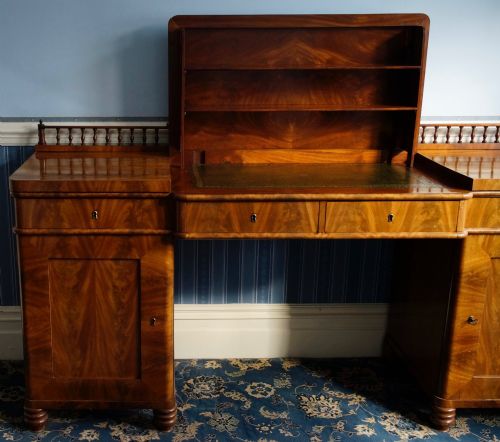
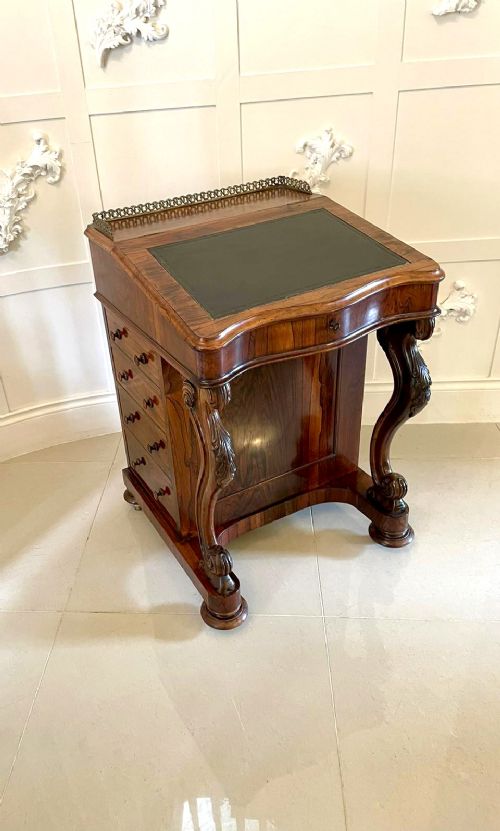
- A small pedestal desk featuring a sloping writing surface above a set of drawers. These compact writing boxes typically stand on a single pedestal base.
Victorian Pedestal Cabinet: Frequently Asked Questions
What was a pedestal cabinet used for?
These cabinets served multiple domestic purposes, most commonly standing beside beds to hold chamber pots, candles, and personal belongings. In offices or studies, taller or cylindrical variants functioned as specialised filing units and small storage pedestals.
Their compact footprints allowed them to fit neatly into restricted spaces within nineteenth-century rooms. Homeowners valued them for keeping daily necessities concealed behind closed doors.
How do I identify a Victorian piece?
Victorian pieces generally display construction methods characteristic of the nineteenth century, including hand-dovetailed drawer boxes and solid secondary timbers like oak or pine. Design motifs often reflect periods such as Gothic Revival, Aesthetic Movement, or Sheraton Revival.
Examining the underside, drawer linings, and hardware provides clear indicators of nineteenth-century manufacture. The presence of dense hardwoods like mahogany and walnut further supports this dating.
Are bedside cabinets usually found in pairs?
Many bedside cabinets survive as matched pairs, though single examples remain common due to the layout of smaller nineteenth-century bedrooms. Pairs were typically commissioned together to flank larger double beds.
When buying, collectors look for consistent timber grain and matching hardware across both pieces. Single cabinets function well as standalone accent tables in modern interiors.
How should I care for polished wood?
Polished wood surfaces require regular dusting with a soft, dry cloth to prevent the accumulation of abrasive particles. Maintaining stable room humidity protects the timber and delicate veneers from splitting or warping.
Applying traditional beeswax occasionally nourishes the finish and preserves the patina built up over decades. Direct sunlight and excessive heat sources should be avoided to prevent fading.