



Victorian Oval Glass
Victorian oval glass brings together mirrors and display cases shaped by nineteenth-century hands, chosen to reflect light or protect delicate collections.
Victorian Oval Glass
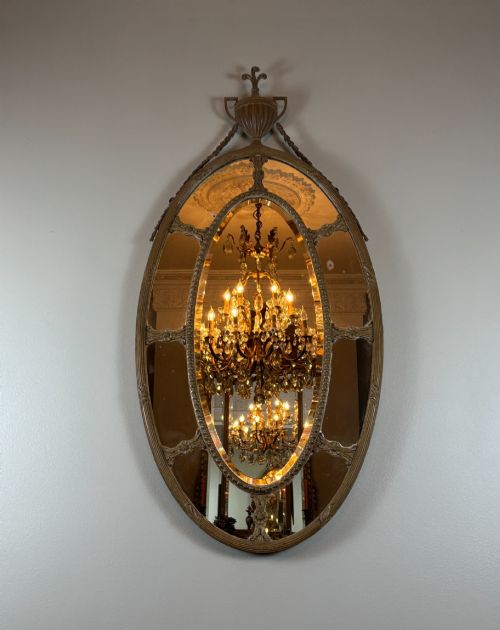
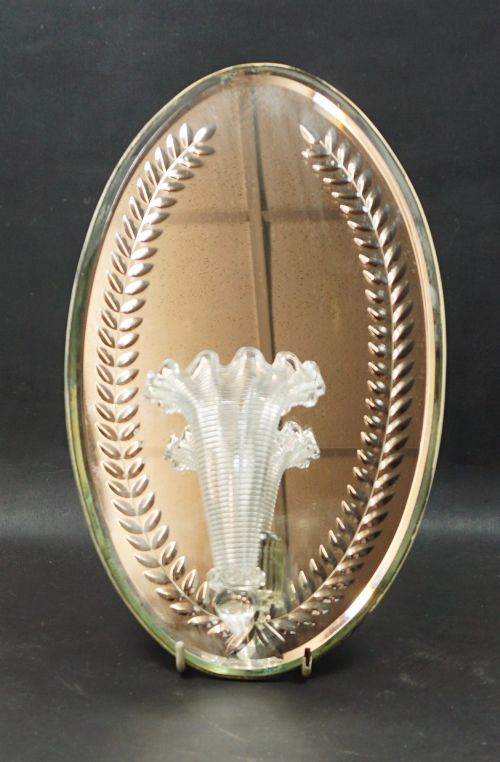
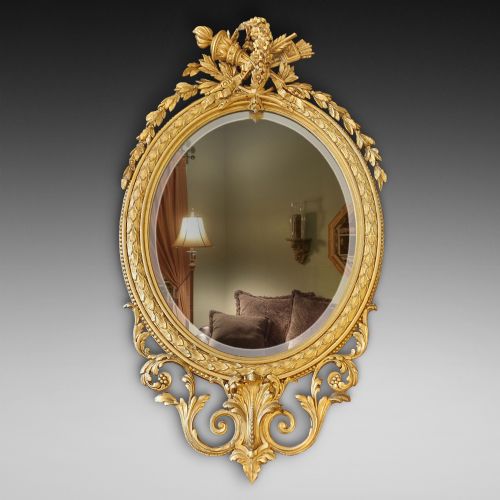
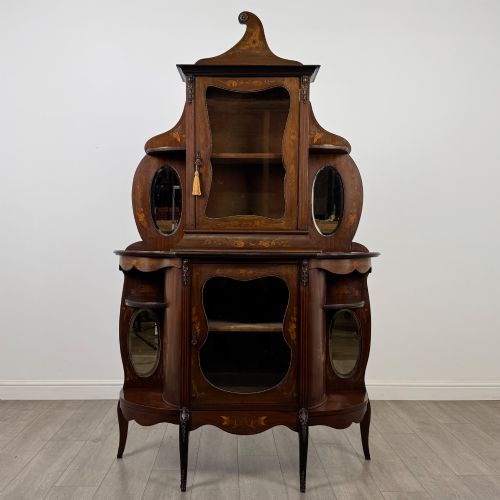
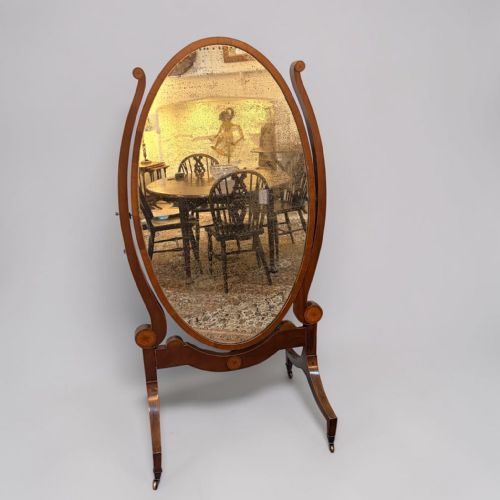
When you search for victorian oval glass, you encounter items primarily spanning the nineteenth century, with wall mirrors forming the bulk of the selection alongside display domes and smaller table pieces. These objects serve both functional and decorative purposes within domestic spaces, reflecting the interior tastes of the era through curved glass panels.
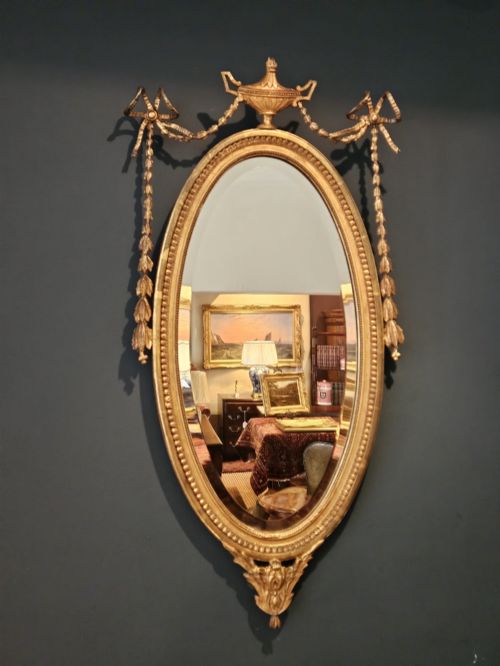
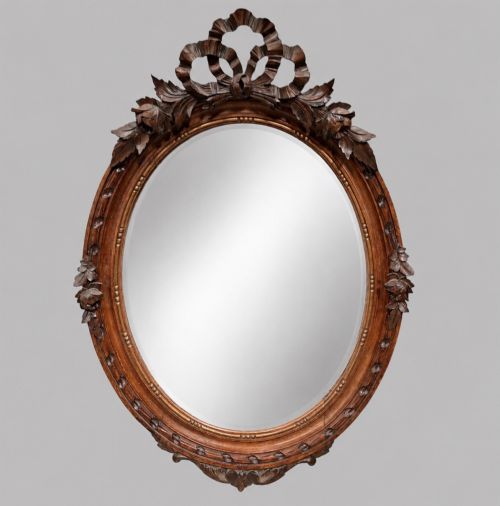
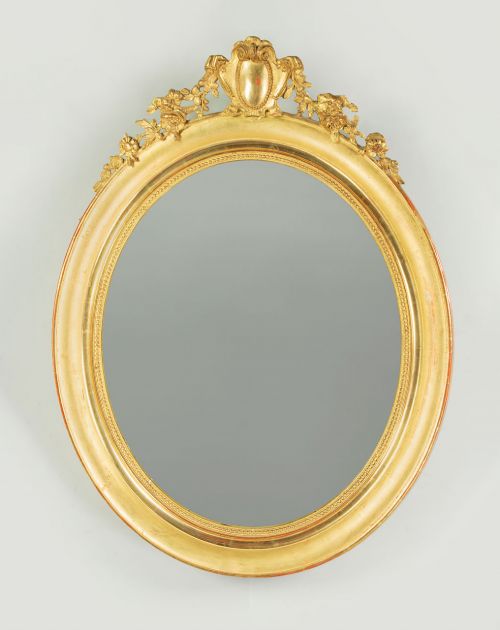
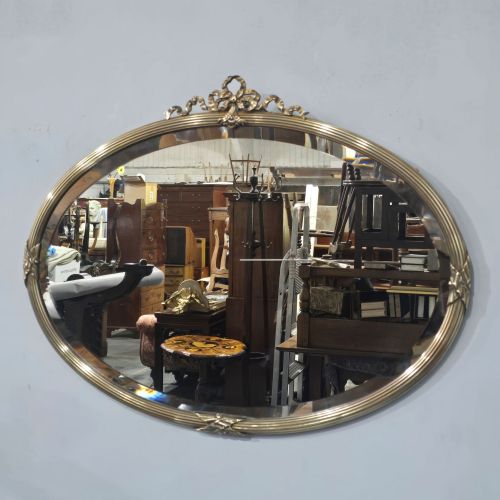
The wall mirrors and pier mirrors often feature prominent frames designed to anchor a room, while smaller tabletop versions and display domes protect precious items under clear curved covers. Pieces date across the nineteenth century and into the early twentieth, showing influences from the Victorian period, Rococo Revival, and Neoclassical styles.
Originating largely from British workshops and European traditions, these items appear in various room settings from hallways to dressing tables. The form itself remains consistent in its curved silhouette, yet varies significantly in scale from miniature vanity accessories to enormous wall hangings.
Materials and construction
Frames and structures rely heavily on traditional timber substrates like mahogany, oak, walnut, and satinwood, often enhanced with gesso and giltwood to achieve ornate surface enrichment. Brass, bronze, and ormolu provide metallic structure and decorative mounts, particularly on dressing table mirrors and display cases.
Glass is utilised both as reflective mirror plates and as protective blown domes for collector's displays, sometimes featuring bevelled edges that catch the light. Artisans shaped these materials using period joinery and carving techniques, securing mirror plates within wooden or metallic surrounds using original fittings.
Victorian Oval Glass Retail Price Guide 2026
Typical asking prices for victorian oval glass among the pieces listed under this phrase on Sellingantiques today, from the lower quarter to the upper quarter. They describe what is for sale here now, not the wider market.
Listings feature items from the 1850s, 1870s, 1880s, 1890s, and 1900s, constructed from mahogany, oak, walnut, and giltwood.
The spectrum of quality
Quality reveals itself in the depth and precision of the carved ornament on the frame, where hand-tooled gesso and crisp giltwood details separate superior examples from plain production. The clarity and preservation of the glass plate, along with the retention of original fittings and backboards, heavily influence the standing of the piece.
The choice of underlying timber, such as figured walnut or burr yew-wood, dictates the richness of the object before gilding or polishing is applied. Proportion and scale also govern the success of the design, distinguishing grand hall mirrors from simpler utilitarian items.
The Victorian Oval Glass Glossary
- Giltwood
- Wood that has been coated with gold leaf or a thin layer of gold paint. This technique adds a luminous finish to mirror frames and decorative furnishings.
- Gesso
- A plaster-like mixture applied to wood frames before gilding. Artisans carve and mould this substance to create intricate relief decorations.
- Bijouterie table
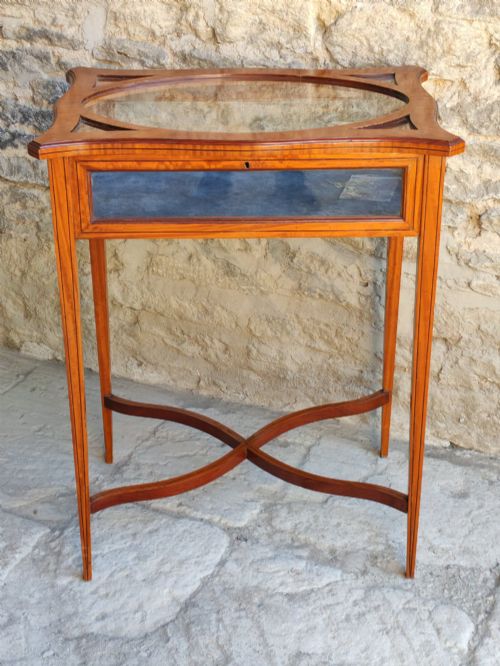
- A glass-topped display table designed for small valuables and curiosities. These pieces often incorporate mahogany or satinwood construction.
- Overmantel mirror
- A large mirror designed to hang directly above a fireplace mantel. They frequently feature wide proportions and decorative pediments.
- Ormolu
- Gilded bronze ornamentation applied to furniture and clocks. The process involves coating metal with a mercury-gold amalgam.
- Pier mirror
- A tall mirror designed to fit on the wall space between windows. These pieces reflect light back into the centre of a room.
Victorian Oval Glass: Frequently Asked Questions
How do I hang a heavy Victorian oval mirror?
Heavy wall mirrors require secure fixings into structural wall studs or masonry using appropriate weight-bearing brackets. Professional installation ensures the substantial timber and glass weight is properly distributed.
Check the original hanging loops or cord strength on the reverse before trusting them to support the frame. Many older mirrors benefit from modern strap hangers screwed securely into the wooden back frame.
What were glass domes used for originally?
Glass domes protected delicate Victorian displays such as taxidermy, clocks, artificial flowers, and botanical specimens from dust and handling. They served as preservation cases in parlours and studies.
Collector's domes sit on wooden or pine bases, creating an enclosed microclimate for fragile items. This allowed homeowners to exhibit curious or sentimental objects safely.
How do I clean antique glass safely?
Clean antique mirror glass and display domes with a soft, lint-free cloth and a mild, non-ammonia cleaning solution. Avoid spraying liquid directly onto the glass to prevent moisture seeping behind the silvering.
Keep cleaning fluids away from the wooden frames, giltwood, and gesso surfaces, as moisture damages traditional finishes. Wipe gently to remove surface dust without pressing heavily on fragile plates.
Are original mirror plates common?
Many Victorian mirrors retain their original glass plates, which often display subtle imperfections, minor foxing, or light distortion. These age marks confirm the period authenticity of the piece.
Replacement plates appear in some examples where the original glass suffered damage over time. Examining the back of the glass helps determine whether the silvering and backing are contemporaneous with the frame.