

Gold Oval Mirrors
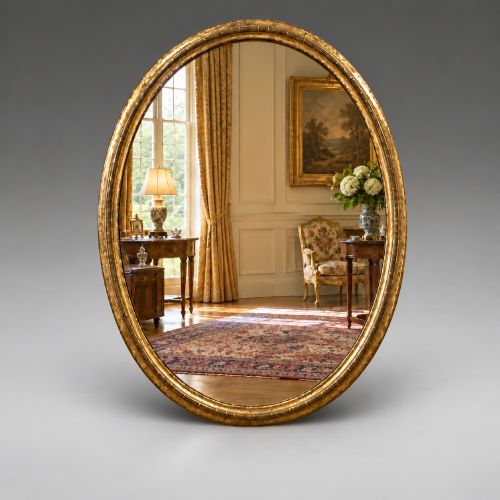
Gold oval mirrors bring warmth and sweeping curves to a room, drawing the eye with gilt surfaces and classical proportions.
Gold Oval Mirrors
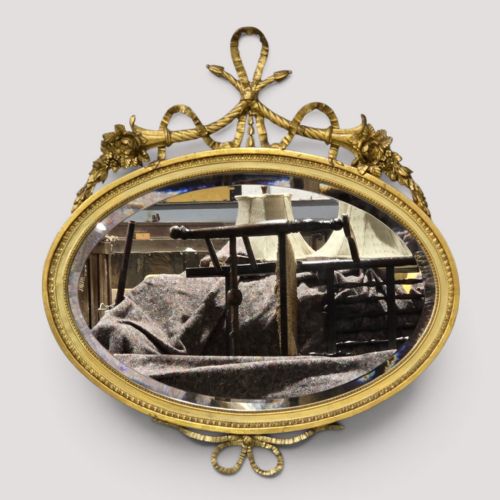
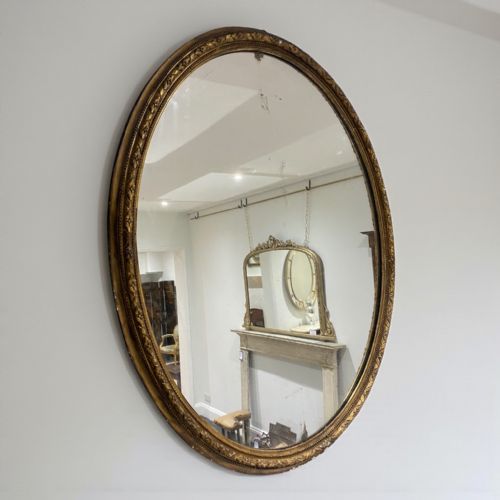
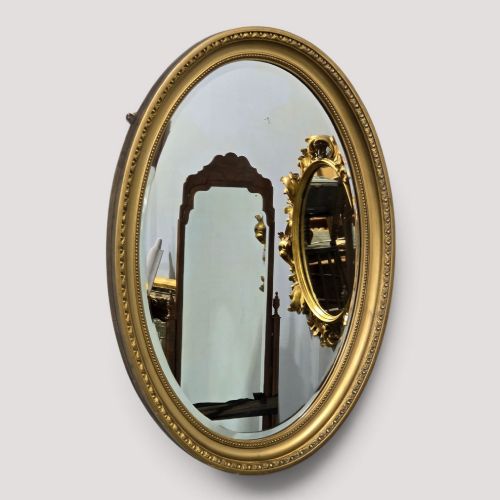
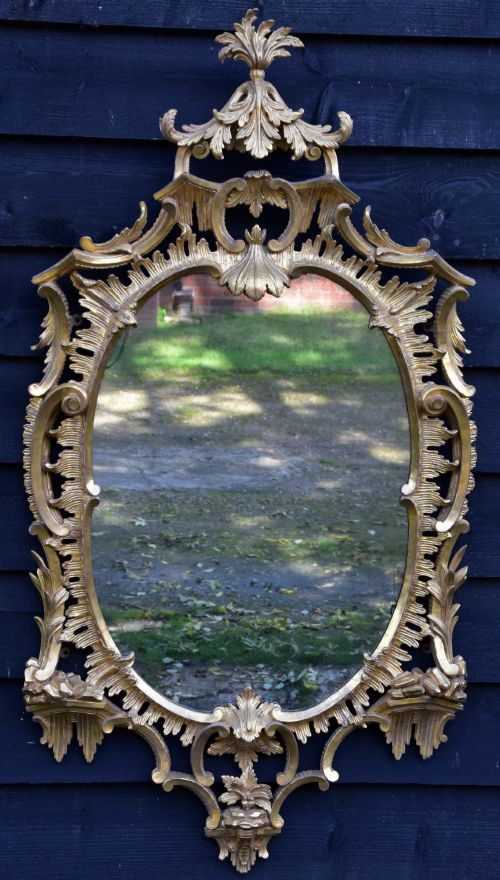
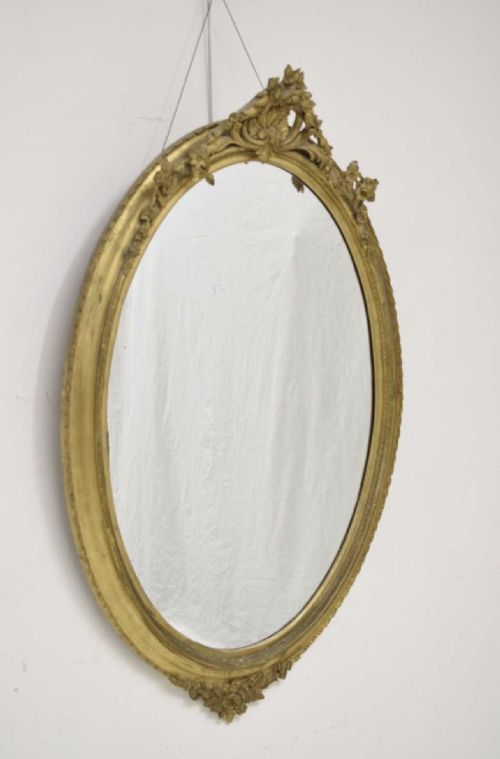
Gold oval mirrors encompass wall-hanging glass plates framed in gilt wood, gesso, composition, and brass, spanning the Georgian, Victorian, and early twentieth-century periods. These pieces range from small toilet and dressing table glasses to very large wall mirrors and girandoles adorned with display brackets or candle sconces.
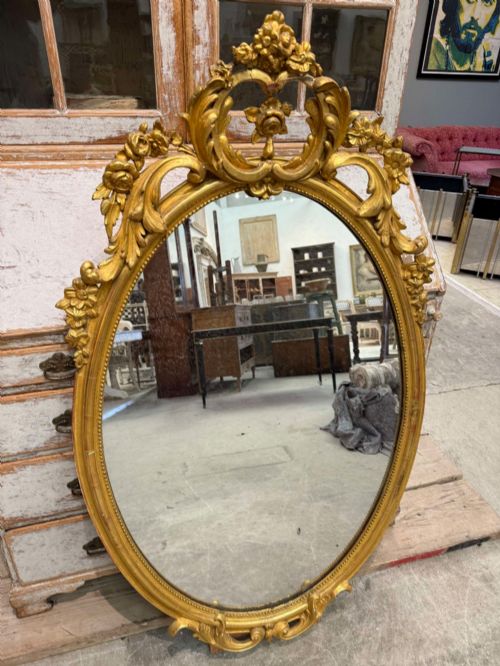
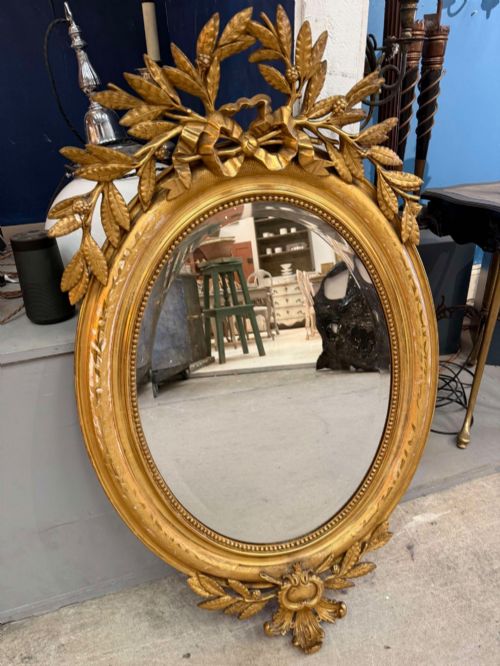
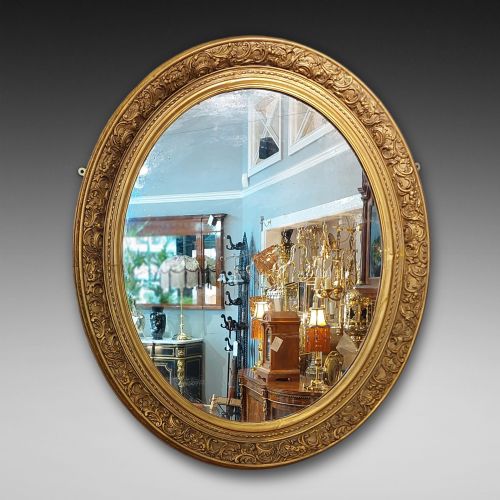
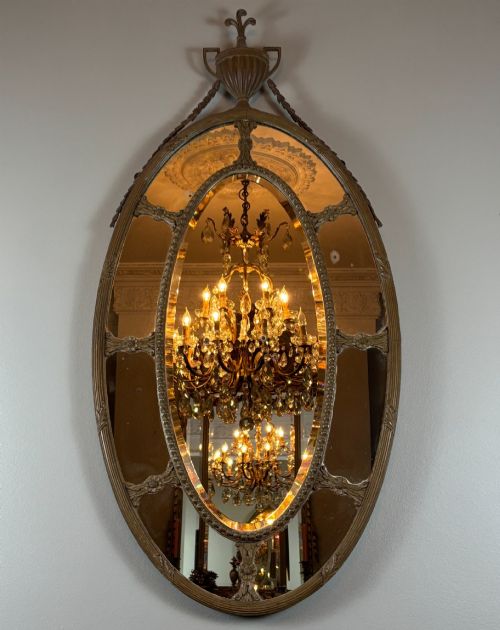
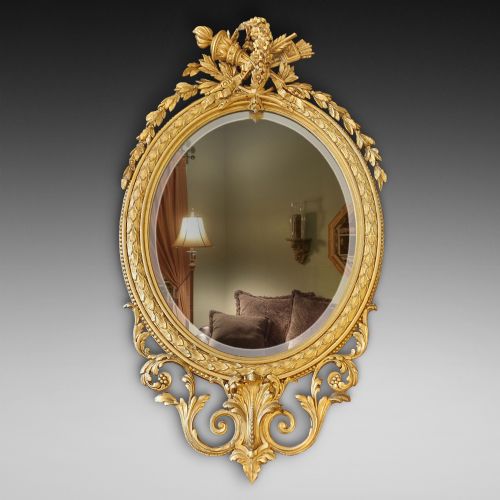
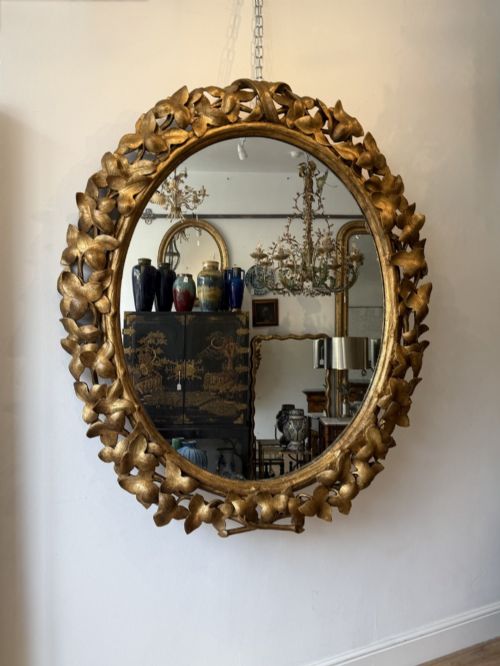
The version most commonly met on this page is the nineteenth-century Victorian or French giltwood and gesso wall mirror, frequently featuring ornate decorative elements like foliate scrolls, urn and swag pediments, and rose vine motifs. Stylistic influences lean heavily toward French Rococo, Louis XV, Louis XVI, and Adam Revival designs.
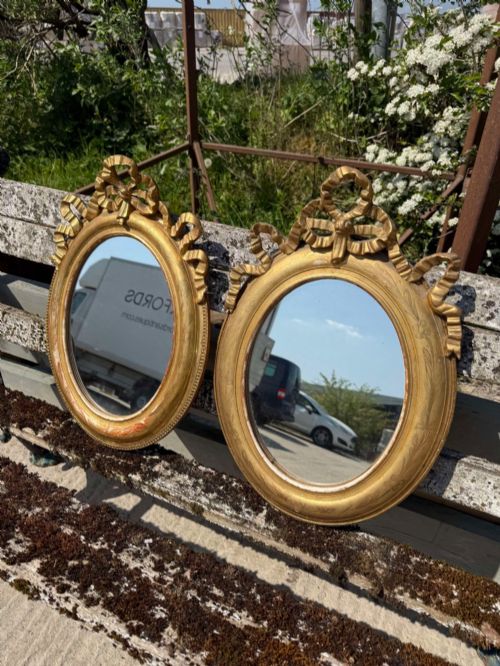
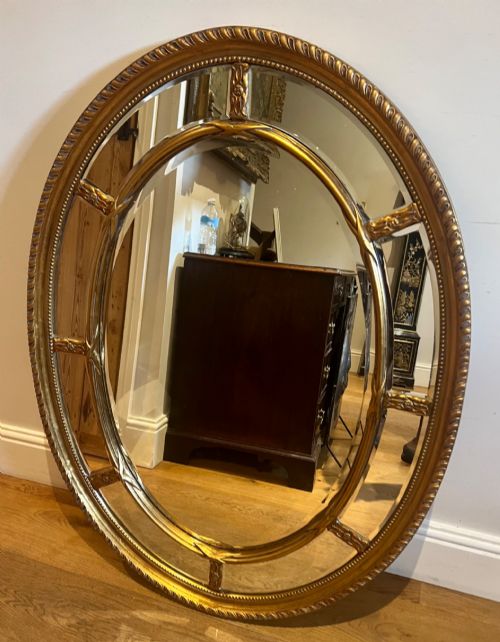
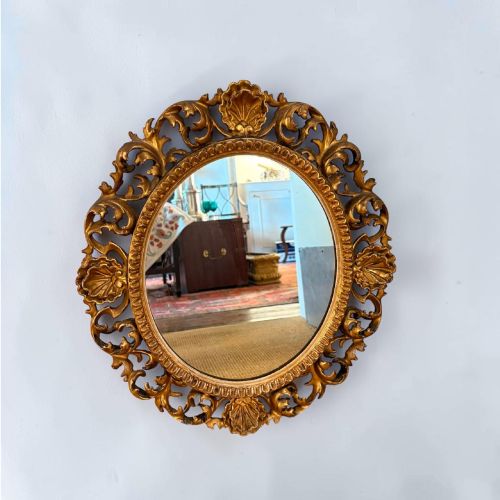
Earlier Georgian and Regency examples also appear alongside Napoleon III and Italian Florentine forms, offering slender margin plates, bevelled edges, and deep carved wooden frames. Buyers encounter both single statement pieces and matched pairs designed to anchor symmetrical interior schemes.
Materials and Techniques
Carved timber and moulded gesso form the structural base for the majority of these frames, providing a stable foundation for intricate ornamentation. Artisans applied thin layers of gold leaf or gilt paint over preparation layers to achieve a luminous metallic finish.
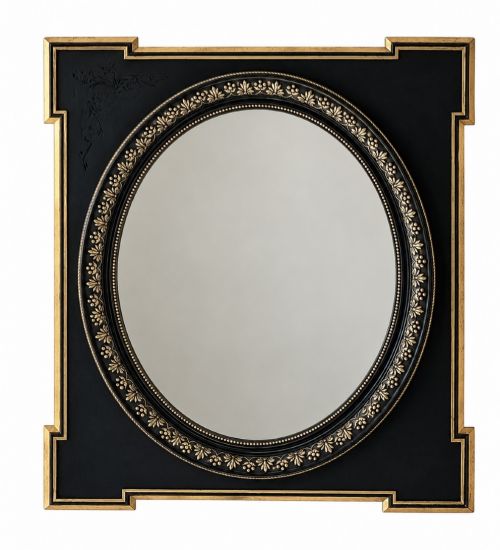
Mirror plates include traditional mercury plate, deep bevelled glass, and border glass configurations that reflect light softly across a room. Brass and ebonised wood also feature in select pieces, sometimes combined with parcel-gilt details for tonal contrast.
Gold Oval Mirrors Retail Price Guide 2026
Typical asking prices for gold oval mirrors among the pieces listed under this phrase on Sellingantiques today, from the lower quarter to the upper quarter. They describe what is for sale here now, not the wider market.
Listings feature items from the eighteenth, nineteenth, and early twentieth centuries, spanning Georgian, Victorian, Regency, and Belle Époque periods.
Quality Variations
Depth and crispness of hand-carving distinguish superior frames from simpler moulded composition pieces, with finer examples showing sharp relief in leaf scrolls and urn pediments. The integrity of the original gilding and the clarity of the underlying wood or gesso determine the overall visual presence.
The character of the mirror plate itself influences value, where early mercury glass or heavy bevelled edges display aged silvering and optical depth absent in plain modern replacements. Construction solidity at the joints and the retention of original backboards also mark higher tier items.
The Gold Oval Mirrors Glossary
- Giltwood
- Wood that has been coated with gold leaf or gold paint. This technique gives frames a rich, enduring metallic sheen.
- Gesso
- A plaster-like mixture applied to wood frames and carved or moulded into intricate decorative details before gilding. It provides a smooth base for gold leaf.
- Girandole
- A decorative wall mirror featuring attached candle sconces or display brackets. These fixtures were designed to multiply candlelight in a room.
- Pediment
- The decorative architectural structure surmounting the top of the mirror frame, such as an urn and swag design.
- Margin Mirror
- A style where a central mirror plate is surrounded by smaller bevelled border glass sections, creating a panelled reflective effect.
Gold Oval Mirrors: Frequently Asked Questions
Where should I hang a gold oval mirror?
These mirrors suit placement above a mantelpiece, sideboard, or console table where the vertical curve softens angular architectural lines. They also function effectively in hallways and above dressing tables to bounce natural light into darker corners.
Matching pairs look striking hung symmetrically on either side of a fireplace, doorway, or large window to create a balanced focal point in a reception room.
How do I care for antique gilt surfaces?
Dust the frame gently with a soft, dry ostrich feather duster or a clean, dry microfibre cloth to remove surface particles. Avoid liquid cleaners, chemical sprays, and abrasive cloths entirely, as moisture and friction easily lift delicate gold leaf and gesso.
Keep the mirror away from direct, strong sunlight and damp environments to protect both the wooden substrate and the original mirror plate from deterioration.
What is a girandole mirror?
A girandole is a specialised wall mirror featuring integrated candle sconces or small display brackets projecting from the frame. Historically, these arms held candles to reflect and amplify candlelight throughout evening gatherings.
On this page, Victorian and late nineteenth-century examples often incorporate these decorative brackets, blending functional lighting with ornate sculptural frames.
How can I tell a Victorian mirror from a Georgian one?
Georgian mirrors, such as those from the late eighteenth century, typically display restrained classical elegance with hand-carved mahogany or pine frames, often featuring delicate openwork or Ho-ho birds. Victorian pieces tend toward heavier, more exuberant ornamentation using moulded gesso, plaster, and dense floral or scroll motifs.
Examining the construction methods, backboards, and the composition of the frame reveals the manufacturing standards and stylistic preferences of the respective period.