

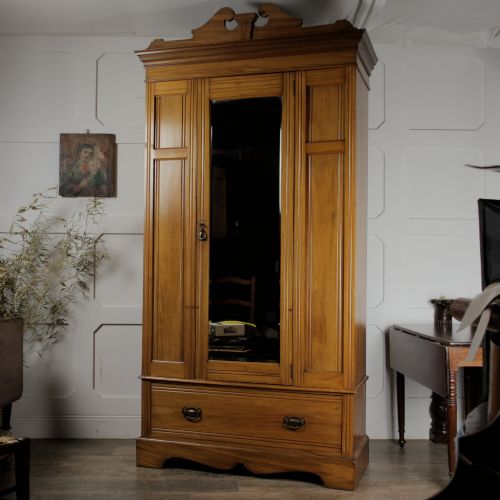
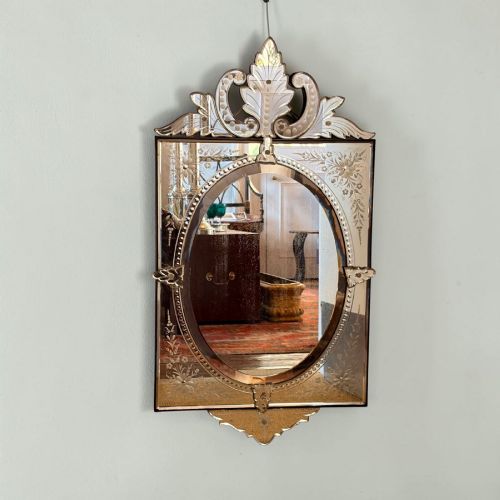
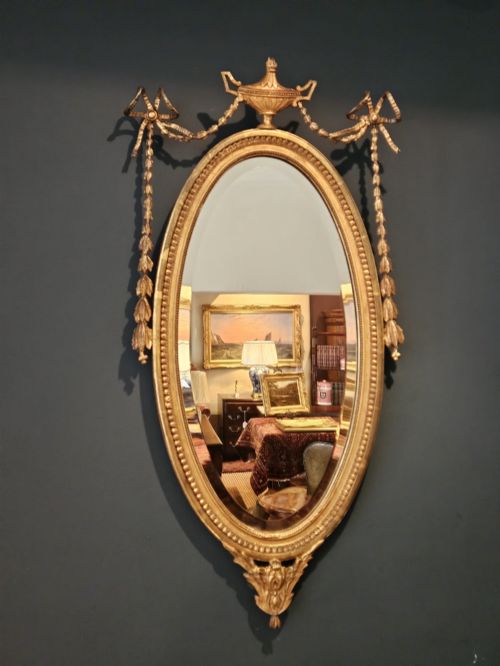
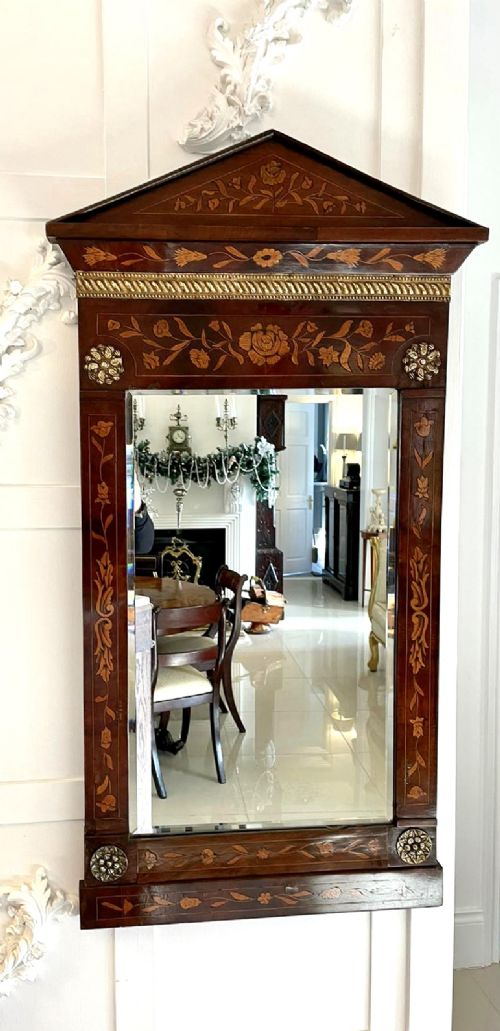
Antique Mirror with Pediment
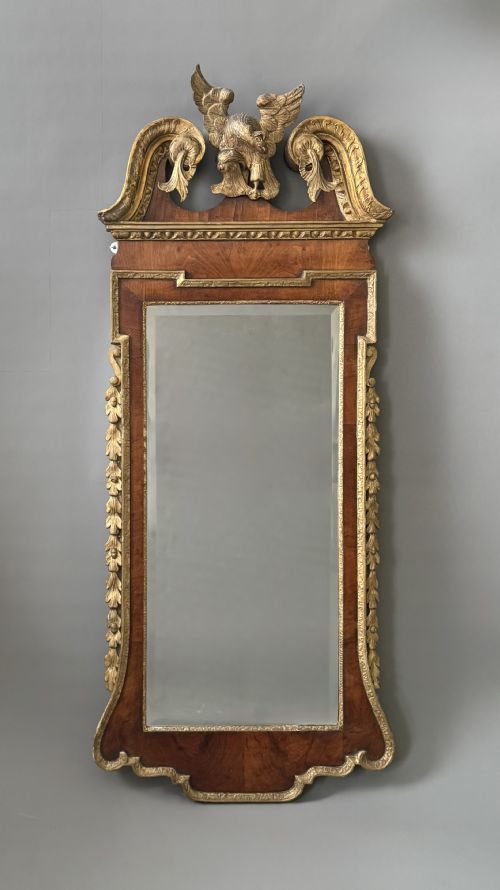
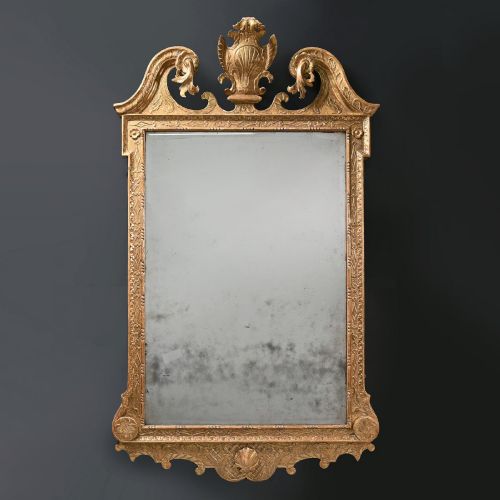
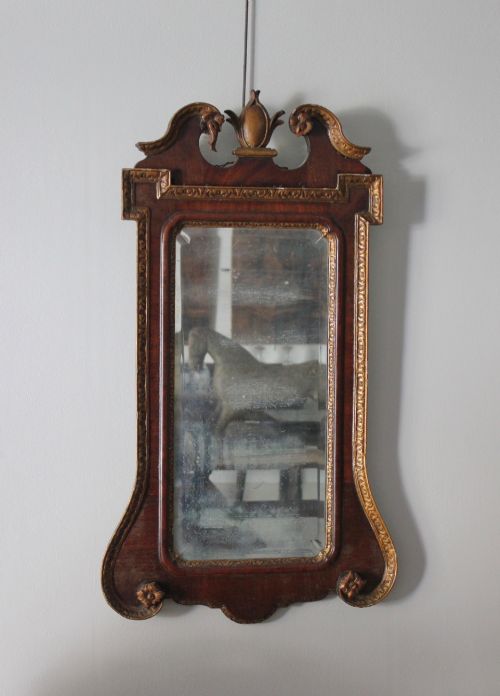
An antique mirror with pediment brings architectural gravity to a room through carved crests and classical proportions.
Antique Mirror with Pediment
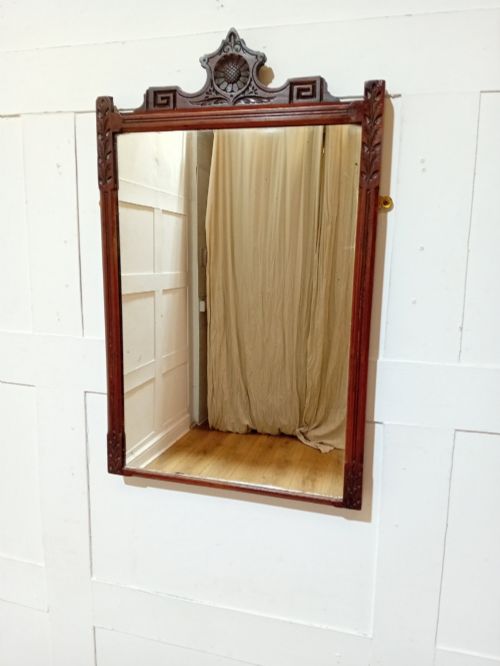
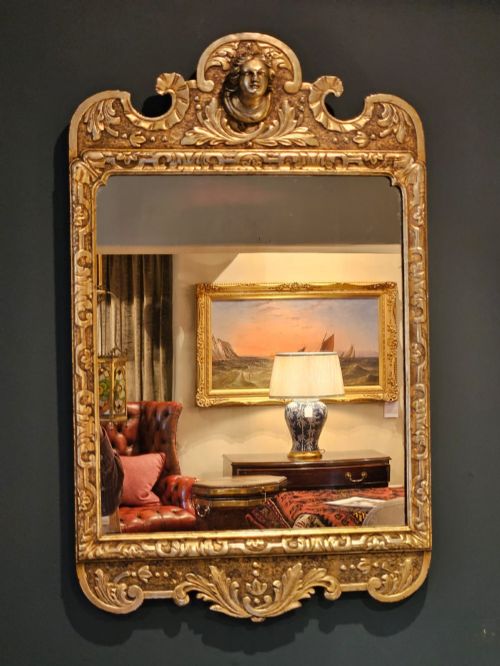
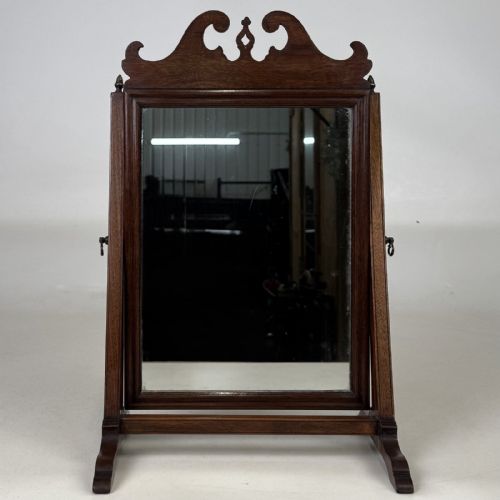
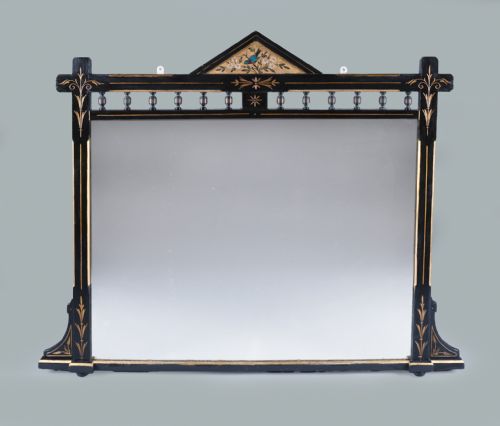
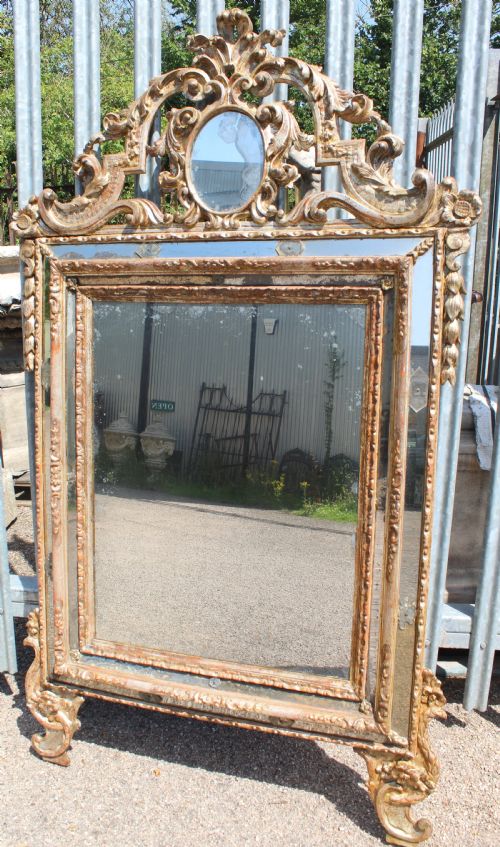
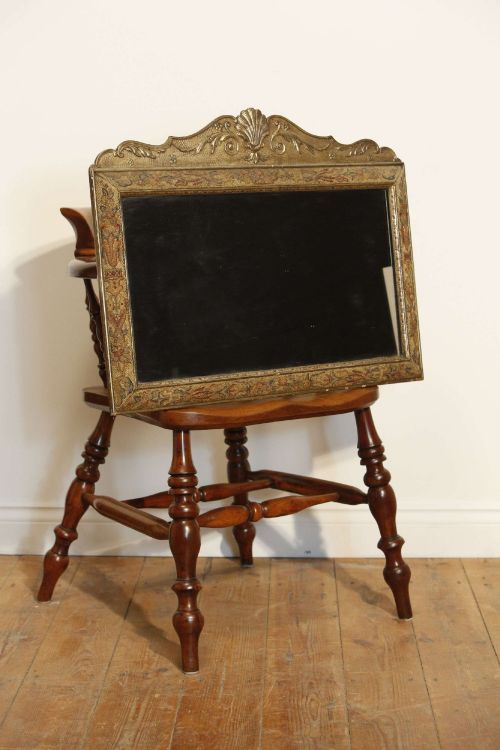
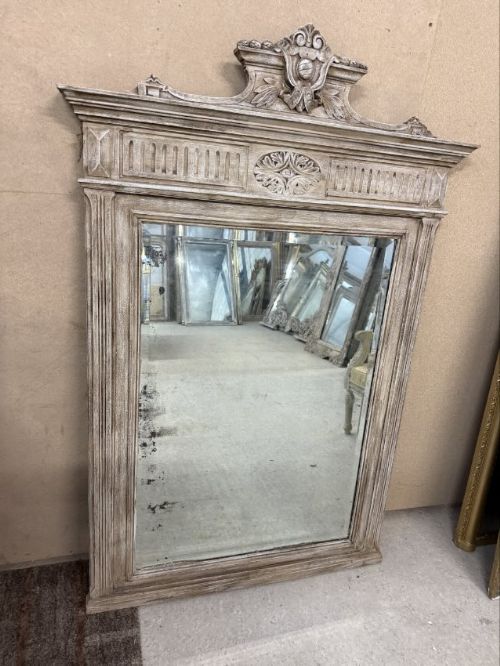
An antique mirror with pediment combines reflective glass with a decorative architectural crown, ranging from simple timber frames to elaborate carved crests. Buyers seek these pieces to anchor a room, using the upper structure to draw the eye upward and add a sense of historical weight to plain walls.
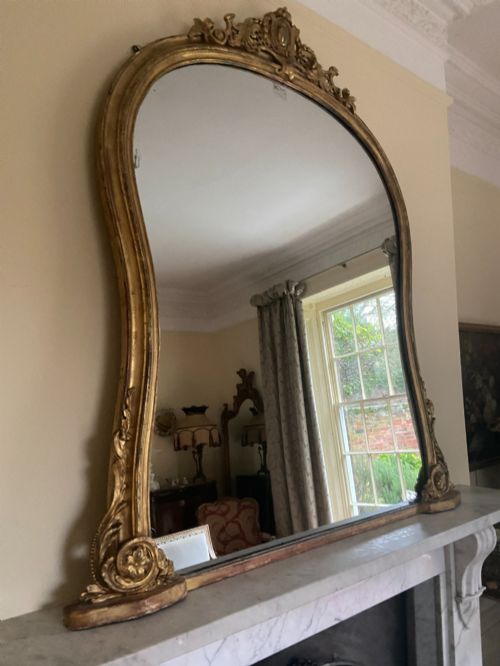
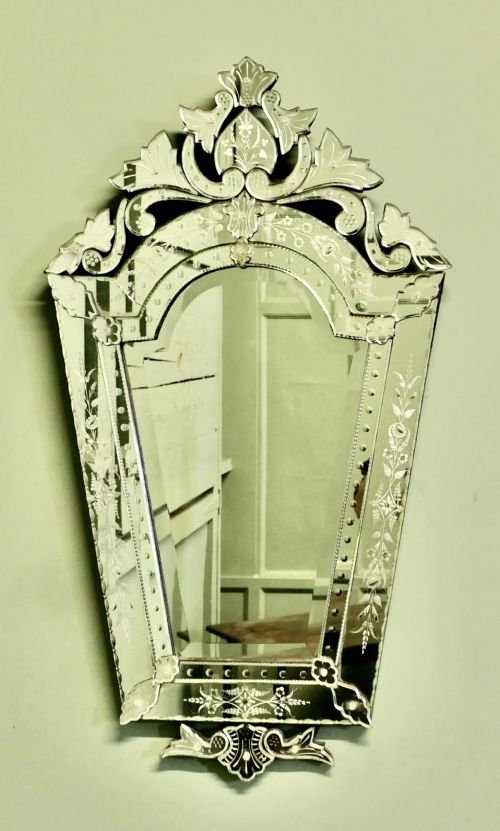
The examples found here span from the George II and 18th Century periods through Victorian, Edwardian, and later 19th-century revivals. Wall mirrors and large overmantle mirrors dominate the selection, often featuring urn tops, carved cherubs, or cut glass elements.
Makers and workshops employed distinct regional vernaculars, pairing giltwood and mahogany with specialised pediment designs. The resulting forms serve as both functional looking glasses and decorative focal points within domestic interiors.
Materials and construction
Carpenters and gilders built these frames using traditional timbers such as walnut, mahogany, and satinwood, frequently applying gesso to create crisp, moulded ornament. Giltwood surfaces required skilled application of gold leaf over prepared grounds, while timber frames relied on precise joinery to support heavy glass plates.
Pediments were constructed as integral architectural elements or applied crests, utilising carved wood, cut glass, and inlaid details. Craftsmen secured original glass plates within the rabbet using traditional backing methods, ensuring the reflective surface remained stable within the heavy frame.
Antique Mirror with Pediment Retail Price Guide 2026
Typical asking prices for mirror with pediment among the pieces listed under this phrase on Sellingantiques today, from the lower quarter to the upper quarter. They describe what is for sale here now, not the wider market.
Listings feature walnut, mahogany, and satinwood alongside giltwood frames spanning the 18th Century, Victorian, and Edwardian eras.
Judging quality and craftsmanship
Quality rests in the crispness of the carved pediment and the harmonious proportion between the crest and the main mirror plate. Superior examples display depth and definition in hand-carved motifs like urns or cherubs, rather than soft or cast imitation details.
The integrity of the timber or the consistency of the gilding further distinguishes finer pieces. Original glass plates with honest foxing and undisturbed backing provide a greater level of authenticity compared to later replacements.
The Antique Mirror with Pediment Glossary
- Pediment
- The architectural crown or triangular gable surmounting the frame of the mirror. It originates from classical building facades and frames the top of the piece.
- Giltwood
- Timber carved and coated with gold leaf or metal leaf applied over a gesso ground. It provides a luminous, reflective surface that catches natural light.
- Gesso
- A plaster-like mixture applied to wood frames to create a smooth surface for carving or gilding. It allows craftsmen to model sharp, intricate decorative details.
- Overmantle
- A large mirror designed specifically to hang above a fireplace mantelpiece. These pieces often feature wide proportions and substantial decorative pediments.
- Satinwood
- A hard, durable timber with a natural golden sheen and smooth grain. It was favoured by cabinetmakers for fine Edwardian and Georgian decorative furniture.
Antique Mirror with Pediment: Frequently Asked Questions
How do I hang a heavy overmantle mirror safely?
Substantial mirrors require direct fixing into structural wall studs or masonry using heavy-duty brackets suited to the weight of the timber and glass.
Consult a professional installer to assess the wall type and ensure the hanging wire or mirror D-rings can bear the load securely.
Are original glass plates common in these mirrors?
Many older mirrors retain their original glass, which often exhibits subtle distortions, silvering losses, or light foxing accumulated over centuries.
Original plates contribute significantly to the character and period integrity of the piece.
What defines a George II style mirror?
George II mirrors typically feature rich walnut construction, architectural pediments, and symmetrical carved ornamentation reflecting mid-18th-century Palladian tastes.
They emphasise classical proportions and substantial materials designed to command attention in formal reception rooms.