

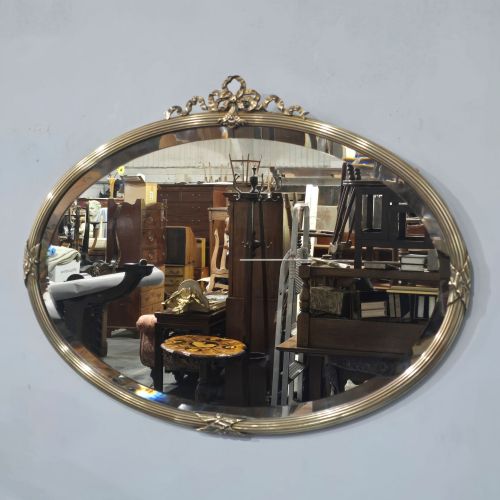
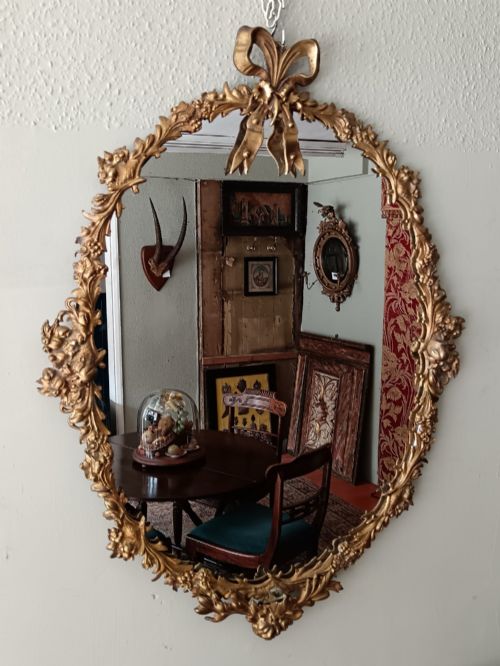

Ribbon Cresting Mirror
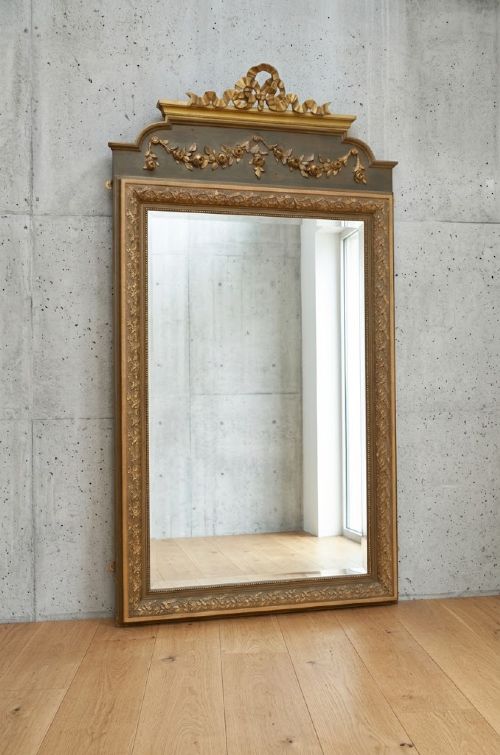
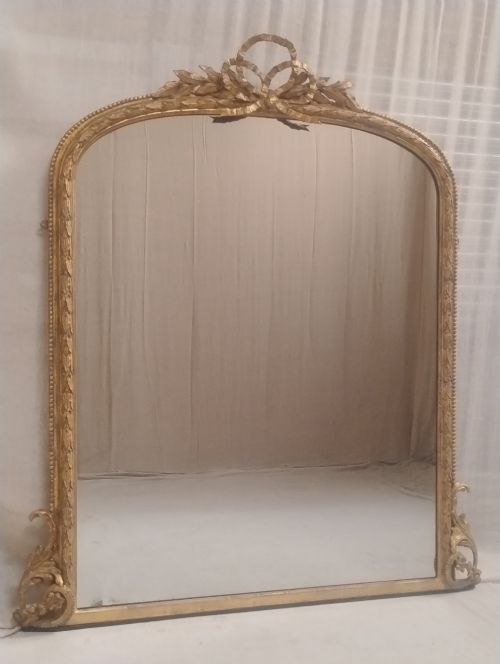
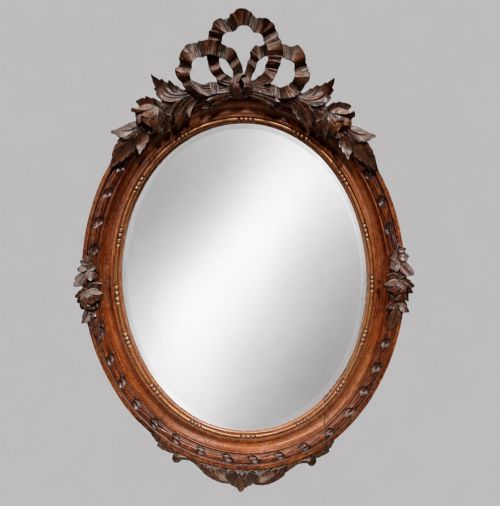
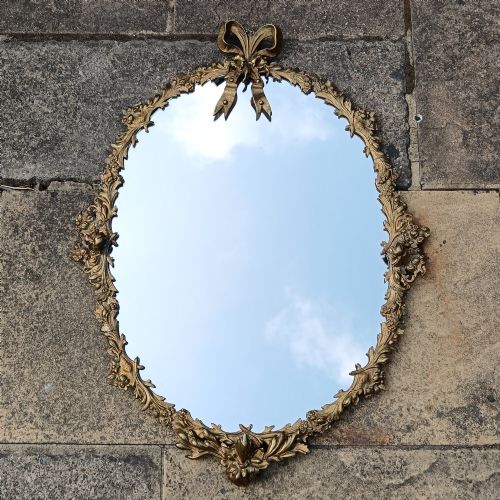
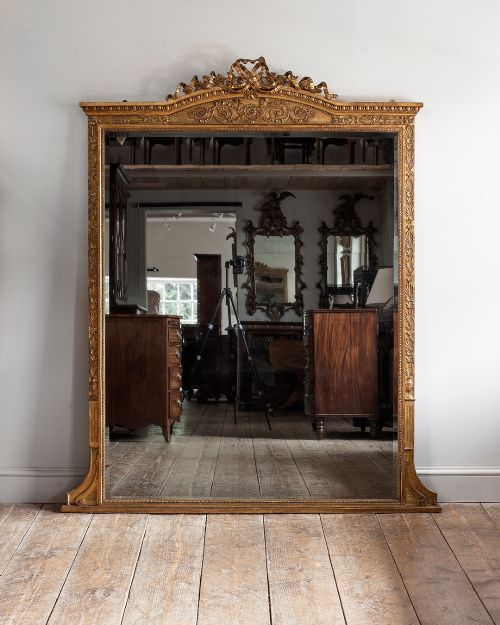
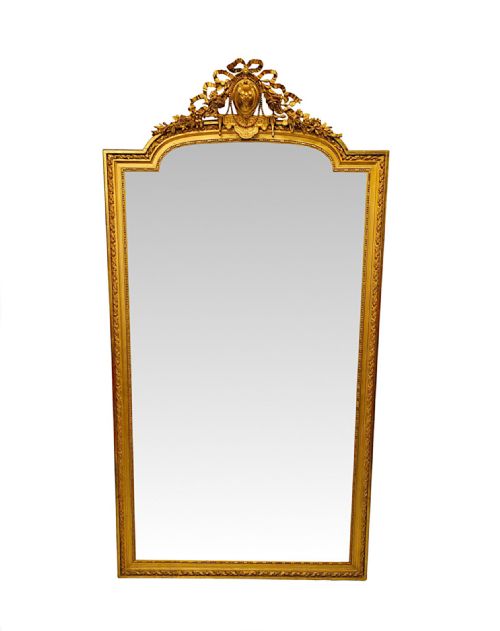
A ribbon cresting mirror brings neoclassical grace to a room through carved drapery and bows atop the glass.
Ribbon Cresting Mirror
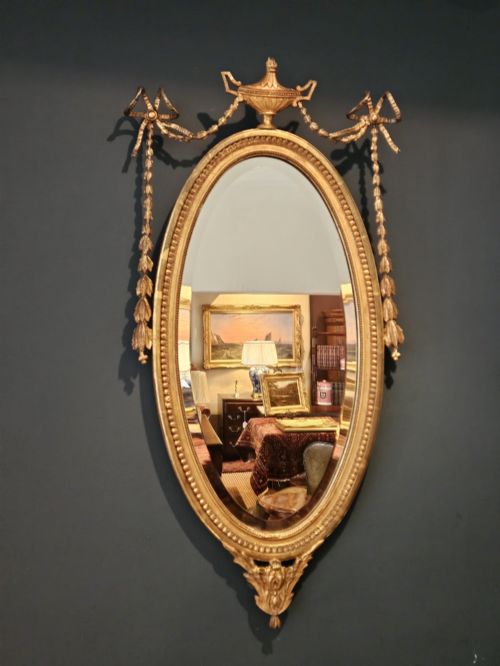
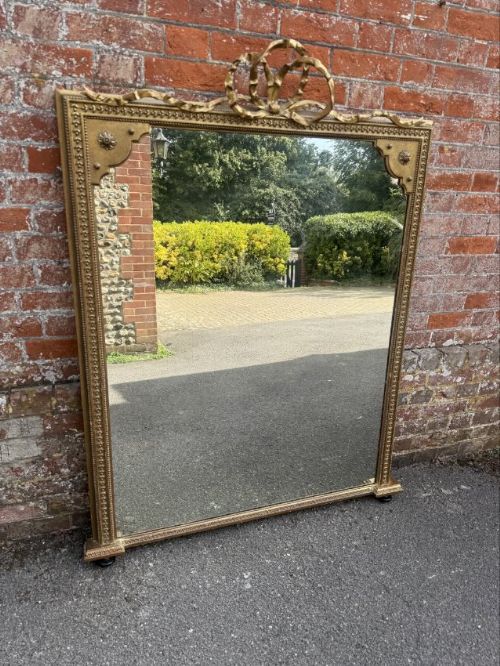
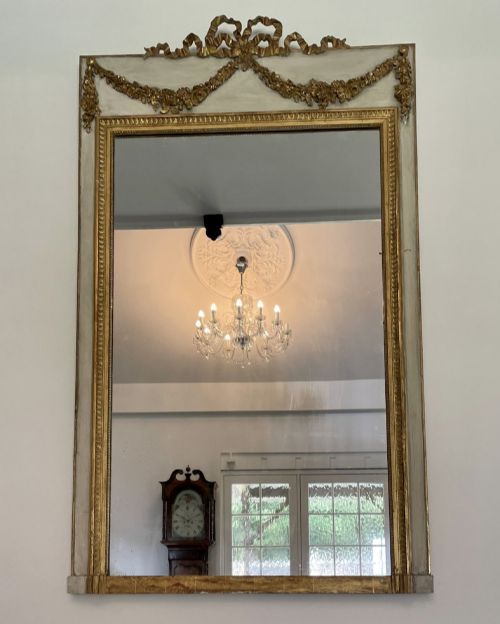
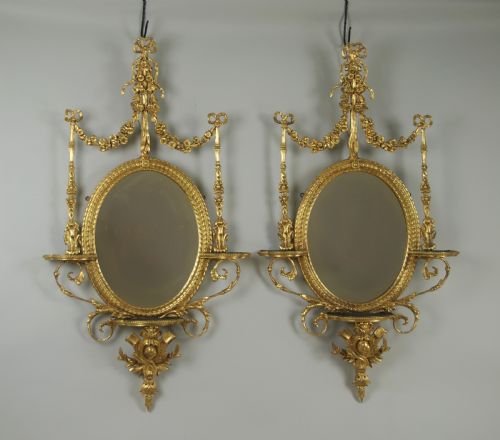
A ribbon cresting mirror displays carved bows and flowing ribbon motifs at the top of the frame, uniting French and English neoclassical design traditions. These pieces predominantly appear in oval and rectangular wall formats from the Victorian period through to the early twentieth century.
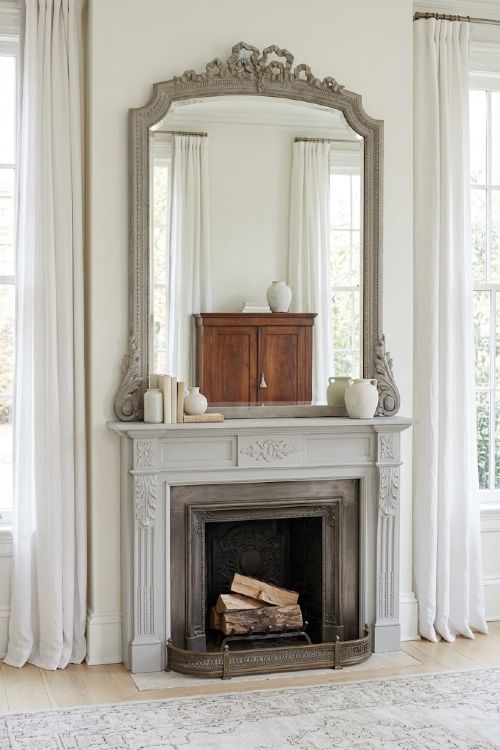
Makers drew heavily on Louis XVI and Adam revival styles, producing giltwood and gesso frames intended to reflect light and ornament principal rooms. Overmantel mirrors and pier glasses frequently adopt this decorative flourish to anchor large interior walls.
Materials and Construction
Carvers shaped wooden frames from timber before applying layers of gesso to build up intricate relief details like ribbons, swags, and bead reels. Artisans then gilded these surfaces with gold leaf or painted them to achieve a bright, reflective finish.
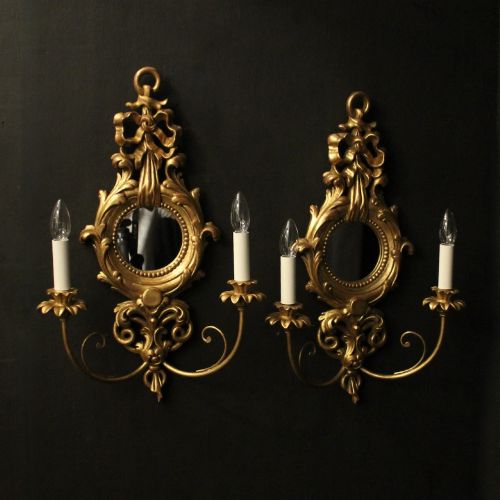
Mirror glass was set into these frames, often utilising original bevelled edges that catch the light at shallow angles. Brass, gilt bronze, and gilt metal also appear in framing and associated wall sconces or display brackets.
Evaluating the Craftsmanship
Quality rests upon the depth and sharpness of the hand carving within the ribbon crest and frame moulding, where crisp undercut details distinguish superior work from shallow cast composition. The preservation of the original gilding and the clarity of the mirror plate further determine the standing of each piece.
Strahan of Dublin
The Ribbon Cresting Mirror Glossary
- Gesso
- A plaster-like mixture applied to wood frames to create a smooth surface for carving and gilding. This compound allowed artisans to render crisp floral and ribbon motifs.
- Giltwood
- Timber coated with a thin layer of gold leaf over a prepared base. It provides a luminous finish characteristic of formal reception rooms.
- Overmantel mirror
- A large glass designed to hang specifically above a fireplace mantelpiece. These substantial pieces frequently employ neoclassical cresting to draw the eye upward.
- Girandole
- A decorative wall mirror fitted with attached candle sconces or arms. The candleholders multiply the flickering light within the room.
- Pier glass
- A tall mirror designed to hang on the narrow wall space between windows. They often coordinate with matching console tables or display brackets.
Ribbon Cresting Mirror: Frequently Asked Questions
Where should I hang a ribbon cresting mirror?
These mirrors suit principal living spaces, hallways, or above mantelpieces where the decorative top carving can be fully appreciated at eye level.
Ensure the wall fixings match the substantial weight of carved wood and gesso frames.
How do I identify the period of the frame?
Examine the construction of the wooden backing, the composition of the gesso, and the style of the revival period, such as Louis XVI or Adam.
Nineteenth-century examples frequently employ dense plaster work and heavier gilding compared to later twentieth-century interpretations.
Are the mirror plates usually original?
Many retain their original glass, which can exhibit light foxing or subtle oxidation spots accumulated over the decades.
Original bevelled glass adds historical depth to the piece without obscuring the reflection.
How should I clean a giltwood frame?
Dust the carved ribbon details very gently with a dry, soft brush to protect the delicate gesso and gold leaf surface.
Avoid liquid cleaners or moisture entirely, as water strips historical gilding from the wood.