

Victorian Mantelpiece Ornaments
These Victorian mantelpiece ornaments bring nineteenth-century character to a room, ranging from Staffordshire dogs to bronze lions and glass lustres.

Victorian Mantelpiece Ornaments
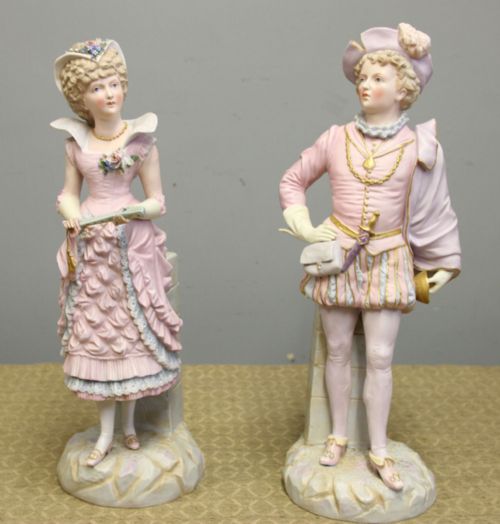
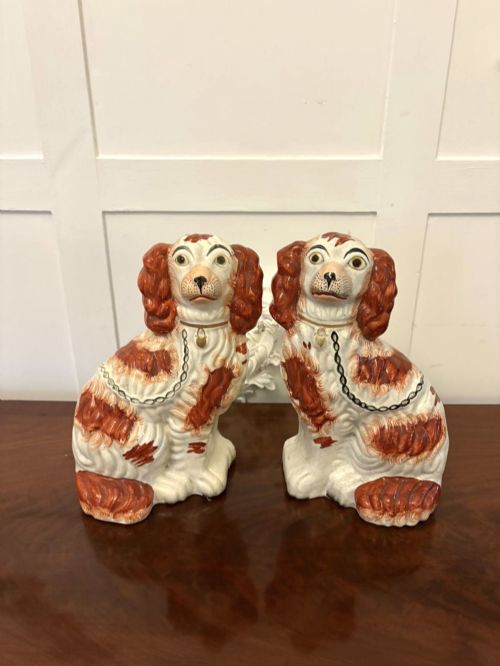
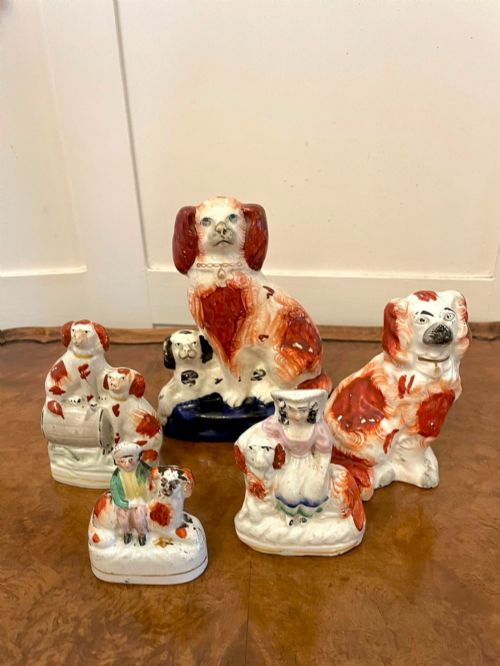
Victorian mantelpiece ornaments encompass the figures, spill vases, and lustres placed upon nineteenth-century fireplaces for display. Ceramic examples dominate the selection, particularly earthenware figures from Staffordshire potteries.
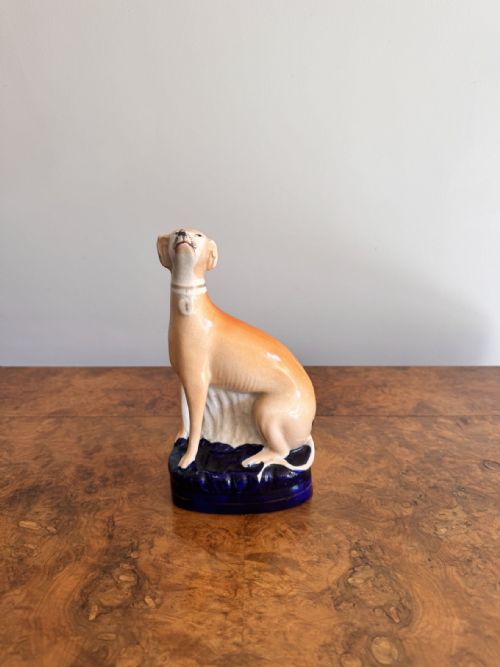
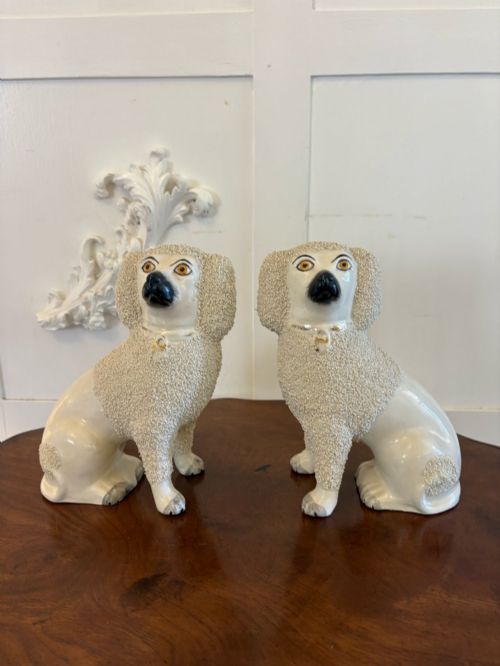
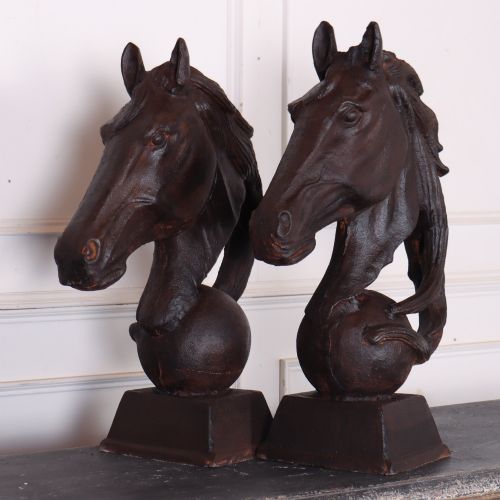
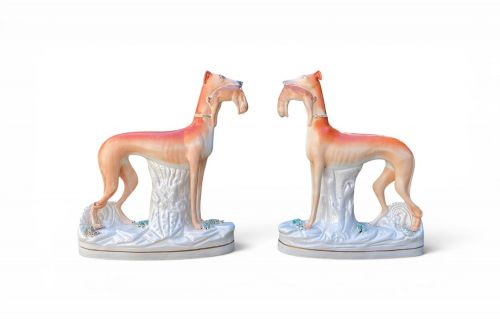
Pairs of animals feature prominently among these objects, including poodles, spaniels, sheep, and lions. These domestic and exotic subjects reflect the tastes of nineteenth-century households.
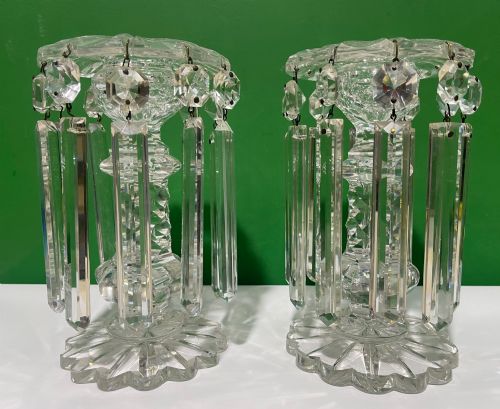
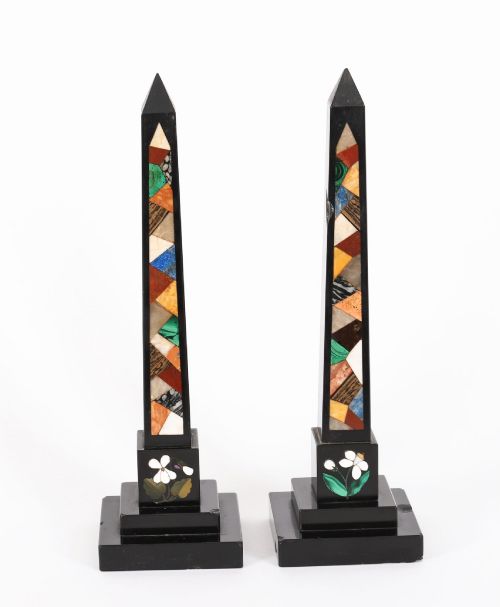
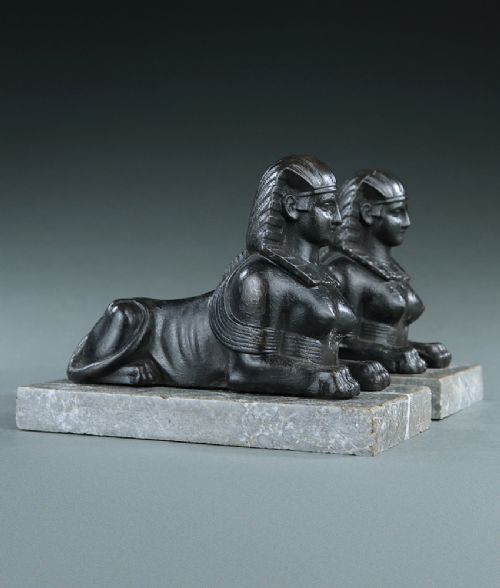
Alongside pottery animals, the inventory includes brass ewers, cast iron sphinxes, marble obelisks, and glass lustres with hanging drops. These pieces demonstrate the varied materials displayed in period interiors.
Materials and Manufacture
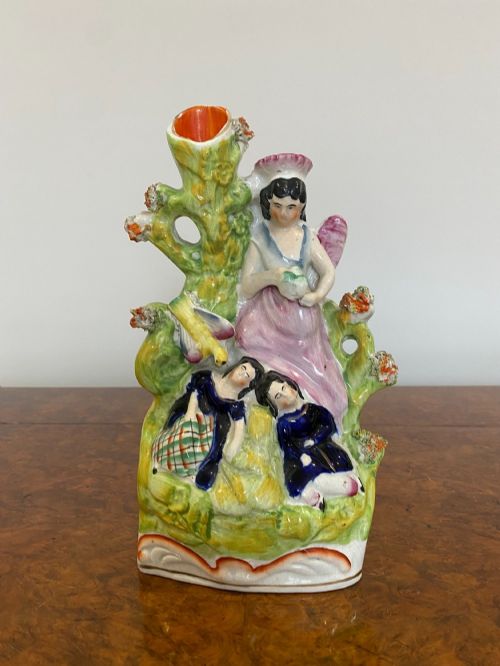
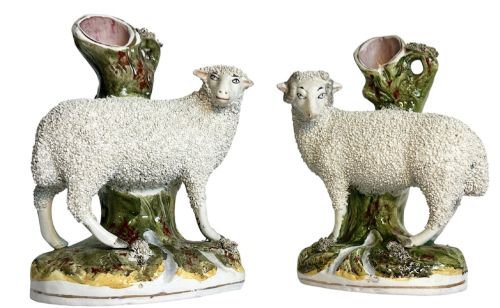
Pottery figures and spill vases rely on earthenware and stoneware bodies finished with lead glazes, enamel paints, or copper lustre. Potters shaped these pieces using moulds before hand-painting details onto the surface.
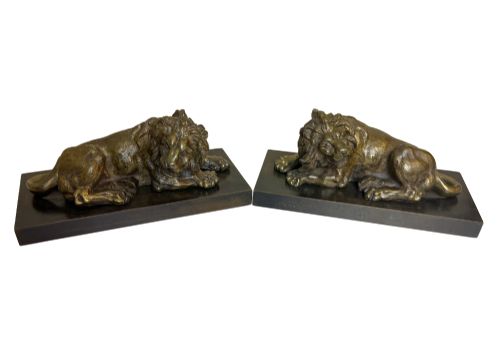
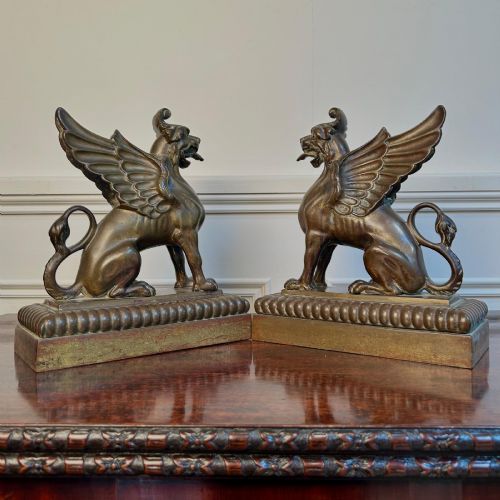
Metal ornaments utilise cast iron, bronze, and brass to form lions, griffins, and candelabras. These metal objects often receive patination or gilding to enhance their decorative effect.
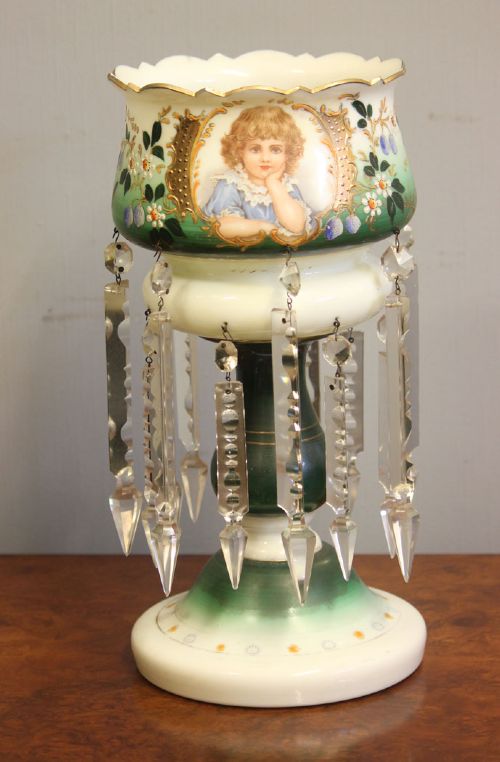
Glass items such as mantel lustres combine blown glass components with cut crystal drops. Enamel and gilt ornamentation frequently decorate the exterior of these glass vessels.
Victorian Mantelpiece Ornaments Retail Price Guide 2026
Typical asking prices for victorian mantelpiece ornaments among the pieces listed under this phrase on Sellingantiques today, from the lower quarter to the upper quarter. They describe what is for sale here now, not the wider market.
King Charles spaniels and stern bronze lions keep watch over nineteenth-century mantelpieces, holding their ground against the modern era.
Judging Quality and Execution
Weight and casting precision distinguish metalwork ornaments. Clean lines on cast iron sphinxes and well-defined musculature on bronze lions reflect careful foundry work.
Completeness dictates the standing of glass lustres and candelabras. Intact hanging prisms and undamaged enamel work preserve the original decorative impact of these fragile objects.
The Victorian Mantelpiece Ornaments Glossary
- Mantel Lustre
- A decorative glass vase fitted with glass pendants or prisms that catch the light. These objects sat on fireplaces alongside figures and clocks.
- Spill Vase
- A hollow ceramic figure incorporating a small cylinder designed to hold wooden spills for lighting fires. Sheep and deer frequently form the base of these vessels.
- Flatback
- A Staffordshire pottery figure moulded with a finished front and a flat, unpainted reverse intended to stand against a wall. This technique saved materials during production.
- Animalier
- A nineteenth-century sculptural style focusing on realistic depictions of animals. Bronze lions and stags often embody this aesthetic.
- Cassolette
- A decorative vessel with a reversible lid that functions as a vase or a burner for perfumes. Examples appear in enamelled and turquoise finishes.
Victorian Mantelpiece Ornaments: Frequently Asked Questions
Where did these ornaments sit?
These pieces traditionally occupied the mantelpiece above a domestic fireplace, serving as the visual centrepiece of the room.
Pairs of figures, such as dogs or lions, flanked clocks and mirrors to create symmetrical arrangements.
What animals appear most often?
Staffordshire spaniels, poodles, and greyhounds form the majority of the ceramic animal figures.
Lions, stags, sheep, and horses also appear frequently in both pottery and metalwork across the period.
How do I identify Staffordshire pottery?
Staffordshire pieces typically feature earthenware bodies decorated with hand-painted glazes, often displaying crazing from age.
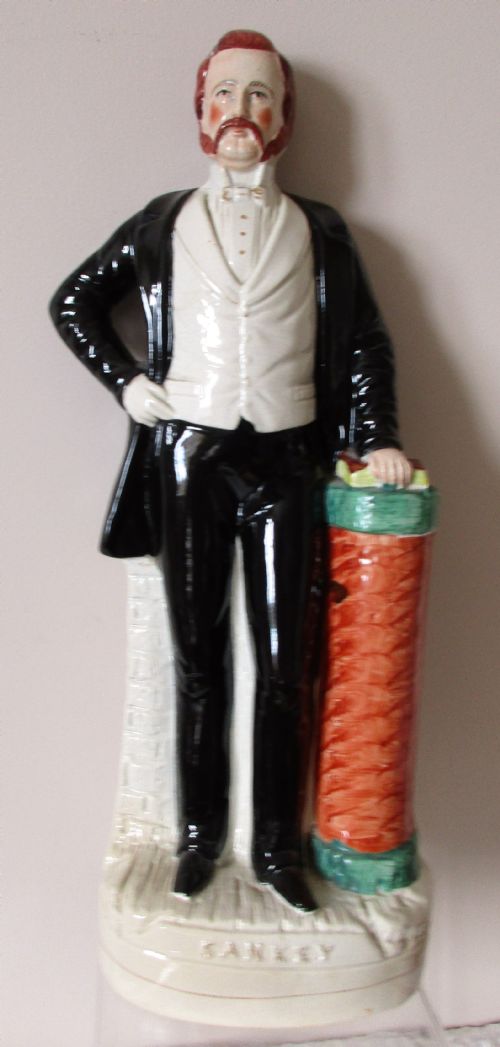
Subjects range from portrait figures of royalty to domestic animals and pastoral couples.
What are glass lustres used for?
Glass lustres served as decorative garnitures on nineteenth-century mantelpieces rather than functional vases for flowers.
Their hanging glass drops refracted candlelight and daylight within the Victorian parlour.