



Victorian Indoor Planter
A victorian indoor planter brings botanical life inside, taking forms from jardiniere tables to cachepots fashioned in brass, copper, and ceramic.
Victorian Indoor Planter
When searching for a victorian indoor planter, buyers encounter an array of vessels designed to house indoor greenery, most commonly seen as brass or copper jardiniere pots, ceramic cachepots, and wooden jardiniere tables. These pieces originate from the nineteenth century, spanning periods from eighteen sixty through to nineteen ten, embodying styles such as Victorian, Art Nouveau, and Arts and Crafts.
The assortment includes cylindrical vessels, handled planters, and stands incorporating materials like earthenware, stoneware, and glazed ceramics alongside metal works. Many examples demonstrate regional and international influences, including Indian brass pieces and French or German ceramic designs.
How they were made
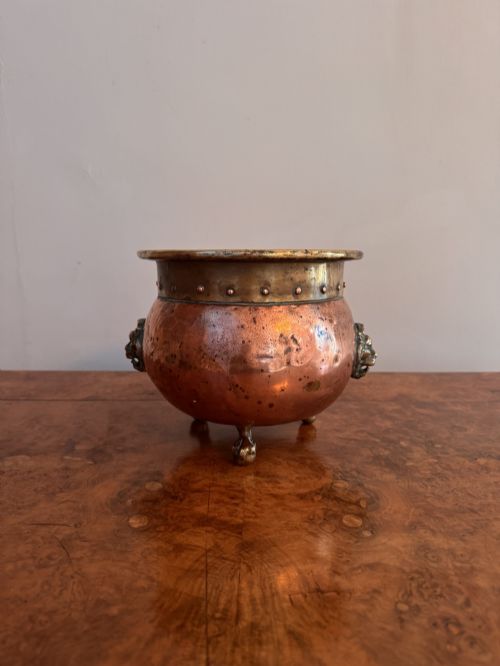
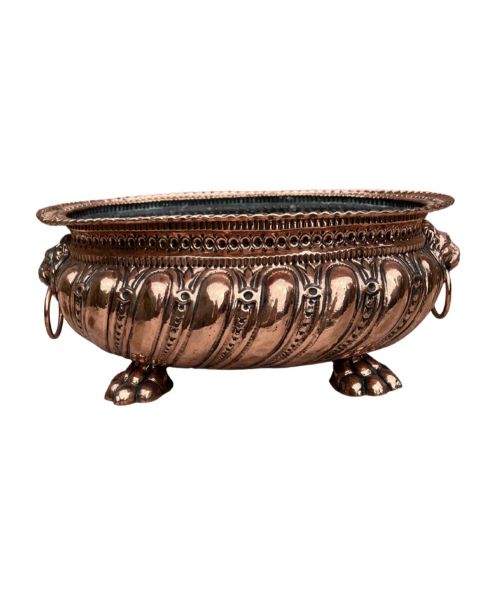
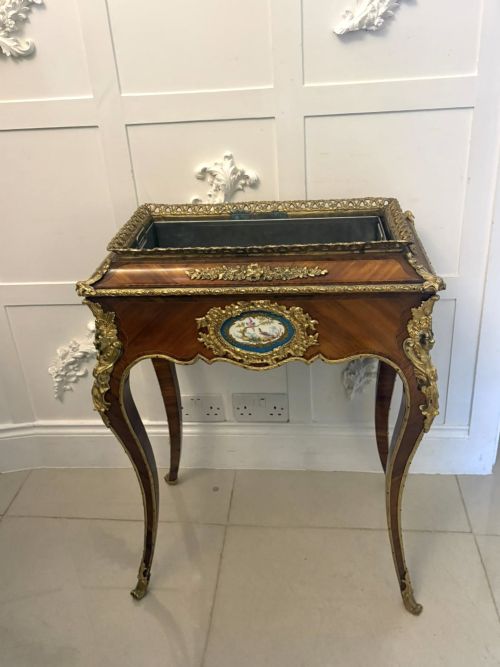
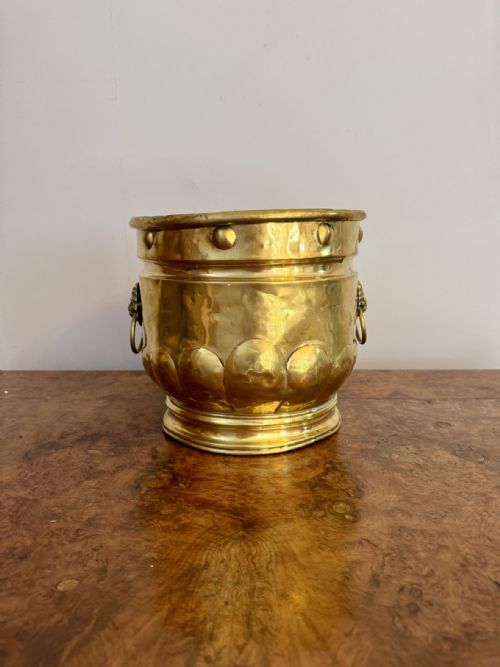
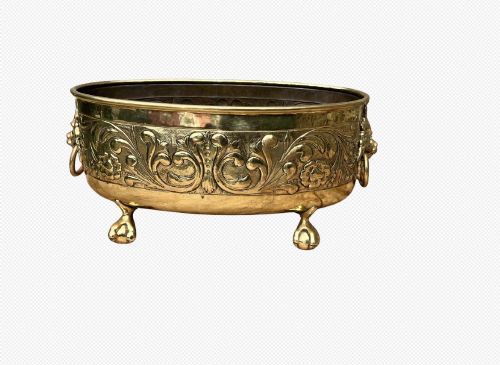
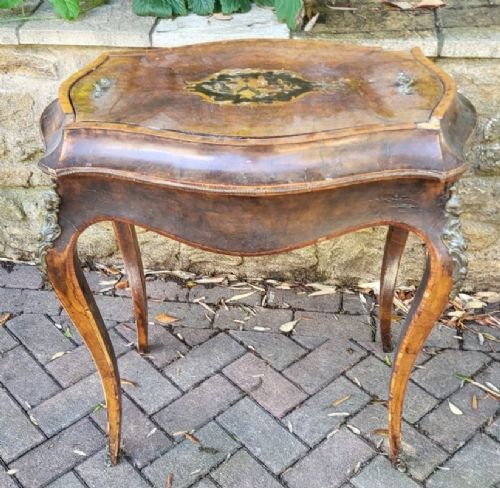
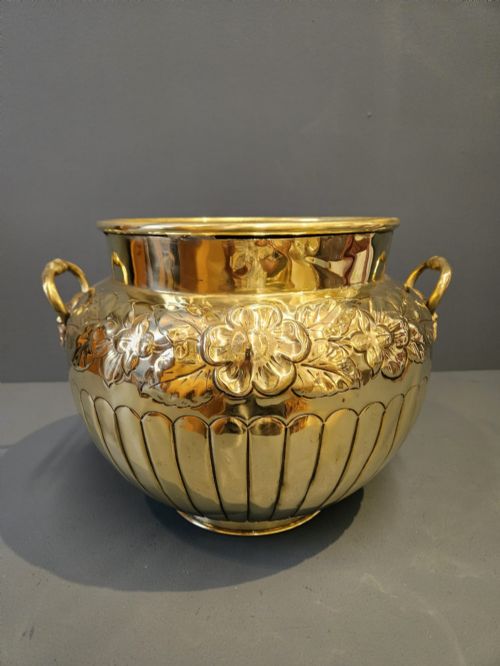
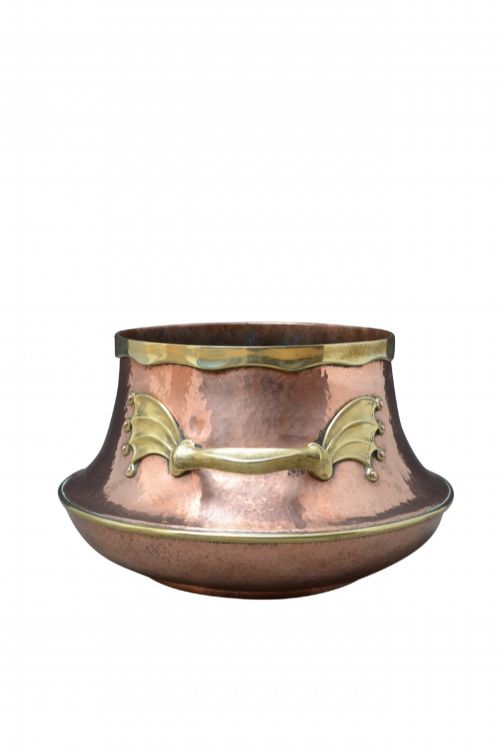
Makers utilised metalworking techniques such as hammering, piercing, and hand-engraving on copper and brass sheets to create textured bodies, frequently pairing them with wrought iron or ormolu mounts. Woodworkers constructed elaborate stands and planters from burr walnut and kingwood, adding marquetry inlay and lift-off lids.
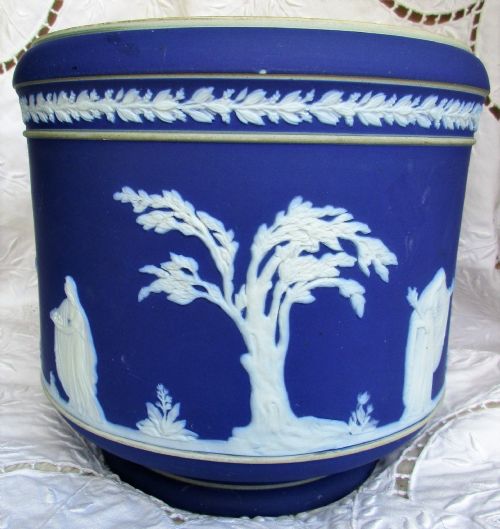
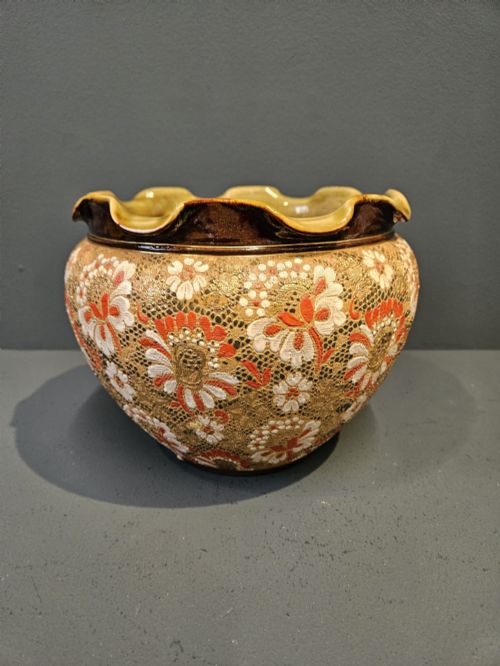
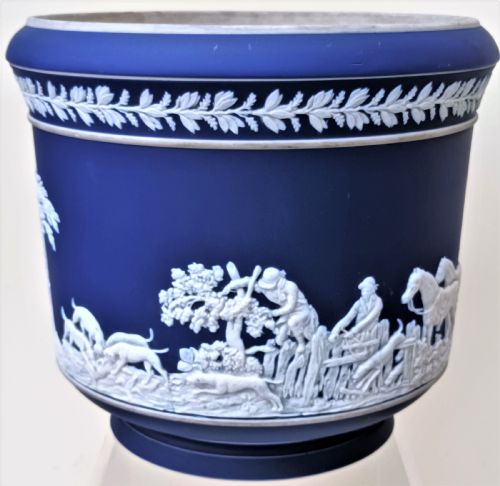
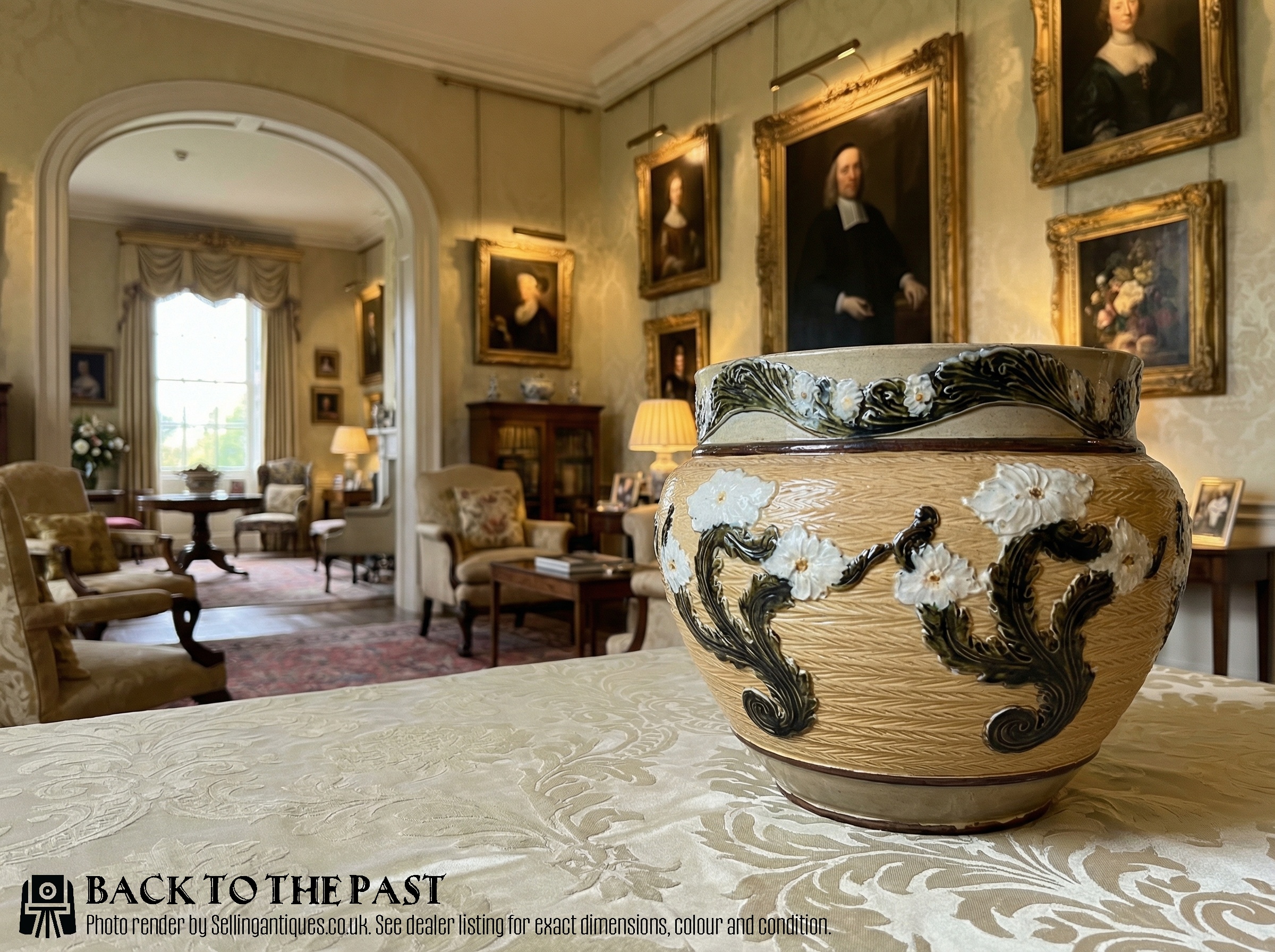
Ceramic forms relied on earthenware and stoneware bodies, finished with coloured glazes, majolica work, salt glazing, or applied jasper ware. Potteries such as Doulton Lambeth and Royal Worcester shaped these clays into fern rockwork vessels and patterned cachepots.
Victorian Indoor Planter Retail Price Guide 2026
Typical asking prices for victorian indoor planter among the pieces listed under this phrase on Sellingantiques today, from the lower quarter to the upper quarter. They describe what is for sale here now, not the wider market.
Listings feature vessels spanning the nineteenth and early twentieth centuries, constructed from brass, copper, stoneware, and glazed ceramic.
What varies in quality
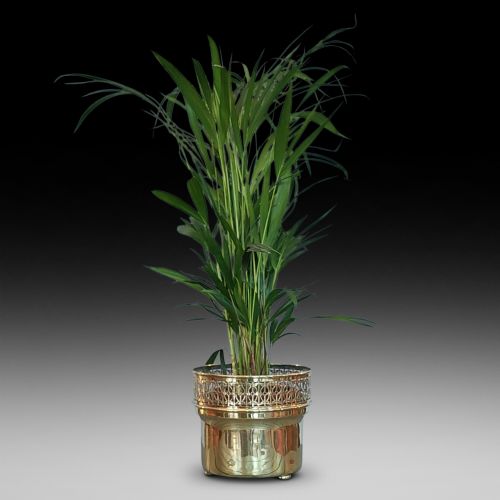
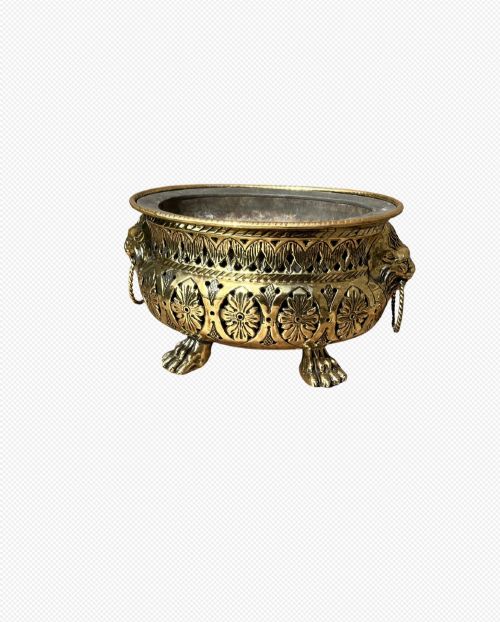
Distinctions in quality rest upon the crispness of the hand-engraving, the depth of the metal hammering, and the intricacy of the pierced brass patterns. Finer wooden planters display careful marquetry and figured burr walnut veneers fitted neatly to their carcases.
Ceramic examples reveal their standard through the richness of the majolica glaze, the definition of moulded reliefs like fern rockwork, and the prestige of the pottery studio that produced the body.
Doulton Lambeth·William Adams and Sons·Royal Doulton·Royal Worcester
The Victorian Indoor Planter Glossary
- Jardiniere
- An ornamental pot or stand for holding flowers and plants. These vessels form the majority of the metal and ceramic options on this page.
- Cachepot
- A decorative pot used to conceal an ordinary flowerpot. These sit inside rooms to protect furniture from moisture.
- Jasper ware
- A fine stoneware developed by Josiah Wedgwood, characterised by a matte surface and applied white reliefs against a coloured ground. Blue variants appear frequently in this category.
- Ormolu
- Gilded bronze or brass mounts applied to wooden furniture and decorative objects. This technique adds metallic highlights to kingwood and walnut pieces.
Victorian Indoor Planter: Frequently Asked Questions
How do I use a jardiniere indoors?
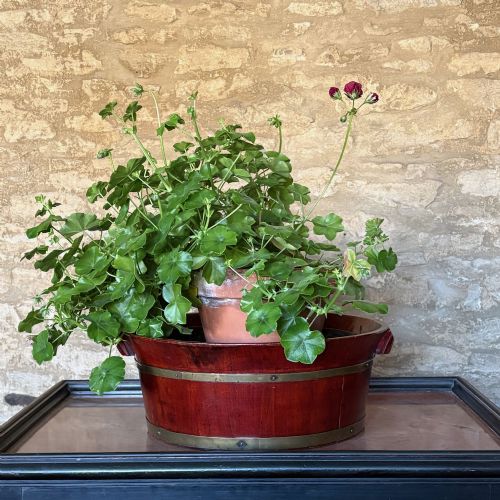
Place a potted plant inside the jardiniere so that the vessel acts as an attractive outer container. Ensure you use a saucer underneath the inner pot to catch drainage water.
Many metal and wooden examples include removable liners or lift-off lids designed to facilitate watering and plant care without damaging the outer structure.
What is the difference between a cachepot and a jardiniere?
A cachepot translates literally as a pot hider, meant specifically to conceal a plain plant pot holding soil and roots. A jardiniere serves a similar ornamental purpose but often refers to larger vessels or those integrated into stands and tables.
Both categories encompass ceramic and metal constructions from the nineteenth century designed for indoor botanical display.
How do I identify a Victorian brass planter?
Look for construction methods typical of the nineteenth century, such as hand-hammered surfaces, pierced brass galleries, and applied lion mask handles. The weight of the metal and the joining techniques often indicate age.
Many pieces exhibit specific revival styles like Gothic or Rococo, or originate from the Arts and Crafts movement with simpler geometric or beaten finishes.
Where were these ceramic planters made?
Ceramic planters in this selection originate from English potteries like Doulton Lambeth and Royal Worcester, alongside continental factories such as German salt glaze producers. English examples often feature blue jasper ware or majolica glazes.
Foreign imports brought diverse techniques and glazes into British homes during the nineteenth and early twentieth centuries.