




Art Nouveau Plant Stand
These art nouveau plant stand pieces bring organic curves and natural motifs into a room, offering an elegant elevation for flora and decorative objects.
Art Nouveau Plant Stand
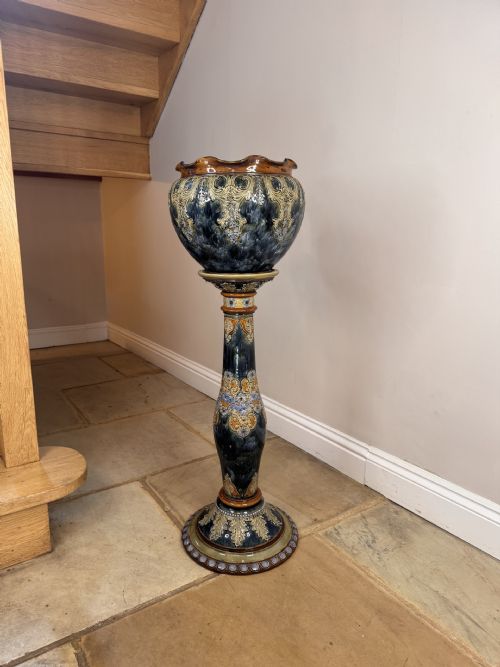
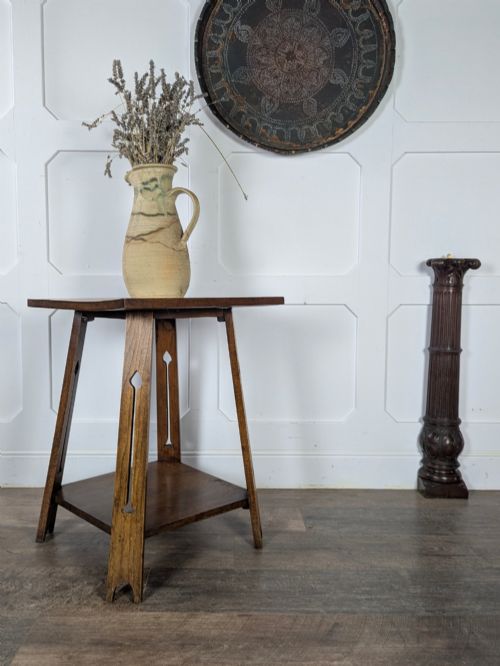
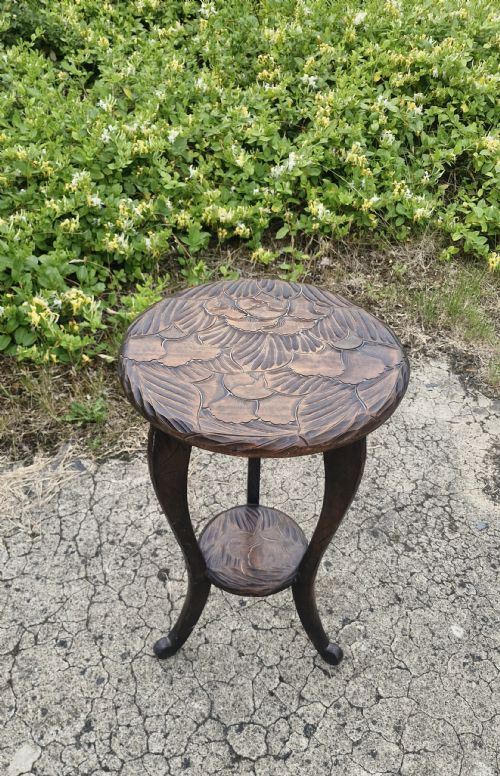
An art nouveau plant stand takes various forms, appearing as tall pedestals, jardiniere stands, and occasional tables designed to hold plants and ceramic pots. You will most frequently encounter walnut, mahogany, and oak examples spanning the late nineteenth century through the Edwardian period and into the nineteen twenties.
The aesthetic bridges several related design movements, drawing heavily on Arts and Crafts ideals alongside continental styles like Jugendstil and the Amsterdam School. Pieces range from British oak and mahogany iterations to Dutch and Italian brass and copper designs.
Makers and retailers such as Liberty and Co feature prominently in this category, alongside Continental workshops producing glazed earthenware and metalwork. The forms serve both practical botanical functions and purely decorative display purposes within domestic interiors.
Materials and Construction
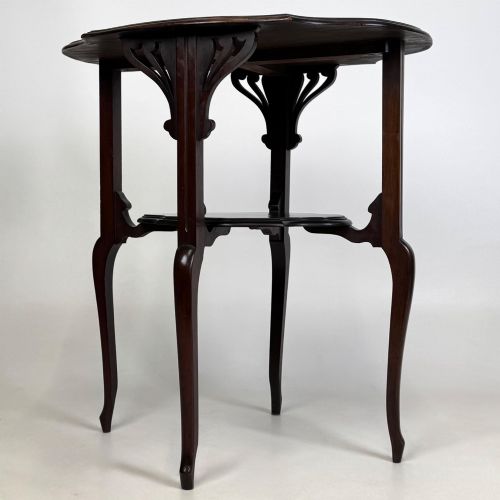
Cabinetmakers utilised dense hardwoods including mahogany, walnut, and solid oak, often shaping them with carved organic motifs and flowing whiplash lines. Inlaid details in contrasting timbers add surface pattern to table tops and pedestals.
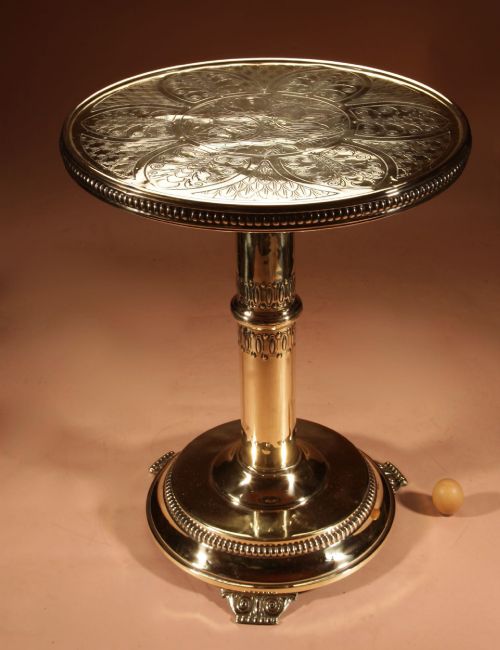
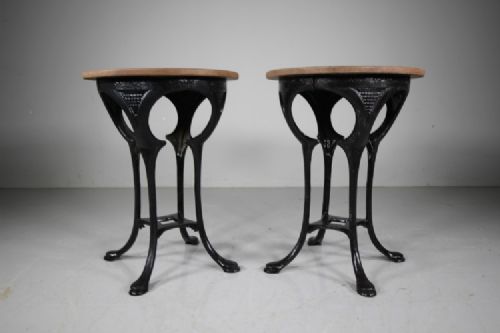
Metalwork forms an essential component, with cast iron, brass, and engraved copper utilised for stands, trays, and hanging elements. Earthenware and majolica inserts, featuring lustre glazes, provide contrasting colour and texture to wooden and metal frames.
Art Nouveau Plant Stand Retail Price Guide 2026
Typical asking prices for art nouveau plant stand among the pieces listed under this phrase on Sellingantiques today, from the lower quarter to the upper quarter. They describe what is for sale here now, not the wider market.
Recorded forms range from occasional tables and display cabinets to hanging bird cages and fitted jardiniere stands.
Distinctions in Execution
The standard of carving and joinery separates standard production items from exceptional workshop pieces, particularly in the crispness of plant motifs and linear detailing. Hand-engraved metal trays and specialised ceramic inserts by named potteries elevate a piece above simpler commercial variants.
Material selection and structural integrity define the durability of each stand, with well-figured timber grains and original brass or copper patination commanding greater appreciation. Retaining original components, such as matching ceramic jardinieres and their fitted stands, ensures historical completeness.
Liberty's·Fischel·Clement Massier·Minton·Julius Dressler·Morris and Co·A.A .Winfield of Mansfield
The Art Nouveau Plant Stand Glossary
- Jardiniere
- A large ornamental pot or container designed to hold a plant or floral arrangement, frequently paired with a dedicated wooden or metal stand. These vessels often feature glazed earthenware or majolica decoration.
- Jugendstil
- The German counterpart to the French art nouveau movement, characterised by flowing floral patterns and stylised natural forms. The style heavily influenced decorative arts across northern Europe.
- Secessionist
- A design movement associated with progressive artistic groups in central Europe, producing ceramics and metalwork with geometric interpretations of natural forms. Minton produced notable examples in this taste.
- Lustre glaze
- A type of ceramic finish containing metallic elements that create an iridescent, reflective surface when fired in a kiln. Clement Massier utilised this technique on earthenware jardinieres.
- Amsterdam School
- An architectural and design style originating in the Netherlands, marked by expressionist brickwork, decorative metal details, and organic timber forms. Pieces in this manner often combine brass and marble.
Art Nouveau Plant Stand: Frequently Asked Questions
What is an art nouveau plant stand?
An art nouveau plant stand is a decorative piece of furniture or metalwork designed to elevate flora, typically featuring flowing organic lines and natural motifs characteristic of the turn of the twentieth century.
These pieces encompass tall wooden pedestals, multi-tiered occasional tables, and specialised stands created to support ceramic jardinieres and metal planters.
How were plant stands used historically?
In period interiors, these stands displayed potted palms, ferns, and flowering plants, bringing living greenery into parlours and drawing rooms. They also functioned as display surfaces for decorative objects, lamps, and ceramics.
Tall pedestals placed plants at varying heights to create visual interest within a room scheme, while jardiniere tables incorporated waterproof liners or trays for direct planting.
How do I style a plant stand at home?
Position a standalone pedestal in an empty corner to introduce height and organic form, or use a two-tier occasional table beside seating for lamps and small display items. Pairing the stand with period pottery enhances the historical context of the piece.
Ensure the weight capacity of the stand suits your chosen plant, particularly when placing large ceramic pots on brass or wooden frames.
How do I tell periods apart?
Nineteenth-century examples often display heavier Victorian carving and robust proportions, whereas pieces from nineteen hundred onwards embrace lighter whiplash curves and stylised floral marquetry. Later Edwardian items frequently combine mahogany frames with subtle inlay and simpler geometric influences.
Continental designs from the Netherlands and Italy tend to utilise brass and copper more extensively alongside marble tops, differing from standard British oak and walnut furniture.