

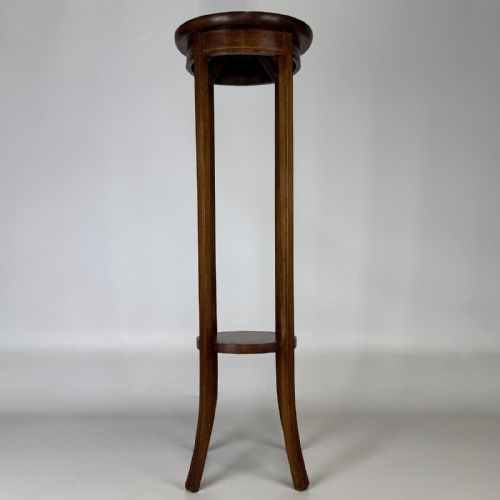
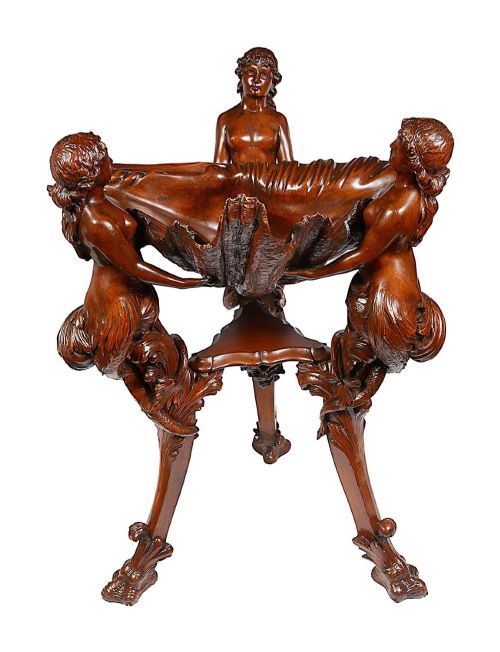

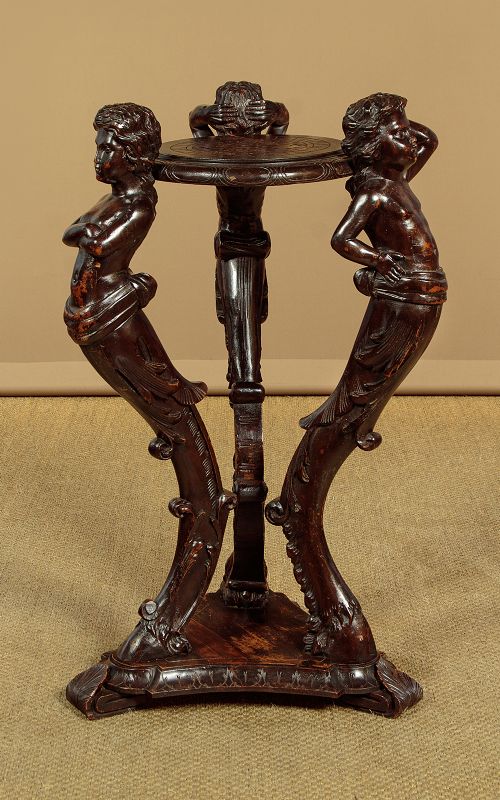
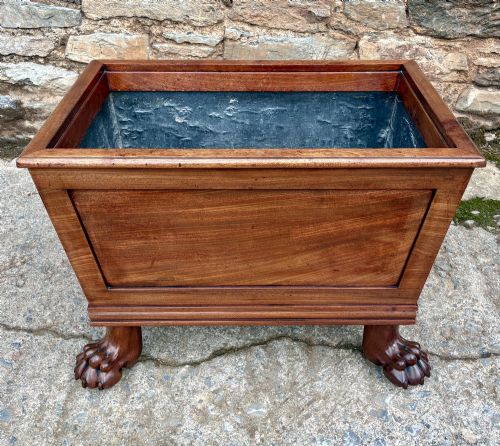

Brown Wooden Jardiniere
When you want a brown wooden jardiniere, you are looking for a plant holder that brings natural timber grain and classic room presence indoors.
Brown Wooden Jardiniere
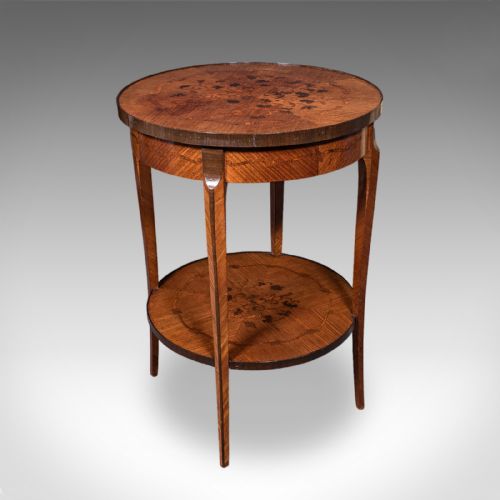
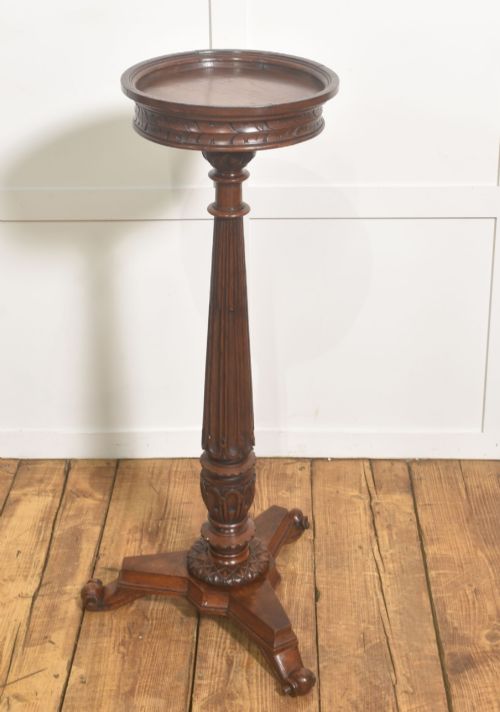
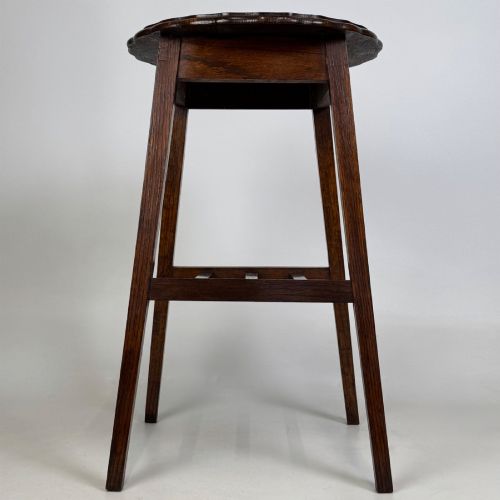
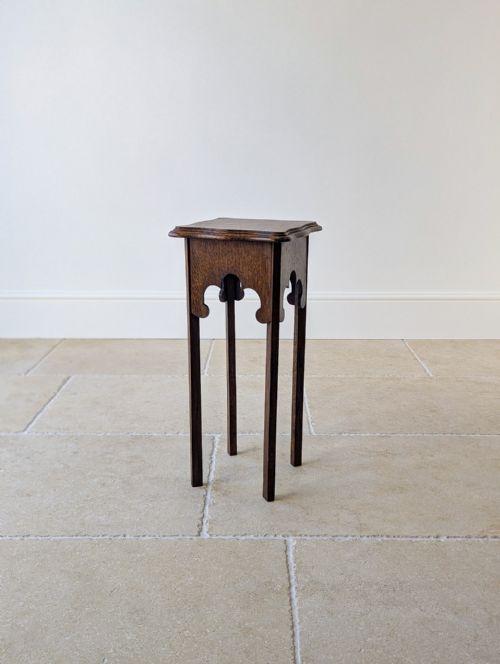
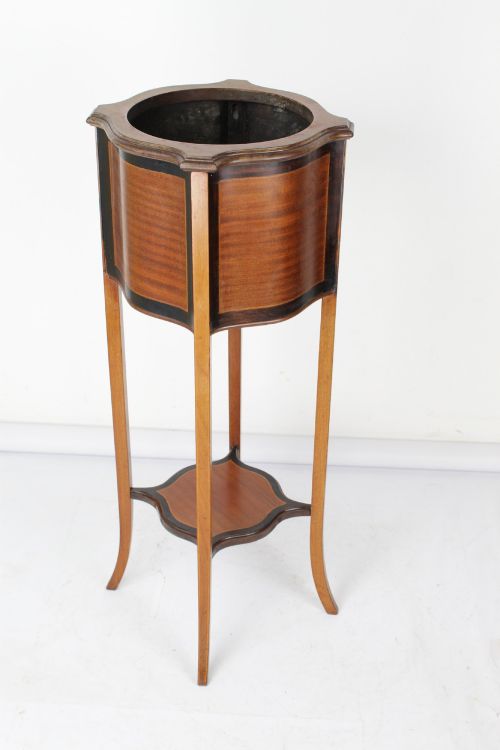
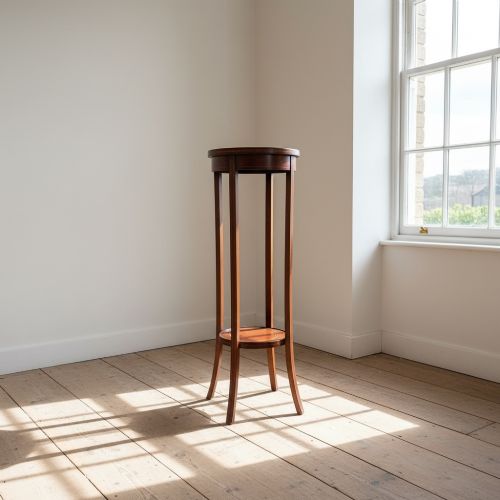
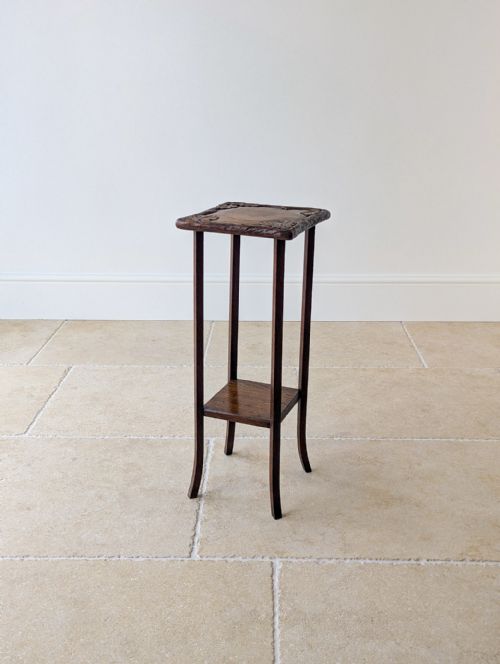
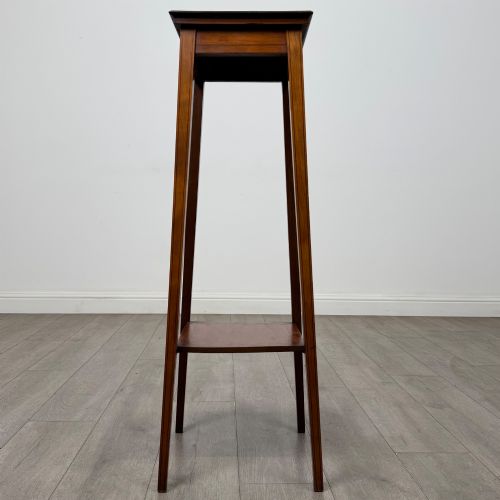
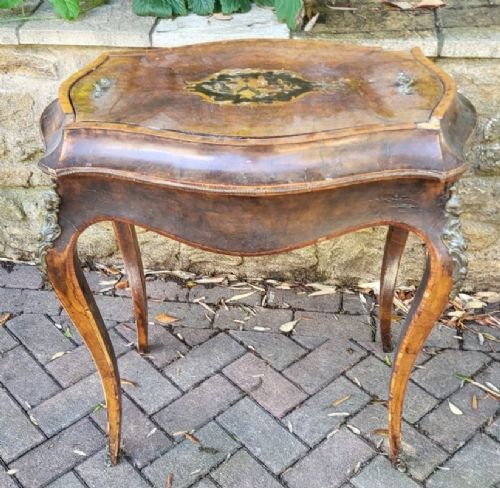
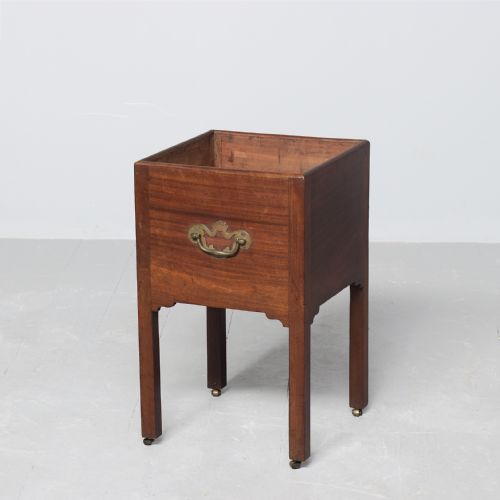
A brown wooden jardiniere functions as a decorative plant stand, planter, or container designed to house potted greenery within domestic living spaces. Buyers searching for a brown wooden jardiniere will encounter forms ranging from tall columnar plant stands and two-tier occasional tables to low coopered barrels and lidded planter boxes.
The selections span centuries of cabinetmaking, featuring pieces originating from Edwardian and Victorian eras alongside Georgian and earlier 18th Century examples. Makers utilised timbers such as mahogany, oak, walnut, and kingwood to construct these functional display items for domestic interiors.
How they were made
Craftsmen built these pieces primarily from solid hardwoods and decorative veneers, shaping mahogany, oak, walnut, and kingwood into turned legs, curved staves, and framed panels. Many examples incorporate metal elements, combining timber bodies with brass bands, copper bindings, zinc linings, or ormolu mounts to protect the wood from moisture.
Joinery techniques varied by period and form, utilising coopered stave construction for barrel-style planters, traditional mortise and tenon joints for plant stands, and detailed marquetry or inlay for decorative tabletops. Carved ornamentation, twisted barley legs, and marble inserts frequently complemented the timber structures.
Brown Wooden Jardiniere Retail Price Guide 2026
Typical asking prices for brown wooden jardiniere among the pieces listed under this phrase on Sellingantiques today, from the lower quarter to the upper quarter. They describe what is for sale here now, not the wider market.
The listings feature oak, mahogany, walnut, and kingwood across Edwardian, Victorian, and Georgian periods.
What varies in quality
The calibre of a piece rests upon the selection of timber and the precision of its construction, distinguishing modest utility items from finely detailed cabinetwork. Rich grain patterns in burr walnut or figured mahogany, combined with crisp carving and secure joinery, elevate the standing of a piece.
Integration of secondary materials dictates refinement, where hand-beaten brass bindings, fitted metal liners, and precise ormolu mounts show superior craftsmanship. The harmony between the wooden vessel and its supporting stand reveals the maker's intent and overall design success.
Liberty and Co
The Brown Wooden Jardiniere Glossary
- Coopered
- Constructed from wooden staves fitted together side by side and bound by metal hoops, much like a traditional barrel. This technique prevents wood warping when holding moist soil.
- Jardiniere
- An ornamental pot or stand designed to hold live plants or flowers indoors. The term derives from the French word for gardener.
- Ormolu
- Gilded bronze mounts applied to furniture and decorative objects for ornamentation. This decorative technique adds metallic contrast to wooden surfaces.
- Marquetry
- The art of applying pieces of veneer to a structure to form decorative patterns and pictures. Craftsmen utilise various tinted woods to achieve tonal depth.
Brown Wooden Jardiniere: Frequently Asked Questions
What is a jardiniere?
A jardiniere is an ornamental container or stand made to display indoor plants and flowers.
Historically, these pieces sat in principal rooms to bring botanical displays into domestic living spaces.
How were wooden planters waterproofed?
Many wooden planters incorporate interior metal linings made of zinc, copper, or brass.
These removable or fixed inserts protected the surrounding timber from water damage during regular plant watering.
Where should I place a plant stand?
Plant stands work well in corners, beside windows, or flanking fireplaces where they receive adequate light.
Their elevated forms allow greenery to occupy vertical space without cluttering floor surfaces.
How do I date a wooden jardiniere?
Dating relies on identifying timber species, construction methods, and stylistic details associated with specific historical periods.
Characteristics like barley twist legs, brass banding, and inlay styles help determine whether a piece belongs to the Georgian, Victorian, or Edwardian eras.